 Wired868 Wired868 for smart sport news and opinion
“[…] Trinidadians and Tobagonians are resilient people. But what citizens rarely tolerate for long is inconsistency. Once people begin believing that there are different rules for different classes of citizens, public trust begins to erode very quickly.
“That erosion of trust is becoming one of the defining features of modern Trinidad and Tobago. There is growing mistrust in politics, institutions, media and increasingly in policing and the justice system itself.
“This is dangerous territory for any democracy because institutions ultimately survive not only on laws and regulations but on legitimacy…”
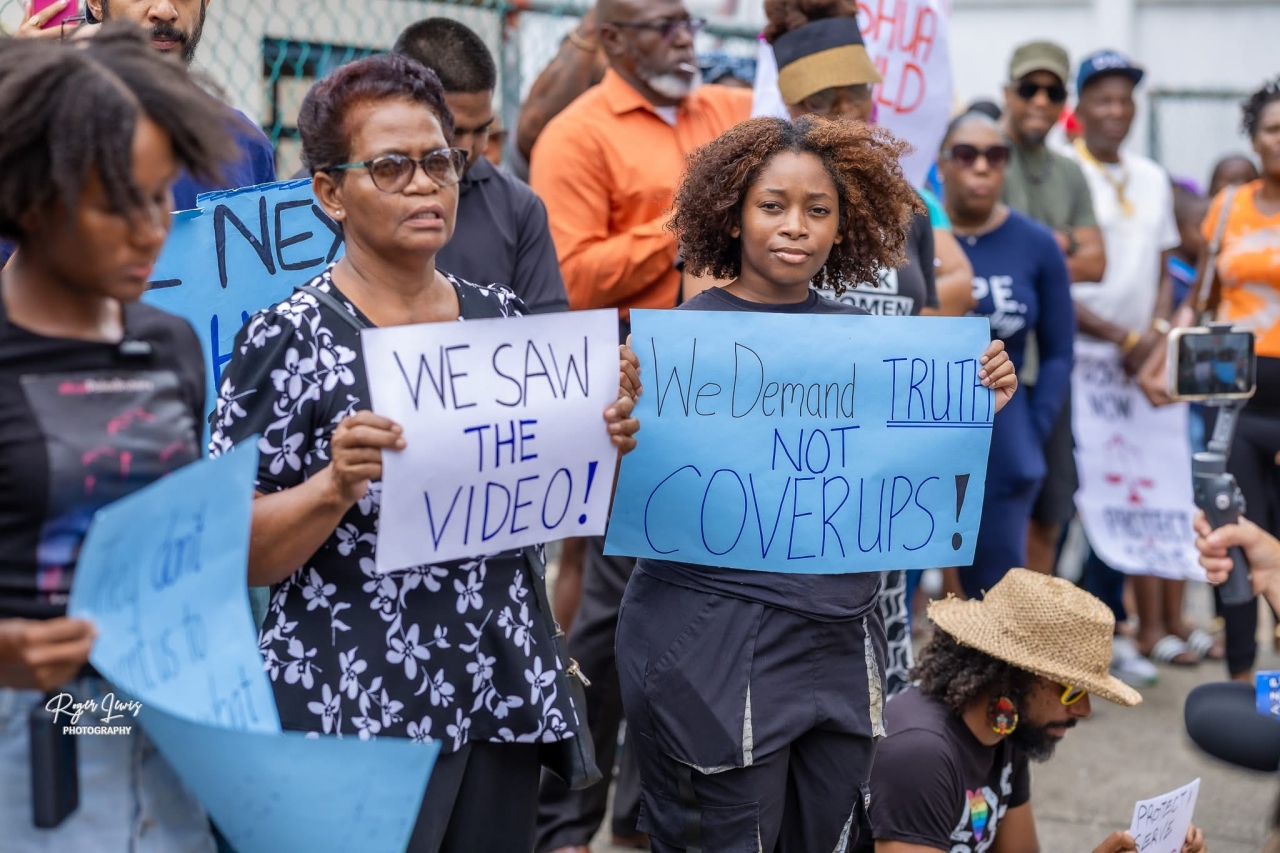
Photo: Roger Lewis/ Look Into My Eyes.
The following guest column on perceived tensions between the Trinidad and Tobago public and its justice system was submitted to Wired868 by controversial former minister of national security, MP and Fifa vice-president and Sunshine Today publisher Dr Jack Warner:
Brother Valentino sang it years ago in one of those calypsos that never really gets old because the truth inside it keeps renewing itself with every generation: “Life is a stage, and we are all characters… everybody has a part to play…”
Today, as I sit almost fully retired from active politics, I find myself reflecting on just how accurate those words remain for Trinidad and Tobago.
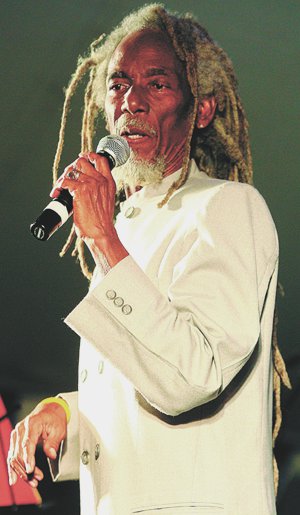
Age and distance have a way of sharpening perspective. When you are no longer fighting elections, managing party machinery or defending every political position, you begin to see the country differently. You start to see beyond the headlines, beyond the speeches and beyond the carefully choreographed performances that dominate public life.
And make no mistake, Trinidad and Tobago today feels like one giant theatre production.
Everybody is performing. Government performs. Opposition performs. Media performs. Activists perform. Even ordinary citizens perform versions of themselves every day on social media.
Everybody has a role; everybody has an audience and everybody is trying to control the narrative.
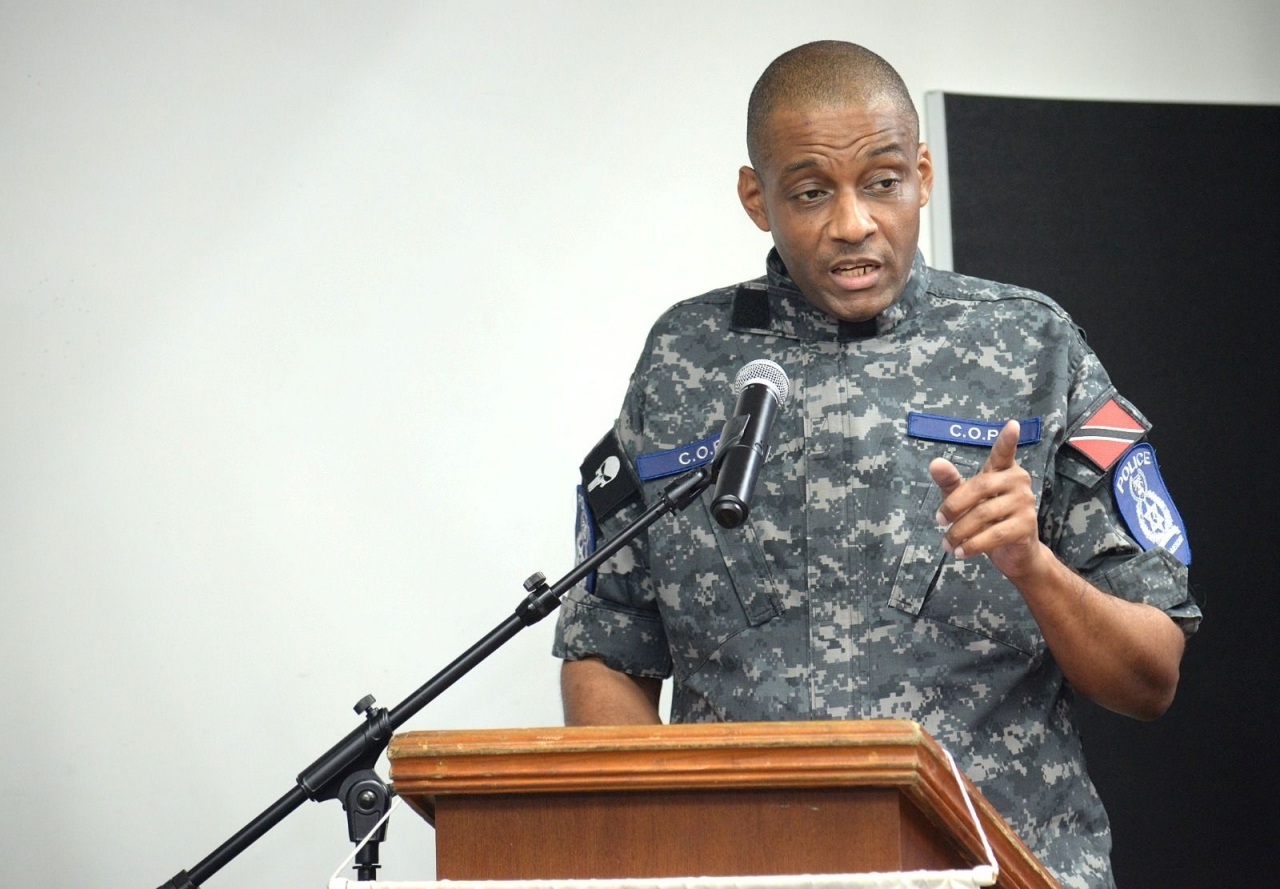
Photo: TTPS.
The problem is that the audience—the population itself—is becoming increasingly tired of the production.
One day we are told the economy has “turned the corner”. The next day the IMF arrives and, in its careful diplomatic language, reminds us that economic growth remains fragile.
Government officials point to signs of recovery while citizens point to grocery bills, utility payments and rising costs of living. Economists debate, often in language they alone understand while ordinary people debate whether they can afford another increase in food prices or school expenses.
That is the disconnect that now defines much of national life.

Copyright: Office of the Parliament 2025.
There is the official Trinidad and Tobago that exists in speeches, press conferences and carefully crafted statements. Then there is the lived Trinidad and Tobago experienced daily by citizens trying to survive.
The IMF report may discuss lofty economic issues but ordinary citizens are dealing with what I call the emotional economy. It is the economy of frustration, uncertainty and quiet fear—one in which the educated young graduate is constantly applying online at midnight because they no longer believe opportunities exist at home.
It is the economy in which the small business owner is surviving month to month but is afraid to expand because consumer confidence is weak and crime remains high. It is the economy in which the single parent is quietly deciding which bill can wait another week and which can’t.
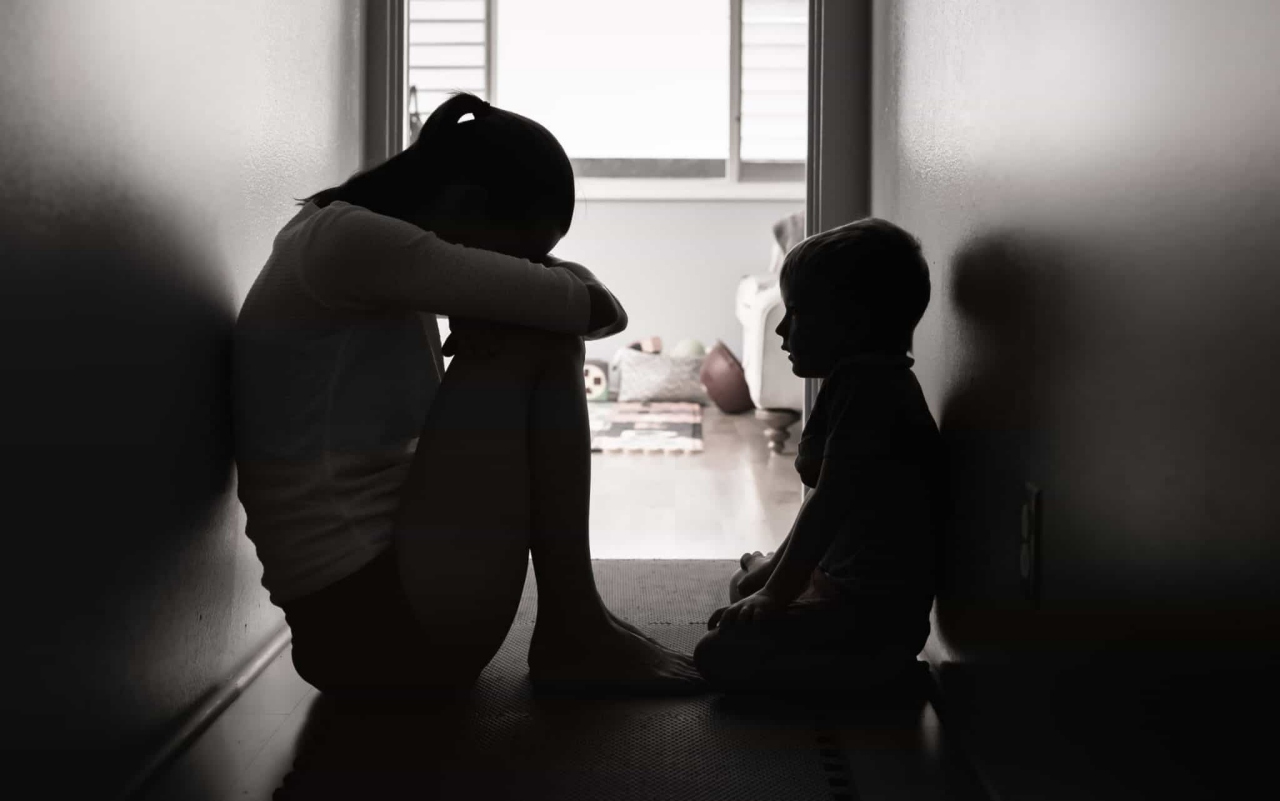
Photo: AdobeStock.
And despite all the grand language about fairness and national development, many citizens are beginning to ask an uncomfortable question: fairness for whom?
Because inequality in Trinidad and Tobago is no longer subtle. Citizens are increasingly noticing that justice, accountability and even public sympathy often appear unevenly distributed.
One individual faces the full and immediate weight of the law while another appears to receive understanding and accommodation “given the circumstances”.
In one matter, charges dissipate with remarkable speed. In another, even in the presence of widely circulated video evidence and public scrutiny, charges are still laid against only one individual.
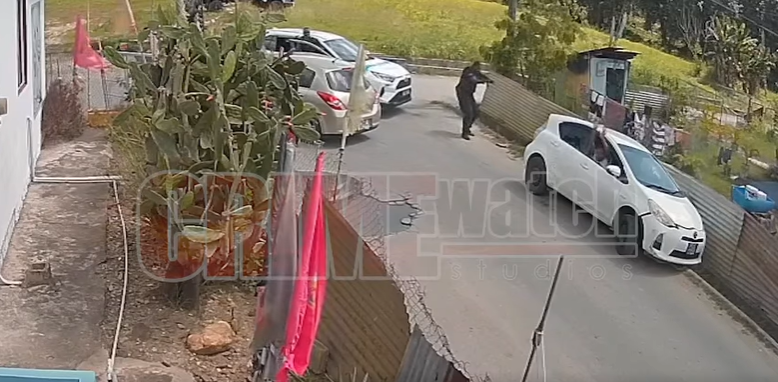
Samaroo’s common-law wife, Kaia Sealy, was in the car and is paralysed after the shooting.
Police did not initially declare a weapon in the car.
The population is watching all of this very carefully. People may tolerate hardship. Trinidadians and Tobagonians are resilient people. But what citizens rarely tolerate for long is inconsistency.
Once people begin believing that there are different rules for different classes of citizens, public trust begins to erode very quickly.
That erosion of trust is becoming one of the defining features of modern Trinidad and Tobago. There is growing mistrust in politics, institutions, media and increasingly in policing and the justice system itself. This is dangerous territory for any democracy because institutions ultimately survive not only on laws and regulations but on legitimacy.
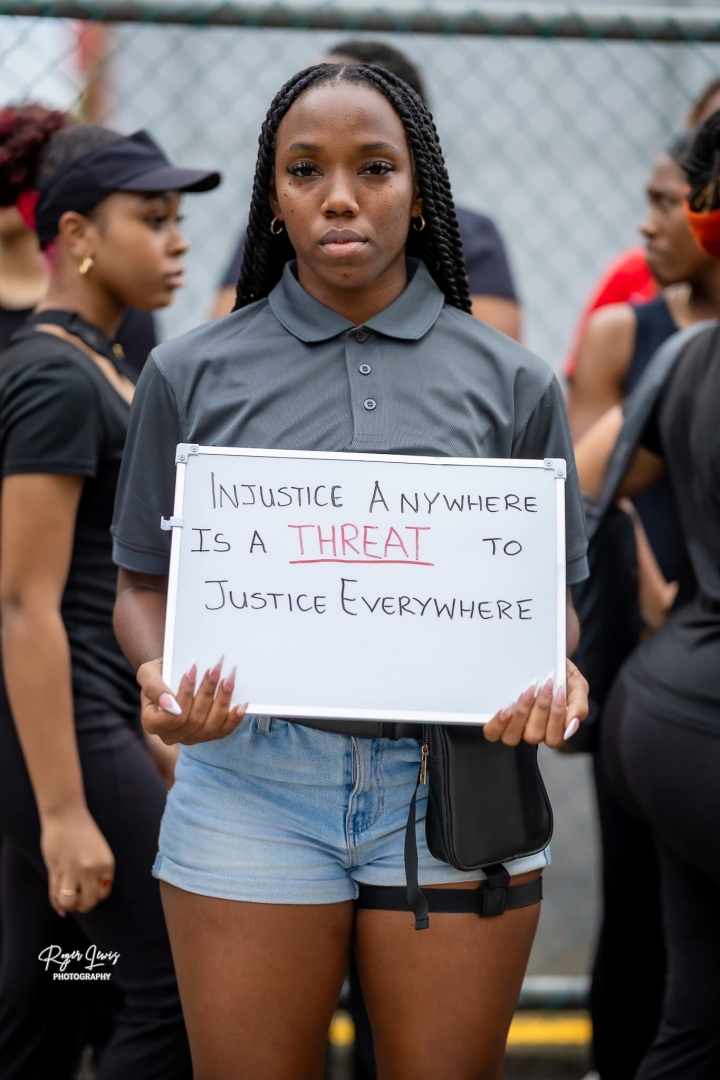
Photo: Roger Lewis/ Look Into My Eyes.
Citizens must believe institutions operate fairly, consistently and independently.
The tension between sections of the population and the police service reflects this broader crisis of confidence. Let me say clearly that police officers in Trinidad and Tobago operate under extremely difficult conditions. They confront heavily armed criminal gangs, rising violence and social breakdown that would challenge law enforcement systems anywhere in the world.
But policing depends not only on force. It depends on trust. It depends on legitimacy. It depends on the public believing that the law applies equally to everybody regardless of status, influence or political alignment.
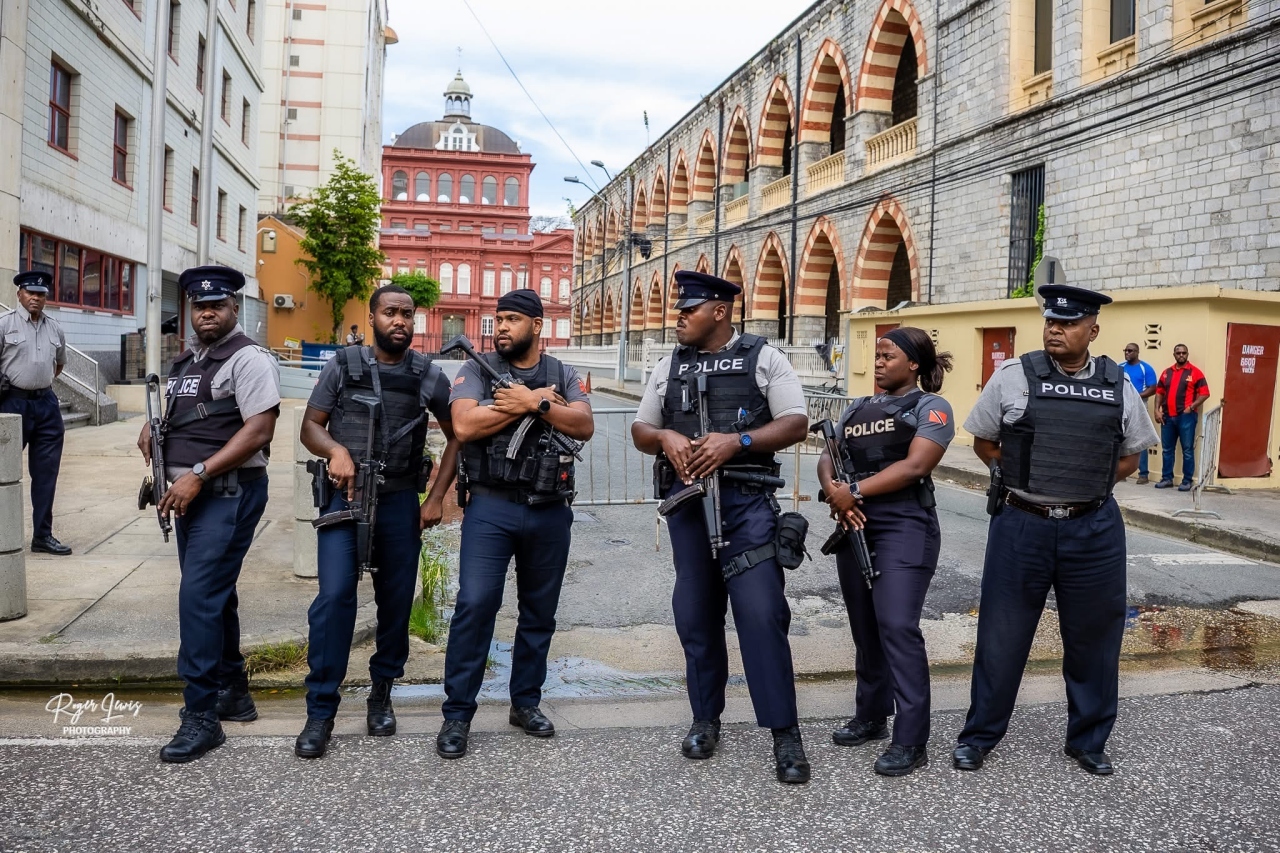
Photo: Roger Lewis/ Look Into My Lies.
Once that trust weakens, every police interaction becomes more politically charged, more emotionally charged and ultimately more dangerous for society as a whole.
At the same time, the physical condition of the country is reflecting a deeper national deterioration.
Drive across Trinidad today and one of the most visible realities confronting citizens is garbage. Garbage along highways. Garbage near rivers and drains. Garbage piled within communities as though disorder itself has become normalised.
This is not simply an administrative problem or a local government problem. It is also becoming a cultural problem.
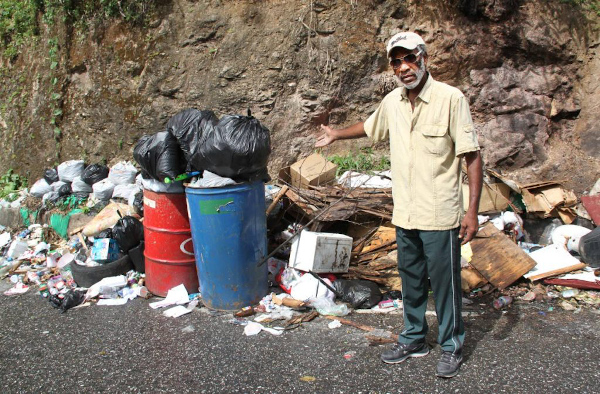
Photo: Newsday.
We are gradually becoming comfortable living amid disorder, and that should concern us deeply because physical disorder often mirrors institutional and social disorder. When public spaces deteriorate, public spirit deteriorates with them.
Societies rarely collapse dramatically. More often they decline gradually, layer by layer. First standards weaken. Then accountability weakens. Then trust weakens.
Eventually hope itself begins to weaken. And hope is perhaps the most important resource any nation possesses.
Yet despite all of this, Trinidad and Tobago continues performing. We continue producing speeches, press releases, slogans and carefully managed narratives.
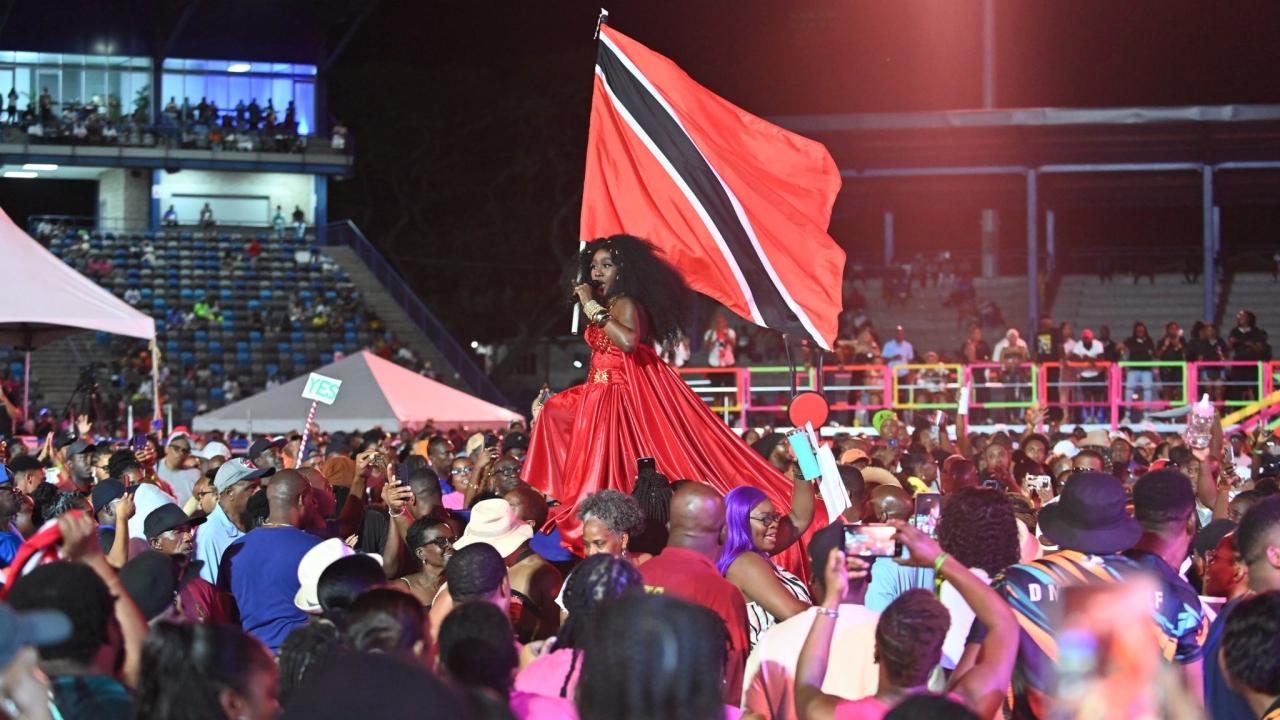
Terri is now a two-time monarch.
Photo: Tuco.
Social media has intensified this culture of performance, turning national life into a constant cycle of outrage, counter-outrage and political theatre.
Brother Valentino understood something profound long before Facebook, TikTok and Instagram existed. He understood that life itself is performance.
People wear masks. People play roles. Some play hero, some play victim, some play saviour and some play judge. And in public life especially, many people become so consumed by their role that they eventually confuse performance with reality.
But eventually every performance ends. The curtains close on all of us one day, and what remains are consequences.

Photo: Daniel Prentice/ Wired868.
That is why Trinidad and Tobago today faces a crisis deeper than economics alone. We are facing a crisis of credibility.
Citizens no longer know who to trust. Official optimism increasingly competes with lived frustration. Crime statistics compete with public fear. Economic indicators compete with household struggle. Institutional assurances compete with daily experience.
And once citizens stop believing that institutions are fundamentally fair, even good policies become difficult to implement because legitimacy is the foundation upon which governance rests.
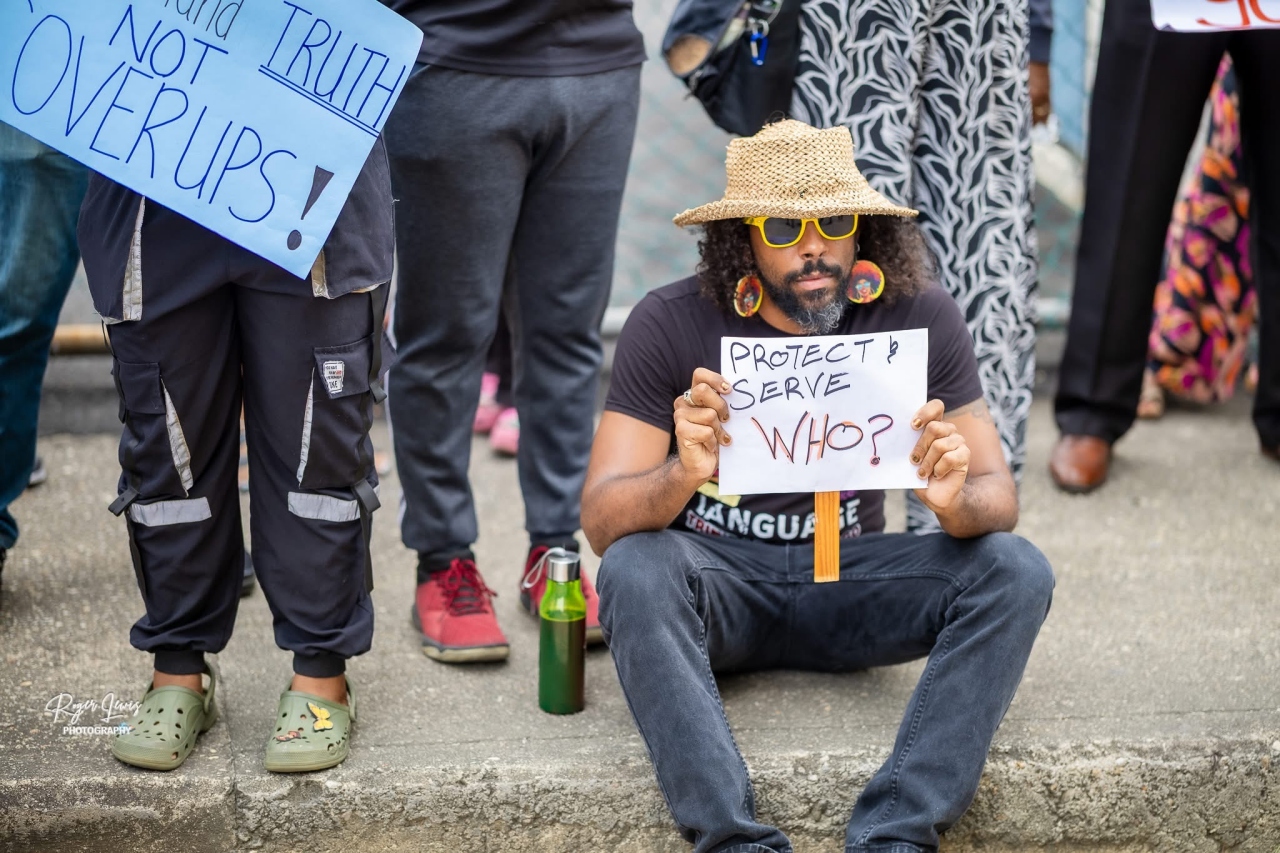
Photo: Roger Lewis/ Look Into My Eyes.
At this stage of my life, I have also come to recognise that Trinidad and Tobago does not suffer from a shortage of intelligence or talent. We have brilliant people in every sector of national life.
What we increasingly lack is honesty—honesty about the true state of the economy, honesty about institutional weaknesses, honesty about corruption, honesty about inequality and honesty about the growing frustration many citizens feel toward the system itself.
Until we confront those realities honestly, we will continue treating symptoms while ignoring the deeper disease.
Still, despite everything, I do not believe this country is beyond saving.
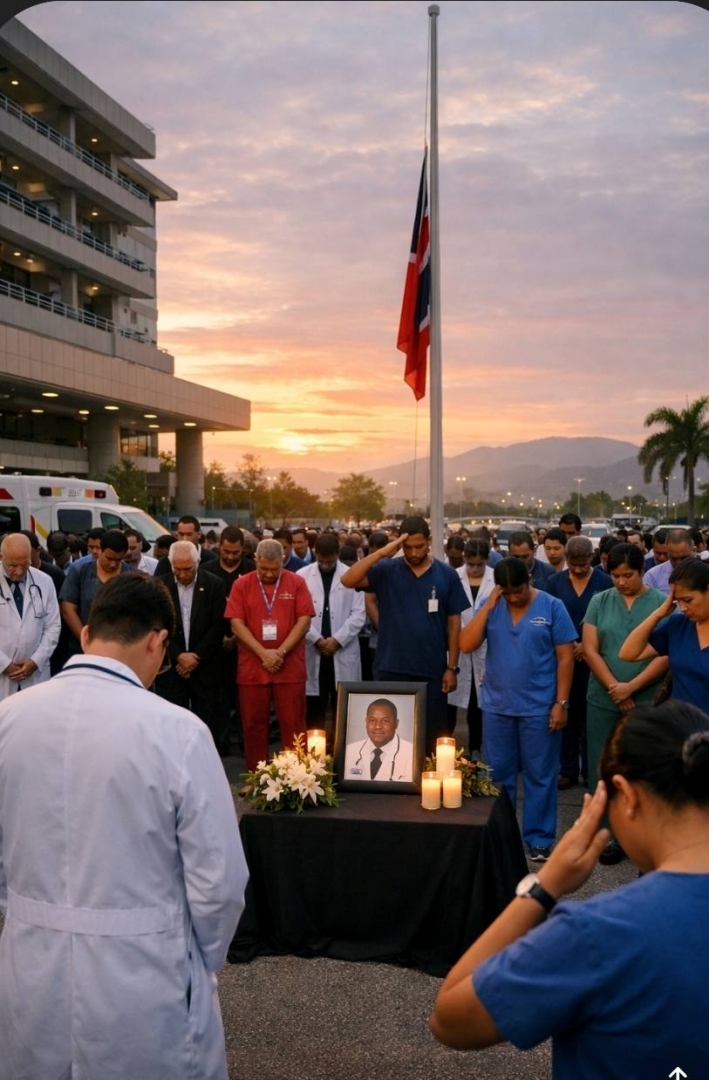
Photo: TTRNA.
Trinidad and Tobago remains filled with decent, hardworking and resilient people. There are still honest police officers risking their lives daily. Still teachers sacrificing quietly for children. Still nurses holding fragile healthcare systems together. Still entrepreneurs fighting to survive against difficult odds. Still communities helping one another in times of hardship.
There is still goodness in this country. Still patriotism. Still hope.
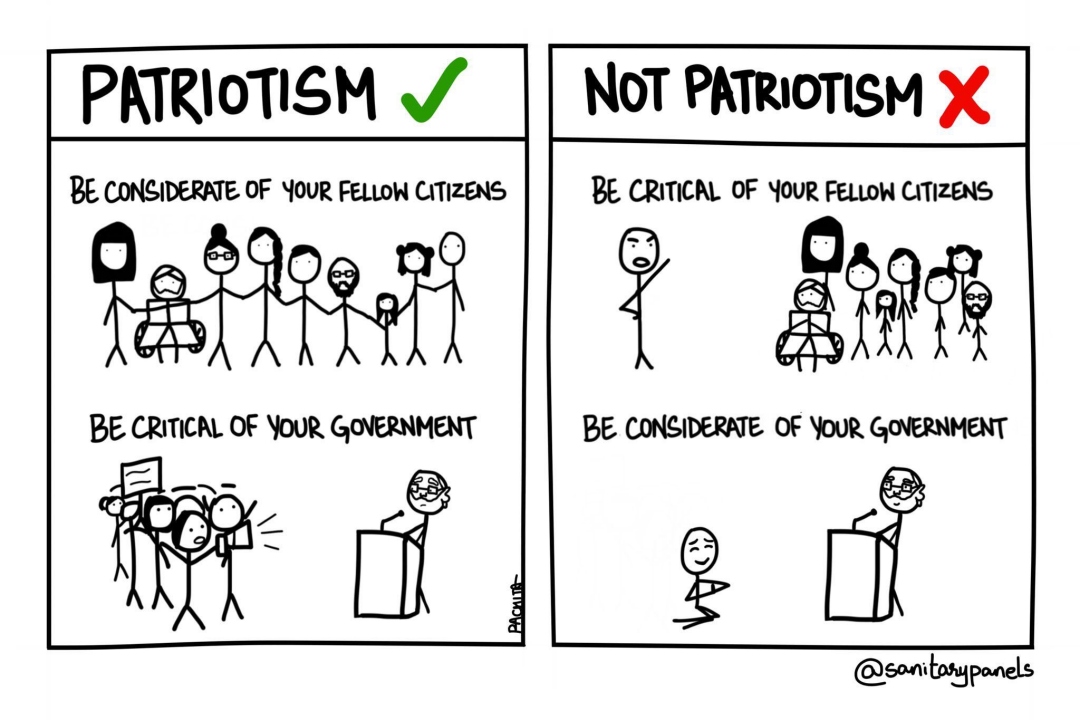
But patriotism cannot simply mean waving flags during Carnival or football tournaments. Patriotism must also mean demanding better from ourselves and from those entrusted with leadership.
It means demanding accountability, consistency and fairness. It means strengthening institutions rather than weakening them for temporary political advantage.
Because if life truly is a stage, then every generation must eventually answer the same question: what role did you play when your country needed courage?
Did you defend truth or merely defend tribe? Did you strengthen institutions or weaken them? Did you help heal divisions or deepen them?
History eventually asks those questions of every society, and history is rarely interested in excuses.

Photo: Chevaughn Christopher/ CA-images/ Wired868.
So yes, Brother Valentino was right all those years ago. Life is a stage, and Trinidad and Tobago today often feels like one long production in which everybody is improvising because nobody fully understands the script anymore.
Perhaps that is exactly why the country now needs less performance and more principle; less acting and more honesty; less tribal noise and more national purpose.
Because eventually audiences stop applauding confusion. And when citizens lose faith in the production itself, even the finest actors cannot save the show.
The curtains eventually fall on every society.
I am not a politician. I’m certainly not a senator. I am just a citizen who pays attention. So, when Read more

Today, Trinidad and Tobago, and indeed the Caribbean, bids farewell to a true cultural giant. With the passing of Dr Read more
“[…] It is nothing short of amazing how this current political directorate can go from conceptualization of 30 ‘police post’ Read more
Thirteen years have passed since health care workers, Lake Asphalt employees and other workers last received a salary adjustment. In Read more
Having just celebrated 64 years of independence, discussions as to whether Trinidad and Tobago is better off since gaining independence Read more
“[…] To the ‘UNC family’ she offers the old tired hymn: lagoons, cane fields, salt and rice, ponds and springs—the Read more

Want to share your thoughts with Wired868? Email us at editor@wired868.com.
Please keep your letter between 300 to 600 words and be sure to read it over first for typos and punctuation.
We don’t publish anonymously unless there is a good reason, such as an obvious threat of harassment or job loss.

the author of this commentary once had his lawyers try to bankrupt this very same publication through a malicious suit…
Anyway “When you are no longer fighting elections, managing party machinery or defending every political position, you begin to see the country differently” is _such_ a revealing line eh
I agree wholeheartedly. Inequality here is no longer a quiet undercurrent — it is a daily lived reality for too many of our people. And I want to acknowledge something: it takes growth to arrive at this kind of honesty. Dr. Warner’s evolution on several issues is one I welcome, and this piece reflects a thoughtfulness that the moment demands. #ChangeIsPossible #InequalityTT #DangerousTerritory #TTSpeaks
DD, I have always assumed that Valentino was merely putting his own spin on Shakespeare’s famous As You Like It lines which tell us that “All the world’s a stage and all the men and women merely players.”
But that is really neither here nor there as far as your comment is concerned. That is for the letter writer. For you, what has to be flagged is your assumption about the writer’s “growth” to which arriving at “this kind of honesty” attests.
Interestingly, he himself has a thing or two to say about honesty. And arguably hits the nail on the head with both.
First there is this: “What we increasingly lack is honesty—honesty about the true state of the economy, honesty about institutional weaknesses, honesty about corruption, honesty about inequality and honesty about the growing frustration many citizens feel toward the system itself.”
And then there is this: “Perhaps that is exactly why the country now needs less performance and more principle; less acting and more honesty; less tribal noise and more national purpose.”
To be honest, I think that, in a much less direct kind of way, this sentence is also about honesty: “Because if life truly is a stage, then every generation must eventually answer the same question: what role did you play when your country needed courage?”
If you are right in thinking that the writer has grown to the point where he is no longer merely performing for his audience, would he not have substituted the much more challenging ‘individual’ or ‘citizen’ or ‘Trinbagonian’ for ‘generation’?
And would we not have found his answer to that much more pointed question somewhere in the piece?
🛑KNOW YOUR RIGHTS: PEACEFUL PROTEST DOES NOT REQUIRE POLICE PERMISSION
Attached are the High Court and Court of Appeal judgments in Vijay Ramai v The Attorney General of Trinidad and Tobago, which now stand as leading authorities on peaceful protest rights in Trinidad and Tobago.
These decisions confirm several very important constitutional principles which every citizen should know.
🛑1. A PEACEFUL STATIONARY PROTEST DOES NOT REQUIRE POLICE PERMISSION
The Courts confirmed that peaceful political protest in a public place is constitutionally protected expression.
The police acted unlawfully when they told Mr. Vijay Ramai that he required permission to peacefully protest outside the Red House.
Peaceful protest is not a privilege granted by the Police Service — it is a constitutional democratic right.
🛑2. SECTION 109 OF THE SUMMARY OFFENCES ACT IS ABOUT NOTIFICATION — NOT PERMISSION
The Courts discussed section 109 of the Summary Offences Act.
Section 109 concerns notifying the Commissioner of Police about a public meeting.
Notification is not the same as permission.
• Notification means informing the police.
• Permission means needing police approval before exercising constitutional rights.
The Courts made clear that constitutional freedoms cannot simply be converted into privileges dependent upon police approval.
Importantly, the law distinguishes between:
• peaceful stationary public meetings; and
• public marches or processions moving along public roads.
Permits are generally associated with marches or processions, not peaceful stationary protests.
🛑3. PEACEFUL PROTEST INCLUDES SPEAKING, CHANTING AND SINGING
Constitutional protection is not limited to silently standing with a placard.
Peaceful protest includes:
• speaking publicly;
• chanting slogans;
• singing protest songs;
• holding placards and banners; and
• expressing political criticism or dissent.
Peaceful political expression does not lose constitutional protection merely because it is loud, unpopular, or critical of authorities.
🛑*4. THIS CASE AROSE DURING THE COVID-19 STATE OF EMERGENCY PERIOD*
This is extremely important.
The Vijay Ramai matter itself arose during the COVID-19 State of Emergency period and amidst public health restrictions then in force.
Despite the emergency environment existing at the time, the Court of Appeal still strongly affirmed the constitutional importance of peaceful protest and democratic dissent.
The judgment is therefore a powerful reminder that emergency circumstances do not automatically extinguish constitutional freedoms.
🛑5. POLICE CANNOT ARBITRARILY SUPPRESS PEACEFUL PROTEST
The Court of Appeal confirmed that constitutional rights can be infringed not only through arrest or prosecution, but also through:
• intimidation;
• unlawful police instructions;
• threats of enforcement; or
• conduct discouraging citizens from exercising democratic freedoms.
Police powers must still be exercised lawfully, reasonably, and proportionately.
🛑 IMPORTANT
These judgments do NOT mean that violence, riots, threats, or dangerous obstruction are protected.
The State may still lawfully intervene where there is:
• violence;
• incitement;
• genuine danger to public safety; or
• serious unlawful obstruction.
However, peaceful political expression cannot lawfully be suppressed merely because it is critical, unpopular, embarrassing, or inconvenient to authorities.
END.
https://webopac.ttlawcourts.org/LibraryJud/Judgments/HC/rahim/2022/cv_22_00618DD12jun2023.pdf
https://webopac.ttlawcourts.org/LibraryJud/Judgments/coa/2023/kokaram/CvA_23_P203DD23Jan2026.pdf