 Wired868 Wired868 for smart sport news and opinion
Monday morning, 5:45am, Curepe junction. Three maxis pass me—full. Fourth stops. Driver leans out: “Only Sa Wa.” I begged to get to Port of Spain. Got to work 20 minutes late again. Conductor short-changed me. I didn’t even bother to argue anymore.
I understand why UNC supporters say rail costs too much. They’re not wrong about the $500 million PNM had spent with no completed feasibility study.
Maxi defenders say rail kills local jobs, that maxis are flexible and entrepreneurial. And they’d probably assume I’m just another PNM loyalist or UNC sycophant, talking party talk.
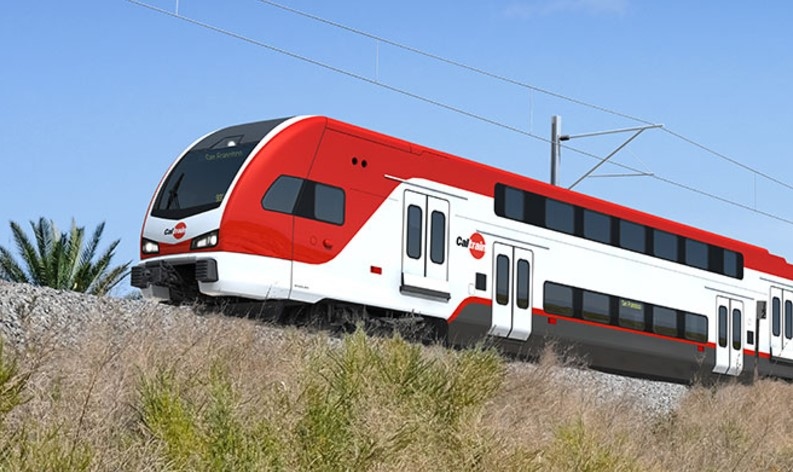
But I’m not a UNC supporter. Neutral may be a better moniker. But that’s not the point anymore. The point is both parties have failed us.
PNM launched a rushed, opaque project. UNC killed the whole idea instead of fixing it. I’ve stopped caring who was right or wrong back then. I just know that years later, I’m still standing at the same junction—still late, still short-changed.
We’ve done this before. In 1968, the Trinidad Government Railway ran its last trip. People sang “Auld Lang Syne” as Engine No 42 pulled out.
We replaced rail with buses and maxis. Now over 500,000 vehicles choke every highway and by-ways. The UNC’s political ancestors helped kill rail then. And again in 2010?
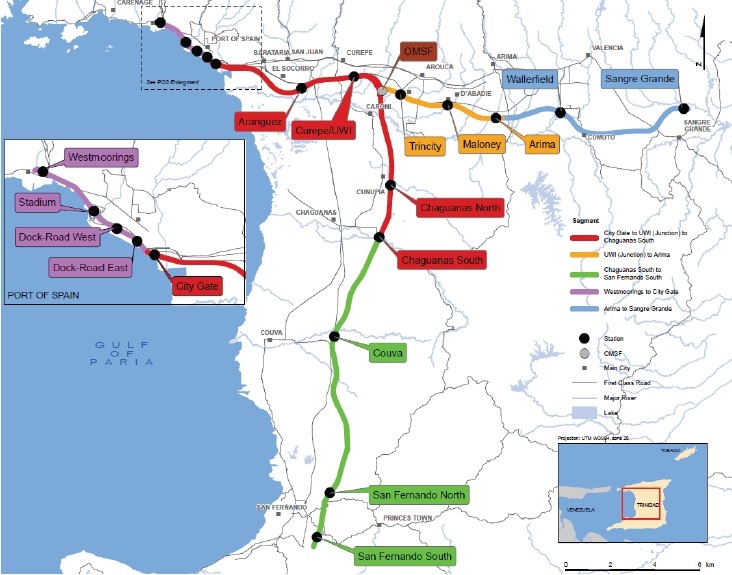
(via Trinidad and Tobago News.)
At some point, you have to wonder if we’re destined to keep making the same choice.
What commuters need is simple: reliable, on-time, affordable transport in a dignified environment. What we get is maxis that wait to fill up, drivers who pick routes, no schedule, no accountability.
And then there’s City Gate.
Walk into Port of Spain’s main maxi hub any weekday morning. The stench from the nearby drains hits you before you even reach the platform. Puddles everywhere after a light rain.
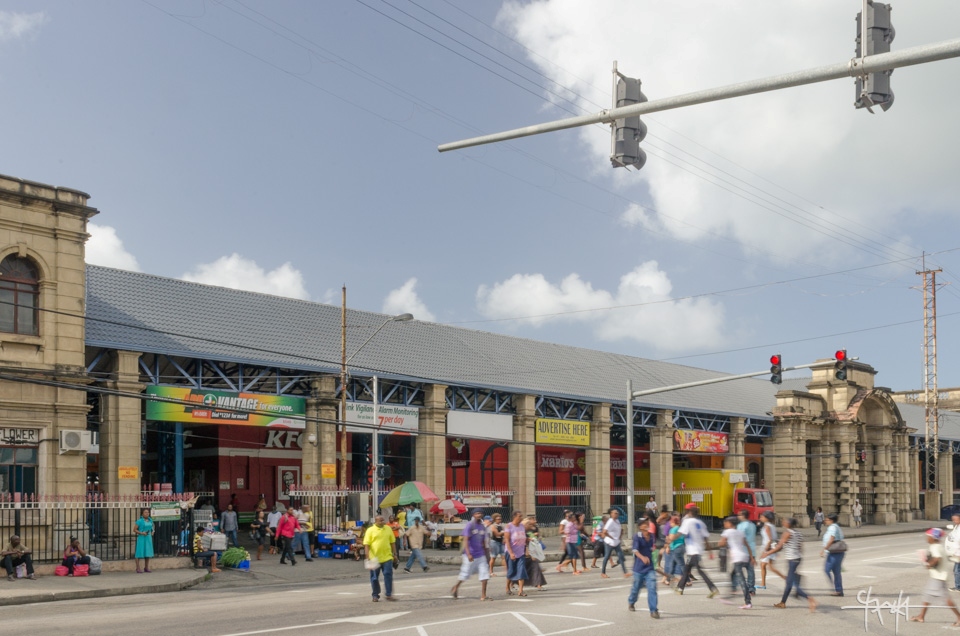
Copyright: Shaun Rambaran.
Broken benches. Overcrowded walkways. Vendors shouting over each other. No shade from the sun. No real shelter from a downpour. Men relieving themselves against walls because there are never enough working toilets.
This is our capital city’s main transportation facility. This is what we call “modern”.
Worse still, because maxis are the primary mode of transport on almost every route, they hold the traveling public to ransom whenever they strike. Little or no warning. No alternative.
Thousands of us left stranded at the side of the road while drivers negotiate with their backs turned to the very people who pay their wages.

Photo: Sean Morrison/ Wired868.
On the other hand, a train system, publicly owned and operated, would never shut down overnight because a few route leaders decided to pull off the road.
Visitors from other Caribbean islands step off the ferry and walk into that chaos and must think we have given up on ourselves entirely. If this is the best maxis can offer at their central hub, what does that say about the whole system?
Frankly, I don’t expect either party to save us anymore. I just wish someone would admit that forty years of maxis being “good enough” has left us all exhausted—and I dare say humiliated.
But since I’m writing this anyway; UNC, you were right to question the cost. But killing the idea wasn’t a solution.
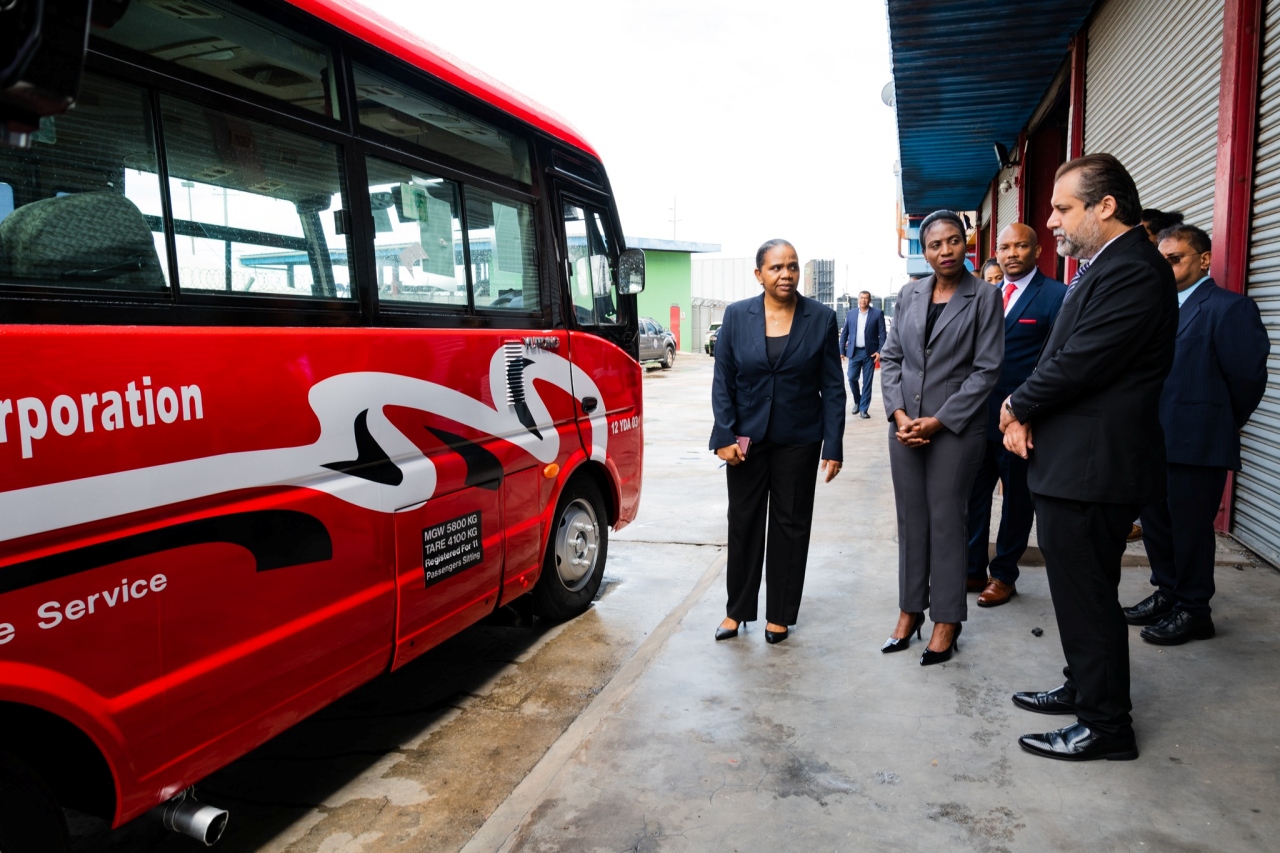
Photo: Ministry of Transport and Civil Aviation.
PNM, then, don’t just blame the opposition. Your original plan was to some extent, secretive and incomplete.
Government today: if you plan to have a rail system, do it clean, transparent and above board. Publish everything and ensure procurement protocols are practice.
Let us see. And maxi drivers, I don’t blame you for protecting your work. Just know the system isn’t working for anyone anymore.
I’m no UNC supporter. But after all these years, I’m too tired to call it progress anymore.
Once again, the calypso fraternity and the nation of Trinidad and Tobago have been plunged into mourning with the passing Read more

I am not a politician. I’m certainly not a senator. I am just a citizen who pays attention. So, when Read more

Today, Trinidad and Tobago, and indeed the Caribbean, bids farewell to a true cultural giant. With the passing of Dr Read more
“[…] It is nothing short of amazing how this current political directorate can go from conceptualization of 30 ‘police post’ Read more
Thirteen years have passed since health care workers, Lake Asphalt employees and other workers last received a salary adjustment. In Read more
Having just celebrated 64 years of independence, discussions as to whether Trinidad and Tobago is better off since gaining independence Read more

Salaah Inniss is an ardent writer with an enthusiasm for bringing insightful views on national issues. He graduated from Cipriani College in Environmental Management, and is presently working in the Integrated Facilities Building Service Industry. He is an empathetic supporter of conservation and the protection of the environment.

The rapid rail was pie-in-the-sky in the days when money was no problem.
With luck, we shall soon have confirmation from Mr Tancoo that we only have enough money to pay parliamentarians until the end of the UNC’s term of office.
Isn’t it too late to consider a rapid rail service? For the five hundred million feasibility study, what were the recommendations?