 Wired868 Wired868 for smart sport news and opinion
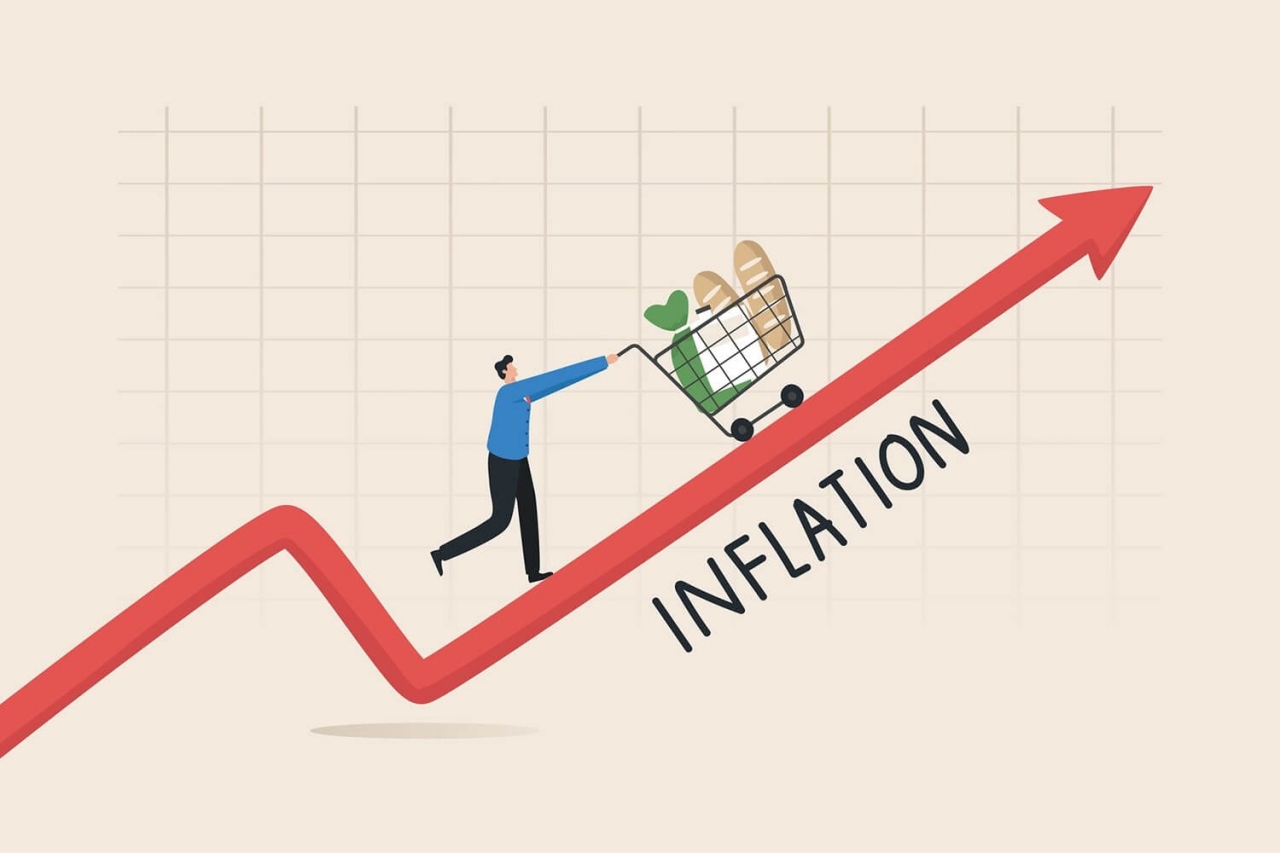
“[…] For neighbouring countries [of war sites], output falls by 10% on average after five years while inflation rises by five percentage points over the same period.
“These results should be particularly concerning for Trinidad and Tobago […] because we are not like the average country in the Kiel Institute study—for two reasons.
“Firstly, in most cases studied in the dataset, the economic ties are not as close as has been between Trinidad and Tobago and Venezuela. Therefore, this estimate of 10% decline in economic output is likely to be higher for T&T…
“The T&T economy contracted by about 8.8% in 2020 during the first year of the Covid-19 pandemic. We are still recovering from this. Imagine what a 10% output decline would look like…”
The following guest column on the potential economic cost of a war between US and Venezuela was submitted to Wired868 by Dr Jamelia Harris, an economist:
War is costly. Immediately we think of the lives lost, infrastructure destroyed, dreams stolen. We only need to look at the images from Gaza, Ukraine, Sudan.
War changes a society. And it rattles economies—not just that of the countries involved in war, but their neighbours.
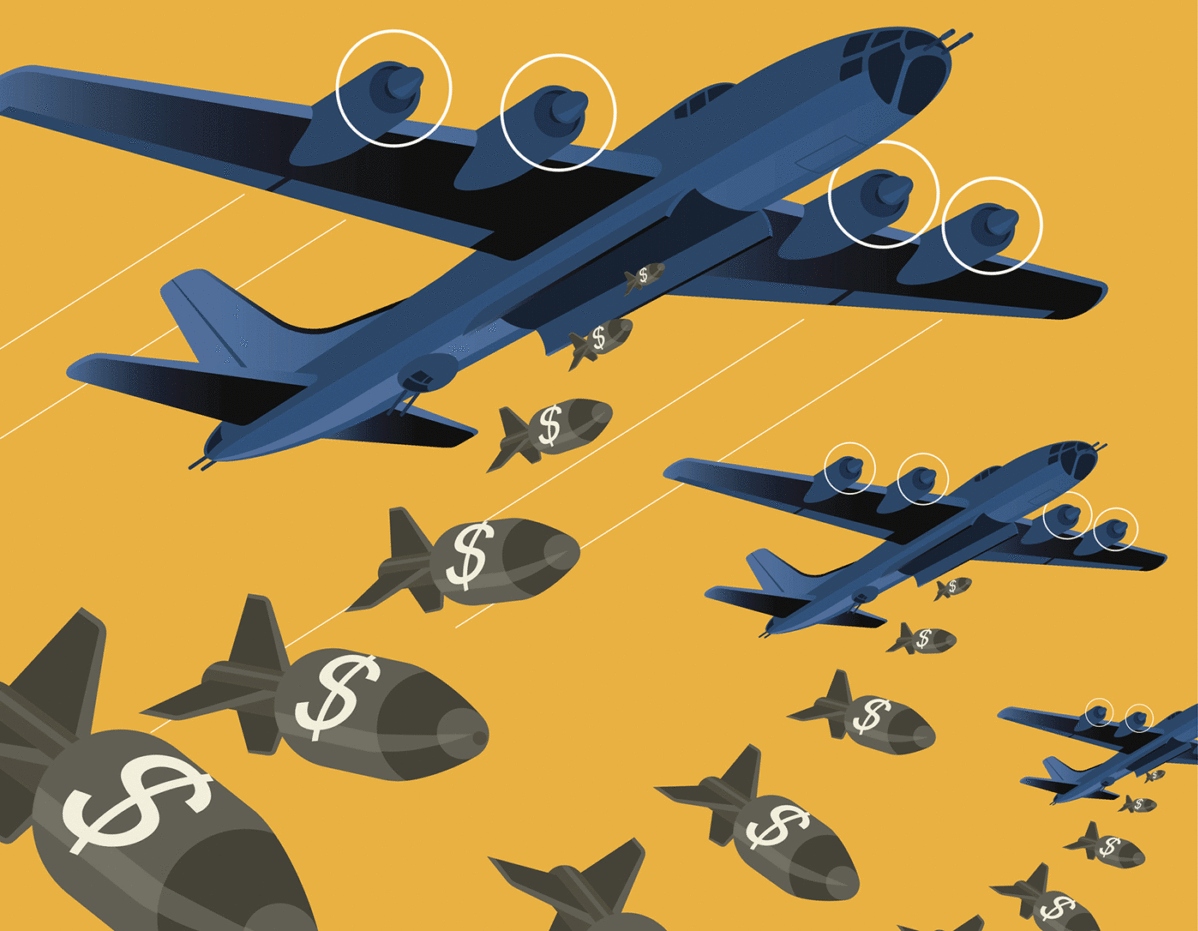
Local commentary has been filled with analysis of how increasing tensions between the United States and Venezuela and the presence of warships in the region can affect our Trinidad and Tobago. And rightly so, we should have cause for concern.
The risks are clear. The rewards for us less so, partly because they have not been articulated to the population.
A recent study by the Kiel Institute in Germany quantify the economic cost of war, using data from more than 150 wars since 1870. According to the findings, in war sites, economic output (GDP) falls by 30% on average and inflation rises by about 15 percentage points over five years.
Furthermore, non-belligerent third countries also bear high costs, especially the neighbouring countries of war sites. For neighbouring countries, output falls by 10% on average after five years while inflation rises by five percentage points over the same period.
These results should be particularly concerning for Trinidad and Tobago. We should be more concerned because we are not like the average country in the Kiel Institute study—for two reasons.
Firstly, in most cases studied in the dataset, the economic ties are not as close as has been between Trinidad and Tobago and Venezuela. Therefore, this estimate of 10% decline in economic output is likely to be higher for T&T.
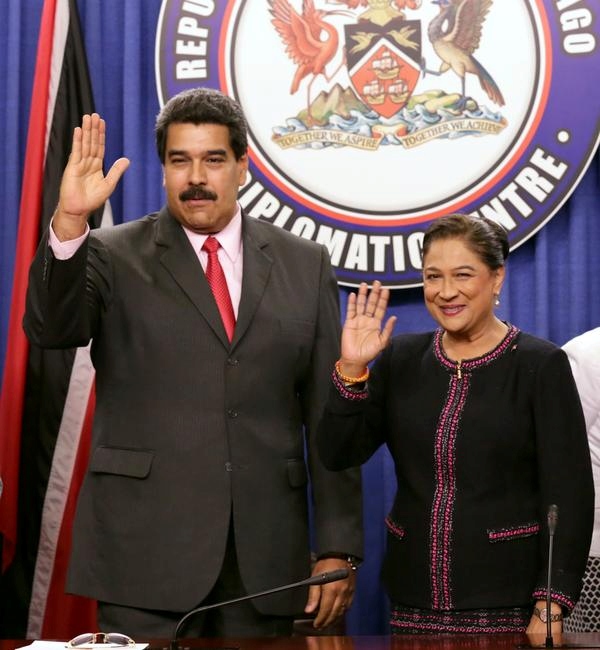
Evidence of this can already be seen as the Venezuelan authorities have suspended energy deals with T&T. We need not be reminded on the significant role the energy sector plays in our economy. Our fishermen have also been limited in their ability to ply their trade.
The T&T economy contracted by about 8.8% in 2020 during the first year of the Covid-19 pandemic. We are still recovering from this.
Imagine what a 10% output decline would look like. Or rather feel like—for those who lose jobs, the businesses that close, the households that struggle to feed their families.

Photo: Ghansham Mohammed/ GhanShyam Photography/ Wired868.
A 10% decline in output would mean a 100% drop in income for many. This is not just an economic cost, but one which will have wider social ramifications.
Secondly, the estimates above assume a “non-belligerent neighbour”. In other words, a non-aggressive neighbour. One can assume that an aggressive neighbour would feel the effects even more, beyond the 10% output decline and 5 percentage points increase in inflation estimated.
Is Trinidad and Tobago a non-belligerent neighbour? Venezuela would surely argue otherwise, having recently declared our Prime Minister “persona non grata”.
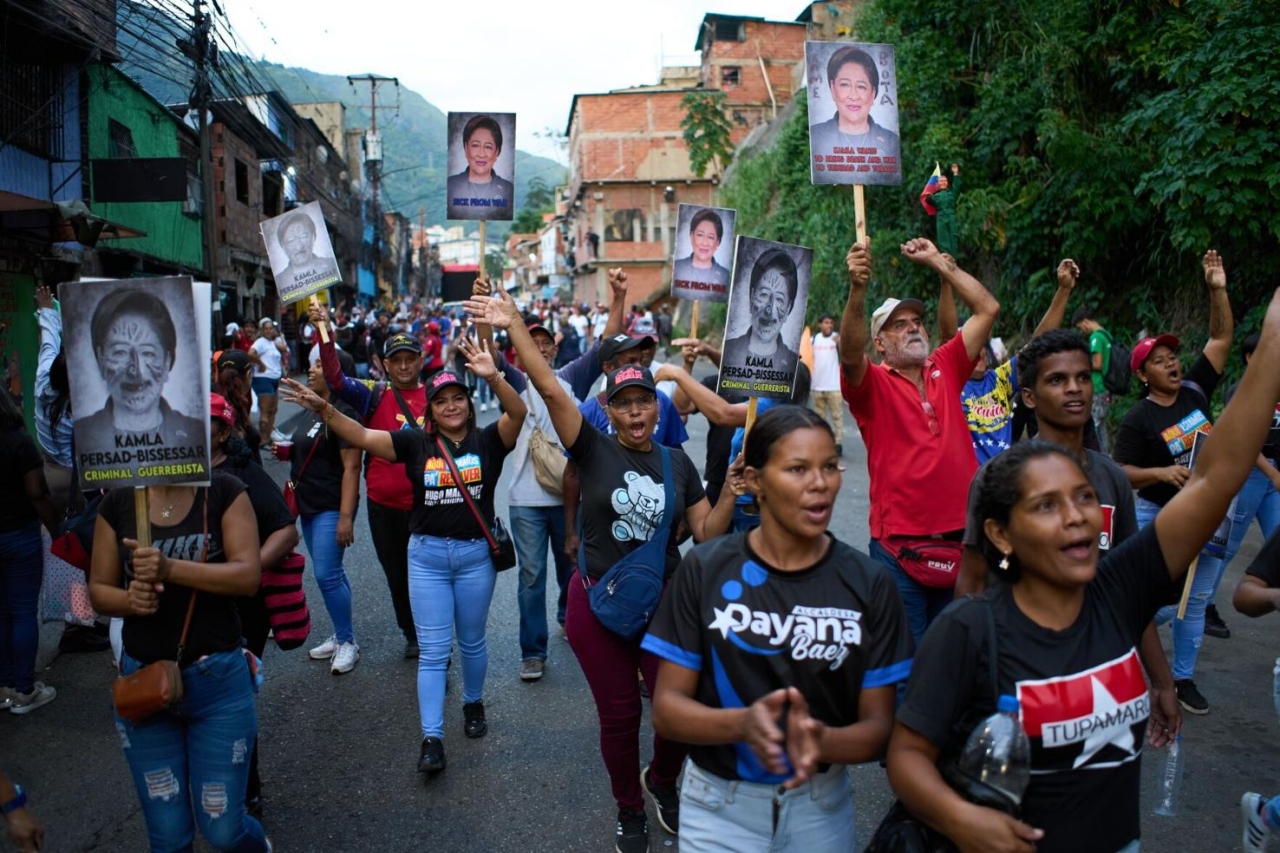
Photo: Chronicle Online.
The Kiel Institute study is quantitative: it measures economic fallout with hard numbers. What is less measurable is the loss in confidence that will result from this situation.
Our Caricom brothers and sisters will begin to lose confidence in us. Trinidad and Tobago has always been integral to the Caricom project and Caribbean identity—the Treaty of Chaguaramas, which established Caricom in 1973, was signed in T&T.
From the economic standpoint, we can only hope this does not affect trade. Caricom remains one of the biggest markets for exports, particularly manufactured products.

Trinidad and Tobago companies export millions worth of products to Caricom neighbours.
Photo: Randy Brooks/ CPL T20 via Getty Images.
Investors will begin to lose confidence in us. Investors, once concerned with crime and corruption, will now add regional tension and shifting foreign policy stance if the government changes to the list of concerns.
We have entered uncharted waters. Since 1962, when we became an independent nation, our stance as a neutral country has held firm until now.
So, if war is so costly, why is war a permanent feature of history? Afterall, the data used in the Kiel Institute study is based on 150 wars since 1870—that is an average of almost one war per year.
Some economies grow during war. For example, both Russia and Israel have maintained growth of between 3 – 4% between 2023 and 2024. Same for the US between 2003 and 2005, with the 2003 Iraq invasion.
In these cases, growth is largely fuelled by war spending and limited costs to these countries as the war is not fought on home soil. The USS Gravely has docked in T&T.
In 1992, Singing Sandra sang that “nobody wins a war”, yet the war goes on. Some economies win. Large economies. Economies of superpowers who are looking for more power.
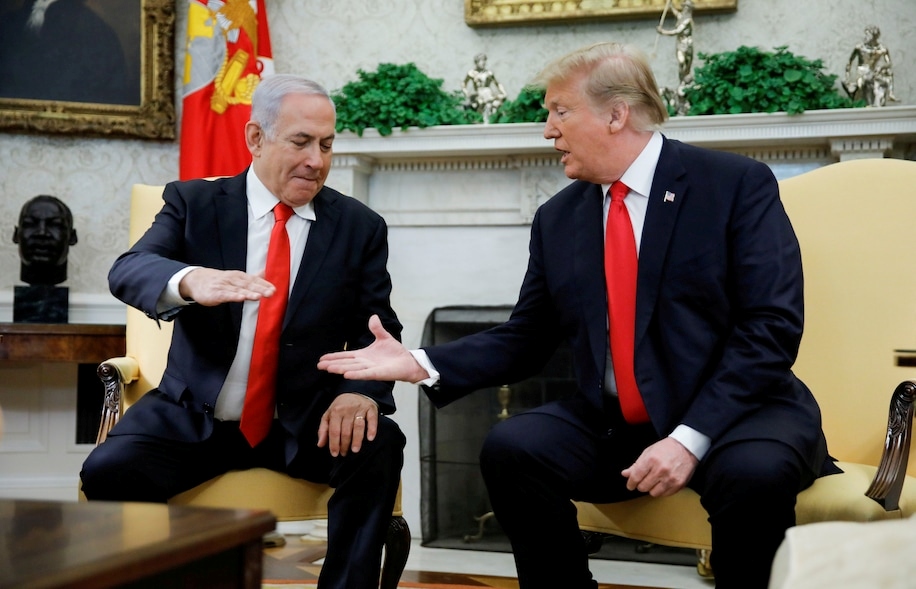
Photo: Washington Post.
Unfortunately for us, based on the research, the same cannot be said for neighbouring countries—particularly small belligerent ones.
I am not a politician. I’m certainly not a senator. I am just a citizen who pays attention. So, when Read more
There is an old adage that says: “a wise man learns from the mistakes of others, while a fool learns Read more
Having just celebrated 64 years of independence, discussions as to whether Trinidad and Tobago is better off since gaining independence Read more
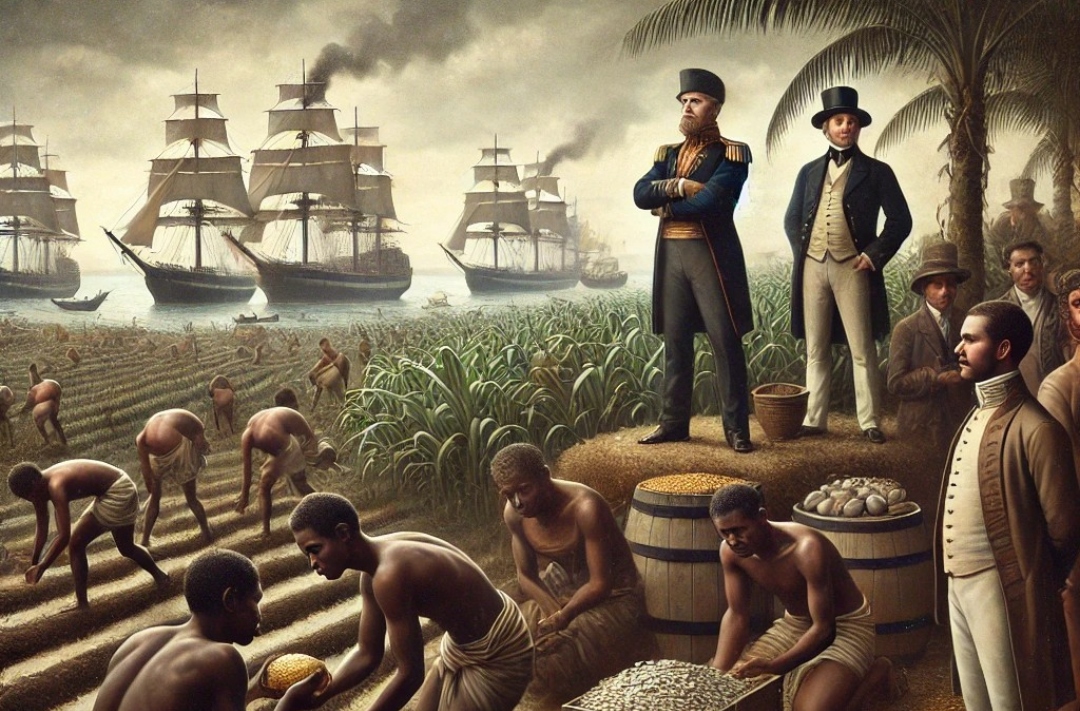
“[…] To the ‘UNC family’ she offers the old tired hymn: lagoons, cane fields, salt and rice, ponds and springs—the Read more

Some years ago, I lived and worked in Sierra Leone. I arrived in the capital, Freetown, just ten years after Read more
Three thousand dollars a month. That’s the minimum National Insurance pension a citizen receives after a lifetime of work. It’s Read more

Dr Jamelia Harris is an economist and Assistant Professor at the University of Warwick. She studies and has written on the labour market, public finance and development policy in Africa and the Caribbean. She is a double President’s Medal recipient and holds a PhD from the University of Oxford.