 Wired868 Wired868 for smart sport news and opinion
There is a phrase patients love to hear. And one that doctors are quietly relieved to say.
“Your blood tests are normal.”
It lands gently. Reassuring. Final. Almost like a verdict in your favour. You’re fine. Sometimes, you’re not.

(via Umanitoba.ca.)
Because “normal” is one of the most comforting words in medicine. And one of the most misleading.
In clinics across the world, this scene plays out every day.
A patient sits across from you. Not acutely ill. Not in crisis. But not quite right either. They are tired. Sleep is poor. Stress is constant. Weight has crept up quietly over the years. There is a heaviness they cannot fully explain.
They have come because something feels off.
So, we do what medicine has trained us to do.
We investigate. Blood tests. Numbers. Panels. Markers. And then the results return.
Normal.
The conversation pauses. Sometimes it ends. But the story does not.
I have seen this patient before.

The heart attack that “came out of nowhere”.
The stroke in someone who was “perfectly fine”.
But it was never nowhere.
It was building quietly… in the space we called normal.
Because “normal” is not the same as healthy.
It is not a guarantee. It is not a certificate of wellness. It is simply a statistical range… a band of values derived from populations where many people are already on the path toward disease.

(via Castlegate and Darwent Surgery.)
So when we tell a patient that everything is normal, what we are often saying is something much narrower:
Nothing has crossed a line. Yet.
And therein lies the problem.
Modern medicine is remarkably good at identifying disease once it declares itself. We can detect it, measure it, classify it and treat it with increasing precision.
But we are far less comfortable with the space that comes before that.

(via Vecteezy.)
The slow, quiet decline. The years where the body is subtly changing without triggering alarms.
This is where many patients live.
And it is where “normal” becomes dangerous.
Because it creates a quiet misunderstanding.
The patient leaves thinking nothing is wrong. The doctor feels reassured that nothing serious has been missed. And the body… continues its gradual drift.
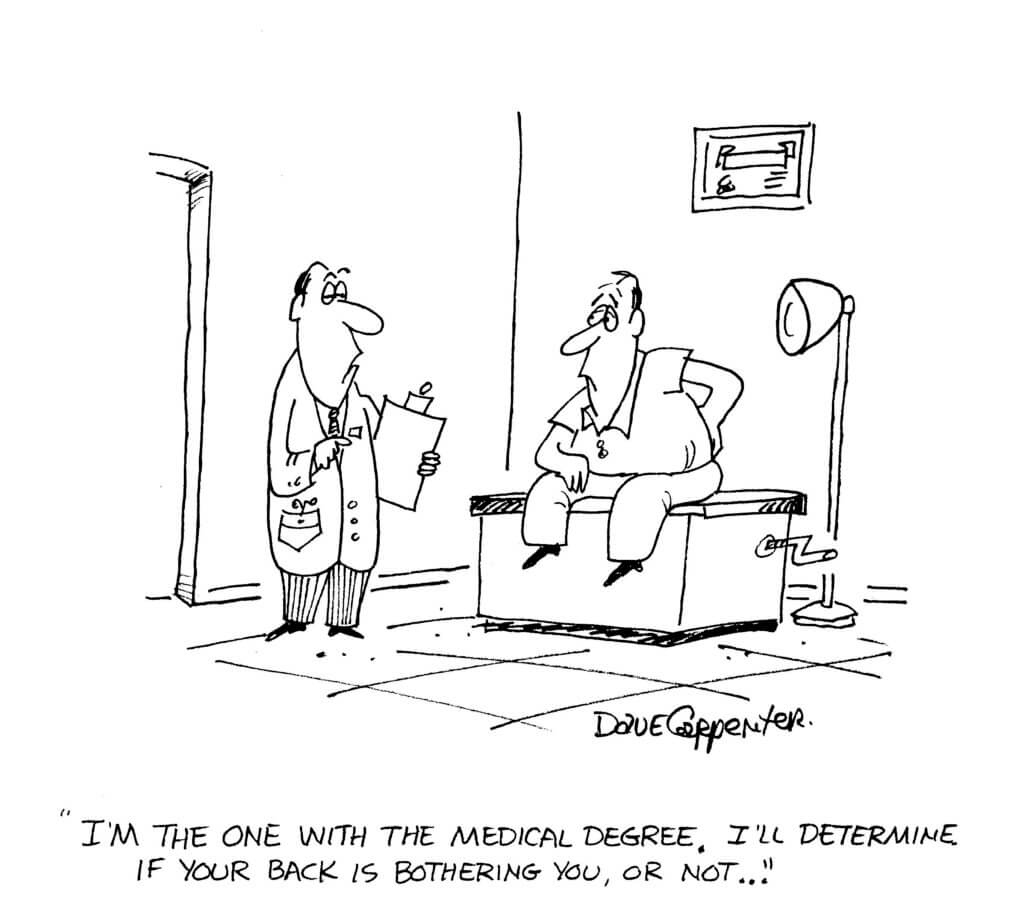
We like to think of illness as something that arrives dramatically. A heart attack. A stroke. A diagnosis that changes everything overnight. But most chronic disease does not begin that way.
It begins invisibly.
Blood sugar rises—just a little at first. Blood pressure inches upward. Cholesterol edges higher. Sleep becomes fragmented. Stress becomes constant.
Each change small enough to remain within the comforting boundaries of “normal”.
Until, one day, it isn’t. And by then, the trajectory has already been written.

(via Penn Capital Star.)
We have built a system that reacts to thresholds. Numbers that cross lines. Values that trigger labels. Cut-offs that transform uncertainty into diagnosis.
Diabetes at one number. Hypertension at another. Cholesterol above a certain point.
But the human body does not respect these neat divisions.
It does not wait for permission to become unwell.
A patient can sit in front of you with “normal” blood tests and still be metabolically strained, mentally exhausted, physically declining in ways that are not yet captured by a laboratory report.
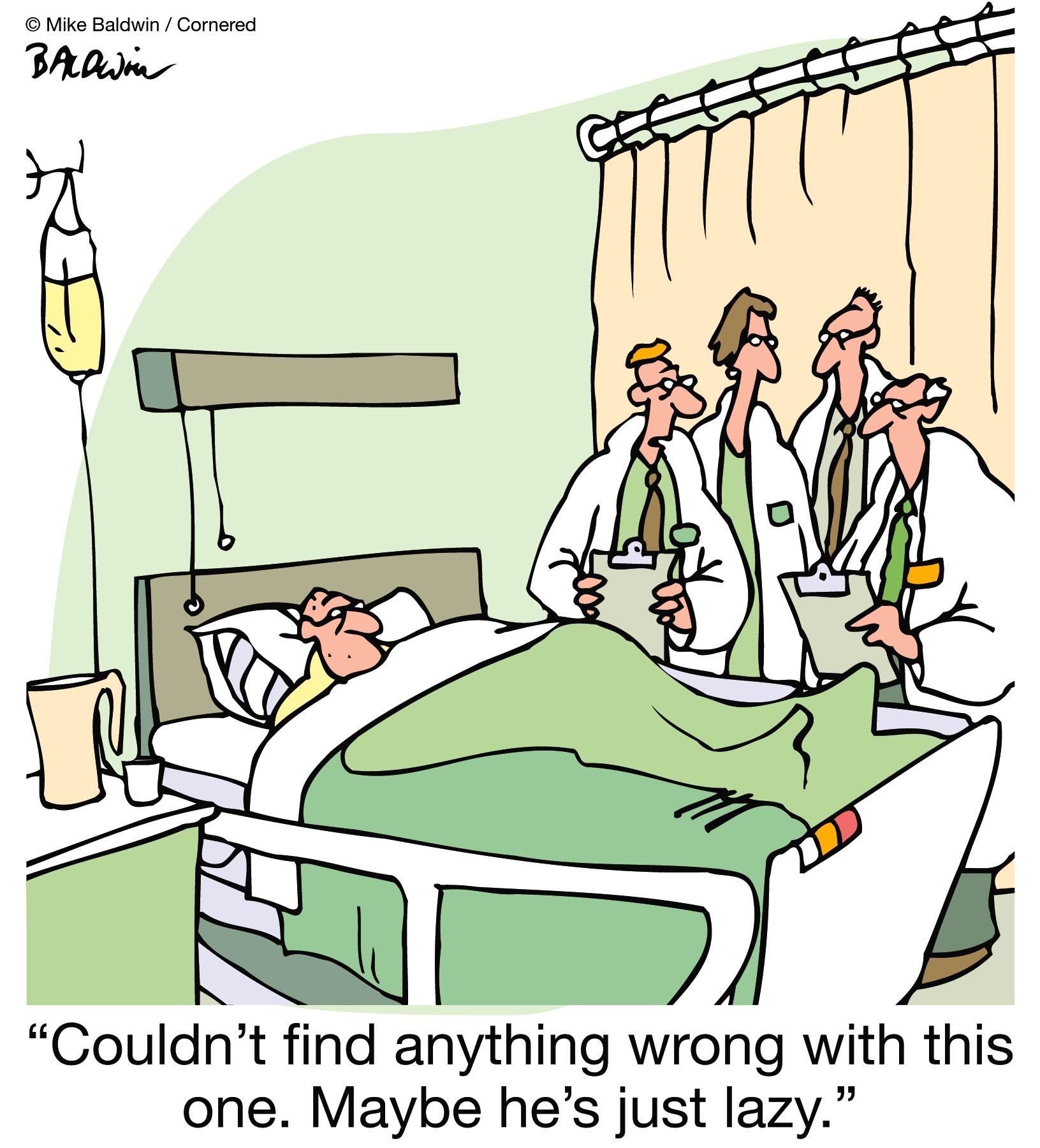
The patient who insists something is wrong—but whose tests are repeatedly normal. The quiet frustration in their voice. The subtle loss of trust when they feel unheard.
And sometimes, months or years later, the diagnosis finally emerges—no longer subtle, no longer reversible.
We did not miss it because we were careless.
We missed it because we were looking for the wrong signal.
The art of medicine has always been about more than numbers.
It is about patterns. Trends. Stories. The ability to recognise when something is changing, even if it has not yet crossed a defined boundary.

(via WSJ.)
It is about listening to what is felt. Because health is not simply present or absent. It is something that shifts over time.
It is shaped by sleep, stress, diet, environment, relationships and the quiet accumulation of daily habits.
And many of these things do not show up on a blood test. At least, not immediately.
This is not an argument against testing. Far from it. Blood tests are invaluable. They guide us. They protect us. They save lives.
But they are not the whole picture. They are a snapshot.
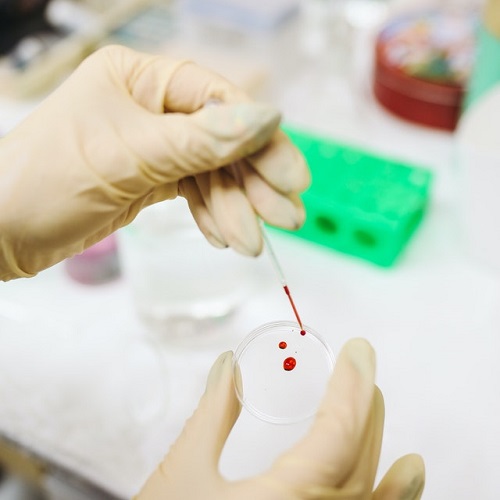
And a snapshot, however clear, cannot tell you where the story is going.
That requires context. It requires conversation. It requires time. It requires a willingness to look beyond the reassuring simplicity of “normal” and ask a more difficult question:
How well are you, really?
Because the goal of medicine is not simply to detect disease once it has arrived. It is to preserve health before it is lost.
And that means paying attention to the quiet signals—the ones that do not yet have names, the ones that sit just beneath the surface of what we can measure.

(via Trinity Health of Ne.)
“Normal” is a useful word.
But it is not a safe one.
Not on its own.
Because in medicine, the most dangerous place to be is not always clearly ill. It is not even borderline. It is that deceptive space where everything appears fine… while something important is slowly slipping away.
We often wait for numbers to rise before we act.
Unfortunately, the body does not wait with us.
|
Wired868 has provided readers with solid, independent journalism since 2012. If you appreciate our work, please contribute to our efforts. Support Independent Journalism |

The prescription for healthy living was flawless, if I do say so myself. Grilled fish, fresh vegetables, fruits bursting with Read more
Covid-19 was a masterclass in socioeconomic inequities but heatwaves have also ignited pervasive disparities in our society. The elderly, those Read more
World Suicide Prevention Day is observed annually on 10 September. The international theme for 2024 to 2026 is “Changing the Read more

In the days before the new academic year begins, the quest for books, uniforms and shoes continues. Health is often Read more

This Independence Day, Trinidad and Tobago turns 64. If the country were one of my patients, this would be about Read more

The third scalding shower before breakfast was not for cleanliness. It was the only place the young man stopped vomiting. Read more