 Wired868 Wired868 for smart sport news and opinion
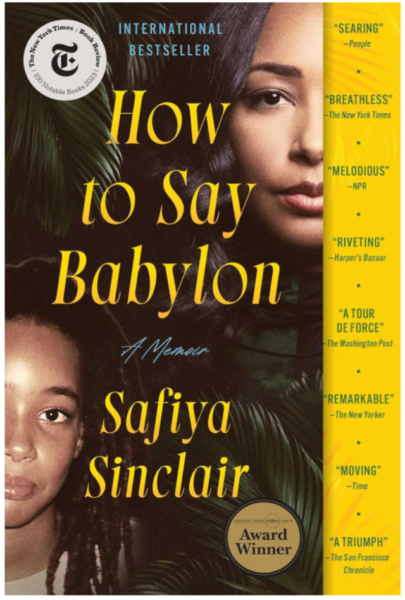
The life that Safiya Sinclair describes in How to Say Babylon bears many similarities with lifestyles throughout our region. I have heard enough stories to convince me.
The specific nature of her relationship with the Rastafari culture can easily be transferred to fit the widespread value systems that allocate superior status to the concepts of manhood.
Women as property. Women as housekeepers, as mothers, as servants, destined to do their master’s bidding.
She writes about her grandfather and his numerous children, disappearing for long periods to return with a new pickney for her mother to look after.
“Every few months her father would return with a new whimpering child in tow, drop them off at the village’s doorstep, and disappear again, leaving children like little land mines in his wake.”
Her mother was but a child herself.
“By the time she was eight years old, my mother had fallen into the permanent role of housekeeper, cook and laundry maid in her stepmother’s house.
“As she got older and her father’s countless wives came and went, it fell to her to raise her many half brothers and sisters, which she did without complaint, cooking and cleaning and bathing all who she could not bear to see helpless and uncared for. She has been warming the world with those hands ever since.”
Although her mother averted her eyes and stayed silent at some of her most traumatic moments, Sinclair remains steadfast in her appreciation of her love and support, which ends up leading to her own liberation—in fact, liberation for both of them.
There are several episodes of crazed violence—things I also witnessed as a child—but these were directed towards her. On one occasion, she was brutally whipped for saying she did not like a pair of shoes.
“Yuh think yuh too good?” he asked, whipping me again. I buckled as the belt slashed across my back. “No!” I screamed.
The belt tore at my skin, stinging through my shirt. His hands rose again to the ceiling and came hammering down on me. I tried to brace the lashes with my hands.
“I couldn’t see my mother but I knew she was behind me, somewhere in the archway, somewhere out of sight. I willed her to come to my rescue as I cried out. I man sick of yuh,” my father yelled, whipping the belt into my back I shrieked out guttural animal sounds.
This went on for a long time until he was spent. She could not understand her mother’s unresponsiveness. It left her shattered.
“Seeing myself in the mirror then, I knew I was nothing. Deserved nothing. I was smaller than a speck of filth in the eye of God, aching to be washed away in its hurricane, to let go of the rotted driftwood I was grasping, and finally drown.
“I sat with myself and drank this loneliness instead, digging my fingernails into my wrist, and turning away from my brother’s soft knocks on the door.”
These episodes, the misery and self-loathing they engendered, are not uncommon in one way or the other to the lives that have been fractured by demented parents.
The memoir does not wallow in misery, though. It is also full of beautiful memories, which I suppose make the darkness all the more poignant. The childhood she recalls is enviable.

“The sea was the first home I knew. Out here I spent my early childhood in a wild state of happiness, stretched out under the almond trees fed by brine, relishing every fish eye like precious candy, my toes dipped in the sea’s milky lapping.
“I dug for hermit crabs in the shallow sand, splashed in the wet bank where stingrays buried themselves to cool off. I slept under the ripened shade where the sea grapes bruised purple and delicious, ready for sucking.
“I gorged on almonds and fresh coconut, drinking sweet coconut water through a hole my mother gored with her machete, scraping and eating the wet jelly afterward until I was full.
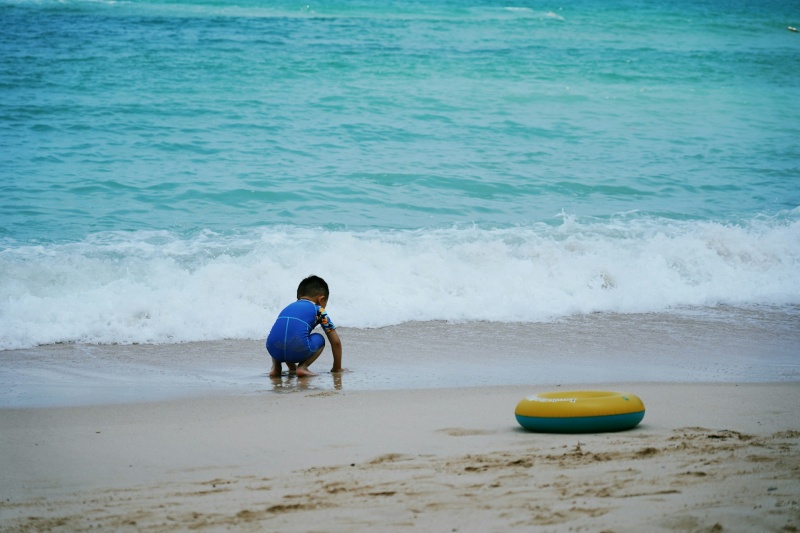
“Each day my joy was a new dress my mother had stitched for me by hand.”
Sinclair’s use of language and imagery is arresting. Sentences go on and on in a mad poetic rush. Whether it is pain or pleasure, she enunciates every word with a clarity that is breathtaking. It is writing at its finest, and that was one of its allures for me.
There were many moments when I had to go back and read a paragraph again just to savour its artistry. Yet, it never felt contrived. It was also one of the reasons for my reticence about a review.
How could I find the confidence to try to evaluate this work?
I admire the courage it took to write a memoir that reached into deeply private spaces to share a story that could be painful for those involved.
I understood the kind of catharsis it must have provided. I have often said that reading has been my salvation and writing my saviour.
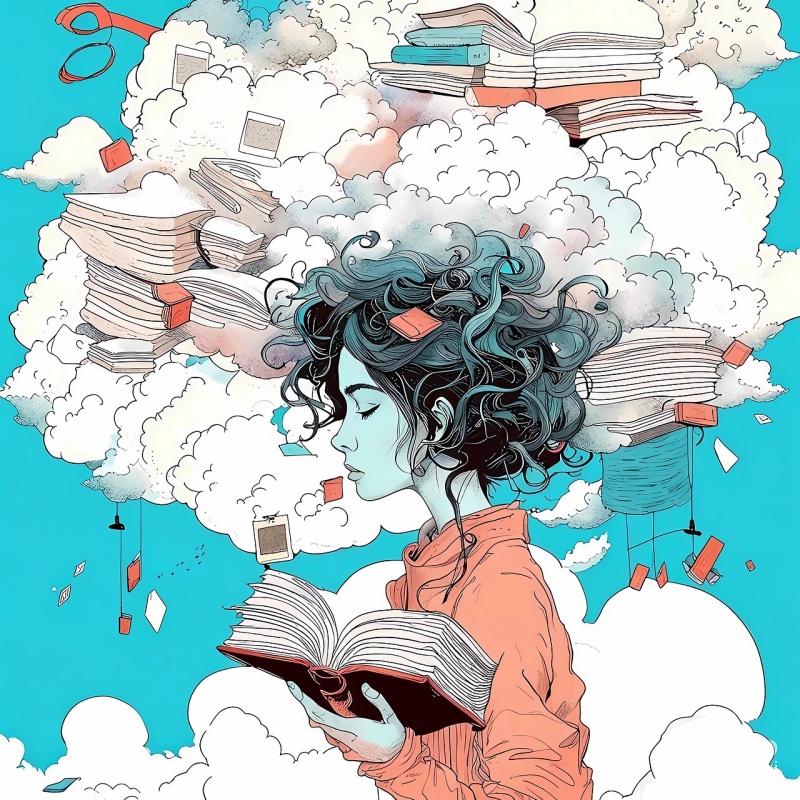
One of the reasons I wish more people would turn to reading is how much it offers to the imagination and how it feeds the soul.
Had it not been for my love for books, I doubt I could have processed my life story productively. I suspect I would have ended up living in gloomy shadows, groping towards elusive light.
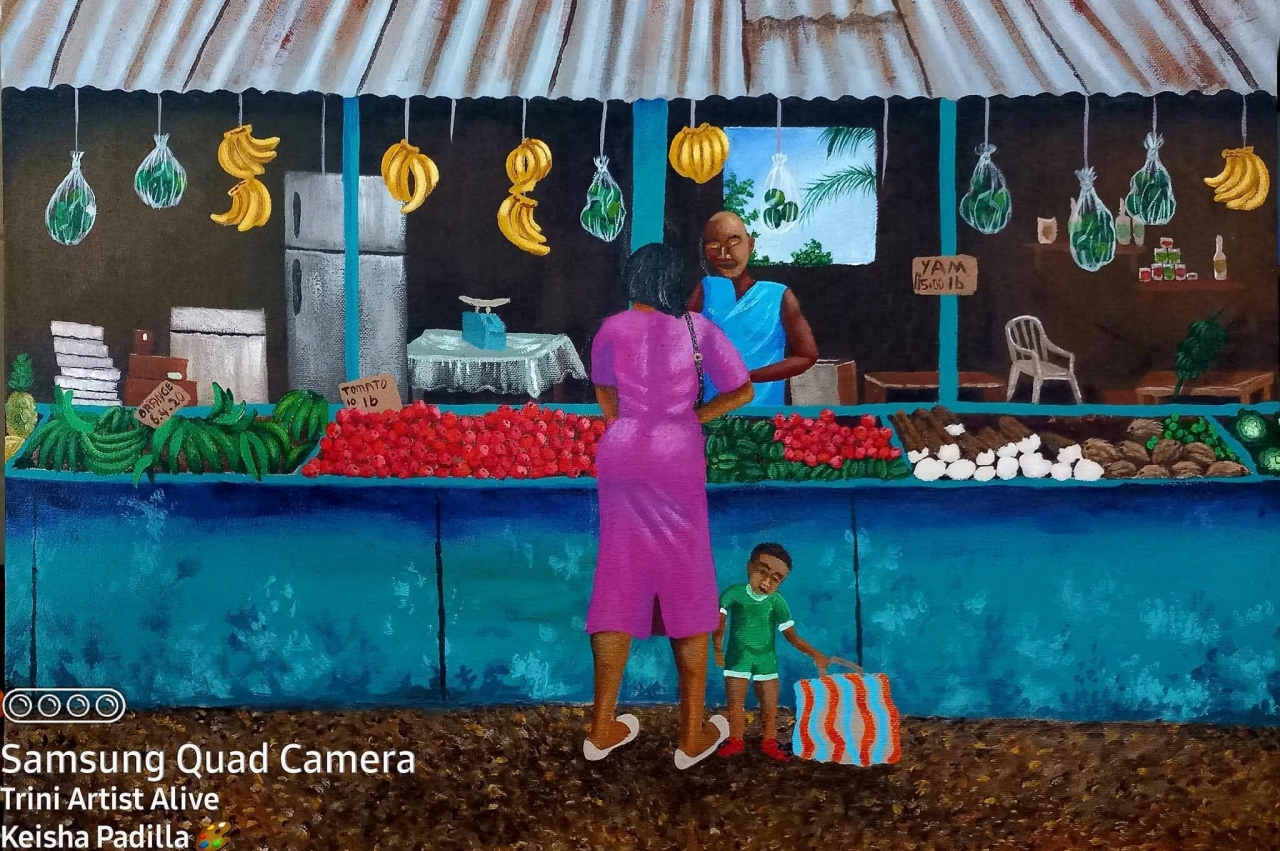
No matter how thrifty I am, it is a challenge to manage the high cost of living. Working from home Read more

This Independence Day, Trinidad and Tobago turns 64. If the country were one of my patients, this would be about Read more

The third scalding shower before breakfast was not for cleanliness. It was the only place the young man stopped vomiting. Read more

Men will discuss chest pain, blood in the urine and constipation with surprising courage. Erectile dysfunction often arrives in a Read more

Coffee and chocolate have spent years in and out of medicine’s good books. One month, coffee is blamed for palpitations, Read more
When I reach into the freezer for something from my hoard of cooked dishes, I am often reminded of the Read more
Vaneisa Baksh is a columnist with the Trinidad Express, an editor and a cricket historian. She is the author of a biography of Sir Frank Worrell.
Raw and unapologetically real. The common horror story of normalised child abuse seen as a Caribbean parenting. When you revisit it from educated eyes, you see how PARASOCIAL and DISORDERED it is.