 Wired868 Wired868 for smart sport news and opinion
The photographs were difficult to ignore.
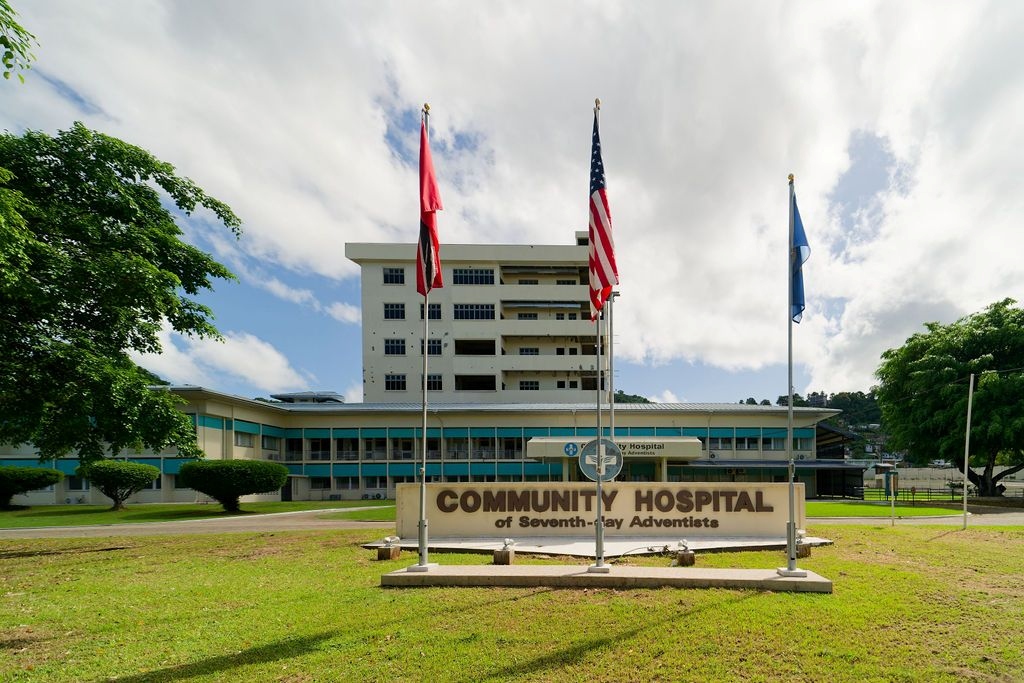
Long lines outside the Seventh-day Adventist Hospital. Elderly patients waiting patiently in chairs. Family members guiding parents and grandparents through crowds. Faces filled with hope, anxiety and exhaustion.
All for cataract surgery.

(via Ian Alleyne page.)
- Not cosmetic surgery.
- Not experimental treatment.
- Not some futuristic robotic procedure available only in elite centres abroad.
Cataract surgery.
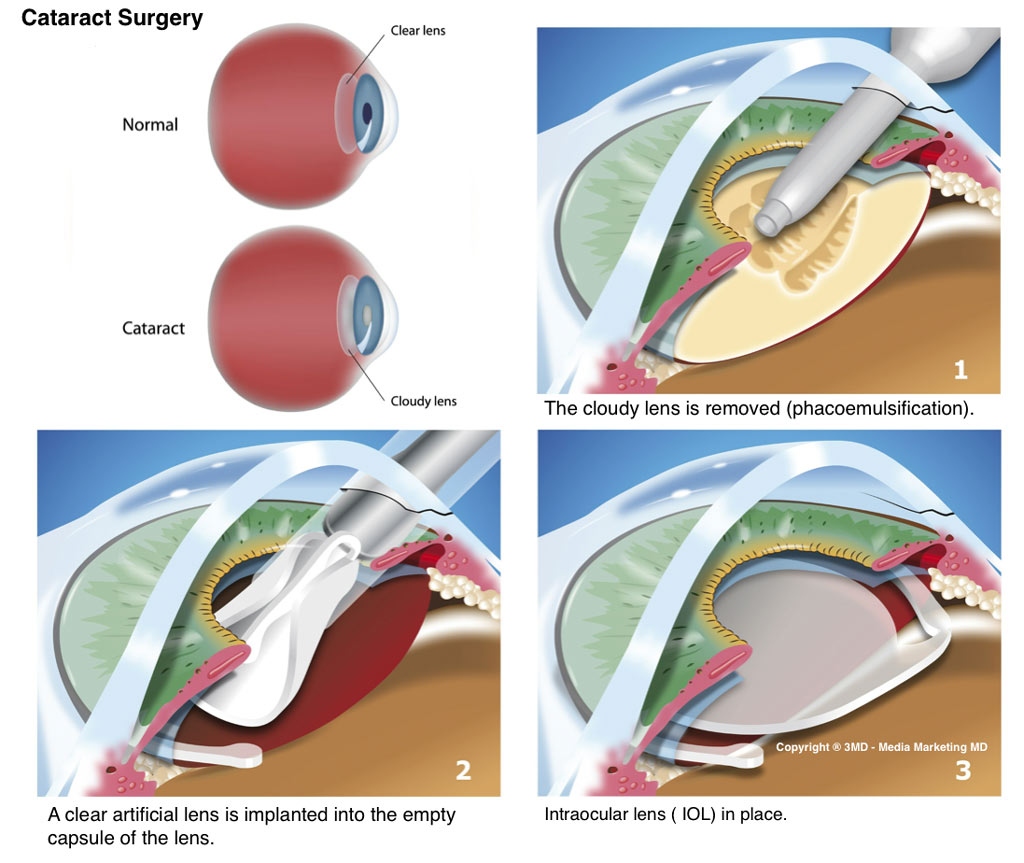
One of the oldest, safest and most successful operations in modern medicine. The scenes felt both inspiring and deeply troubling at the same time.
Inspiring because restoring sight is among the most beautiful things medicine can do. There are few moments more moving than seeing a patient recognise faces clearly again, return to reading, regain confidence walking independently or simply look at loved ones without the fog that cataracts slowly impose over life.
Troubling because the sheer size of the crowd raised uncomfortable questions about access to our healthcare.
This is a country that constantly reminds citizens about its resources, development and progress. Yet hundreds appeared willing to wait for hours for the chance to access surgery that can dramatically improve quality of life in under thirty minutes.
Cataracts are not rare. They are part of ageing itself. Over time, the natural lens of the eye gradually becomes cloudy.
Vision dims. Colours lose brightness. Driving at night becomes difficult. Reading becomes frustrating. Glare from headlights suddenly feels unbearable.
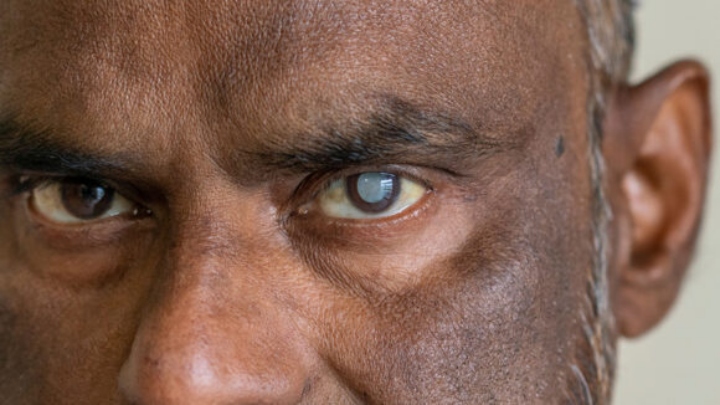
(via Sight Savers.)
Most people adapt quietly at first.
A brighter bulb in the kitchen. Larger font on the phone. Sitting closer to the television. Asking relatives to read labels in supermarkets. Avoiding driving after sunset.
The world becomes blurrier slowly enough that many people do not realise how much vision they have lost until they finally see clearly again after surgery.
That is what makes cataract surgery so extraordinary. Patients often emerge amazed at how vivid colours appear. Some are shocked to discover their walls are not cream but white. Others suddenly notice stars again while driving home.
And yet the crowds outside the outreach programme suggested there are many citizens living in avoidable visual disability while waiting for access.

That should concern all of us. Poor vision changes how people move through the world.
An elderly patient with worsening cataracts may stop driving long before surgery becomes available. Falls become more likely. Independence shrinks. Confidence disappears. Isolation quietly grows.
It also affects families. Sons and daughters become unofficial chauffeurs. Grandchildren help with reading medication labels. Relatives begin guiding loved ones across roads and through crowded spaces.
Sometimes the decline happens so gradually that entire households adapt around it without fully recognising what has been lost.
Naturally, the outreach itself deserves praise. The ophthalmologists, nurses, organisers and volunteers involved should be commended. Restoring sight to people who genuinely need help is meaningful work in every sense.
But gratitude should not prevent difficult questions.
Why was the demand so enormous?
How long are cataract waiting lists nationally?
How many patients remain undiagnosed or untreated?
How many elderly citizens are quietly sitting at home seeing far less than they should?
And perhaps most importantly, why did so many people feel this outreach represented their best chance to receive care?
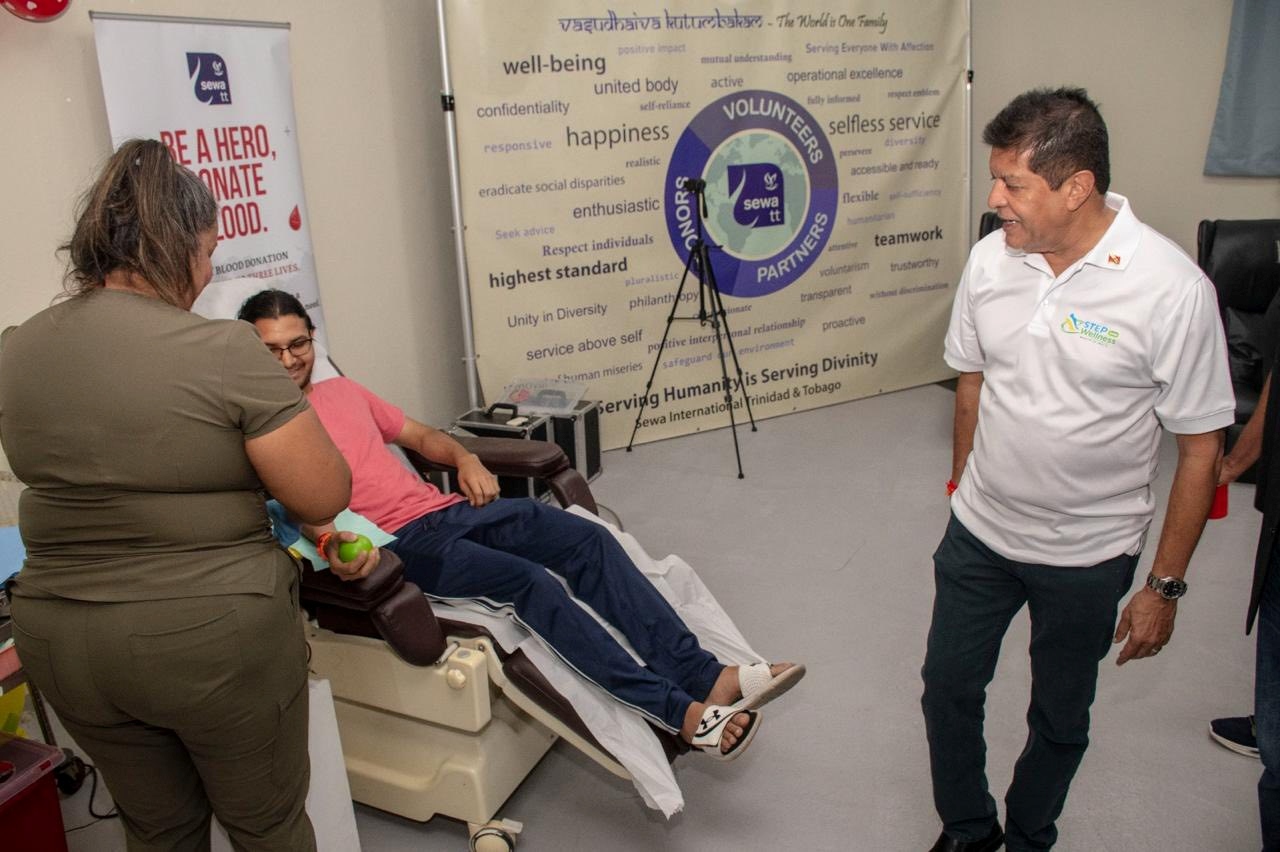
Photo: Ministry of Health.
These questions are not criticisms of healthcare workers. Most doctors and nurses already know the strain under which the system operates. Clinics are overcrowded. Theatre time is limited. Staffing shortages are real. Surgical equipment is limited. Public sector demand continues to grow.
Still, the images matter.
The measure of a healthcare system is not the number of press conferences it produces. It is whether ordinary citizens can access timely care without desperation becoming part of the process.
The irony is that Trinidad and Tobago possess excellent ophthalmologists. We have highly trained specialists performing modern cataract surgery every day with excellent outcomes. Which makes the crowds even harder to ignore.
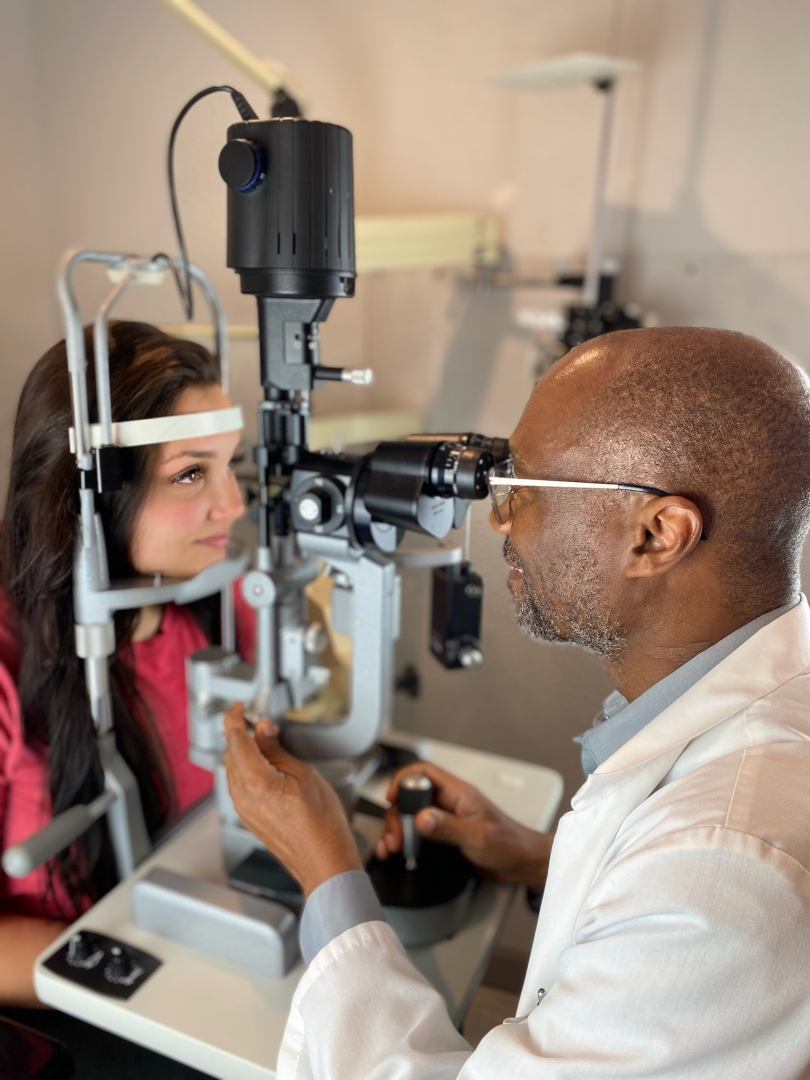
(via Dr Burke Eyecare.)
This may not primarily be a problem of expertise. It may be a problem of access, organisation and capacity.
There are also practical concerns that deserve open discussion whenever large-scale surgical outreach programmes occur.
Were patients formally registered into systems for follow-up?
Who manages complications if they arise afterwards?
Who handles postoperative infections, inflammation or unexpected visual problems?
Modern cataract surgery is extremely safe, but no surgery is risk-free. Good medicine is not simply about performing procedures. It is about continuity of care afterwards.
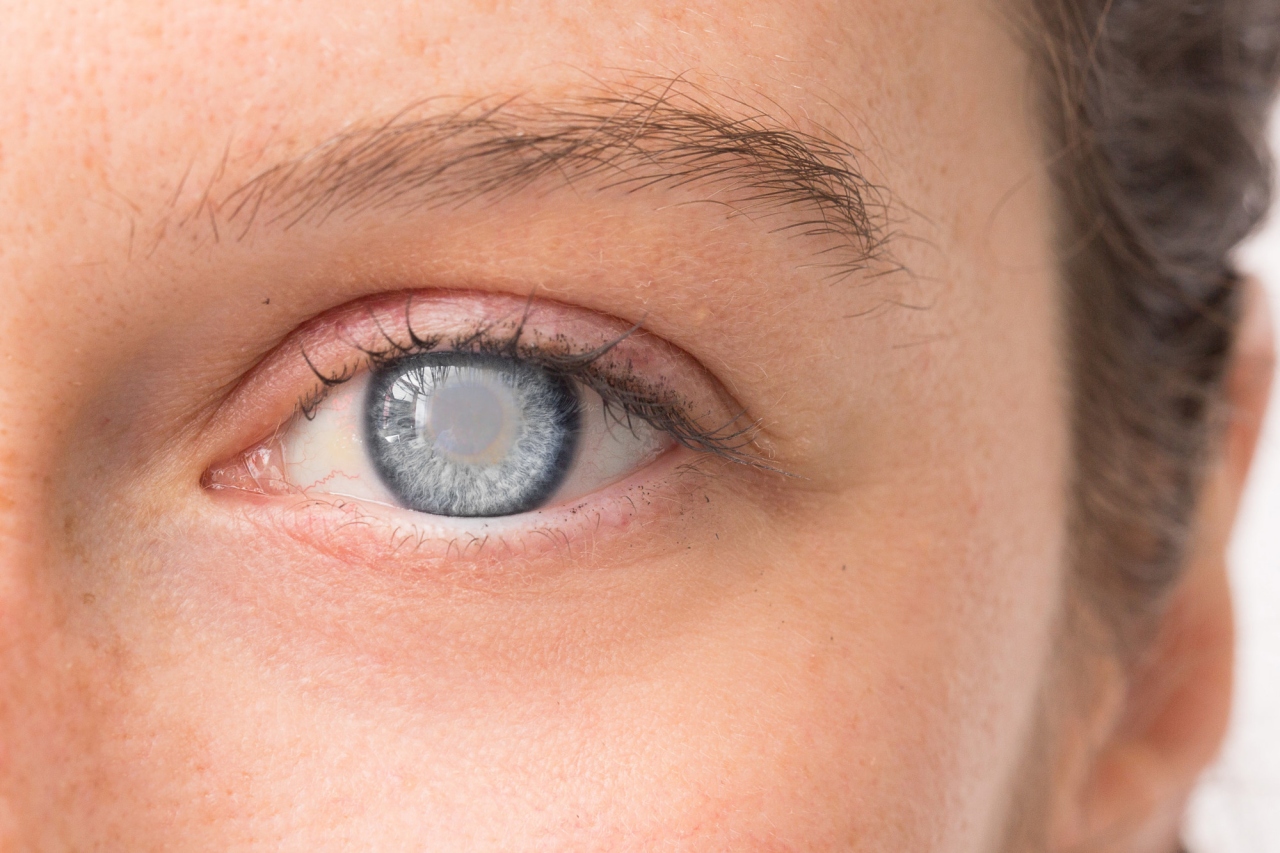
(via CCTEyes.com.)
One hopes local ophthalmologists and institutions monitor outcomes carefully and report back transparently. Not because anyone expects catastrophe, but because accountability matters. If outcomes are excellent, that should be celebrated publicly. If challenges arise, they should be addressed openly.
Medicine functions best when trust and transparency coexist.
The scenes outside the hospital also revealed something deeply human about this country.
Despite all the public frustration with healthcare, citizens still believe help is possible. People will wake up before dawn, stand in long lines and wait patiently in heat and discomfort if they believe there is a genuine chance their lives may improve.
Hope remains one of the most powerful forces in medicine.
And sight is deeply emotional.
Human beings experience life visually. We recognise our children’s faces, read our sacred texts, admire sunsets, navigate roads and interpret the world largely through vision. Losing that slowly can feel like being pushed further away from ordinary life itself.
Restoring sight therefore carries psychological power far beyond the technical success of an operation. Perhaps that explains why the images affected so many people emotionally.
Not simply the success of the outreach programme, important as it was, but the reminder that behind every waiting list is a human being quietly adapting to unnecessary limitation.

Cataracts may cloud lenses.
But sometimes they also expose systems.
And perhaps the clearest thing revealed was not how badly people wanted surgery.
It was how badly they wanted to be seen.

As always, October looks lovely. There are pink ribbons to look at in the bank while waiting in an awfully Read more
The prescription for healthy living was flawless, if I do say so myself. Grilled fish, fresh vegetables, fruits bursting with Read more
Covid-19 was a masterclass in socioeconomic inequities but heatwaves have also ignited pervasive disparities in our society. The elderly, those Read more
World Suicide Prevention Day is observed annually on 10 September. The international theme for 2024 to 2026 is “Changing the Read more

In the days before the new academic year begins, the quest for books, uniforms and shoes continues. Health is often Read more

This Independence Day, Trinidad and Tobago turns 64. If the country were one of my patients, this would be about Read more


The waiting period for this simple eye surgery at the public health institution is untenable
The first step to join the eye clinic and even though you have. A referral letter from your doctor this is a long tedious process
In some cases you are told to come back in six months time just to have your registration completed
Then it’s an even longer process before you can obtain a date for surgery
Another important factor is the cost of these surgeries it ranges from $15000 -$20000
That is one of the reasons why there were so many long lines on a daily basis
The cost of surgeries especially eye surgeries for cataract is atrocious