 Wired868 Wired868 for smart sport news and opinion
Thinking about the issue of belonging, I have been wanting to return to the subject of patriotism. I came across this column I had written in September 2021. Essentially, it was what I have wanted to say. So, here is a version of it.
In the seventies, my large group of cousins played cricket often, under the shade of two mango trees where there was a little concrete patch surrounded by the uneven dirt surfaces of our yard.
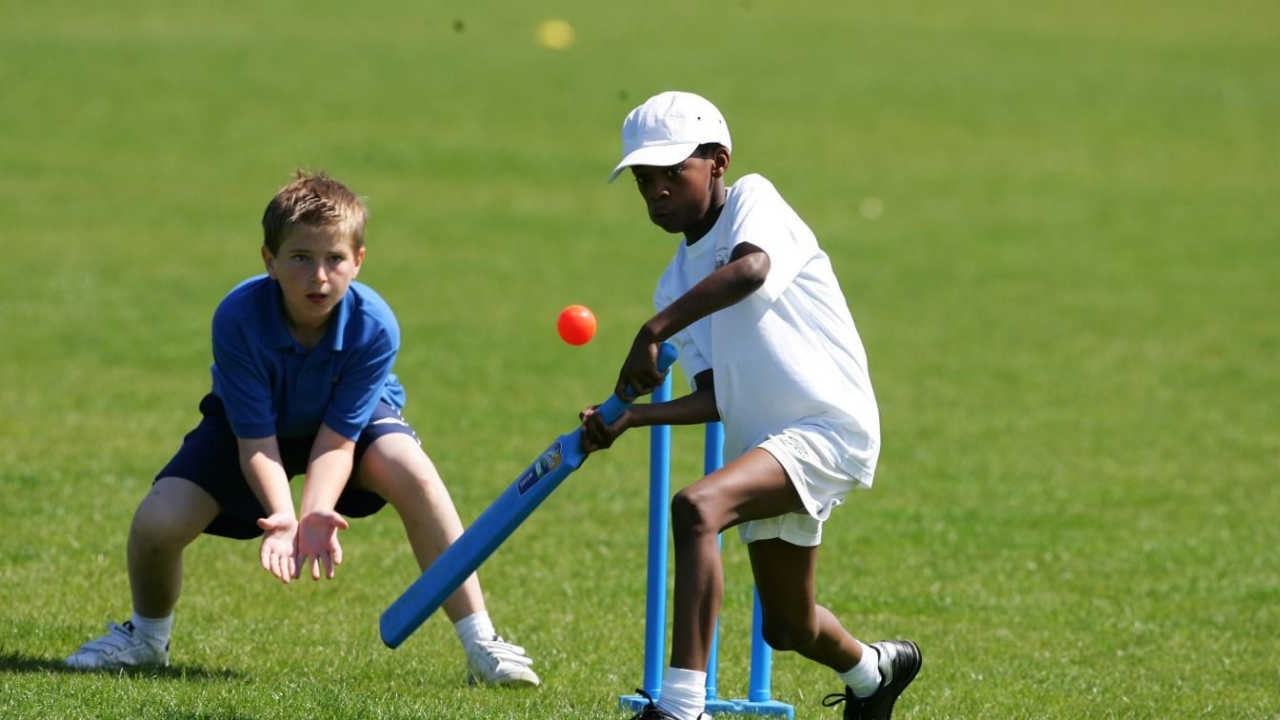
Once selected for a side, you chose your name from the pantheon of West Indian players. They didn’t have to be current, but there was a surfeit of stars whose identity you could appropriate. That was how I first came to learn the names of our cricketers.
But as a child, the geography of the region was still an unknown. I knew that they were from the West Indies team, but I believed that meant they were all from my country, from Trinidad (not even Trinidad and Tobago), and I had no idea that the term West Indian encompassed this spunky little grouping located in the region.
I have no memory of how that notion was debunked, but I recall how disturbed I was when told that Clive Lloyd and Viv Richards were not Trinidadians, but were from Guyana and Antigua respectively. (To make it worse, around the same time I discovered that the Mighty Sparrow was born in Grenada.)
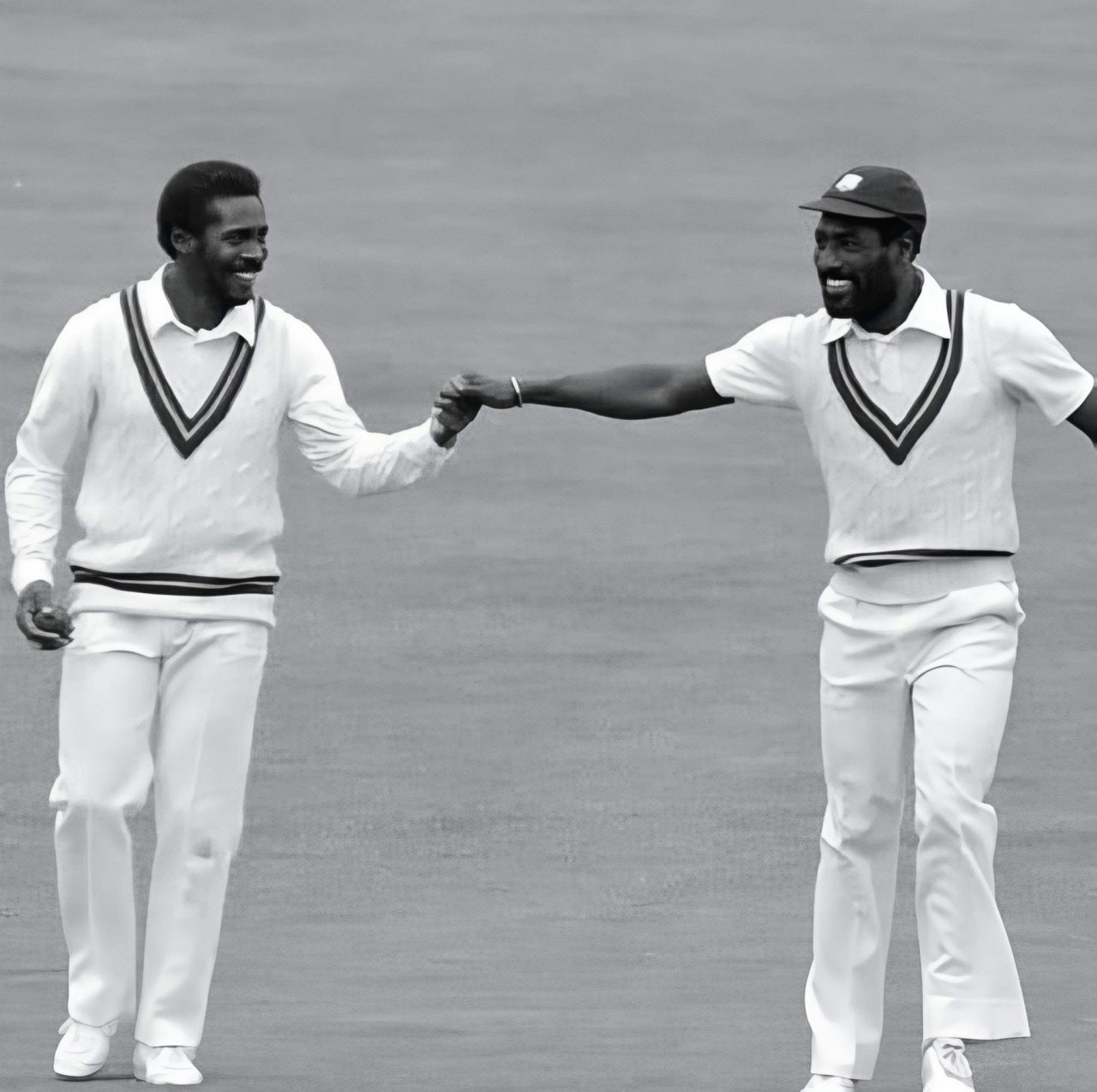
Richards is Antiguan and Greenidge is Barbadian.
If you had asked me then, I would not have been able to articulate what upset me, but I think I felt cheated of something that was my birthright—that I could not properly feel the swagger of them being one of ours.
It was an early lesson in the confining nature of a particular kind of patriotism; and I learned that it was easier and more satisfying to identify as a West Indian, which gave me more access.
Later, as I began to write, even that notion was reconfigured, and I started to see myself as a citizen of the world.
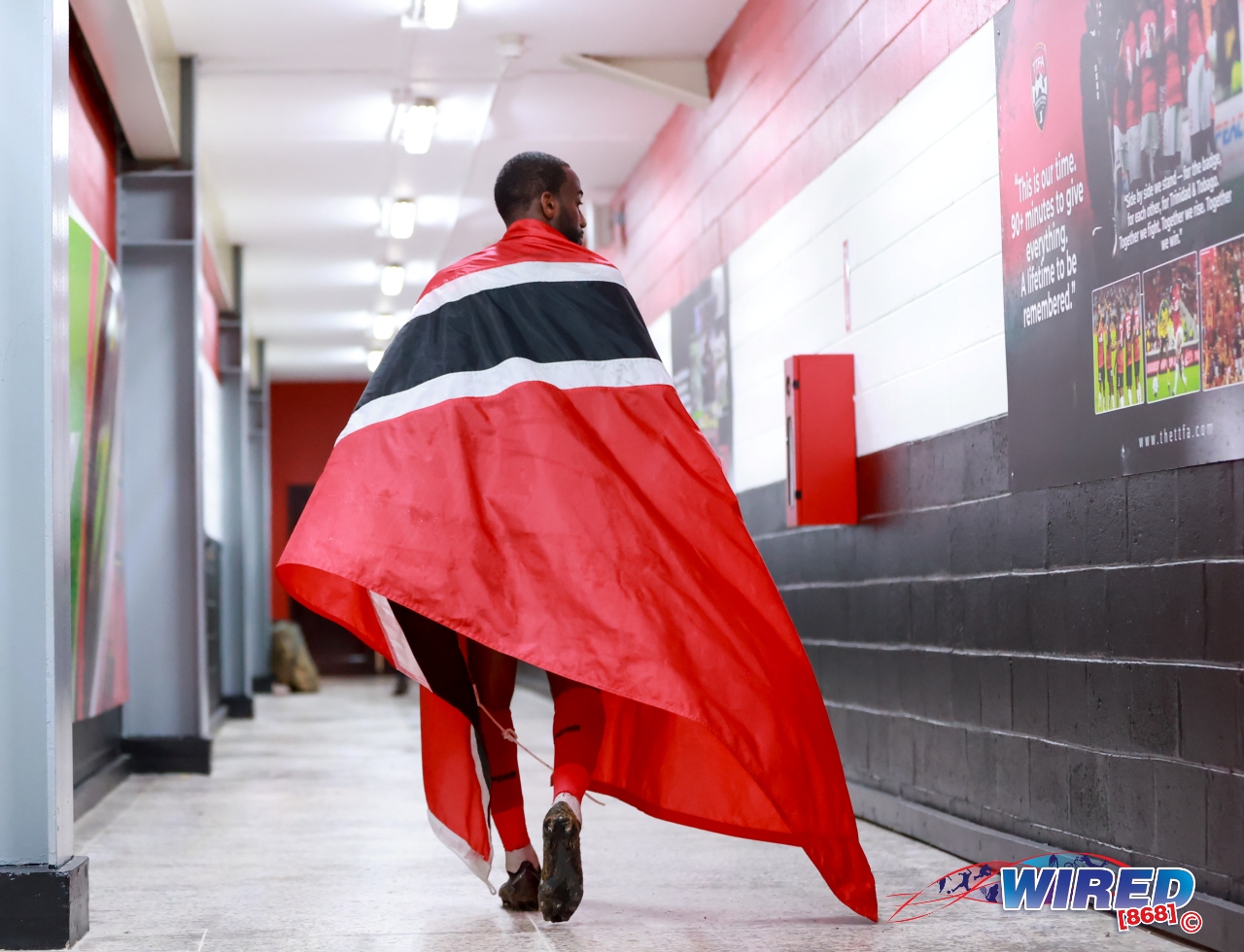
Photo: Nicholas Bhajan/ Wired868.
In hindsight, I can tell you I would never have imagined myself writing for global audiences (on cricket!) if I had not located myself within that context. I would probably have set an imaginary boundary that restricted me to thinking within the parameters of a small island—or the futility of being a woman writing about what was deemed a man’s game.
I have often thought about the concept of nations and borders, and other geographical and political markers. As with religion, identities are formed through the arbitrary circumstance of where you are born.
Humankind established itself on this planet largely based on where the living was easier—where natural resources could sustain lives. Then the whole business of owning, that territorial instinct, took over.
Religion and land, the economic resources, have been two major reasons for wars. People kill each other out of intolerance and greed, and then try to embalm this crudeness with nobility. But, digress me not.
I see planetary divisions as an act of global gerrymandering, and it has shifted my relationship with several concepts.
I was listening to a conversation on a YouTube channel: Our Culture to the World, where my friend, Lynette Joseph-Brown was talking to the host, Melva Persico about her experiences as a Guyanese-born, who has lived for 10 years in Jamaica and then around the past 20, in Trinidad.
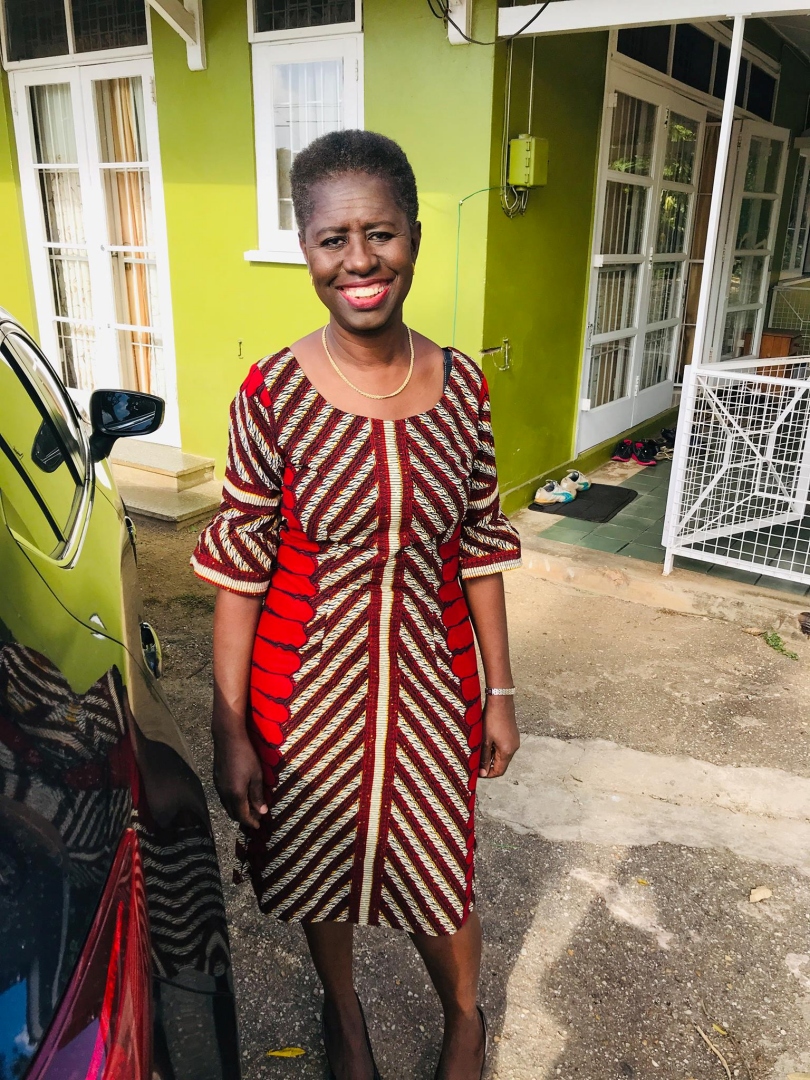
It was fascinating to hear the differences and similarities in culture that Lynette experienced as she explored stereotypes—the ways in which she found herself emerging with a West Indian sense of herself, and the comforting aspect of returning ‘home’ for visits.
She described hearing gunshots for the first time on the night she arrived at the Mona campus of The UWI. When Melva asked her if it made her perceive Jamaica as a dangerous place, her response was: “Stranger doh know burial ground,” a vivid reminder of the intrepidness of youth and the bliss of ignorance.
But at the end, she said something that stirred me.

Photo: Ashley Allen – CPL T20/ CPL T20 via Getty Images.
“Patriotism is overrated.”
Immediately, I perked up, waiting to see where she was going with that. Focusing mainly on what happens within the Caribbean and how people are treated differently because of where they come from, she considers these borders that we put up to be problematic.
She said that Guyanese have been treated differently and sometimes negatively because of where they come from.
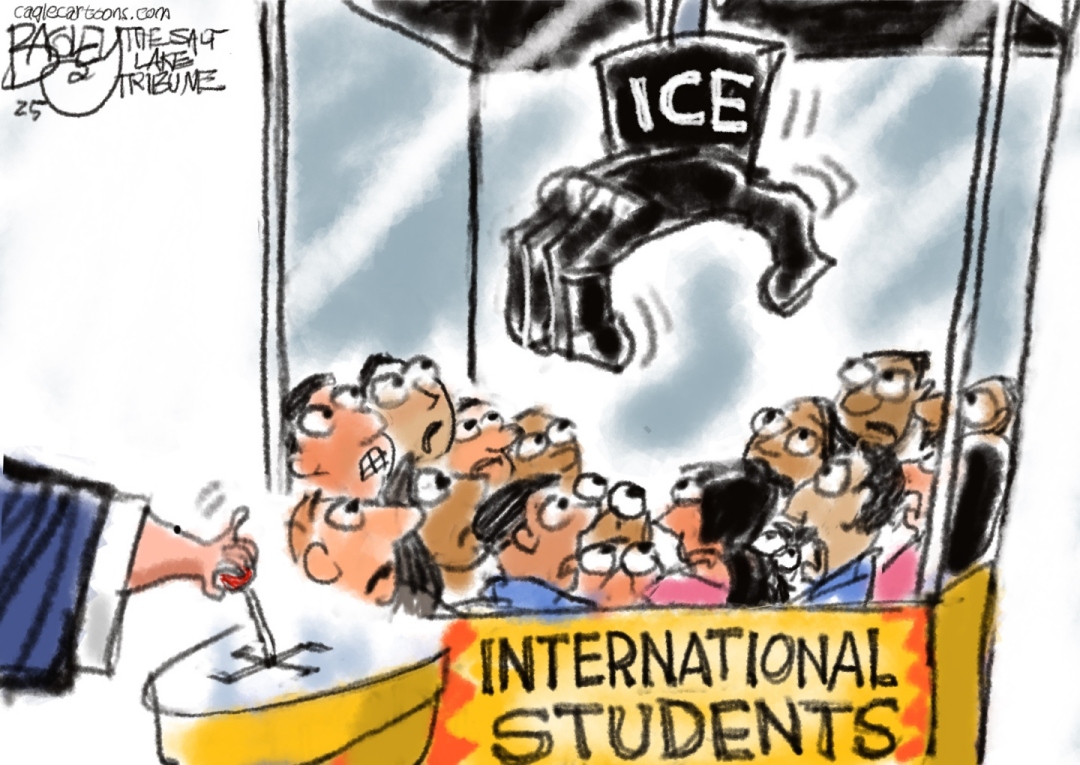
“The way we treat migrants and people, where we say that just coming from this particular country entitles you to a whole lot of different treatments and resources than somewhere else. Why? Who says so?”
She was advocating that we learn from the lessons of our history.
“When you appreciate other cultures and you are exposed to other cultures, it expands you. It grows your capacity and it grows your ability to build relationships and just get along with other people.”
Photo: Nicholas Bhajan/ Wired868.
Patriotism is defined as an overarching love for one’s country, but as with everything else, it wears many useless frills and fripperies. When it becomes the basis for looking down on others, for excluding them and denying them equal rights, it is a mean-spirited beast.
I love my homeland, and that makes me feel patriotic, but I am a ripple flowing outward, to the Caribbean, to the rest of the world—where I claim as much ownership as anyone.

Too many things are unacceptably wrong with this brown water situation. The State tells us it is temporary, and so Read more

In 2005, Thomas Schelling won the Nobel Prize in Economics for his work on cooperation and conflict. Schelling’s work largely Read more
No matter how thrifty I am, it is a challenge to manage the high cost of living. Working from home Read more

In two years, I will be a pensioner myself. So when I say the upcoming budget must increase the old Read more
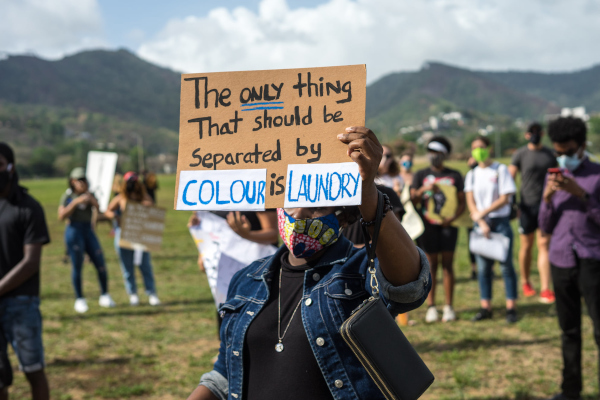
Racial tensions are running high in Trinidad and Tobago at the moment. It is sad—heart-breaking really. Our “leaders” have descended Read more
When I reach into the freezer for something from my hoard of cooked dishes, I am often reminded of the Read more
Vaneisa Baksh is a columnist with the Trinidad Express, an editor and a cricket historian. She is the author of a biography of Sir Frank Worrell.