 Wired868 Wired868 for smart sport news and opinion
Our small country is currently living under a state of emergency. If, as authorised by the House of Representatives on 31 October, it does run its course of three months, it will mean that for a little over nine months of this year we will have lived under such a regime.
In these weekly columns I have raised but not expanded upon the touted success of these states of emergency and what might happen when we are no longer governed by the use of emergency powers.

Photo: TTPS.
It seems an appropriate time for further comment. But first, it may be useful this week to summarise for readers the rationales disclosed by the respective governments for the states of emergency.
We entered this year under a State of Emergency first declared by the President of the Republic (the President) on 30 December 2024, at the behest of the then People’s National Movement (PNM) Government.
This was initially valid for 15 days and was extended for a further period of three months by a resolution of the House of Representatives (the House) passed on 13 January 2025.

(Copyright Office of the Parliament)
The PNM was soundly defeated in the general election held on 28 April this year. By that date, the PNM State of Emergency had run its course without any additional extension.
The PNM was succeeded as the party in government by the United National Congress (UNC). The UNC Government also had the President declare a State of Emergency on 18 July.
That period of emergency powers has twice been extended by resolutions of the House for periods of three months, respectively passed on 28 July and 31 October.

Photo: Office of the Parliament 2025.
It is to be noted that the PNM opposition members, speciously in my view, voted against the 31 October resolution to extend the current state of emergency and this will be the subject of further comment in the second part of this column, next Sunday.
Broadly speaking, the states of emergency are all said to be related to violent crime highlighted by a high murder rate and alarming gang activity—but the current government placed great emphasis on criminal networks within the prison system.
The states of emergency also have in common the detention of alleged gang leaders and other persons pursuant to the emergency powers. These detainees are not necessarily charged with crimes to be prosecuted in the courts.
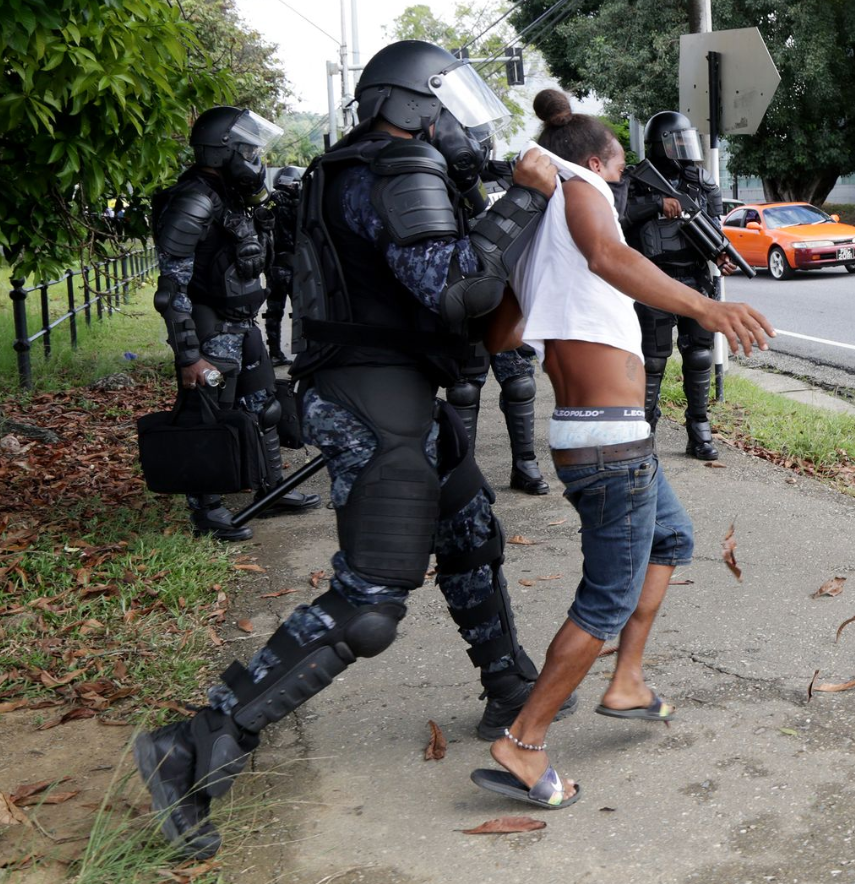
Without such charges being laid, they have to be released when the state of emergency under which they were detained ends. I alluded to this problem in a column published on Wired868 earlier this year and it is linked to the emphasis placed by this government on the criminal networks within the prison.
The state of emergency declared on 30 December 2024 was imposed after a week of gang warfare that left six persons dead and the then PNM Government’s rationale was stated as follows:
“Criminal gangs, via the use of high-powered assault weapons and other illegal firearms, in areas of Trinidad, and possibly Tobago, are likely to immediately increase their brazen acts of violence in reprisal killings on a scale so extensive that it threatens persons and will endanger public safety.”
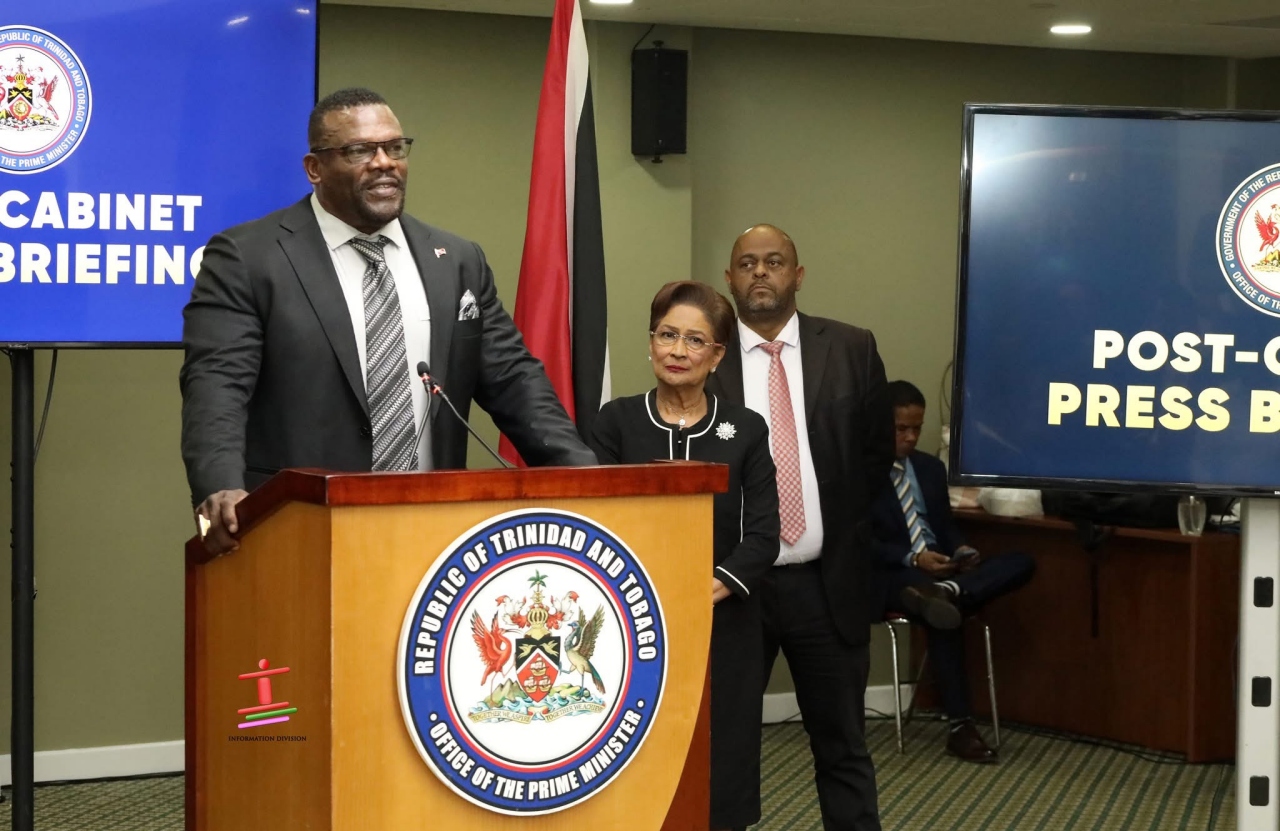
Photo: OPM.
In explaining the rationale for the state of emergency declared on 18 July at the behest of the UNC Government, Senator John Jeremie SC, the attorney general, at a media briefing the following day reportedly referred similarly to violent crimes and gang related criminal activity.
Notably however, he went a step further informing us, through the media, that the crimes were allegedly orchestrated by gang members and a criminal network from inside the prison system and that the Government learned that a plot was in the advanced stages of execution from within Trinidad and Tobago’s prison system.
The reported objects of the plot were citizens, including persons involved in the justice system and others involved in the protective services.

Subsequently we learned from proceedings in the Senate on July 29 that high risk prisoners had been moved to the Teteron Barracks of the Defence Force.
Next to be considered is the update the Attorney General gave the House on 31 October.
To be continued.

In light of current general statements about economic diversification, it will not surprise my readers that I will proceed on Read more
This is my penultimate column before I proceed on my break after twenty-four years of writing these weekly columns. As Read more
Trinidad and Tobago entered into the Americas Counter Cartel Coalition, which was announced in Doral, Florida, two weeks ago at Read more

David Rudder famously sang in 1996 in The Madman’s Rant: “Somebody clean out the weed real fast. But somebody letting Read more
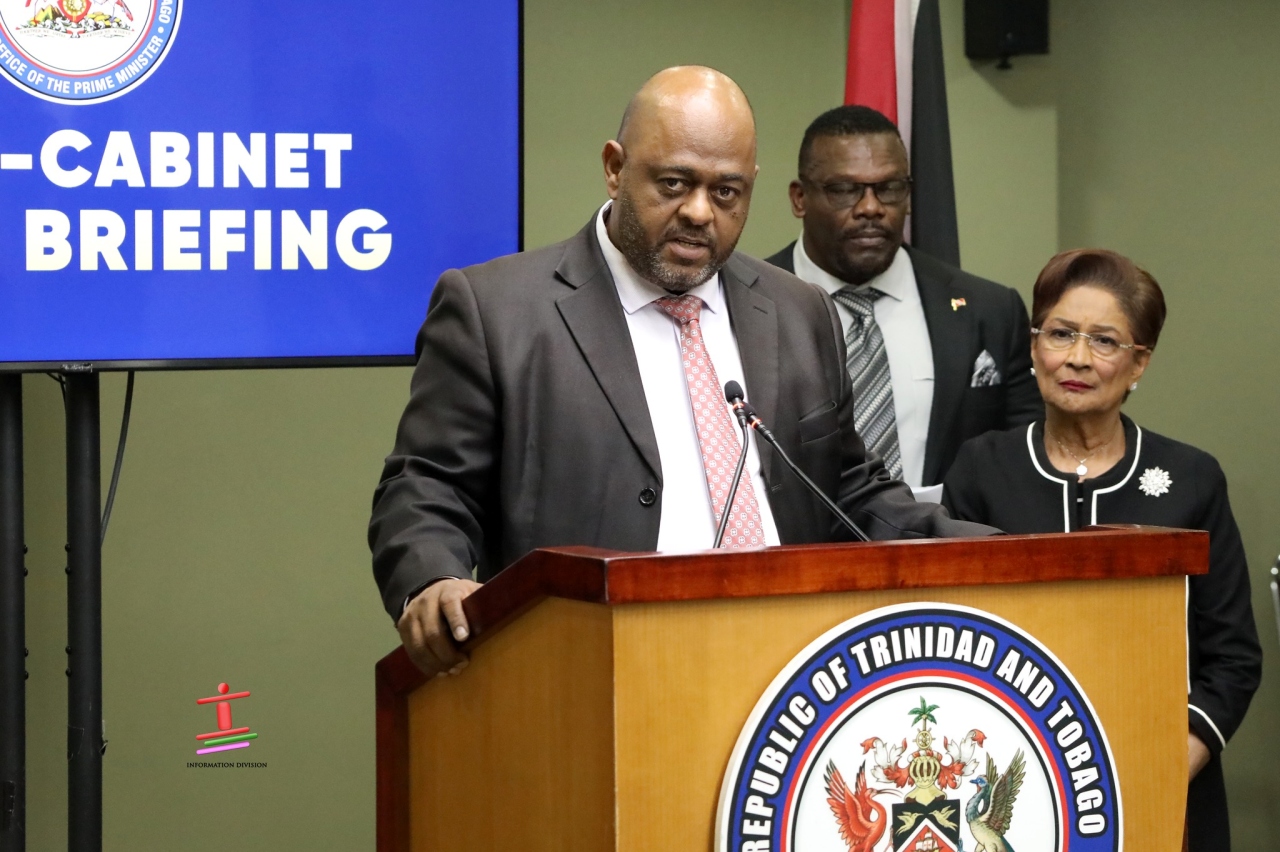
In light of the announcement last Tuesday of yet another state of emergency (SoE) I feel compelled to restate a Read more
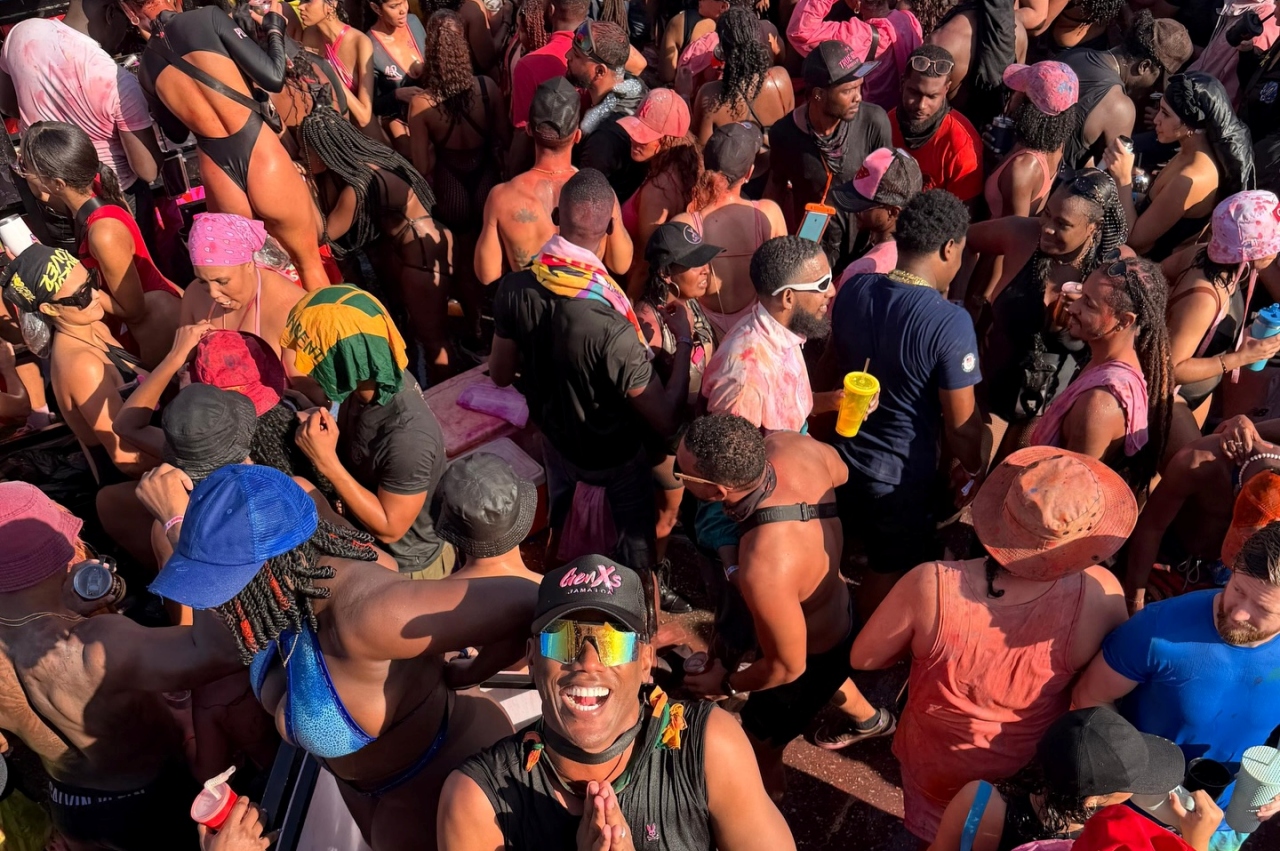
Following Carnival 2026, there have been the usual self-congratulatory comments from officialdom about its success and economic benefits. See for Read more
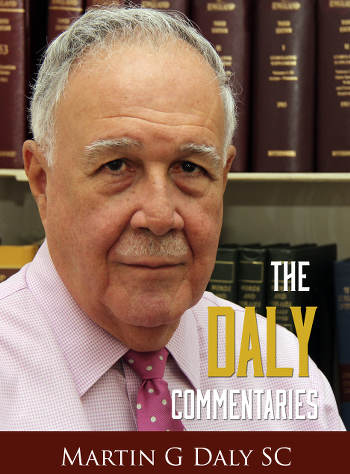
Martin G Daly SC is a prominent attorney-at-law. He is a former Independent Senator and past president of the Law Association of Trinidad and Tobago.
He is chairman of the Pat Bishop Foundation and a steelpan music enthusiast.
