 Wired868 Wired868 for smart sport news and opinion
“[…] In other countries where off-duty firearm carry is allowed, it is done with strict safeguards: ongoing psychological assessments, secure storage requirements, detailed protocols for off-duty use, and clear disciplinary procedures for breaches.
“Commissioner Allister Guevarro has not yet made clear whether such safeguards will be implemented in our local context…”
The following Letter to the Editor on Commissioner of Police Allister Guevarro’s decision to allow police officers to take firearms home was submitted to Wired868 by Derek Ghouralal of Couva:
I write with deep concern about two recent developments within the Trinidad and Tobago Police Service that deserve serious public attention.
First is the decision by Commissioner of Police Mr Allister Guevarro to allow certain off-duty officers to carry their service-issued firearms home. Second is the troubling and very recent incident involving a police officer allegedly using his firearm in an unlawful and personal dispute at a nightclub.
Both developments, when taken together, raise urgent questions about the balance between officer safety, public safety, and accountability.

Photo: TTPS.
The Commissioner’s policy shift may have been well-intentioned, but its timing and lack of public oversight now cast a dangerous shadow over what was already a controversial move.
On 20 June, PC Akel Hypolite, a 34-year-old officer assigned to the Sangre Grande district, allegedly shot 35-year-old Shelly Ann Timothy in the thigh during an early morning incident at Club Eting’s.
According to reports, Ms Timothy was with a female friend at the club when she was approached and warned by Hypolite not to dance with anyone—allegedly due to personal matters involving the father of her child.
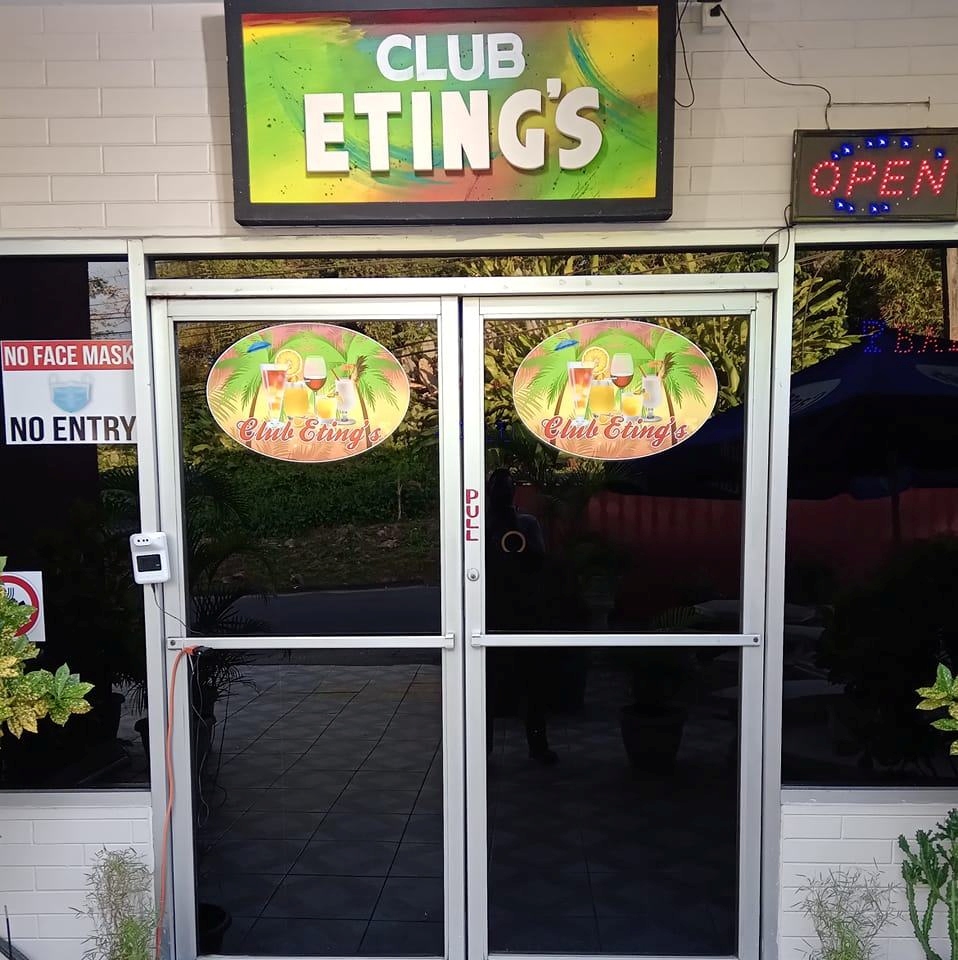
Shortly after, a single gunshot rang out. Ms Timothy collapsed with a gunshot wound and was later hospitalized in stable condition.
On 3 July, while still hospitalized, she identified Hypolite in an ID parade. He was arrested and charged on 5 July with multiple serious offences, including wounding with intent, larceny, and possession of a firearm and ammunition with intent to endanger life. He is expected to appear in court on 7 July.
While everyone is presumed innocent until proven guilty, the allegations are disturbing. They paint a picture of a serving police officer allegedly using his service weapon not to protect the public, but to settle a personal dispute. That this happened in a nightclub during off-duty hours makes the situation even more concerning.
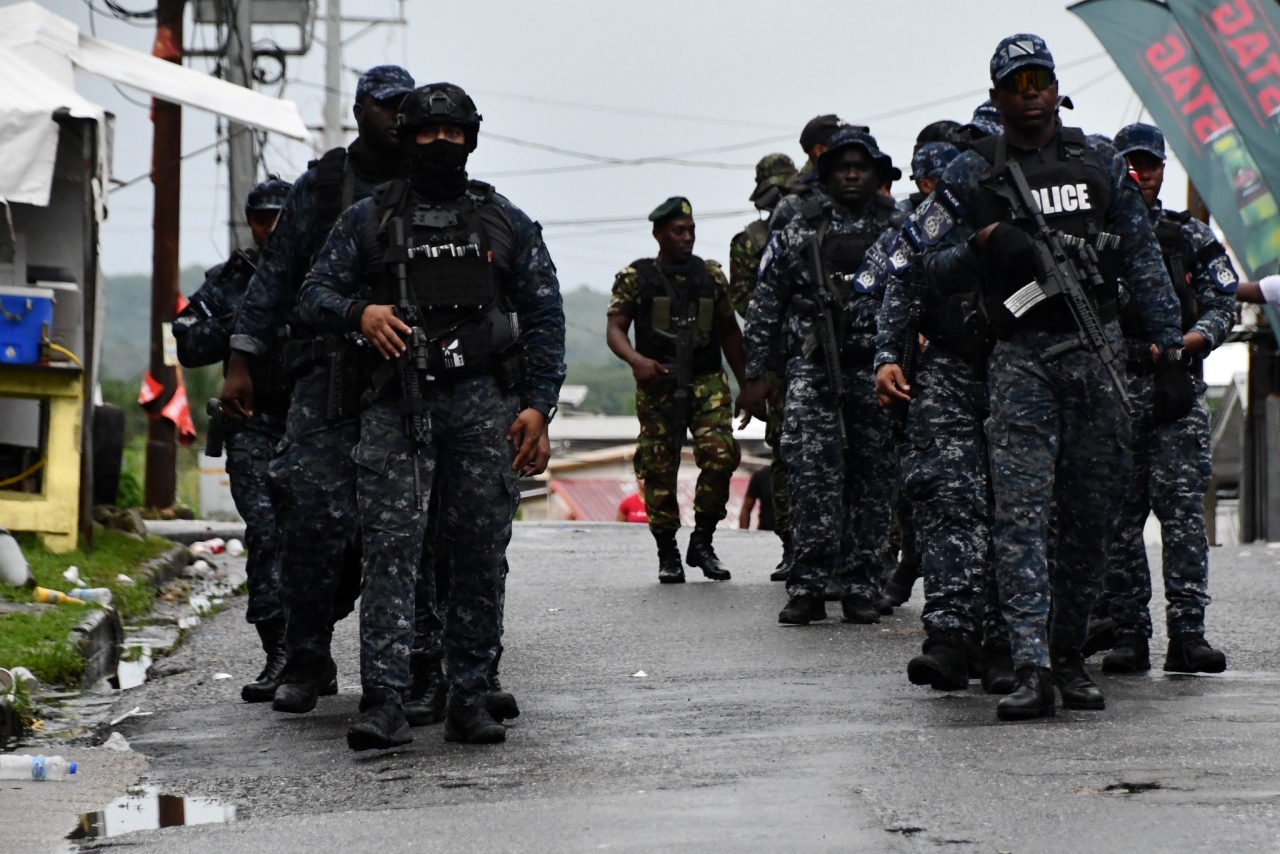
Photo: TTPS.
Just days earlier, Commissioner Guevarro publicly announced that certain officers—especially those in frontline or operational units—would now be allowed to take their firearms home.
He declared: “my officers will not have to sign off their guns again”, which suggested a blanket policy that removes a key layer of oversight. This policy shift, no matter how well-meaning, deserves scrutiny, especially in light of what has just occurred.
In other countries where off-duty firearm carry is allowed, it is done with strict safeguards: ongoing psychological assessments, secure storage requirements, detailed protocols for off-duty use, and clear disciplinary procedures for breaches.

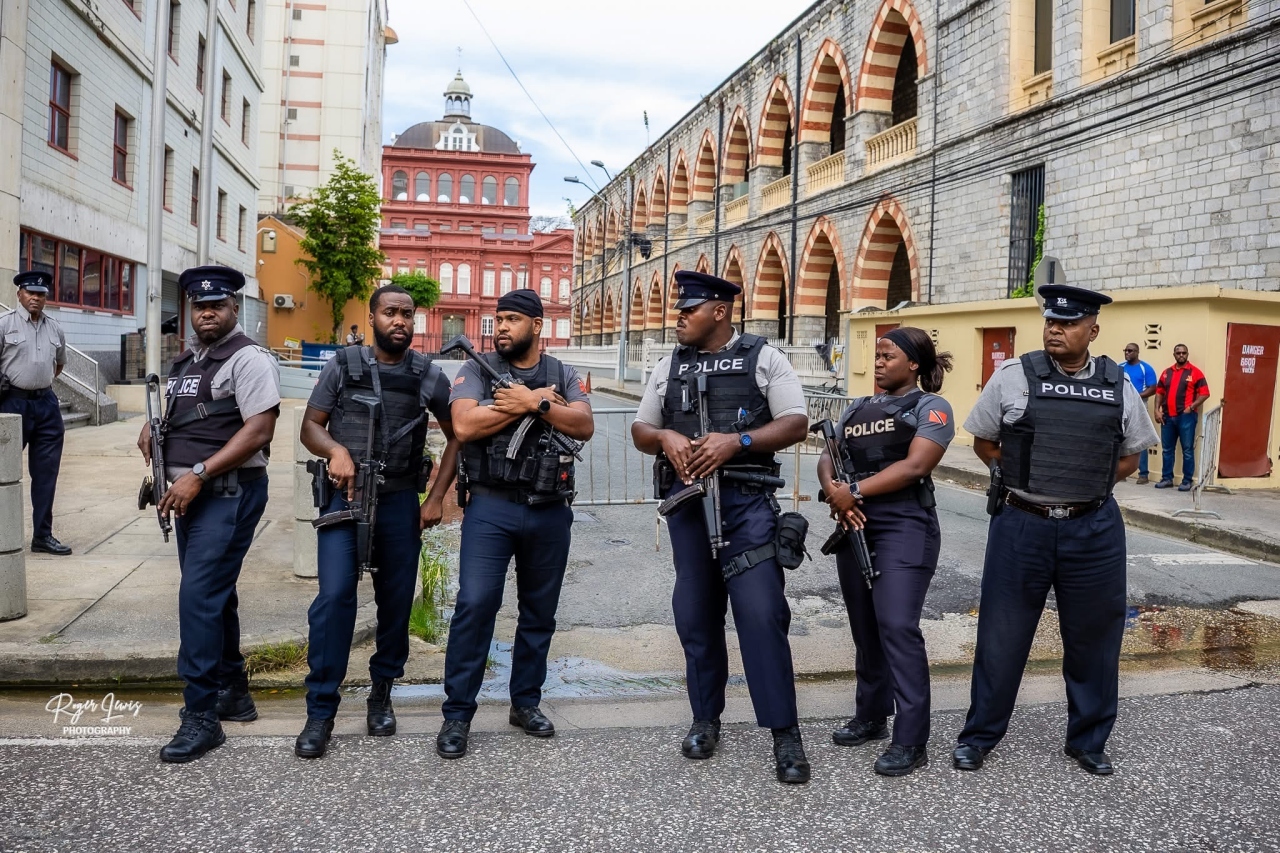
Photo: TTPS.
Commissioner Guevarro has not yet made clear whether such safeguards will be implemented in our local context.
We must consider the risks:
- Escalation of Personal Conflicts – When an officer has access to a firearm during off-duty hours, the chances of personal disputes turning violent increase significantly. What might be handled with words can quickly become a tragedy.
- Weakening of Oversight – Firearms in the workplace are regulated, supervised, and audited. When they leave that controlled environment, those safety nets are lost. There is reduced accountability, and the chain of command cannot intervene quickly if something goes wrong.
- Public Trust Erosion – Citizens must feel safe and protected by the police, not fearful of them. When officers misuse weapons—especially outside of duty hours—the public’s confidence in the police service suffers irreparable harm.
- Lack of Transparency – No details have been shared about how this policy will be enforced or evaluated. Will officers undergo additional training? Will weapons be tracked and audited? What qualifies an officer for off-duty carry? These are important questions that remain unanswered.

The incident involving PC Hypolite highlights the worst-case scenario that such a policy could enable. Even if the firearm used was not service-issued (which remains to be clarified), the core issue stands: officers must be held to the highest standards, both on and off the job.
Commissioner Guevarro, I respectfully urge you to pause and reconsider this policy. Reinstate the sign-off requirement unless there is a clear operational need.
Introduce clear protocols, mental health evaluations, and secure storage rules for any officer approved to carry a firearm outside of duty hours.

(via UNC.)
More importantly, involve the public in this conversation. Hold consultations with civil society, legal experts, and police oversight bodies before implementing any long-term change.
This is not merely an internal policy issue—it is a matter of public safety. One misstep can cost a life, destroy public trust, and damage the reputation of the entire service.
The time to act is now.

I am not a politician. I’m certainly not a senator. I am just a citizen who pays attention. So, when Read more

Today, Trinidad and Tobago, and indeed the Caribbean, bids farewell to a true cultural giant. With the passing of Dr Read more
“[…] It is nothing short of amazing how this current political directorate can go from conceptualization of 30 ‘police post’ Read more
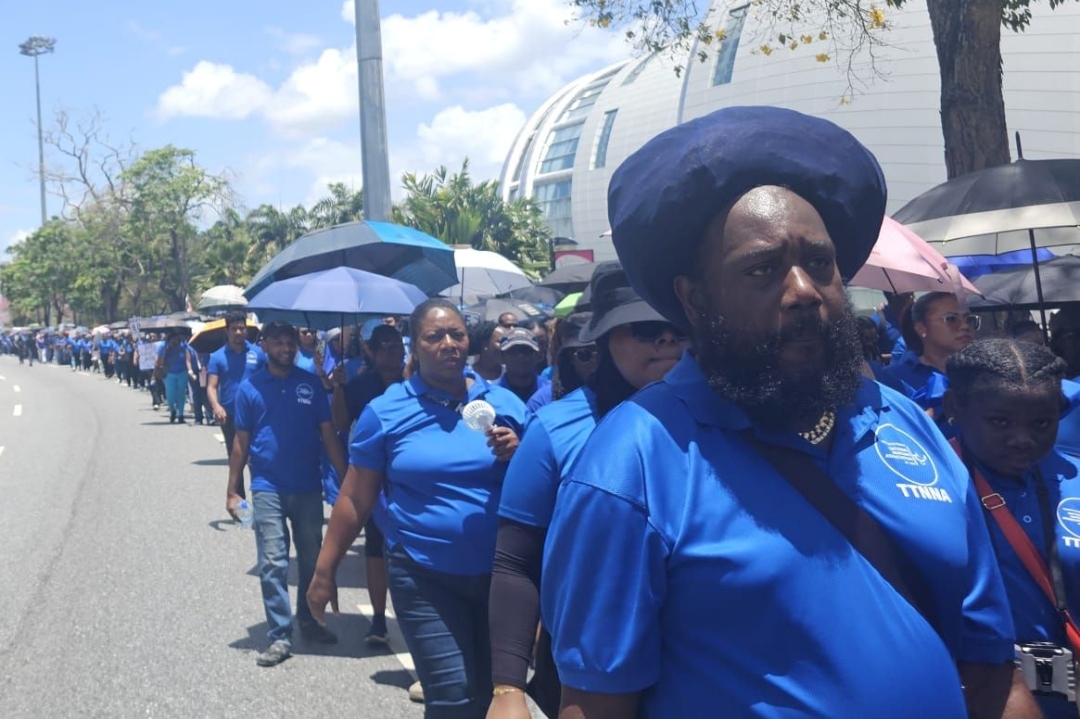
Thirteen years have passed since health care workers, Lake Asphalt employees and other workers last received a salary adjustment. In Read more

“[…] To the ‘UNC family’ she offers the old tired hymn: lagoons, cane fields, salt and rice, ponds and springs—the Read more

“[…] The media release by the heads of judiciaries—that seemed to focus on the leak of the emails and breach Read more

Want to share your thoughts with Wired868? Email us at editor@wired868.com.
Please keep your letter between 300 to 600 words and be sure to read it over first for typos and punctuation.
We don’t publish anonymously unless there is a good reason, such as an obvious threat of harassment or job loss.