 Wired868 Wired868 for smart sport news and opinion
Yes, I personally hate the term “first world” but it drives the point home emphatically in this instance. Trinidad and Tobago has always had a pattern of importing first world style without having the first world substance to back it up.
We pave over mangroves and build skyscrapers without proper consideration for heat control, ventilation and water drainage during heavy rainfall and yet think “we reach!”.
We build mediocre, high energy-demand ice-skating rinks doomed to fail and think it’s innovative. We feel so proud to have ultra-processed American brands in our pantries when those brands don’t even make the health and safety cut in European markets.
We boast about American fast-food franchises while actual developed countries boast about their artisan, indigenous, food culture.
Hook up apps are no different. We import technology designed for users in Global North—wealthy economies, who can reasonably expect privacy, and legal recourse and a baseline of sexual, social, physical and digital security that simply doesn’t exist in Trinidad and Tobago.
When Grindr was designed and launched in 2009 in the United States, it was hailed as a revolutionary tool for queer liberation and sexual fulfilment. It quickly spread to other Global North countries that have (relatively) strong LGBTQ+ legal protections, social acceptance, and a thriving queer community.
For the Global North, it delivered on that promise—save a few incidents of targeted violence that was taken seriously by authorites. So was the case with heterosexual-focused hook-up apps like Tinder.
But for people in Trinidad and Tobago, these apps have become hunting grounds for extortionists, robbers, and violent criminals. Heterosexuals are not immune because even straight hook-ups have resulted in men being robbed or extorted.
Cybersafe TT reports that teenagers, women of all ages and businessmen have all fallen victim to online catfishing, sextortion and robbery. But it is especially risky for gay users.
The recent spate of extortion and robbery targeting queer users in Trinidad and Tobago isn’t an isolated incident. It is happening in a broader context where Trinidad and Tobago’s Court of Appeal reinstated colonial-era sodomy laws in 2025, which overturned a 2018 decriminalization ruling and reinstating penalties of up to 25 years in prison for consensual same-sex relations.
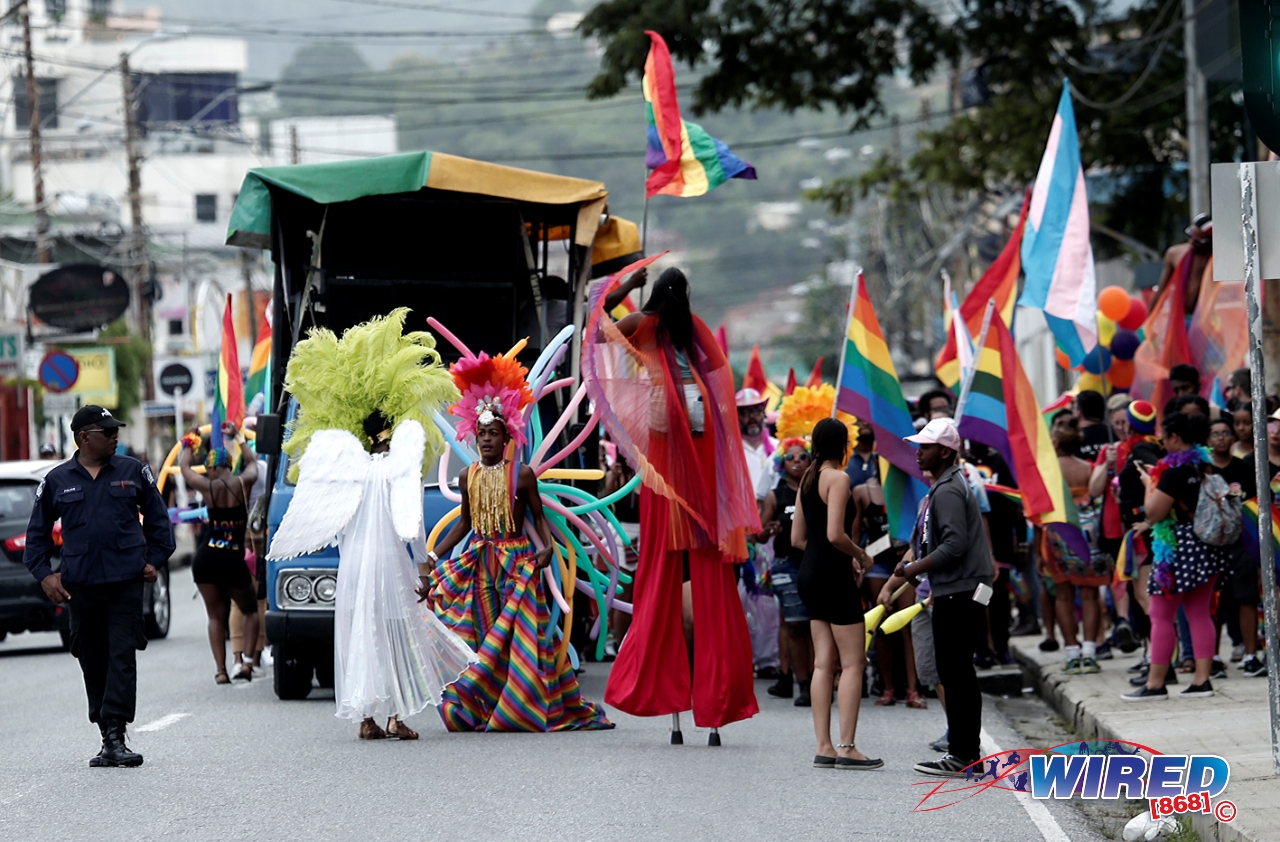
Photo: Annalicia Caruth/ Wired868.
There are no laws explicitly protecting LGBTQ+ people from discrimination or hate crimes. A 2024 report by CAISO: Sex and Gender Justice found that 44% of LGBTQ+ people accessing their services experienced domestic violence, 25% faced harassment or assault, and 9% reported employment discrimination—all with little recourse.
Poverty is a major driver of crime in Trinidad and Tobago and there has been rampant business closures, lay-offs and the dismantling of several government programmes, leading to rampant unemployment.
Does this sound like an environment where it is safe to use hook-up apps? No!

While it is presented as a failure of individual safety, it’s also a systemic failure of importation and adoption of technology designed without regard for the realities of life outside its country of origin.
Simply put, these apps should have never been introduced to our society in the first place.
Many scholars note that digital platforms often reinforce existing societal biases and can become tools of oppression in hostile environments. It is not just Trinidad and Tobago.
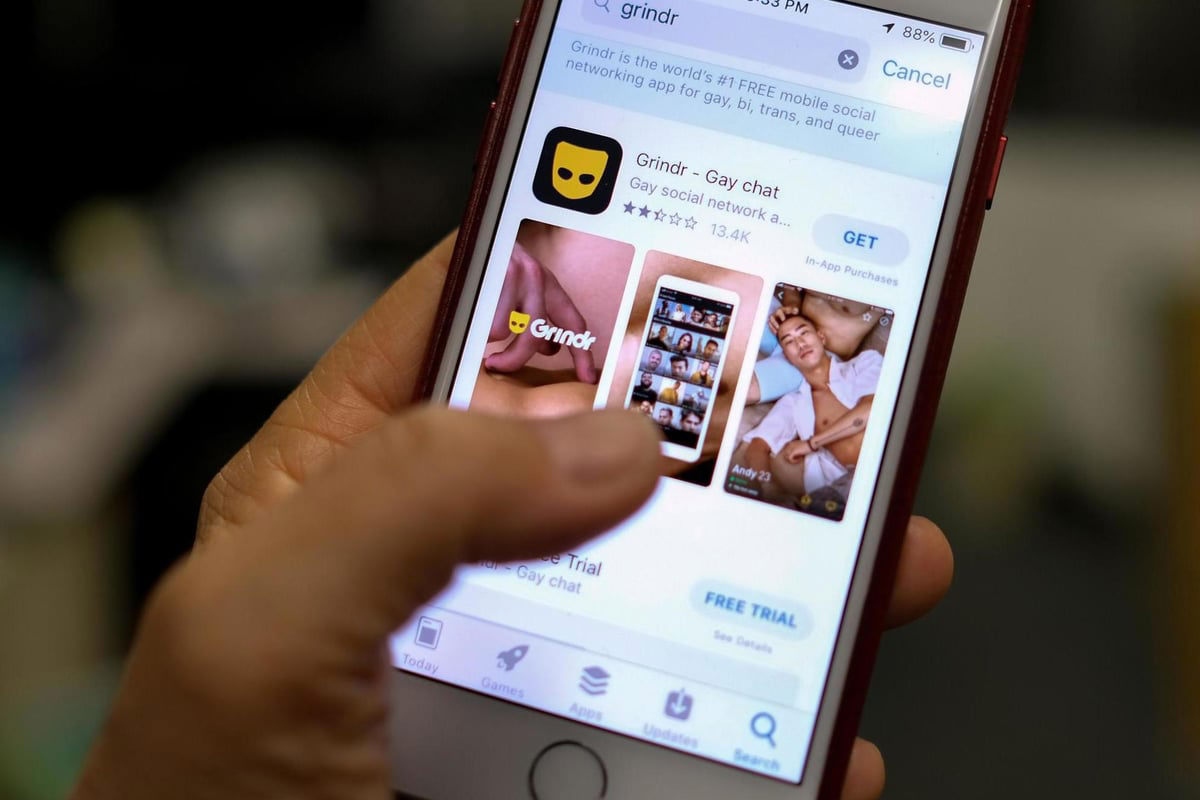
In Africa and the Middle East, dating and hook-up apps have also been weaponised to rob, assault, track, entrap, and extort people with deadly consequences.
These apps weren’t built for cultures of ignorance and hypocrisy, where sexual desire is shameful, criminalized, where reporting a crime that took place because you were seeking sex, doesn’t risk being victimised all over again by public ridicule and police abuse.
As one activist put it: “Every interaction is a calculated risk. You’re not just swiping for a date; you’re swiping for survival.”
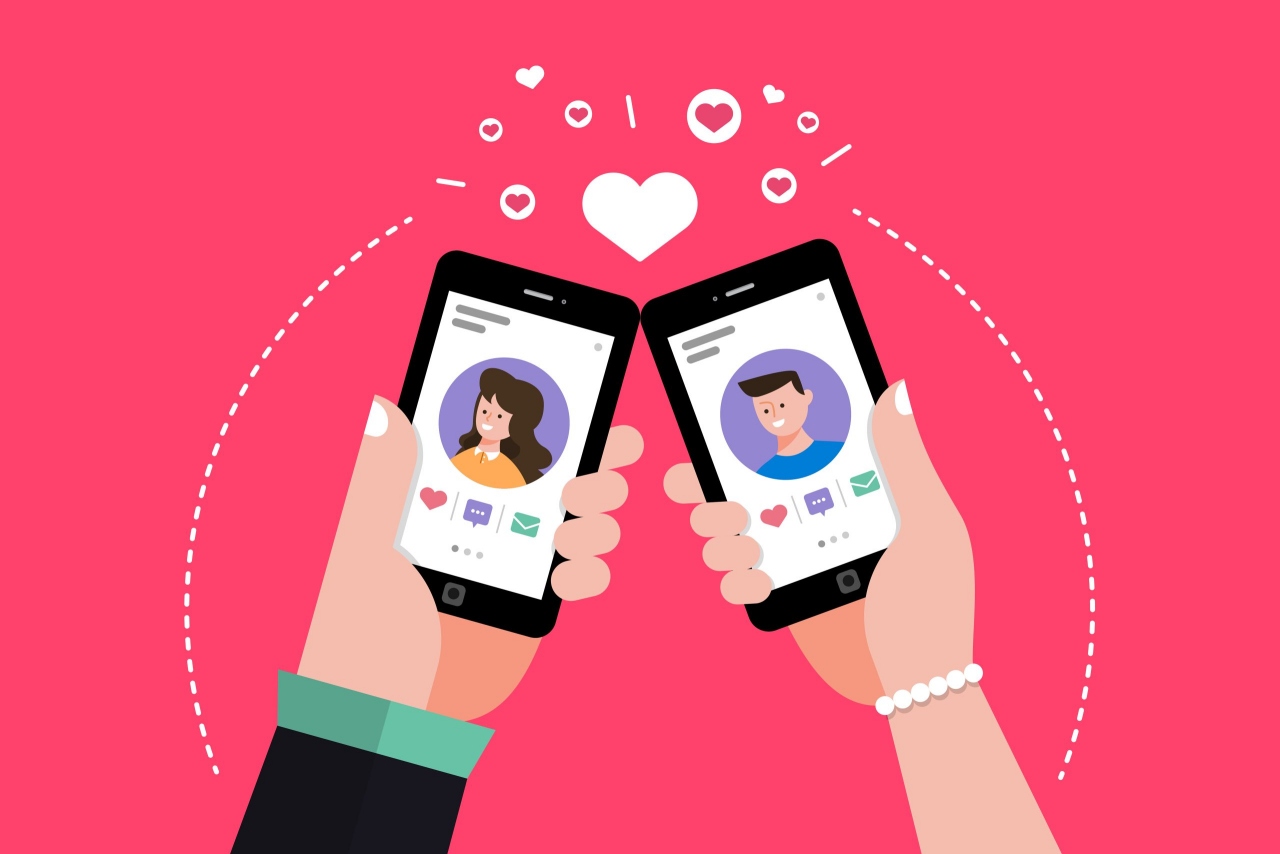
We continue to underestimate sexual intimacy as a valid human need.
Asexuality is a sexual orientation characterized by a lack (total or partial) of sexual attraction to others, or a low or absent interest in sexual activity. It is a normal variation that is part of the human sexual diversity spectrum.
Asexuals don’t get sexually attracted to people (at all or rarely or only in very specific and exclusionary ways) and are fully satisfied with just friendships, hugs and affection from pets for all their emotional intimacy needs and the oxytocin benefits of physical touch.
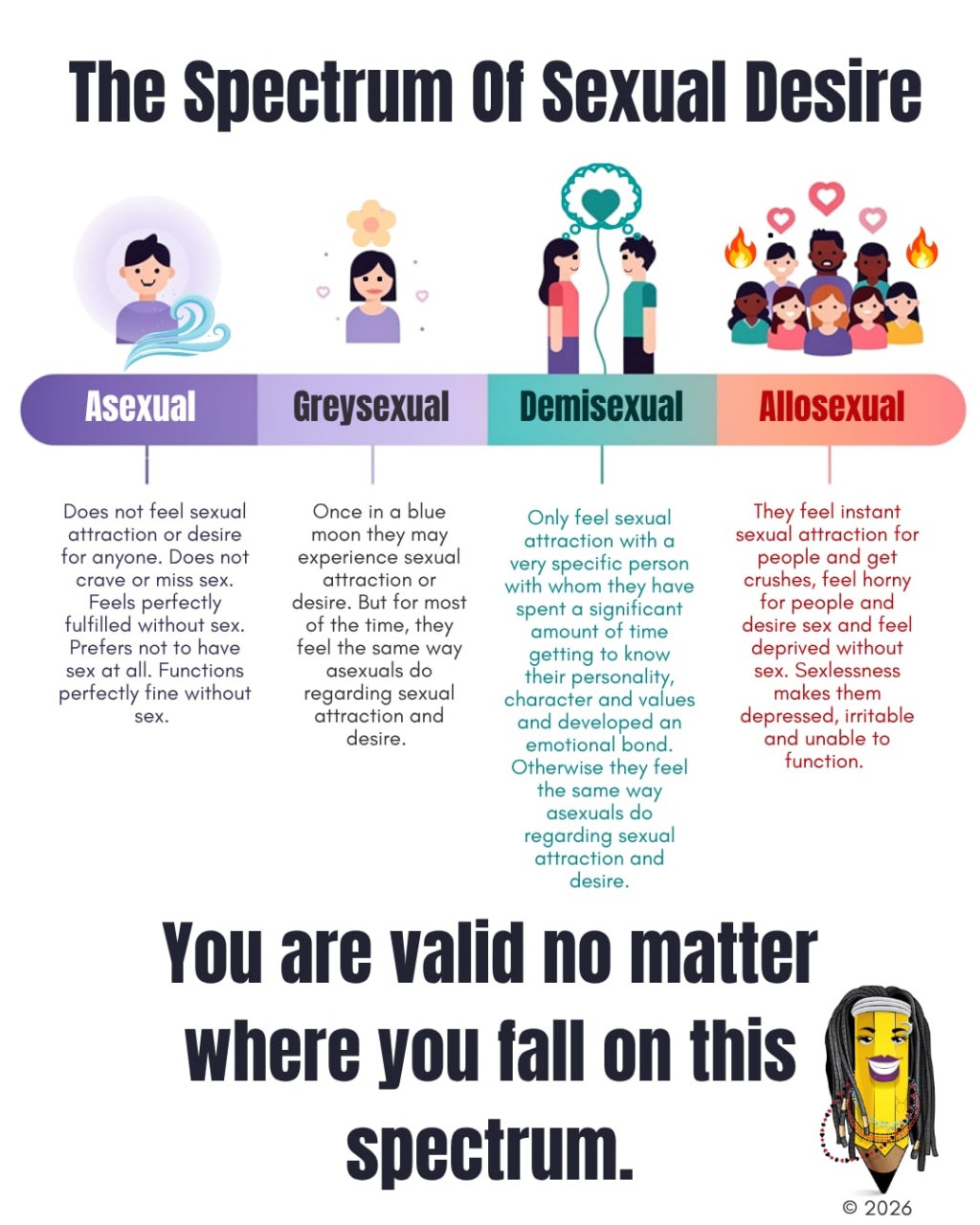
They don’t need sex, don’t crave sex, don’t miss sex and a lack of sexual intimacy does not have any negative impact in their personalities or lives. Therefore, celibacy is not only super easy for them, but their preference! They actually function at their peak potential without sex.
The majority of humans however, are not asexual, but allosexual. They experience sexual attraction (lust, limerence, crushes, falling in love, desire) for people of the opposite, same or both sexes—whether at first sight or after a few interactions.
They desire sexual contact with people. They long for it. They pine for it. It is a real need.

They cannot function at their peak potential, without that part of themselves being fulfilled. They become shells of themselves, irritable, depressed, uninspired, low-self-esteem and suffer from skin hunger.
This is especially prevalent among high testosterone males who are rarely ever hugged or given physical affection (especially by other male homo sapiens) and sex is the only kind of comforting, physical touch they turn to.
Right now, in Trinidad and Tobago, it seems that asexuals have the advantage. Think about it. In a country like ours, with a culture that sexually shames; with an economy that punishes any too poor to date let alone reproduce; with sky-high STI and intimate partner violence rates it has simply become dangerous to be allosexual.

(via All About Law.)
Unless you have already lucked out and attracted or have the personality, physique and status to attract, a sexual partner who is both able to satisfy your desires and is also safe and can provide stability.
Let us be realistic. The socially and/or religiously acceptable avenues for allosexuals to get their sexual needs met, is heterosexual marriage. Will that avenue be available to or accommodate everyone? No.
For many allosexuals who are heterosexual, marriage (common-law or formal) remains out of reach, indefinitely. Some lack the stability and resources and/or are unattractive (personality, appearance) and won’t be considered boyfriend, girlfriend, wife or husband material, or have just been unlucky (so far) in finding their “one” or have aged out of the race.
Yet, they still have urgent sexual desires.
Some allosexual heterosexuals who get married discover that even if they are in the socially and/or religiously acceptable avenue to get their sexual needs met, it does not mean it will be met in that marriage.
Nobody prepares people for what will happen when sex within the marriage is either non-existent or subpar for any number of reasons, and there is no fix for it save divorce and finding a new spouse, which they may not want to or cannot do.

Why do you think our kombasé (side-piece, horning) culture has become a thing?
For those who are not heterosexual, in our homophobic society, the options shrink even more.
Having a committed, same-sex partner means coming out as people will notice that you are rejecting sexual advances from people of the opposite sex; are always together with that person of the same-sex, prioritizing each other, have affection for each other and live together. Committed relationships will out you!
Is it safe to come out in Trinidad and Tobago? Not if you are born to a family and/or religious community that is deeply hostile and abusive to gay people.
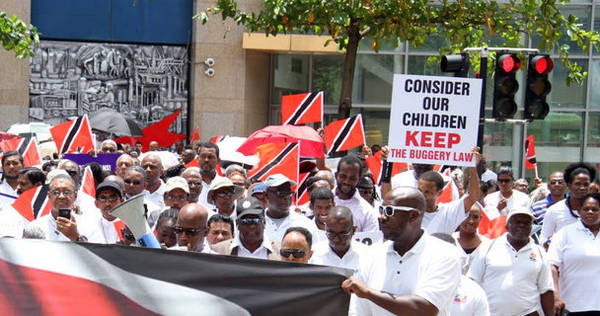
(Copyright Joe My God.)
Not if you simply don’t have the courage as many queer people do, to simply take the bullying, discrimination and rejection just to be able to live authentically. Not if there is no support system to fall back upon.
So many gay men, for social, religious, economic status remain in the closet and are in sexually unfulfilling straight marriages while living a downlow life.
Our culture loves to pretend allosexual homo sapiens, particularly males, whether straight, gay or bi, married or unmarried will be celibate with the effortlessness of an asexual, when socially and religiously approved sexual fulfilment is not an option or has not worked.

And I say this with my full chest: “That is delusional!”
We must know by now how primal and instinctive that need is for those who are allosexual. We can keep up the pretence and clutch our pearls or do what more grown-up countries do and:
Make sex work safe, regulated and centred around protecting the workers like the Netherlands, Austria and Australia where sex work is recognised as a legitimate profession.
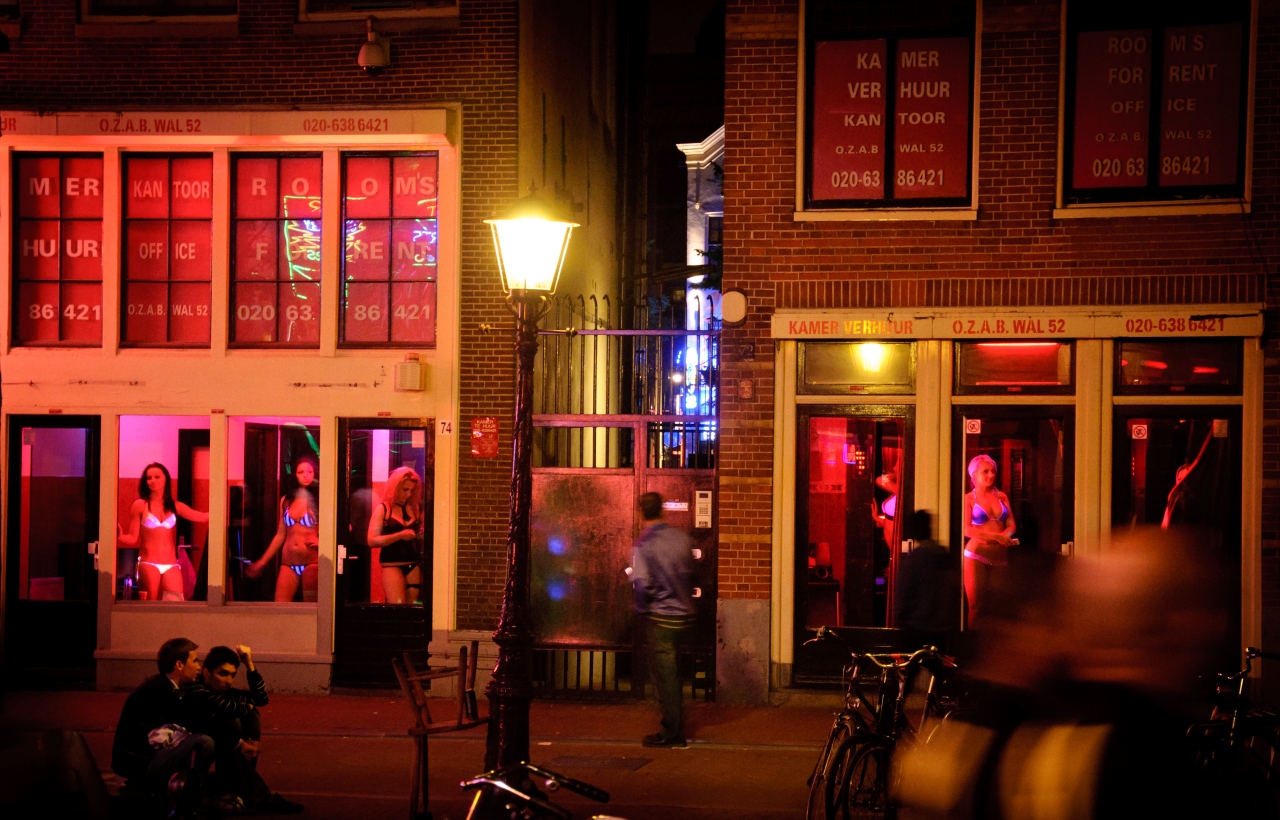
(via Flckr.)
- Workers must register with local authorities, pay taxes, and adhere to labour laws;
- Brothels are licensed and subject to regular inspections for health, safety, and labour compliance;
- Sex workers have access to social security, pensions, and healthcare;
- Mandatory health checks (eg, STI testing) are required for workers in some municipalities;
- Clients are not criminalised, but buying sex from unregistered or trafficked individuals remains illegal;
- Revenge porn and sextortion is treated seriously and it is illegal to film someone without their permission.
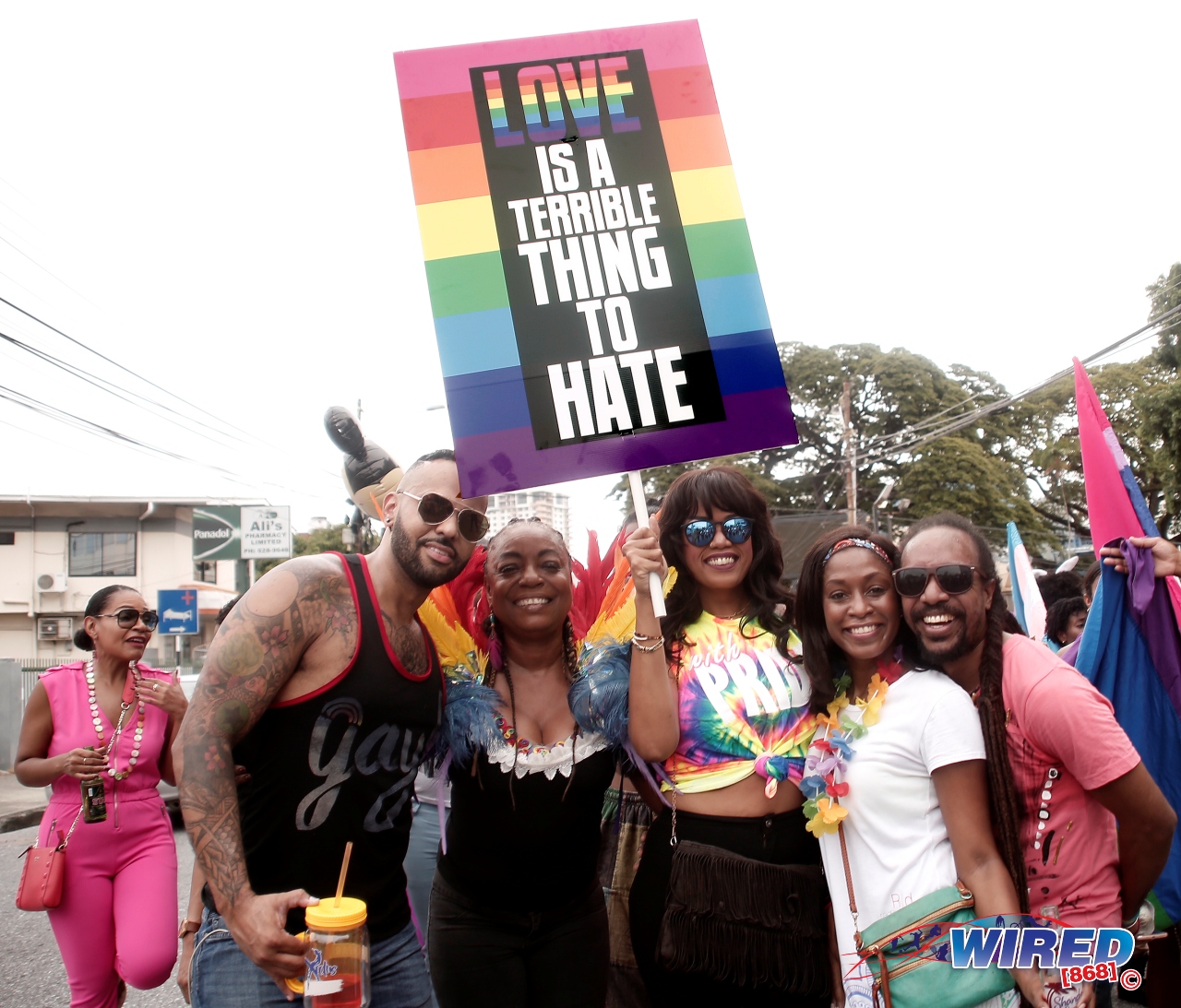
Photo: Annalicia Caruth/ Wired868.
Make it safer to live honestly and openly as an LGBTQ person. Decriminalise people having a homosexual orientation and adult, consenting same-sex relationships. Address homophobic stigma, defamation, bullying and discrimination.
Have positive queer representation in the culture, so people have an affirming example of what their future can be if they live honestly.
Advocate for tech accountability and insist that apps must prioritise privacy and security for users. Features like discreet app icons, panic buttons, and in-app video calls (to verify identities before meeting) are critical and there are partnerships with local organisations to help tailor safety features to regional needs.
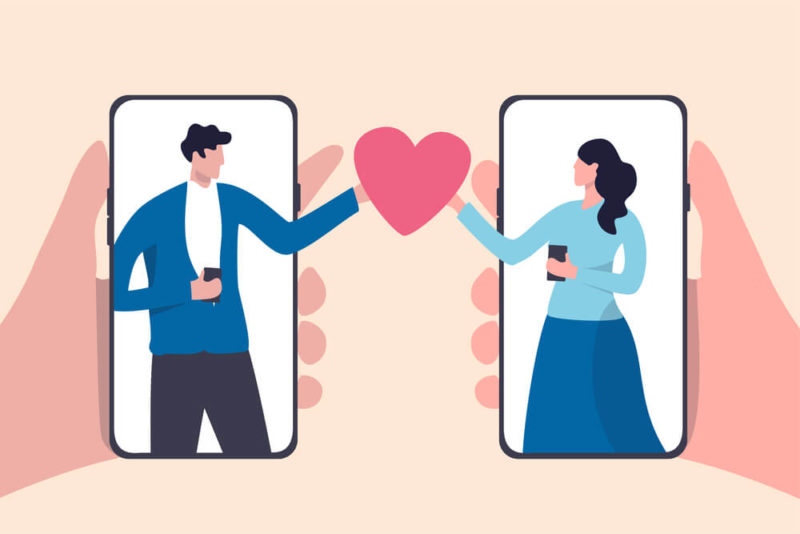
The crisis of sextortion and criminal targeting of people seeking to satisfy a valid human need is a wake-up call for us to be honest and pragmatic about human sexuality, rather than be prudish, delusional and superstitious.
It’s also time to delete those apps until our society catches up with the Global North in terms of being grown-up about such things.
Technology is never neutral. All it does is exacerbate the vulnerabilities and ills of poverty, misogyny and bigotry.
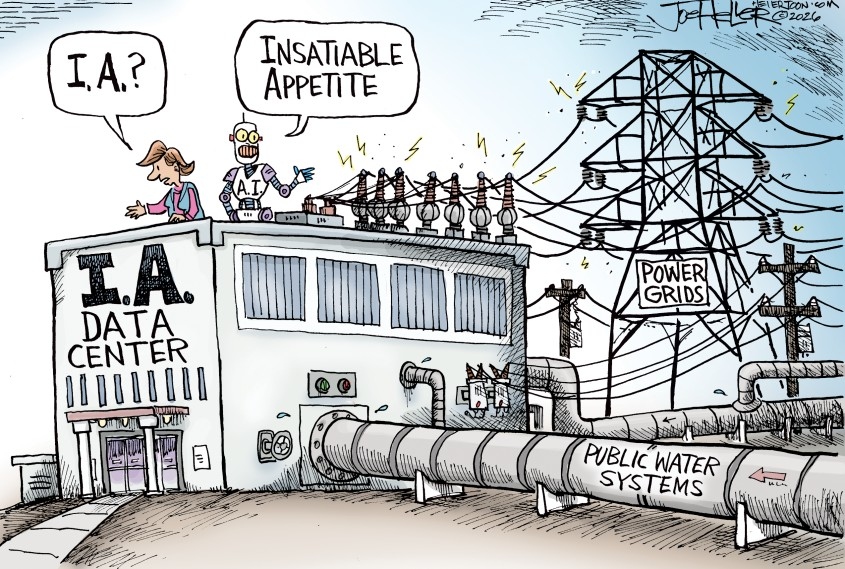
There is a strange irony in the national conversation now unfolding. We are being asked to consider hosting artificial intelligence Read more
A 13-year-old girl singing Tight and Pretty with sexually explicit lyrics is a child protection issue! The Child Protection Unit Read more

After the disgusting attack on Port of Spain South constituency executive alderman Wayne Griffith (we are all wishing for his Read more

For some time, the thought of approaching a memoir as a collection of essays has been floating about. Assembling memories Read more

Hard to imagine that Sade is 67. For decades, she wooed the world with her mellifluous voice and songs about Read more

Valentine’s Day performs romance very well. Restaurants fill with dodgy service and inflated prices. Florists thrive. Social media becomes an Read more

Jessica Joseph is currently the Creative Director of Accela Marketing St Lucia/Canada. She is a multiple ADDY Award Winning Trinidadian national, Pop Cultural Anthropologist and Humans Rights Activist.
She blogs on Huffington Post and alieninthecaribbean.blogspot.com.