 Wired868 Wired868 for smart sport news and opinion
After the disgusting attack on Port of Spain South constituency executive alderman Wayne Griffith (we are all wishing for his speedy recovery), many are outraged by the level of raw aggression and barbarism displayed by those Tranquillity (the irony of the name is not lost on any of us) Secondary students towards an elder.
(Click HERE for video footage.)
How dare they even attempt such a thing? Where is their respect for the inherent authority an elder is supposed to have? The comments are flooding in.

“Back in my day, we would never even think to do something like that!”, “They are monsters!”, “Clearly, they need to have the “fear of God” put back into them! Beat dey asses!”, “Bring back corporal punishment!”
Ah yes, LICKS! The silver bullet for every behavioural problem faced by Caribbean youth. Except there is one problem…
I can GUARANTEE those Tranquillity students who were acting in an emotionally dysregulated, aggressive and violent manner learned it at home from being on the receiving end of the exact same behaviour from parents, guardians and older relatives.
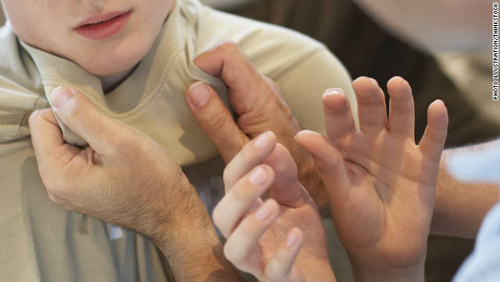
For while there has been a ban on corporal punishment in schools, the evidence shows it persists in homes across the Caribbean.
According to the ICEF Eastern Caribbean Study on Corporal Punishment (2024–2025) commissioned by UNICEF and conducted by the Caribbean Development Research Services (CADRES) across the Caribbean, there is continued support for corporal punishment.
While it has been officially banned in schools due to the Caribbean nations signing on to the UN Convention on the Rights of the Child (UNCRC), only 25% of respondents in the Caribbean agree that beating children in the home should be banned.
The 25% who are against corporal punishment for children tend to be from medium to higher-socio-economic and educational backgrounds, where one or more of the parents have a tertiary degree.
The belief that corporal punishment is effective and traditionally accepted persists primarily among Caribbean people of lower socio-economic and lower educational status. That means the majority of young people growing up in those homes (which also comprises the majority of young people who get suspensions, expulsions and entry into the Juvenile Justice System) got copious cutass growing up.
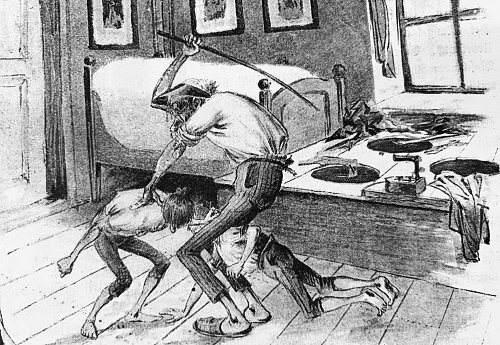
The UNICEF/CADRES study (2024–2025) found that youth in conflict with the law (e.g. school suspensions, expulsions, detention) were significantly more likely to report experiencing corporal punishment at home or in school compared to the general youth population.
Raised voices, buff-ups and beatings was the GO-TO FORM OF PARENTING they received.
The Juvenile Justice Reform Project (JJRP) has highlighted that youth in detention often come from environments where corporal punishment was used as a primary disciplinary method, and that this correlates with higher rates of reoffending. This follows an international pattern from Golden Grove to San Quentin Penitentiary.

In San Quentin Penitentiary, counsellors reported that most incarcerated youth had been subjected to harsh physical discipline during childhood, often as a “corrective” measure for minor misbehaviour.
The studies on corporal punishment and its health impacts on Caribbean children are extensive.
Beating children does not teach them that beating is wrong. It just teaches them that the BIGGER, STRONGER person IN CHARGE is the one who gets to beat.
So, they just wait until THEY are the bigger and stronger one and get THEIR TURN to unleash licks on anyone smaller, who makes them upset, embarrassed, ego-bruised or inconvenienced.
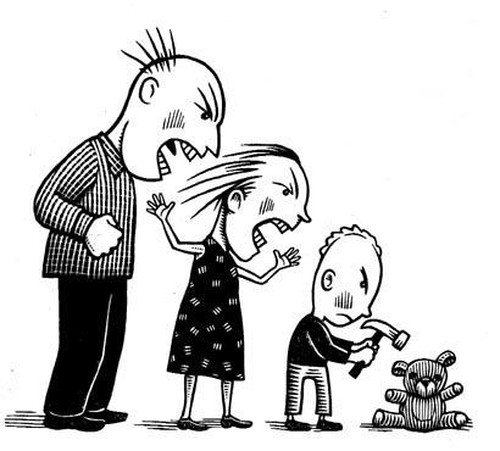
Or when they have strength in numbers—as was the case in that awful attack on the Port-of-Spain alderman—they believe it is THEIR TURN to unleash licks for whatever offense they feel.
Two thousand juvenile delinquents studied; most had histories of severe corporal punishment at home
Children learn that violence is an acceptable way to resolve conflicts or enforce compliance.
Someone upsets you? BEAT THEM. Someone disrespects you? BEAT THEM. Someone embarrasses you? BEAT THEM. Someone inconveniences you? BEAT THEM.
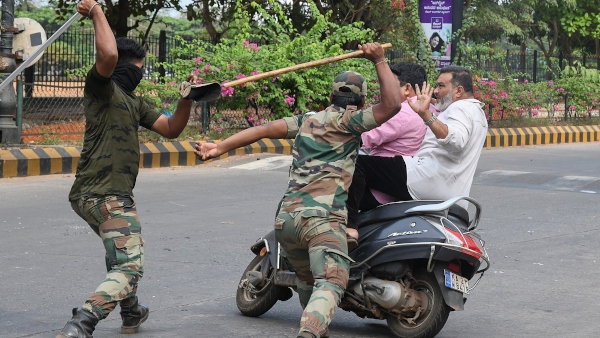
You hate someone’s expression or the way they look at you? BEAT THEM!!!!
This undermines prosocial behaviour and increases the likelihood of aggressive or delinquent acts.
Sustainable and lasting discipline methods such as reasoning, natural consequences, restorative justice, anger management develops lasting ethical decision-making and emotional regulation even when parents are not around.
But licks only suppresses behaviour temporarily through fear, which does not lead to long-term behavioural change.
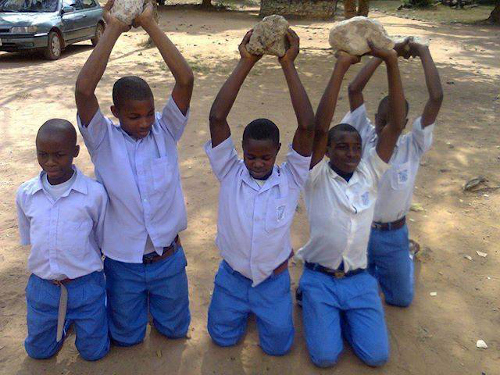
What happens when there is no big stick to fear? Or when the child gets too old to beat?
The research done shows that even when presented with EVIDENCE-BASED research, the support for beating children in Caribbean schools and homes persists. And it stems mainly from religious tradition: “Spare the rod, spoil the child.”
Whenever you see the words rod/staff in the Bible, they come from the Hebrew word (shebet). They are tools of a shepherd. The Palestinian culture was a herding, pastoral culture and so their metaphors will mirror that culture.
In pastoral imagery, the rod was a symbol of authority and care, NEVER violence. It was a symbol used for rulers to denote their leadership.
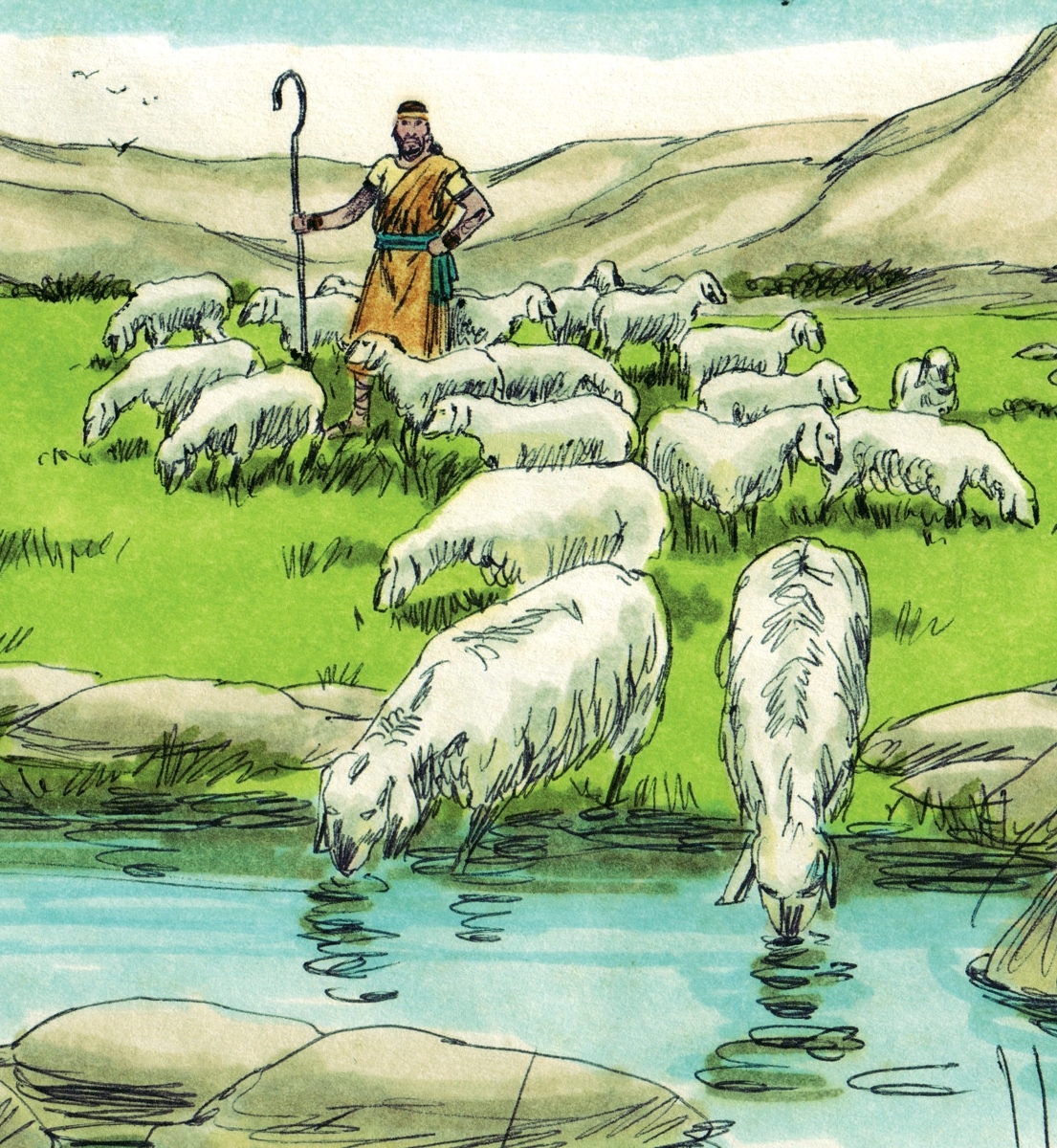
In Micah 7:14: “Shepherd your people with your staff/rod (shebet), the flock of your inheritance.”
Shepherds used it to guide and nudge sheep in the right direction or hook sheep around the neck to pull them out of cervices or brambles, not to beat the sheep or harm them.
The rod or staff was also used to defend sheep from predators like wolves, jackals and lions. That same rod/staff (shebet) is described in Psalm 23:4: “Your rod and your staff, they comfort me.”
Guidance and protection bring comfort. Violence and intimidation (as the research clearly show) brings distrust, trauma and anti-social responses.
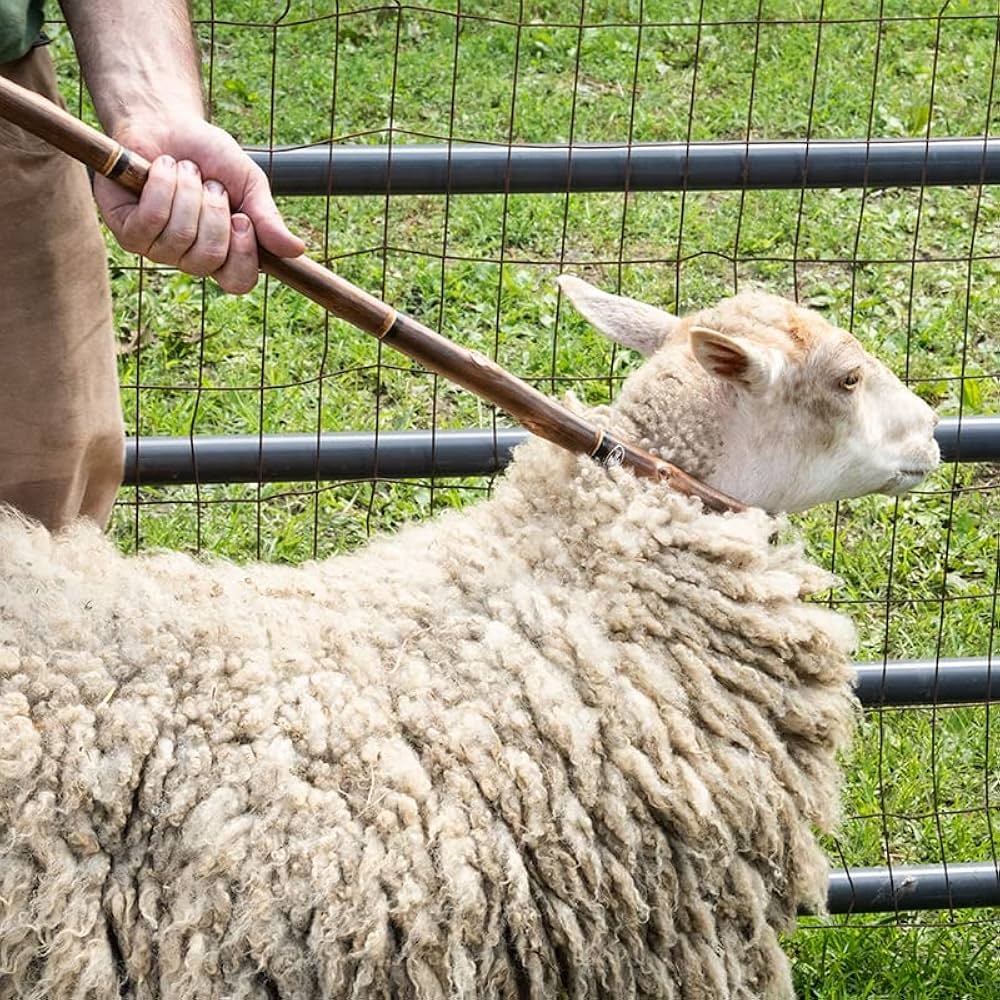
When Proverbs 23:13–14 says: “Do not withhold discipline from a child; if you strike him with a rod, he will not die. If you strike him with the rod, you will save his soul from Sheol.”
The word nakah (strike) translates as “to touch, reach, or affect”. Example: “it struck me in my heart!”
It is not about a PHYSICAL BLOW but an emotional, mental impact, a parent is supposed to have on a child. The Jewish Study Bible calls it: “Authoritative teaching. Firm but non-violent correction.”
Our warped interpretation of the rod to mean corporal punishment, came from the Authoritarian slave masters and the Slave Bible they gave our ancestors to indoctrinate them in their own subjugation.
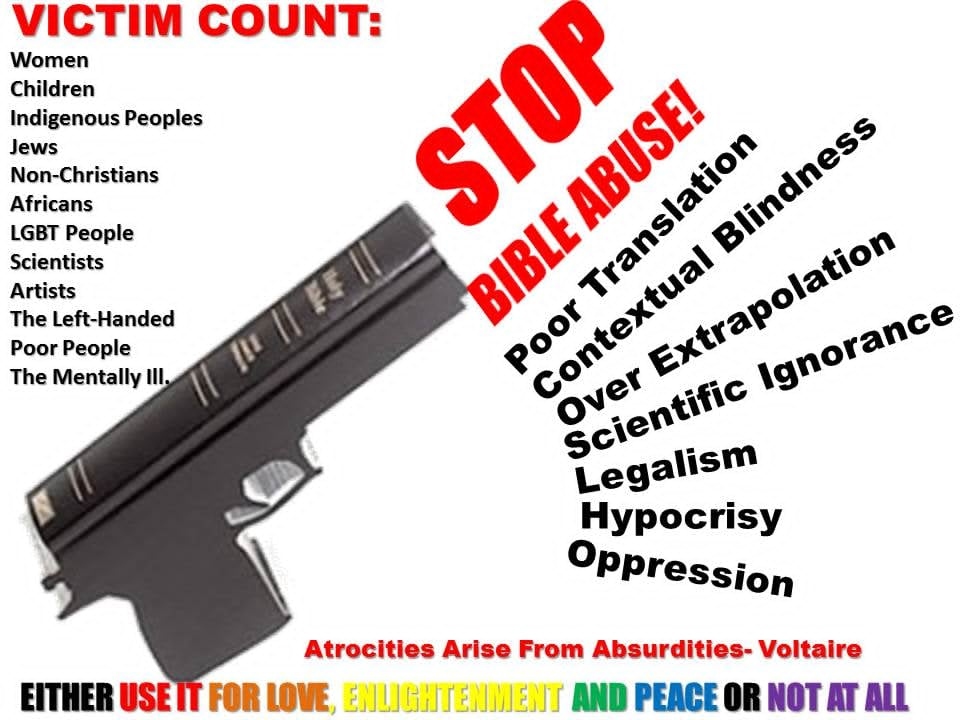
We need to deconstruct from that kind of Bible Abuse. It is slave master culture.
Physical abuse breaks a person down. It does not build them up. It is eliciting submission through intimidation and a Pavlovian response to pain reserved for dumb beasts.
But we were never dumb beasts. We are homo sapiens (the thinking ape)—no matter how much White Supremacists and of late Indian Supremacists claim otherwise.
Afro-ethnic people are homo-sapiens worthy of an Authoritative Upraising. Here is the difference clearly illustrated:
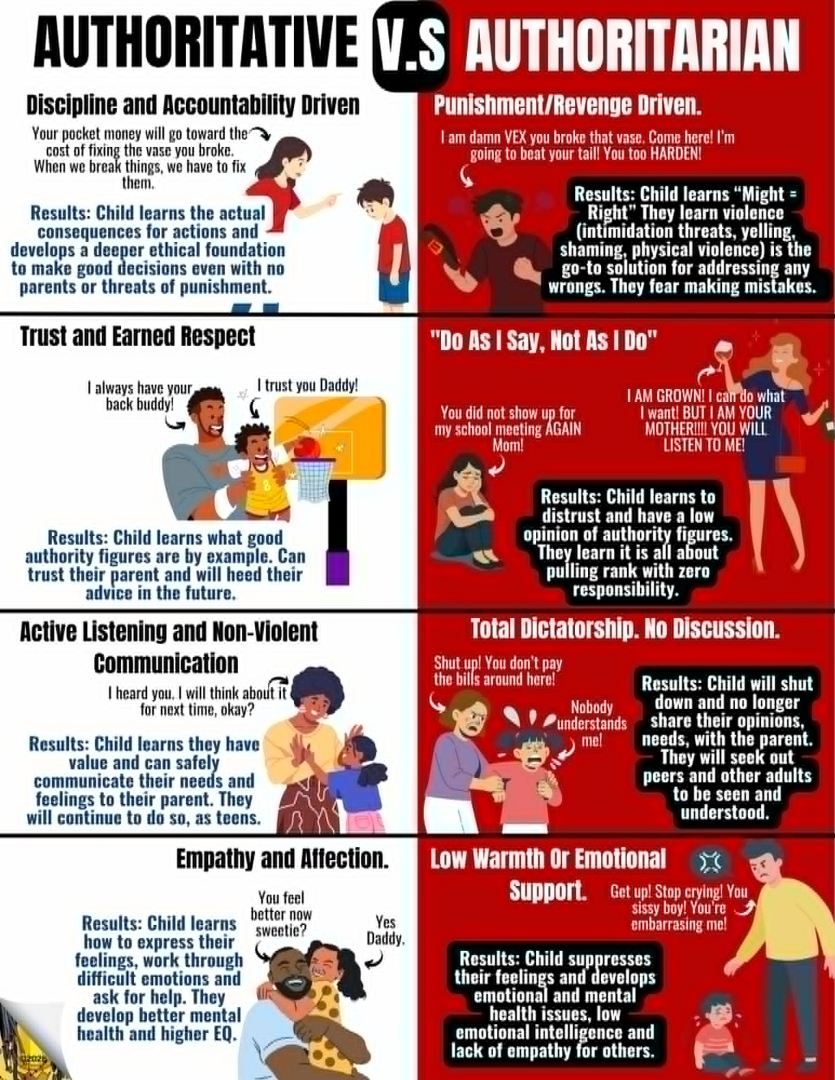
When we understand the full context of what the “rod/staff” means, it means a parent should be to a child what a shepherd is to sheep. They need to be able to elicit the same level of trust from a child that a sheep has for a shepherd, through a consistent pattern of positive outcomes from following their lead.
Just as a shepherd’s intelligence level is far beyond that of sheep, parents to be 10,000x more intelligent and masterful than their child.
- “The most important distinction for offspring in predicting their graduation from high school is being born to a mother aged 25 or older.”
— PMC4868183 - “The positive findings in relation to increasing maternal age were generally consistent with the few other studies on children of older mothers, which focused on neurodevelopment, educational achievement, substance misuse, and juvenile crime.”
— The BMJ
So here is the million-dollar question: do the children who act out the way those Tranquillity students acted out have parents like that? More emotionally mature than they are? More masterful than they are? Trustworthy and lead by example?

I would make a calculated guess that the answer is a resounding NO!
In fact, I would venture that their parents are at the exact stage of intellectual and emotional development as their children.
As for the results of what happens when children (age or intellectual/emotional maturity level) make children, I will let the late, great playwright, intellectual, poet and commentor on the black experience, Oscar Brown Jr, eloquently describe the results:
And no amount of cutass will solve that problem. So, what will?
If you visited Rejkavic, Iceland in the mid-1990s, scenes like that Tranquillity student mob were commonplace. There were alarmingly high rates of teen violence, drinking, smoking, drug use, and delinquency and existing traditional top-down, punishment-based, or religious approaches were ineffective.
How Iceland went from having some of the highest rates of teen substance use and youth delinquency in Europe in the 1990s to among the lowest today, is something we must pay attention to. Especially since it inspired 30+ countries (e.g. Scotland, Canada, Chile) to adopt its model and those countries had comparably positive results as well.
Yes, it is replicable! It is perfect for small populations.
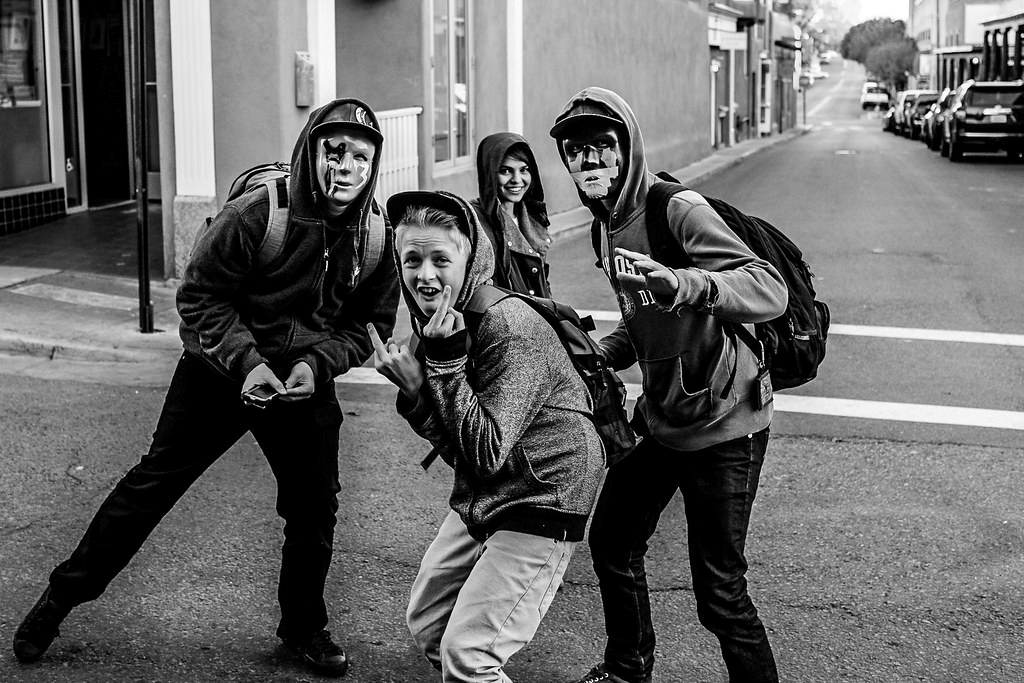
(via Flickr.)
Iceland’s approach to reducing youth delinquency and teen violence is one of the most evidence-based, secular, and successful models in the world and came to be known as the Icelandic Prevention Model (IPM).
It’s one of the starting points for why they have a World Cup Qualifying Football Team and today give working parents more time to spend with their children (fewer working hours, shorter work week).
Here are five main takeaways from the IPM:
Target the Social Environment Not The Victims Of It.
The IPM focuses less on blame and punishment and more on changing the environment (home, school, community). It recognised that delinquency is influenced by social, cultural, and environmental factors (e.g., bad parenting, peer pressure, lack of supervision, teen-emotional issues, limited extracurricular outlets for all that hormonal, teen aggression and angst).
Community Action.
They mobilized the entire community (students, parents, teachers, social workers, police, local government) to form local coalitions to design and implement solutions. Everyone TOOK A PLEDGE to that effect. Yes, you heard that right, STUDENTS were considered stakeholders in their own interventions. They were included in the research and decision-making.
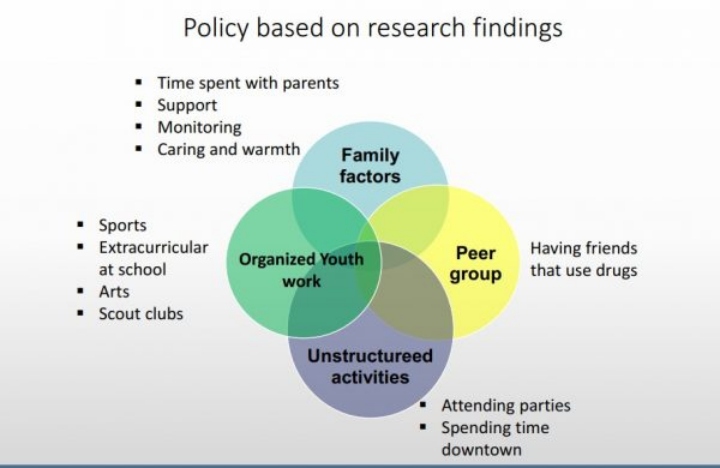
Evidence-Based Not Religious-Based Strategies.
The IPM is built on decades of research in psychology, sociology, and public health, not on religious tradition. That evidence-based strategy, backed by research focused on:
Improving Family Life: Parents were trained in active listening, non-violent communication, and other advanced parental skills. Family counselling was provided for teens dealing with very difficult family issues (divorce, illness, death, unemployment, violence, addiction in the family) that caused them to act out.
Parents were expected to know where their teens were, who they were with, and what they were doing. They promoted regular family dinners and gave parents more time off to spend at home with their kids.

School Engagement: Increased extracurricular activities: Funded sports, music, art, and clubs to keep teens engaged in positive, supervised environments after school. Teachers were educated on recognizing at-risk youth and fostering supportive relationships. Schools enacted anti-bullying programs which reduced the peer violence and social exclusion that leads to peer pressure.
Community Involvement: Community centres created safe, supervised spaces for teens to socialize, take part in mentorship programs from positive adult role models (e.g. coaches, artists, local leaders) or direct their youthful energy into volunteering in their community- clean-ups, assisting the elderly.
Data-Driven Decision Making.
Iceland conducted nationwide surveys to track the progress of the intervention. They used the data to adjust strategies in real time.

Iceland replaced Trinidad and Tobago as the smallest nation to qualify for a senior Fifa World Cup when they participated in the Russia 2018 World Cup.
Curacao has since usurped them as the World Cup’s smallest participant.
Stay Consistent! Allow Time For Program to Work!
It took 15 years of consistent intervention for the positive benefits to fully materialize. That means the intervention lasted through three political elections. Not like here in our Caribbean where one regime dismantles the work (rather than build upon) of the previous regime, Iceland put country above party politics. No matter what party was in power they sustained funding, political will, and community buy-in.
Insanity is trying the same failed thing over and over and expecting different results. Licks is insanity. Punishing the broken victims of a broken system and broken/bad homes is insanity. The time has come to take a different approach.
In the days before the new academic year begins, the quest for books, uniforms and shoes continues. Health is often Read more
“[…] I urge our PM not to use the word ‘coolie’ to self-reference. I accept the fact that you may Read more

There is one image from childhood that has never left me. After the Common Entrance results were announced, the school Read more

A 13-year-old girl singing Tight and Pretty with sexually explicit lyrics is a child protection issue! The Child Protection Unit Read more
“[…] I remember July 27, 1990—the fear, the uncertainty, the families gathered around radios and television sets. The attempted coup Read more

Yes, I personally hate the term “first world” but it drives the point home emphatically in this instance. Trinidad and Read more

Jessica Joseph is currently the Creative Director of Accela Marketing St Lucia/Canada. She is a multiple ADDY Award Winning Trinidadian national, Pop Cultural Anthropologist and Humans Rights Activist.
She blogs on Huffington Post and alieninthecaribbean.blogspot.com.