 Wired868 Wired868 for smart sport news and opinion
A recent comment from a visiting sailor has stayed with me in a way that is both embarrassing and deeply concerning. He shared that as he approached Trinidad by sea, he did not need a map to know where he was.
The number of plastic bottles floating in our waters told him clearly that he was nearing our shores.
That statement should give all of us pause.
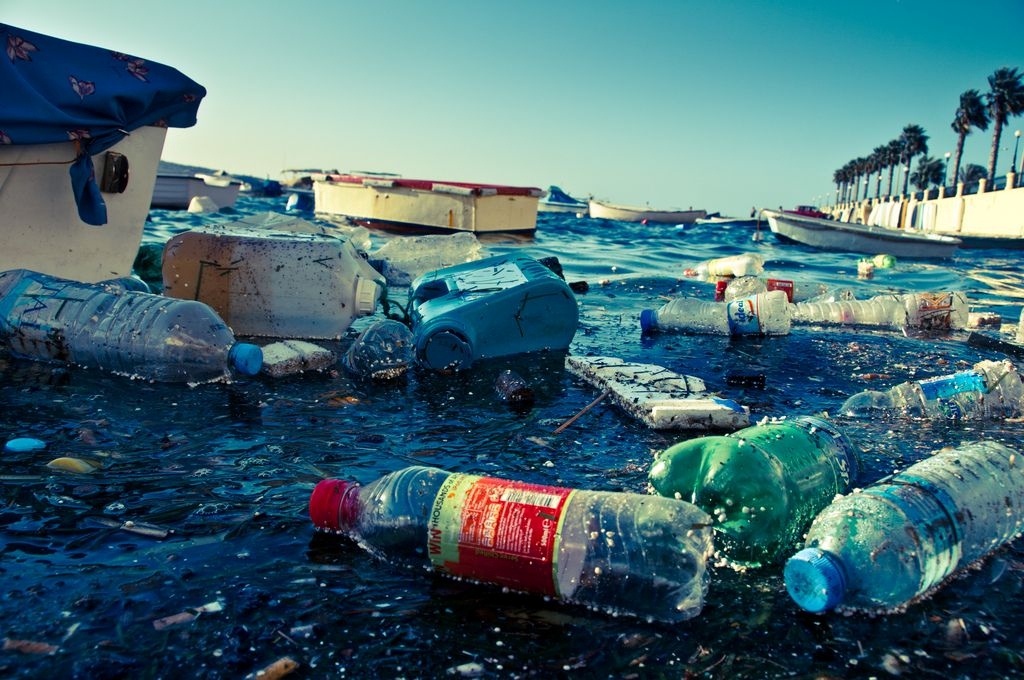
Photo: Vox.
Trinidad and Tobago is a beautiful country, but our approach to garbage management undermines that reality. In some communities, garbage is collected three times per week. In others, collection is inconsistent—biweekly or even monthly.
This uneven system contributes directly to the build-up of waste in public spaces, drains, and waterways. What is even more troubling is the absence of a structured, national approach to waste separation.
In many other countries I have visited, garbage collection is organized and predictable: one day for general waste, another for plastics, and another for bottles or recyclables. This consistency not only improves efficiency but also encourages citizens to adopt cleaner, more responsible habits.
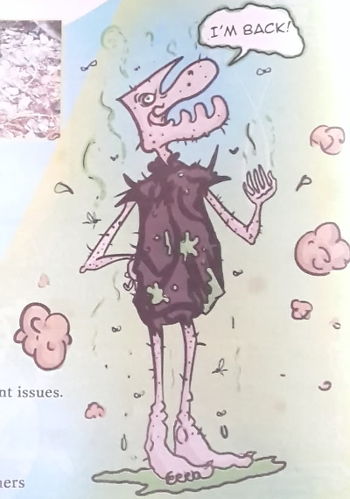
Here at home, the lack of such systems fosters a culture of indifference. When people see garbage piling up or floating in rivers, it gradually becomes normalized. I have personally observed dirty plastics lining our waterways—clear evidence of a system that is not working.
This is not simply a matter of aesthetics; it is a public health and environmental issue. Poor waste management affects drainage, contributes to flooding, harms marine life, and diminishes national pride.
The current government must take a more deliberate and structured approach. A standardised, island-wide waste collection schedule, combined with public education and enforcement, could significantly improve conditions. Citizens will respond when systems are clear, consistent, and fair.
We cannot continue as we are. If a visitor can identify our country by the garbage in our waters, then it is time for serious reflection—and decisive action.
This issue of garbage management is not one that has been seriously implemented by either of the political parties that talk about improving our country. We must do better.
“[…] I urge our PM not to use the word ‘coolie’ to self-reference. I accept the fact that you may Read more

In two years, I will be a pensioner myself. So when I say the upcoming budget must increase the old Read more
“[…] ‘No rule was broken’ is a legal answer to a question that isn’t, at its heart, legal. It’s a Read more
Is this new UNC Government celebrating our Independence, or declaring its independence from public accountability and the rights of its Read more
“[…] As the applause faded, I thought about our inconsistent and unreliable water schedule, even in the rainy season. I’ve Read more
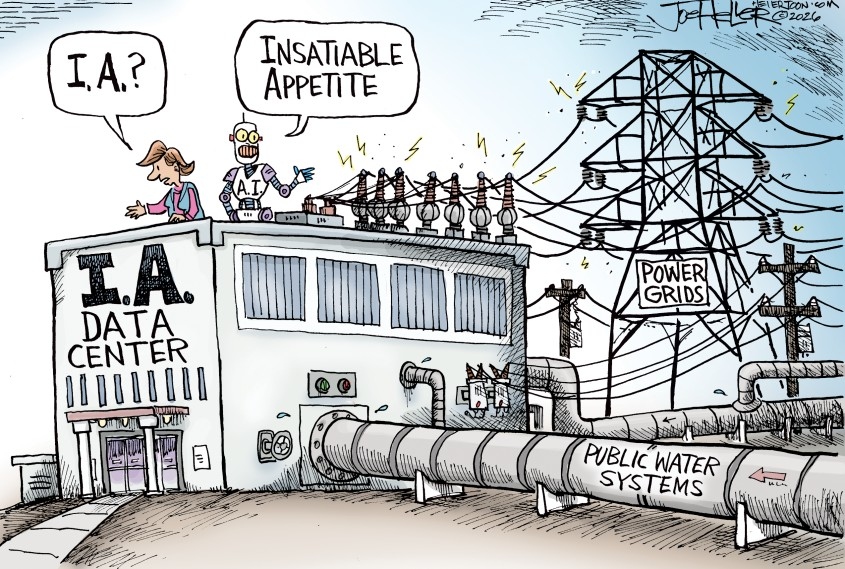
There is a strange irony in the national conversation now unfolding. We are being asked to consider hosting artificial intelligence Read more

Dennise Demming grew up in East Dry River, Port of Spain and has more than 30 years experience as a communication strategist, political commentator and event planner. She has 15 years experience lecturing business communications at UWI and is the co-licensee for TEDxPortofSpain. Dennise is a member of the HOPE political party.