 Wired868 Wired868 for smart sport news and opinion
I wasn’t at last night’s Concacaf Men’s Under-17 Qualifiers game. I took it for granted that we would get past Barbados and the other Caribbean nations, so I was planning to go to the Mexico game only. I guessed wrong.
But something I’ve been pointing to comes to the fore here.
It is all well and good to point to Peru and Mexico and Costa Rica having pros and us only having schoolboys as a reason we invariably fall to them (although we have beaten all of the above before with “schoolboys” at youth level).
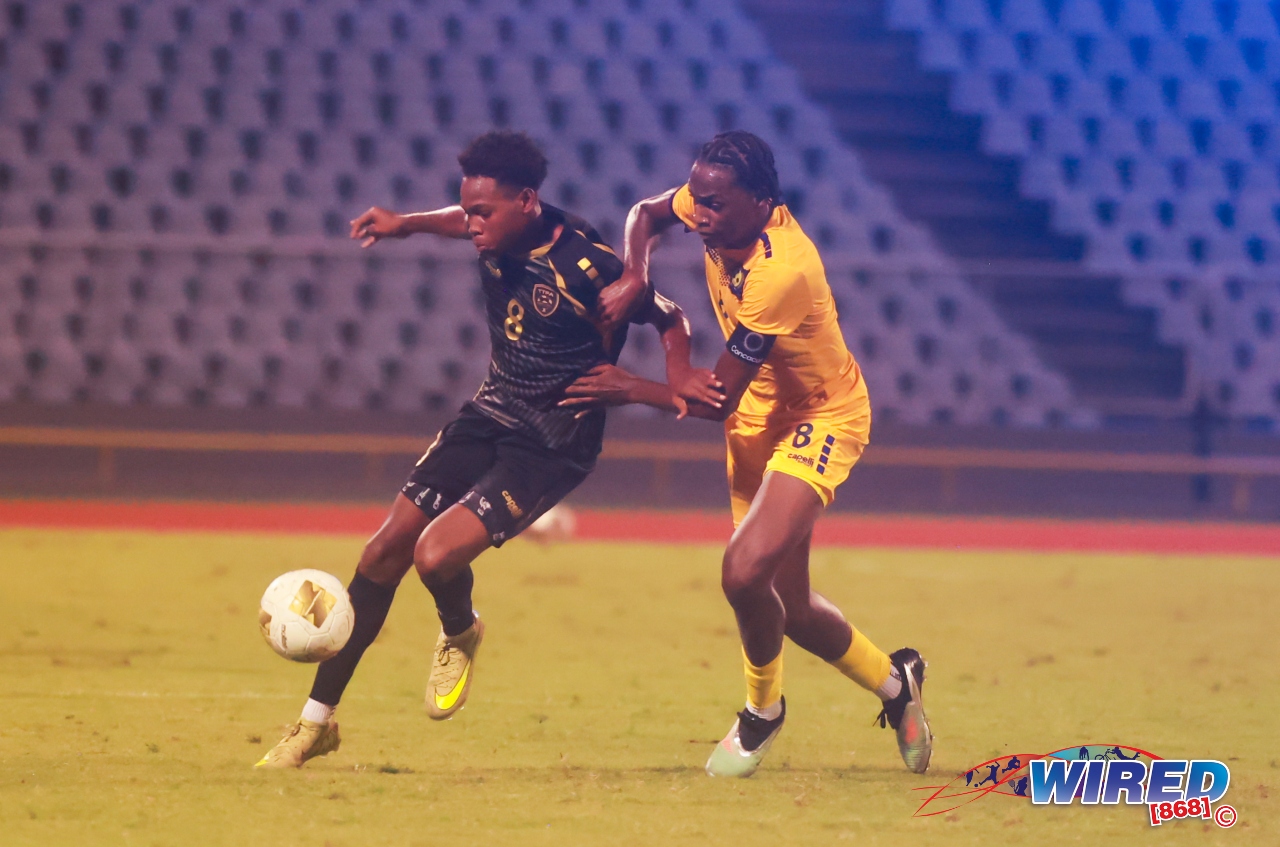
Photo: Nicholas Bhajan/ Wired868.
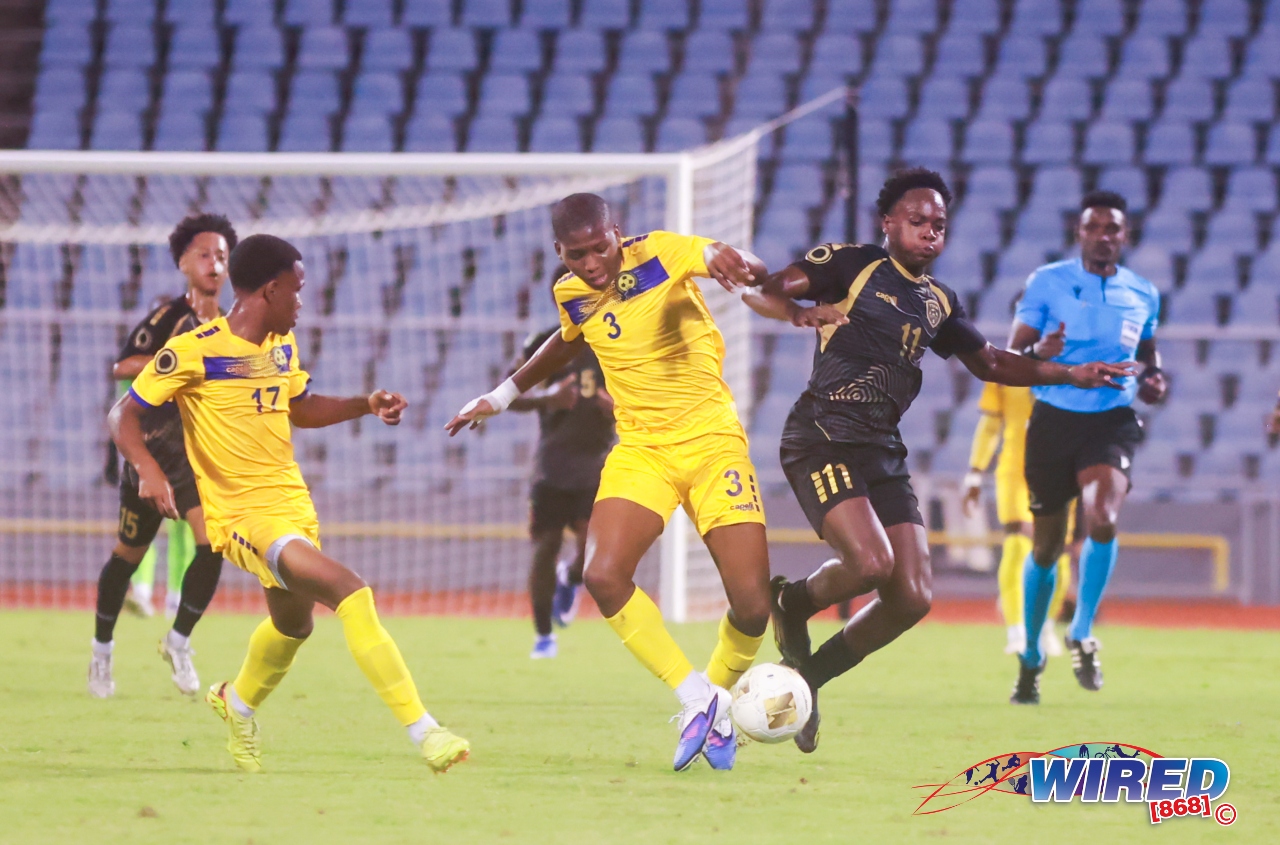
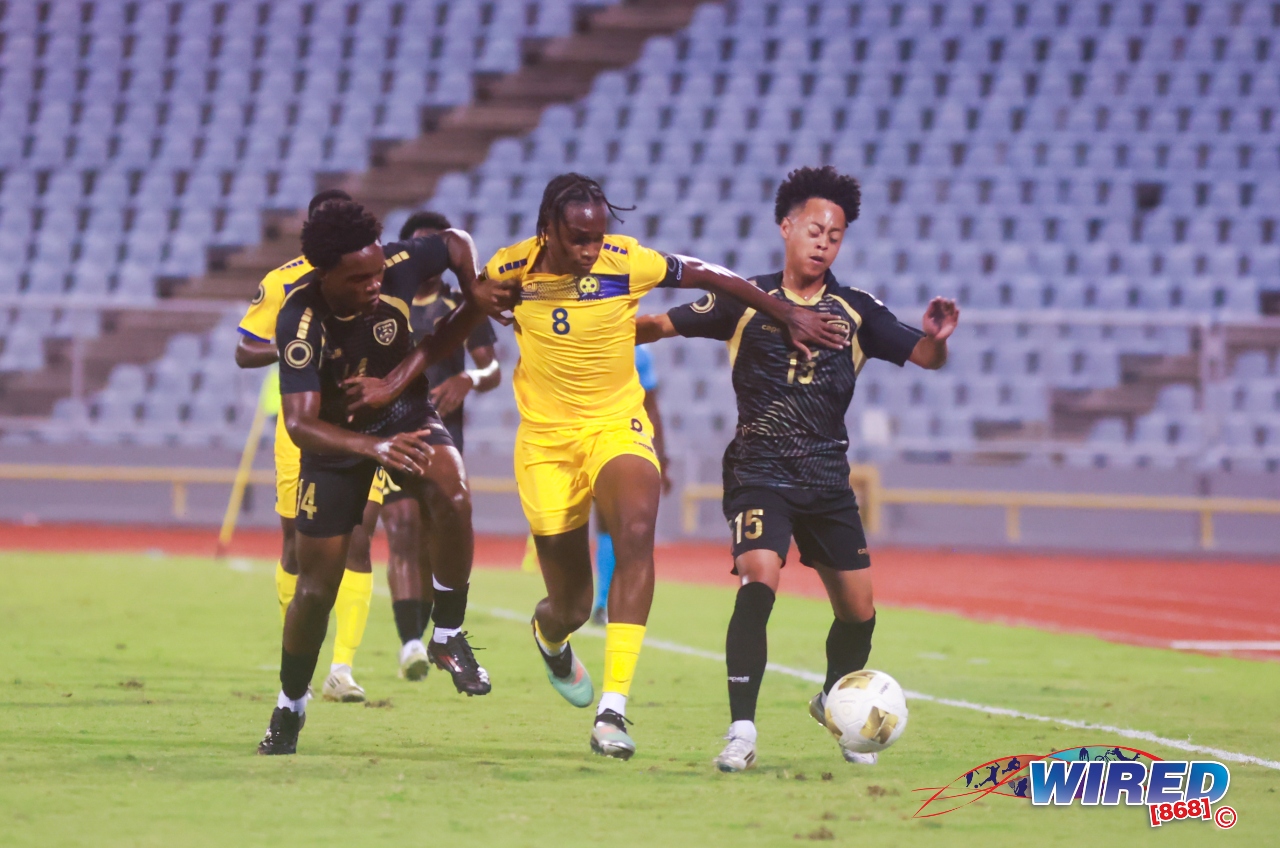
But what is the excuse/reason for falling to Barbados—at home?
I have said and I will continue to say that coaching in Trinidad and Tobago has been transformed to recruiting; or vice versa.
We have schools in one zone who have boys from every other zone (and island) playing for them. They have a collection of the best XI players that they can put on the field, while facing schools that can’t do that.
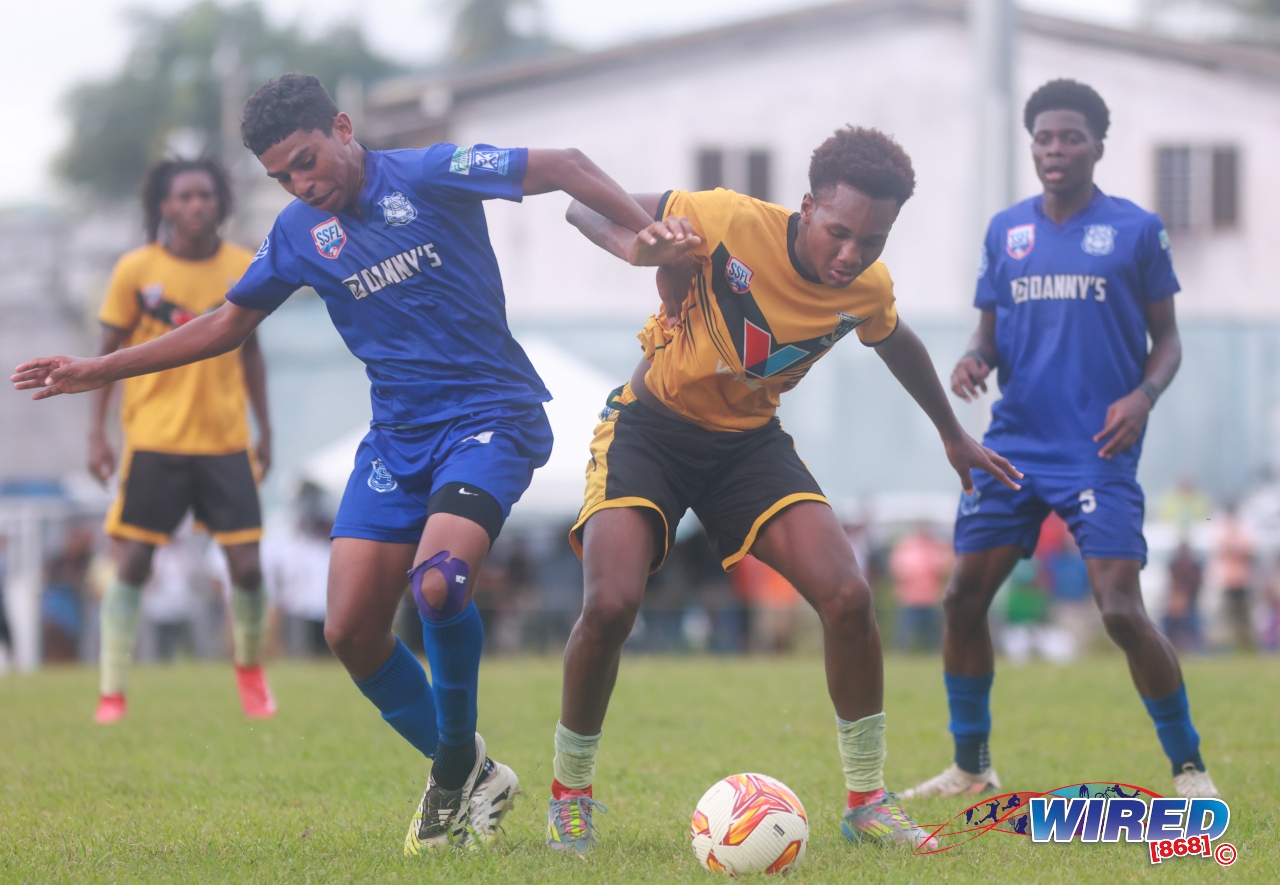
Photo: Nicholas Bhajan/ Wired868.
The same goes at youth club level. These boys aren’t bettered technically or tactically at those teams to any large degree. It’s just a case of good players versus a team that may be better coached but lacks the equivalent talent.
Invariably, the team with the better talent wins because a boy solves a problem—or a boy from the less talented team makes a mistake.
Coaches are applauded for that, hailed as the greatest, and then given national teams. And they approach the national job with the same mindset. Who changes a winning formula, right?
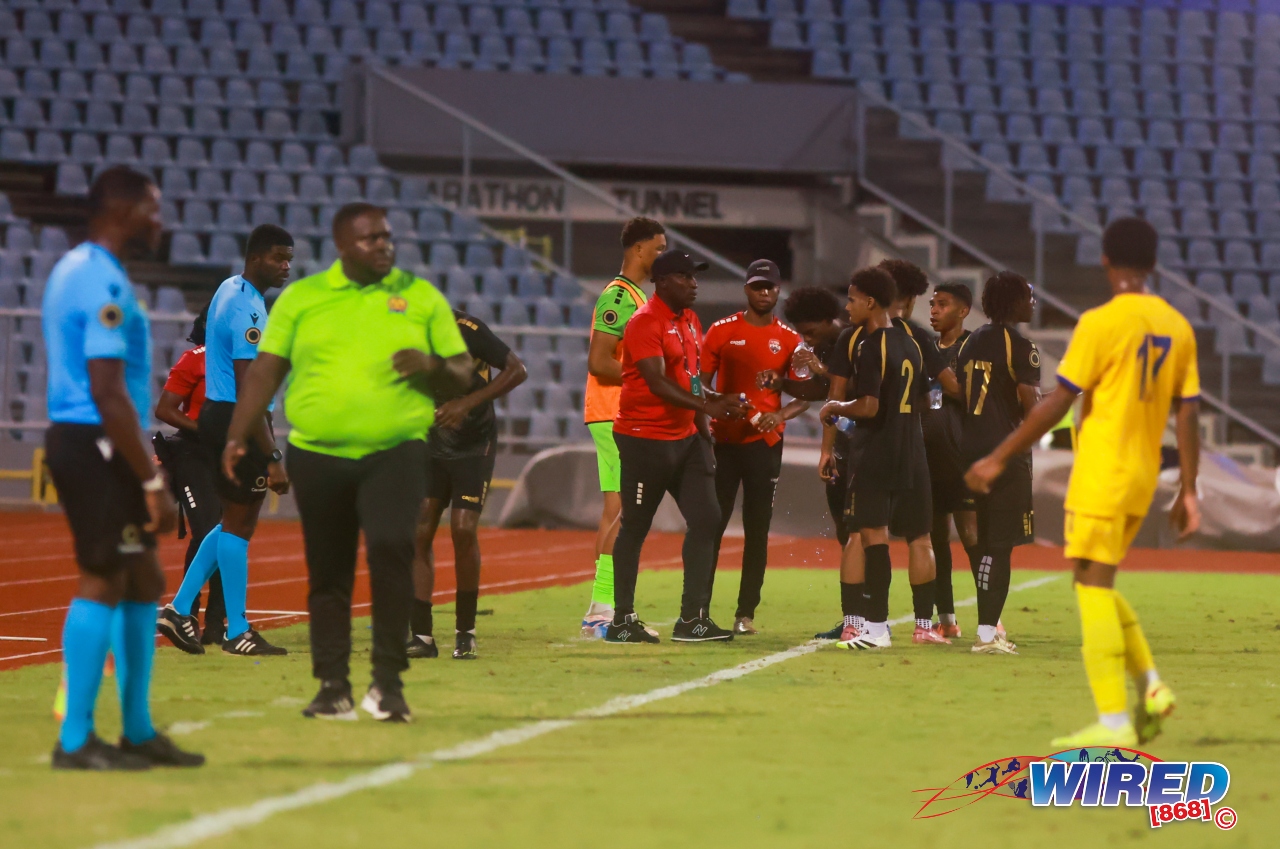
Photo: Nicholas Bhajan/ Wired868.
But guess what? The opponents you are going to face in Concacaf are also made up of the best players from their countries—but they also have been exposed to technical and tactical scenarios that occur in game situations and they are given a plan/framework to solve the problems.
Those players have a reference of what to do and what to use their skill to do in each situation. In other words, they have been coached—not just recruited and assembled.
We have a high performance program that regularly and consistently puts out teams and players that cannot give a high performance. Why?
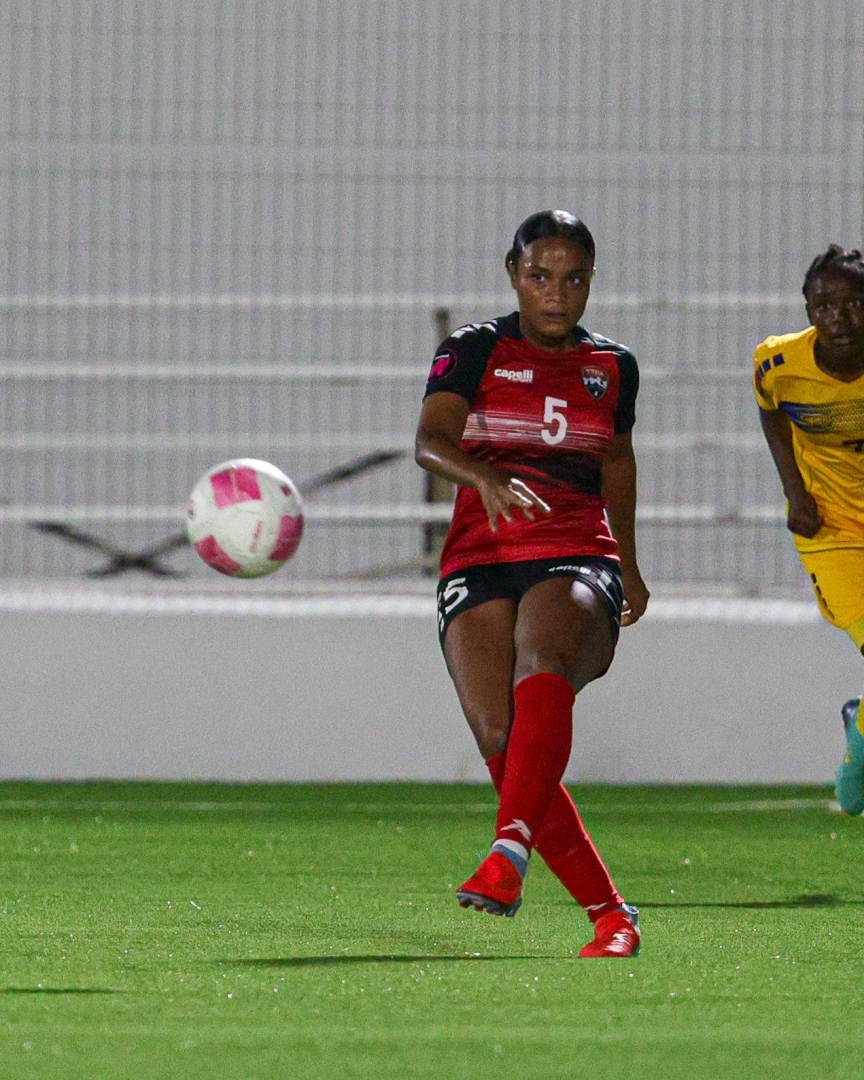
(via TTFA Media.)
Because coaches are not doing the right things at that level. It is not necessarily their fault, because if you look at the coaches in charge of these youths they themselves are inexperienced.
Anyone running such a program should know that the younger players need your better coaches. Because that is where technique and game insight is planted and cultivated.
The blame assigned at the feet of school programmes is also misdirected. A lot of people talk about clubs doing development work based on their times as players, back in the 80s and early 90s.
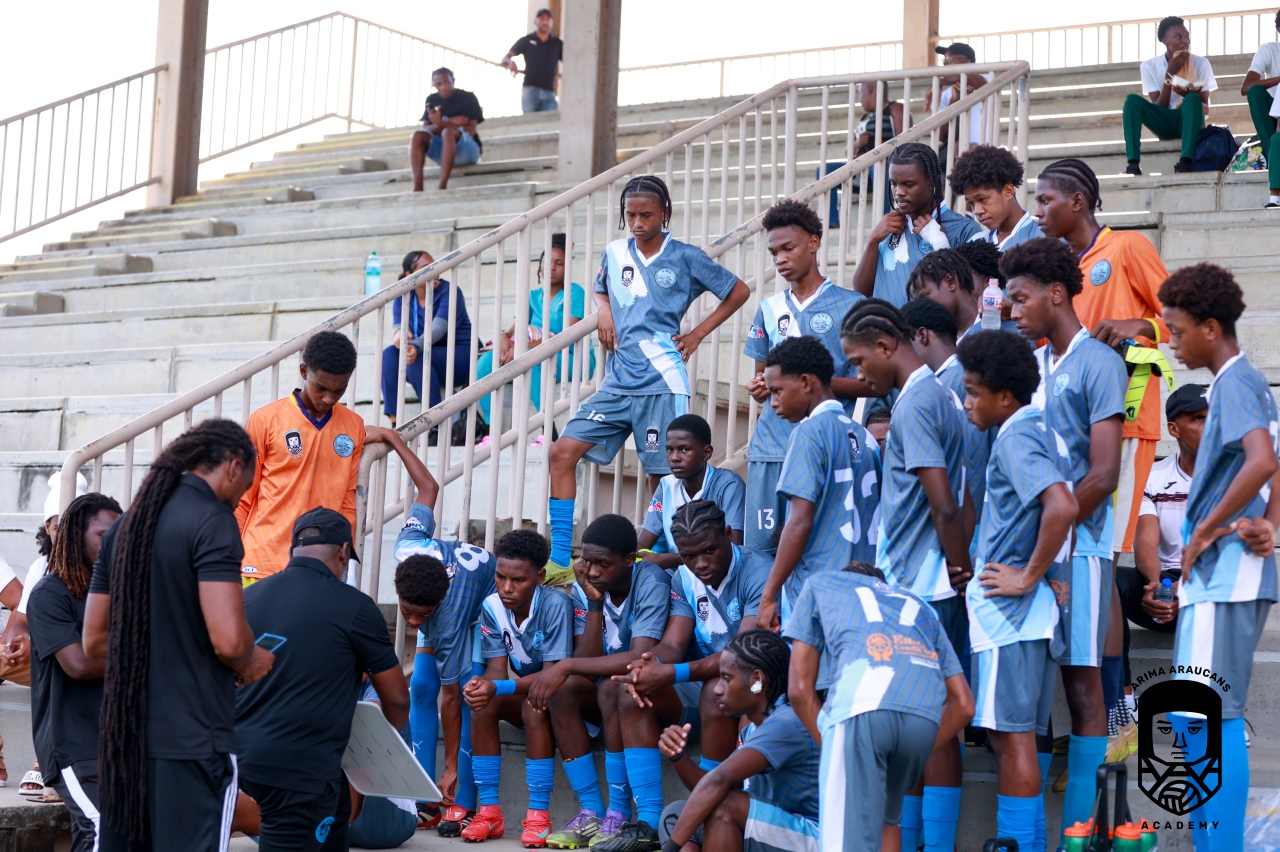
Photo: Nicholas Bhajan/ Arima Araucans.
I dare them to say when last they went to watch a Jabloteh, Club Sando or AC POS youth team play, for example. I see and play against them all the time and, again, recruiting has replaced coaching.
This is because developmental coaching done the right way is very hard, very tedious and not glamorous. But it is essential.
Clubs no longer care for that work. So, guess who does it? The same schools who cannot recruit the best players.
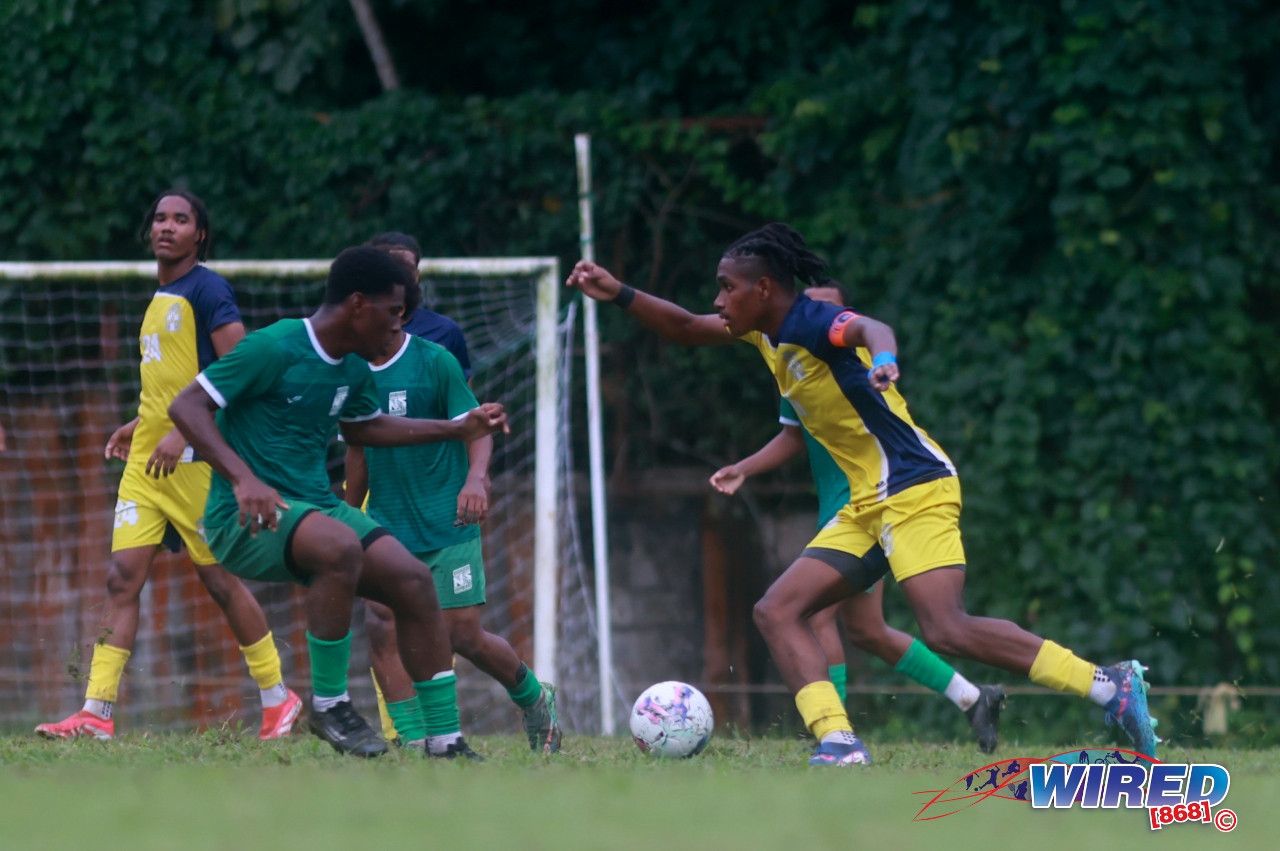
Photo: Nicholas Bhajan/ Wired868.
They are the ones, because they need to do so in order to survive in the SSFL Premier Division, against the schools who recruit from Toco to Montego with Palatuvier in between.
It may not be perfect work these school academies are doing. But trust me when I say it will always be superior to the work of the bigger clubs and schools, who are just trying to pinch and steal the better players.
I don’t know any team that can say they did not ever recruit. The point of the column wasn’t to say that recruiting is bad. Recruiting is often necessary.
Where I have an issue is when all we do is recruit and not coach.
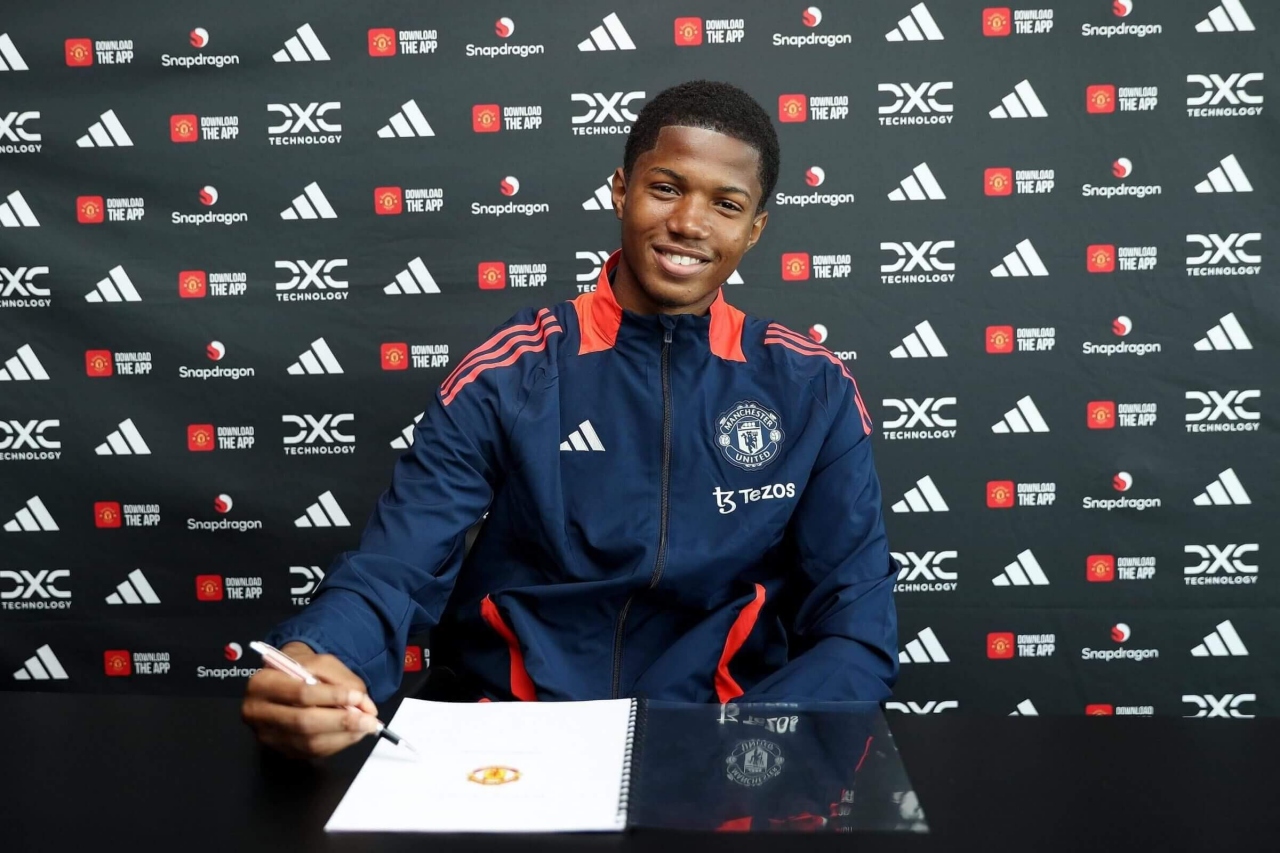
Manchester United still has to complete the development of the young man, who has played seven times for their first team.
(via NYT.)
All around the world they recruit. But then that talent is taught the things that they need to have an overall improvement in their game. This is the missing part in our landscape.
Coaches recruit and whatever a boy comes with, that is what they utilise. So ‘Player A’ is quick but his first touch and hold up play isn’t good.
What does the coach do? Work to develop the player’s weak points? Nope.
Instead, he asks the other players to play only balls into space so that player can use his speed.
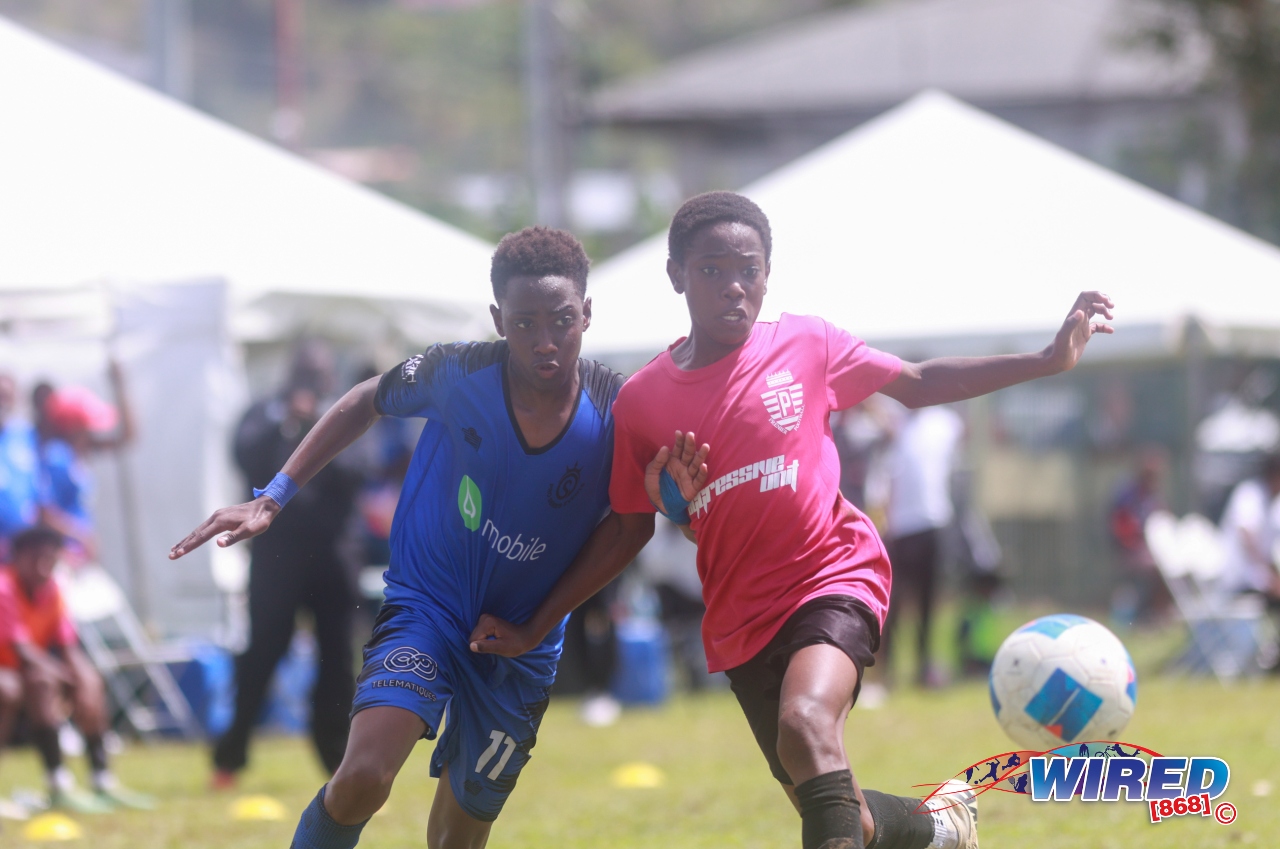
Photo: Nicholas Bhajan/ Wired868.
If they play in to his feet and he loses the ball, often you hear coaches scolding the player who made the pass with the phrase: “[…] know your players…”.
So recruiting is not bad—but recruiting and not developing is a sin.
For football to move back to a healthy position in this country, coaching—which has been shelved and replaced by recruiting and collecting—has to return.
Just a few days after a rough friendly outing away to Lima, Peru, Trinidad and Tobago’s Under-17 Men’s football team Read more

A question on The Burdie and Barney podcast during our discussion with former England Premier League and 2006 World Cup Read more
Randolph Boyce’s tenure as Trinidad and Tobago Men’s National Under-17 Team head coach could only get better from here. It Read more
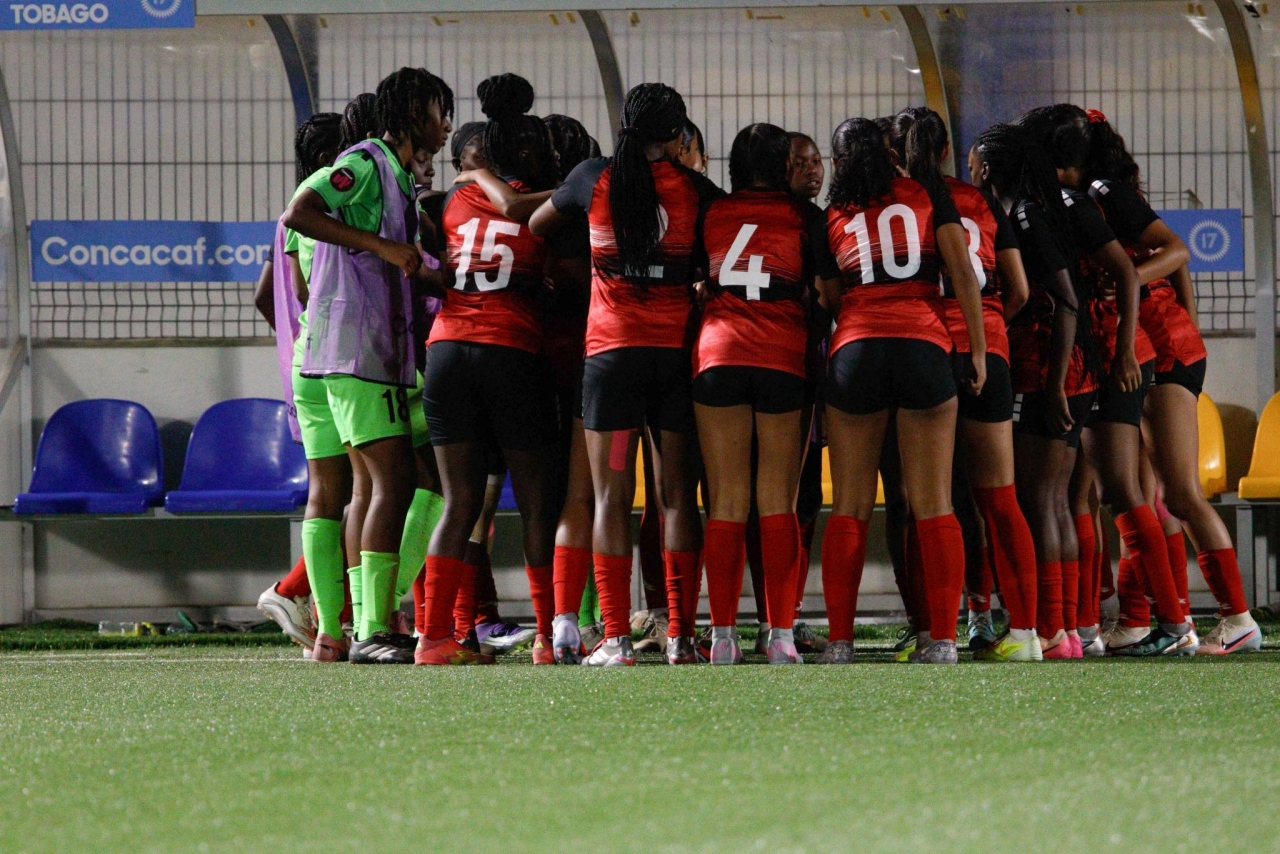
Trinidad and Tobago’s dream of qualifying for the Morocco 2026 Fifa U-17 Women’s World Cup was extinguished in just three Read more

Youth development in Trinidad, simply put, consists of tournaments and competitions. The Secondary Schools Football League (SSFL), Youth Pro League Read more

On 25 July, Trinidad and Tobago Football Association (TTFA) president Kieron Edwards suggested that “progress” was being made with regards Read more

Wayne Sheppard is the head coach of QPCC, the Arima North Secondary technical director and ex-Men’s National U-15 assistant coach. He holds a TTFA ‘A’ coaching license and diplomas from USC, CANOC and TTOC.
He is the co-host of the Burdie and Barney Show and a former T&T National U-23 and U-17 player.
While I agree with Sheppy’s central premise that over-reliance on recruitment has eroded coaching quality at youth levels, his analysis stops short of addressing the deeper, systemic failure stifling Trinidad and Tobago football. The problem is not just that recruiting has replaced coaching—it’s that our football culture has failed to modernise tactically, technologically, and philosophically, even as our athletes excel abroad.
The question isn’t just “who is coaching?” but “how are they coaching—and is it modern enough to compete?”
Yes, assembling talent without growing match IQ is a dead end. But the issue extends beyond schools and clubs “collecting” players. The real failure lies in a persistent lack of strategic vision, tactical education, and data-driven player development at every level of the national setup.
Sheppy rightly notes that opponents in Concacaf “have been exposed to technical and tactical scenarios” and operate within a plan. Yet, why does T&T—despite access to video analysis, performance data, and international best practices—still approach matches with seemingly outdated frameworks? Our youth teams often appear tactically rigid, naive and prone to blunders and innacuracies, while regional rivals adapt dynamically. This isn’t due to a lack of talent; it’s a failure of football intellect and local coaching methodology.
The suggestion that inexperienced coaches are guiding youth national teams underscores a critical flaw: We are not investing in coach education aligned with contemporary football. Coaching in T&T must evolve from a role based on reputation or recruitment networks to one built on continuous learning, tactical innovation, and analytical preparation. The tools—livestreaming, performance trackers, video software—are accessible and affordable. Yet, a traditional mindset often prevails, one that values physicality and individual brilliance over systematic play and tactical nuance.
Furthermore, to claim that non-recruiting schools and smaller clubs are doing “superior” development work, while well-intentioned, risks romanticising under-resourced efforts. Survival-driven coaching is not the same as holistic, modern player development. Without a coordinated national football philosophy and curriculum—from youth clubs to national teams—we will continue to produce players who thrive in structured foreign environments but look lost in our own set-up.
Finally, the result against Barbados is not merely a symptom of poor coaching or over-recruitment. It reflects a broader cultural complacency. We assume our historical talent pool will naturally translate to success. But today’s global football requires more: detailed opposition analysis, in-game tactical adjustments, sports science integration, and psychological preparation. Our athletes deserve a system that matches their potential with modern expertise.
Recruitment is not the disease—it’s a symptom. The cure requires a nationwide commitment to elevating coaching standards, embracing technology and data, and instilling a proactive, tactically sophisticated football culture. Until then, we will keep watching our best talents flourish elsewhere while our national teams underperform.