 Wired868 Wired868 for smart sport news and opinion
“[…] Trinidad and Tobago football is underperforming not due to lack of talent, but because of fragmented systems, weak development pathways, and inconsistent leadership.
“The goal to success is to create a clear, sustainable pipeline from youth to senior national teams, supported by modern coaching, sport science, and consistent national philosophy…”
The following Letter to the Editor on the state of the Trinidad and Tobago national football teams was submitted to Wired868 by Canada-based track coach Tony Hatt:

Trinidad and Tobago lost 2-0 to El Salvador in Port of Spain, which ended the host’s hopes of qualifying for the 2027 Women’s World Cup and the Los Angeles 2028 Olympic Games.
Photo: TTFA Media.
At the conclusion of the recent World Cup qualification campaigns for all of our national teams, I have concluded that Trinidad and Tobago football is not failing for one single reason.
It is a mix of structural, technical, and cultural issues that have built up over time.
1. Weak football administration (the biggest issue).
The Trinidad and Tobago Football Association has had years of instability, debt, and governance problems.
- Fifa even had to step in and suspend the federation at one point due to governance disputes.
- Frequent changes in leadership and direction mean no long-term plan.
- Resources are often mismanaged or inconsistently distributed.
Bottom line: you cannot build consistent success without stable leadership!
2. Poor player development system.
This is where the real gap shows up.

(via TTFA Media.)
- Lack of a strong national youth development pipeline;
- Weak school-to-club transition structure;
- Limited scouting and talent identification nationwide.
Our problems run “across the board” in development, not just at senior level.
Translation: Talent exists, but it’s not being systematically developed.
3. Decline of the domestic league.
The local league structure has struggled:

Photo: Nicholas Bhajan/ Wired868.
- Inconsistent funding and professionalism;
- Clubs not financially stable;
- Limited exposure for young players.
That means fewer players are:
- Getting high-level competition;
- Being prepared for international football.
4. No replacement for the “golden generation”.
After the 2006 World Cup era (players like Stern John, Kenwyne Jones, Dwight Yorke, etc), the pipeline has dried up.
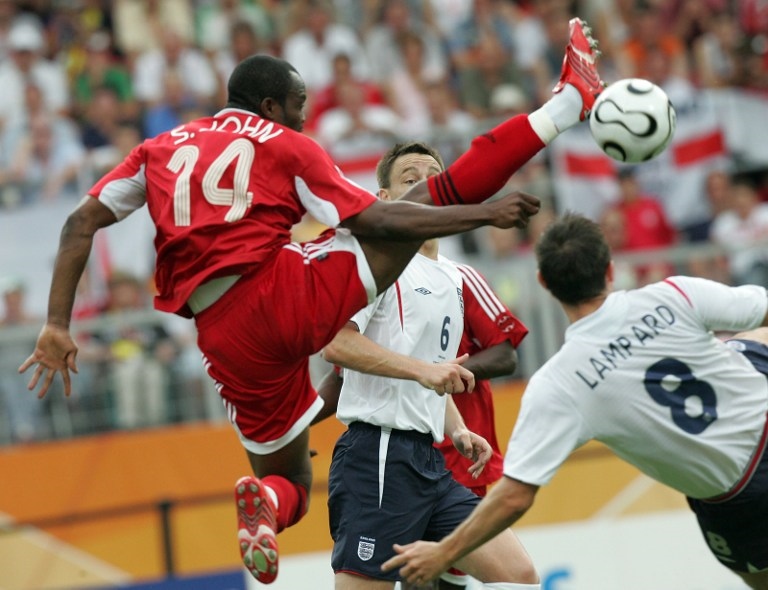
(Copyright AFP Photo/ Robert Schmidt.)
- The current team still lacks a dependable goal scorer/striker;
- Goal scoring is now a system-wide issue.
That’s not coincidence, that is development failure.
5. Tactical and mental weaknesses.
Even when the team competes, they struggle to close games:
- Lose focus in key moments;
- Lack composure under pressure;
- Poor game management late in matches.
This points to gaps in coaching, preparation and experience.
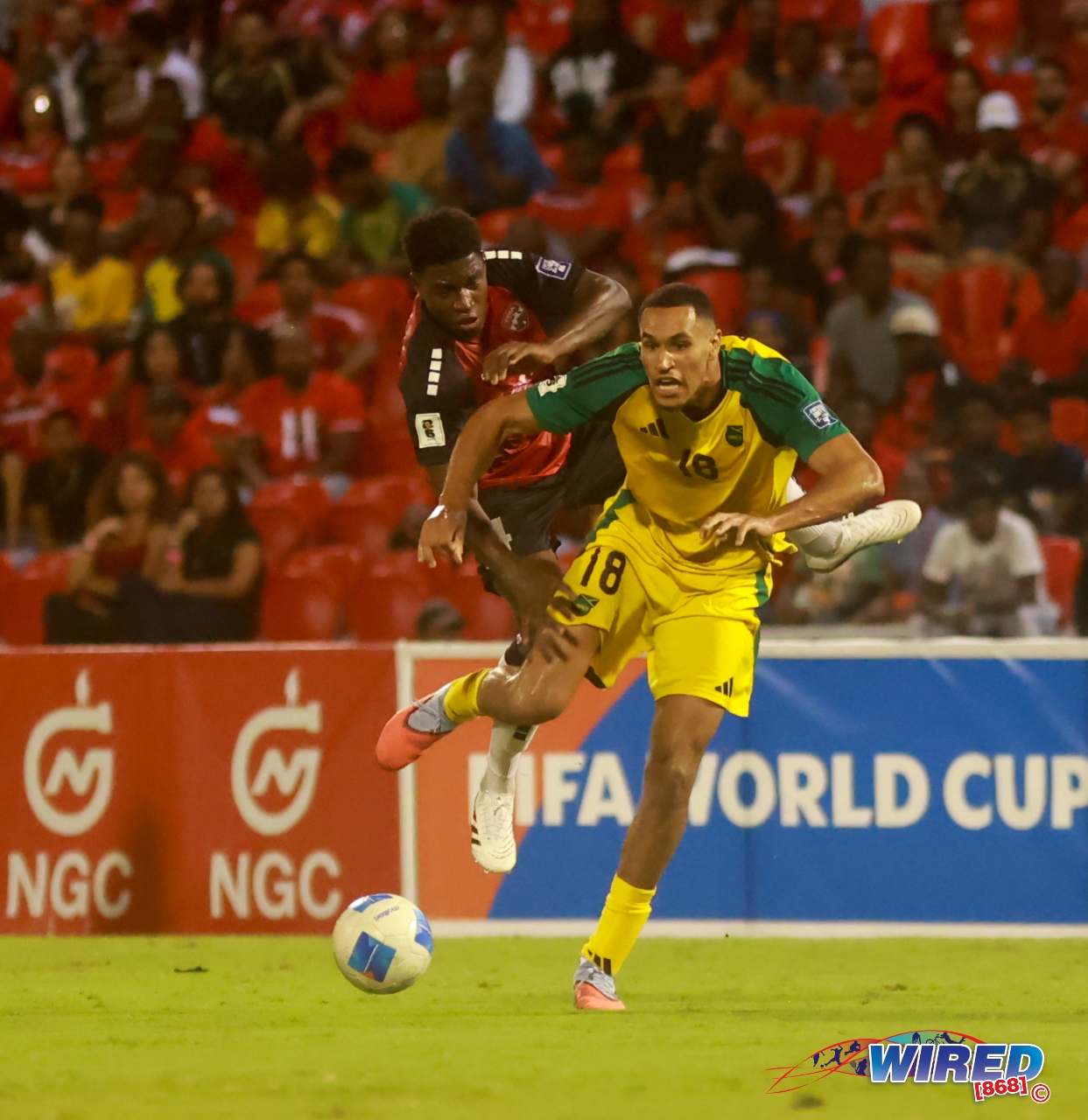
Photo: Nicholas Bhajan/ Wired868.
6. Lack of long-term football strategy.
There is a bigger issue:
- Talent exists, but systems do not convert it into sustained success;
- No coordinated national or regional football model.
Trinidad and Tobago football lacks a clear identity:
- What style do they play?
- What type of player are they developing?

Looking on are (from left) assistant coach Russell Latapy, head coach Dwight Yorke, Minister of Sport and Youth Affairs Phillip Watts, and TTFA media manager Shaun Fuentes.
Photo: UNC.
7. Wider social and economic pressures.
This does not get talked about enough:
- Crime and instability affect communities and youth development;
- Limited investment compared to global football systems;
- Competing priorities for young athletes (migration, education, work).
These indirectly weaken the football pipeline.

Hoyce, 28, was murdered on 27 December 2025.
(Courtesy MexSport/ CONCACAF)
8. Stagnation in results.
The outcome is visible:
- Fifa ranking hovering around 100 with little progress;
- Years without major tournament success;
- Struggling to qualify consistently.
The truth, with no sugar-coating, is that Trinidad and Tobago is not failing because of talent.
It is failing because: there is no aligned system connecting youth → coaching → league → national team.
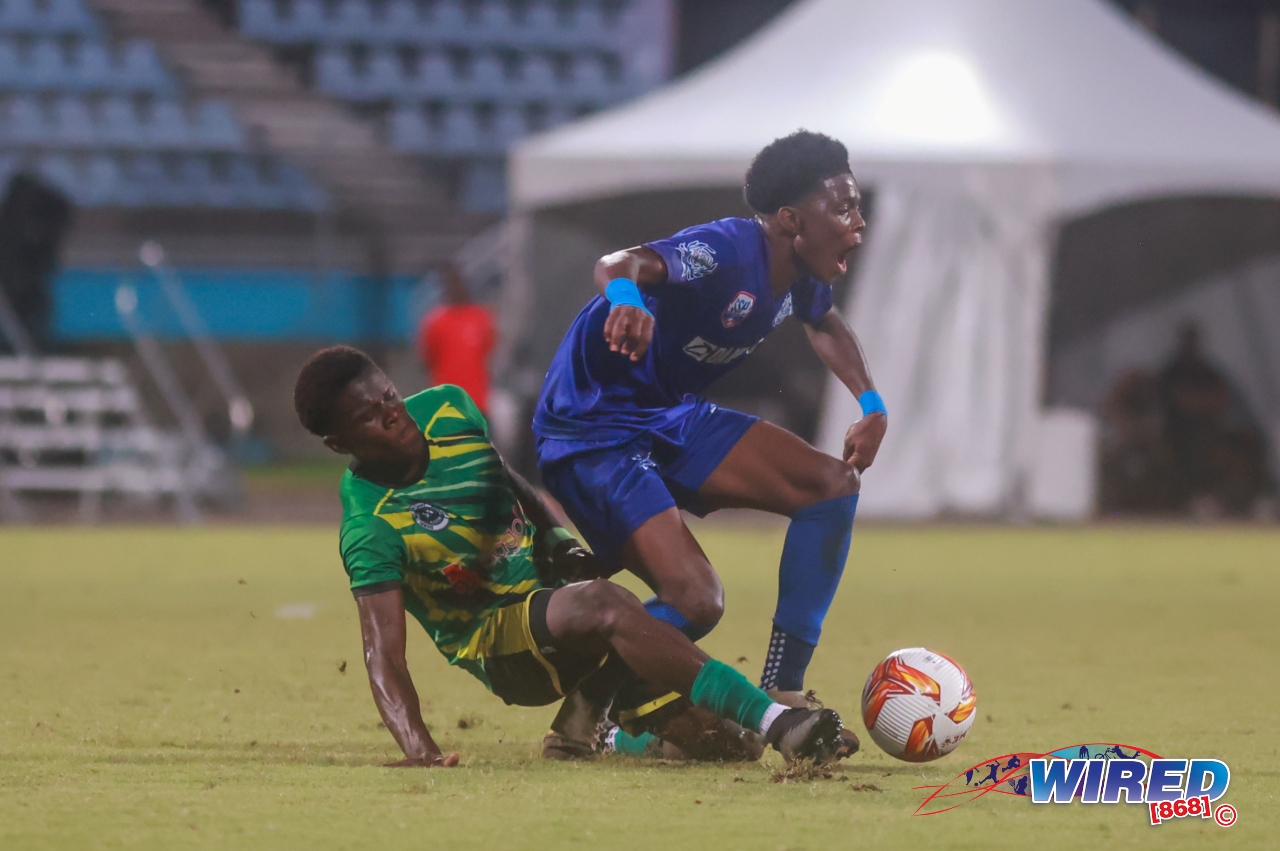
Photo: Nicholas Bhajan/ Wired868.
What would fix it (quickly)?
Based on everything I have been talking about, I reiterate once again:
- National technical director (high-performance lead);
- Discipline-specific (attacking, defensive, set-piece, etc) national coaches (like I have addressed in my model for track and field but for football);
- School-based talent ID system;
- Stronger domestic league structure;
- Clear national playing philosophy.
Trinidad and Tobago football is underperforming not due to lack of talent, but because of fragmented systems, weak development pathways, and inconsistent leadership.
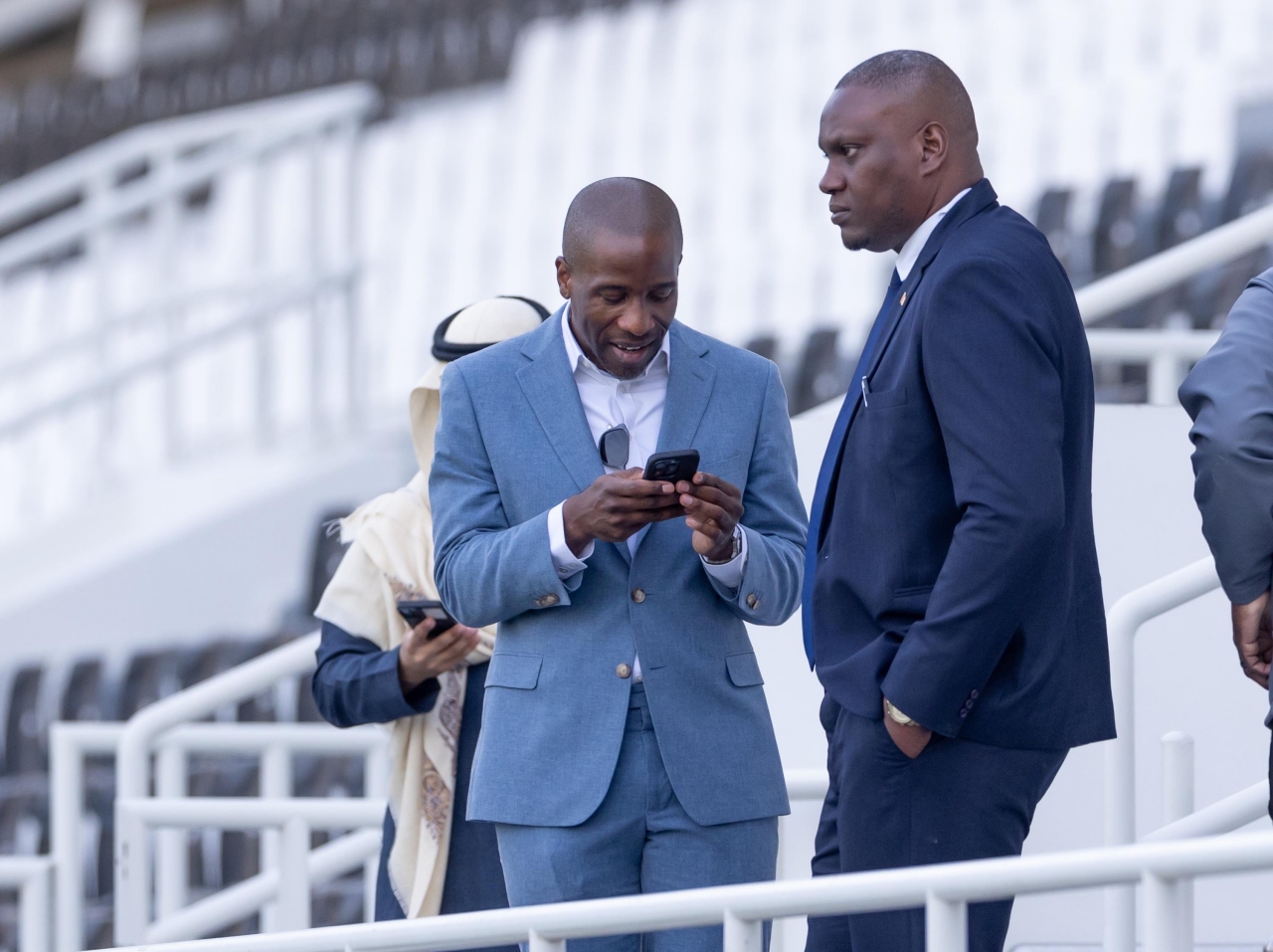
(via TTFA Media.)
The goal to success is to create a clear, sustainable pipeline from youth to senior national teams, supported by modern coaching, sport science, and consistent national philosophy.
Trinidad and Tobago football is not struggling because of a lack of talent, it is struggling because the system to develop that talent is fragmented and inconsistent.
Within three to five years, Trinidad and Tobago can restore international competitiveness, improve our Fifa ranking, and consistently produce elite players for global football.

“[…] Concacaf has announced that a 16-team Women’s U-17 qualifying competition will take place in February 2027, as part of Read more
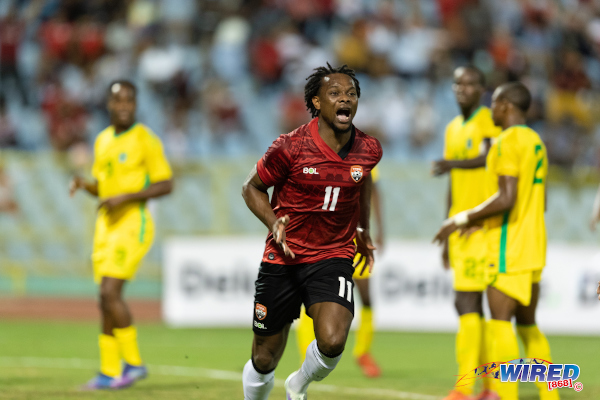
The Trinidad and Tobago Men’s National Senior players are prepared to represent their country in the 2026 Concacaf Nations League Read more
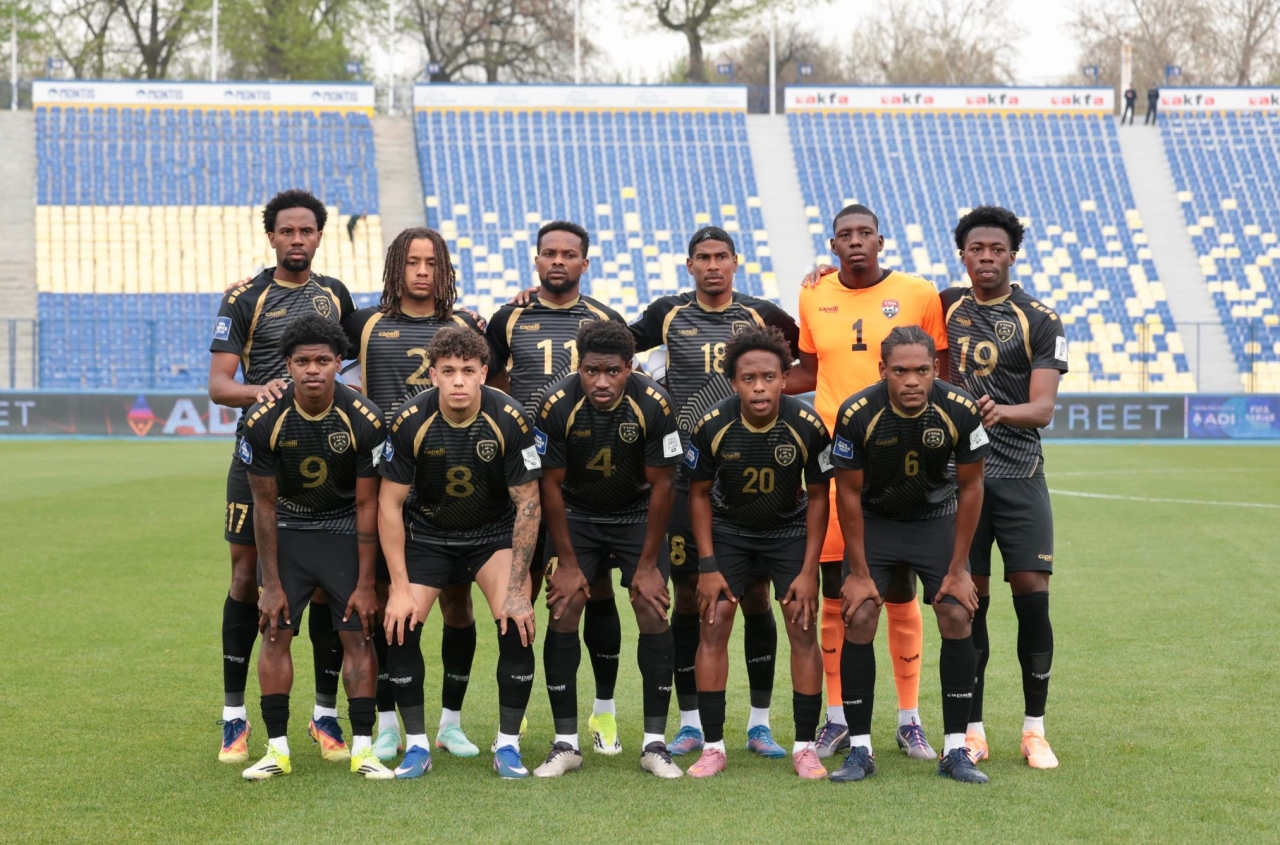
“[…] In Trinidad and Tobago, it feels like being a footballer is the worst job you can have. Elsewhere, in Read more
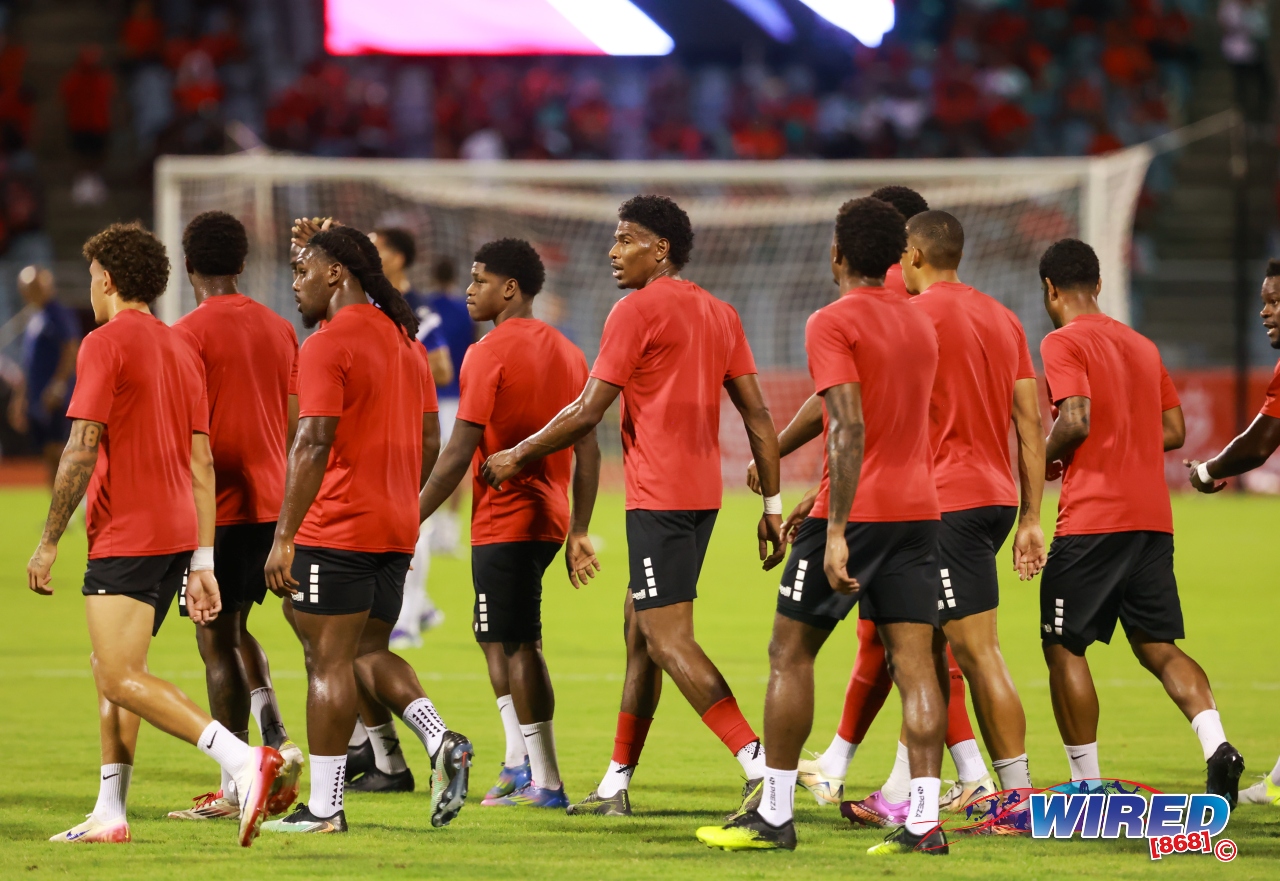
Do any Trinidad and Tobago Men’s National Senior Team footballers still believe in the verbal assurances of Trinidad and Tobago Read more
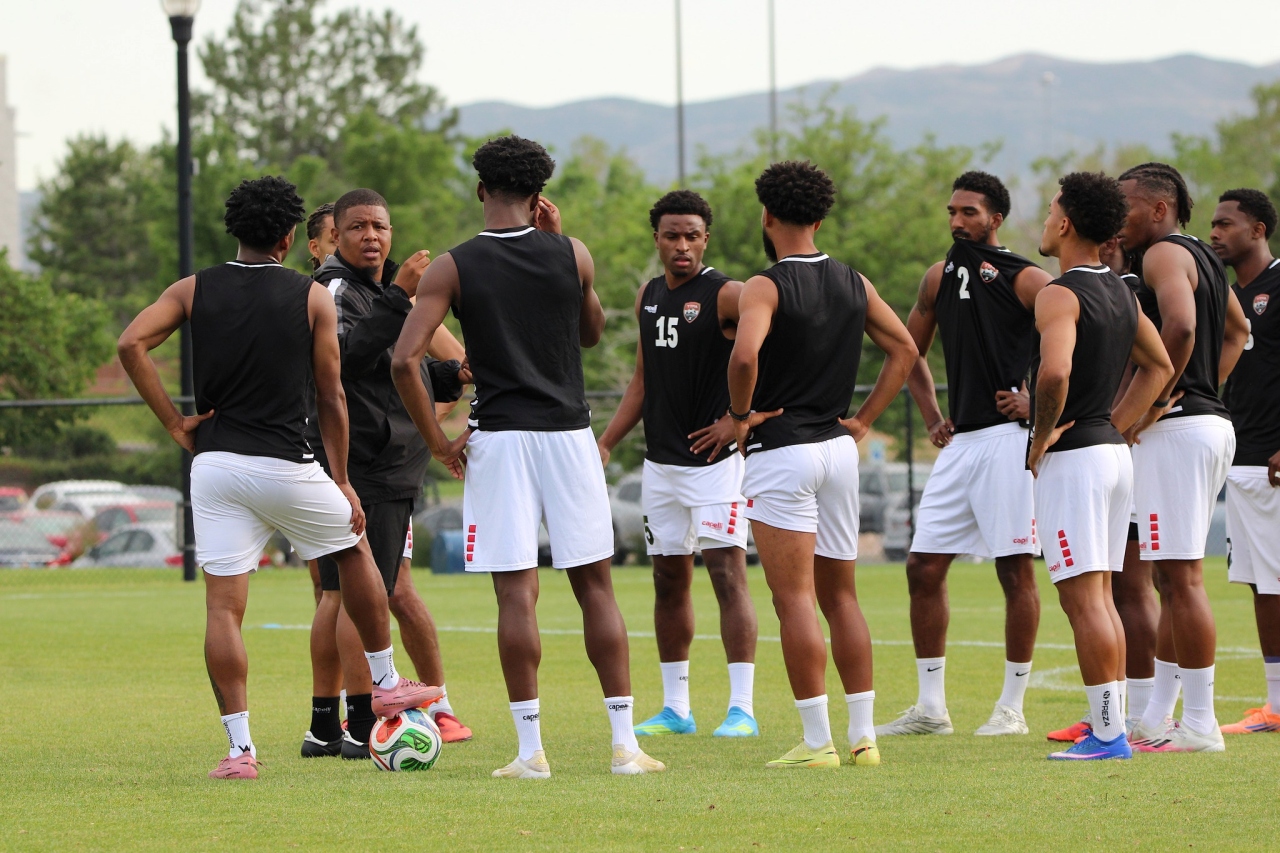
“[…] We kick off the Nations League competition on the road against Haiti, followed by Dominican Republic at home (on Read more
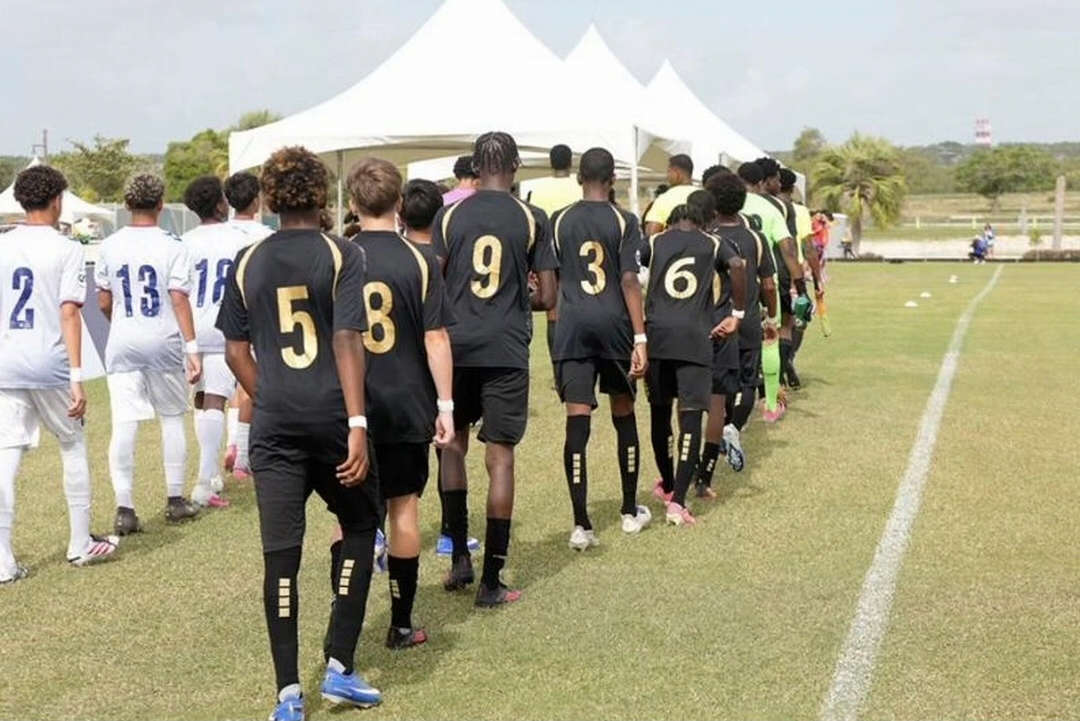
Trinidad and Tobago Boys’ National Under-14 Team head coach Randolph Boyce said his troops were placed in a tough group, Read more

Want to share your thoughts with Wired868? Email us at editor@wired868.com.
Please keep your letter between 300 to 600 words and be sure to read it over first for typos and punctuation.
We don’t publish anonymously unless there is a good reason, such as an obvious threat of harassment or job loss.

Trinidad Football need to follow the cricket system there have in place. They produce the best cricketers in the world.
I totally agree, we need professional help, with greater capacity, technical ability, play strategy and an ability to identify talent that can be developed into a winning system.
I definitely believe that we can achieve this.
I assert my point once again. Talent is not the problem in Trinidad and Tobago the problem is identification and development. You do not “find” talent by chance; you build systems that make it almost impossible to miss. Right now, talent is often discovered randomly or through connections. We in Trinidad and Tobago has no dedicated method of discovering our talented athletes. We need to train the coaches first because untrained coaches equal wasted talent. Coaches need mandatory licensing and continuous education. Our coaches need to know how to identify potential, not just pick the best current players. Most importantly we need to change the culture, and this is the hardest part. We must stop selecting based on reputation or politics. We need to reward development, not just results and celebrate disciplined, intelligent players not just flashy ones. Trinidad and Tobago does not need more “tryouts.” It needs to put a system in place. If you capture kids early, train coaches properly, standardize a scouting program and build real pathways …you will not be asking where the talent is…it will be showing up consistently at national level.