 Wired868 Wired868 for smart sport news and opinion
“[…] Trinidad and Tobago has very low levels of reported trust given its GDP per capita… Most people do not trust the police. Most people do not believe justice is meted out fairly… There is even mistrust in the Road March competition with year-on-year allegations of the ‘Soca Mafia’.
“[…] If businesses do not trust that contracts will be honoured and have little confidence in macroeconomic policy, they will not invest… If citizens do not trust the police and courts, they will not report crimes or come forward as witnesses.
“If the electorate does not trust the government to deliver on their promises, they will not vote—bear in mind that voter turnout for both local and general elections have been declining…”

The following Letter to the Editor, which points to the importance of trust in public life, was submitted to Wired868 by Dr Jamelia Harris, an economist:
If I asked you (the reader): do you think most people can be trusted? Would you answer yes or no?
What if the question were: do you have high or low levels of trust in the police? Or what about the courts?
These questions were asked to a sample from the Trinidad and Tobago population as part of the globally conducted World Value Survey in 2010/11. A mere 3% reported that most people could be trusted—compare this to 47% in Canada, 37% in the US and 63% in China.
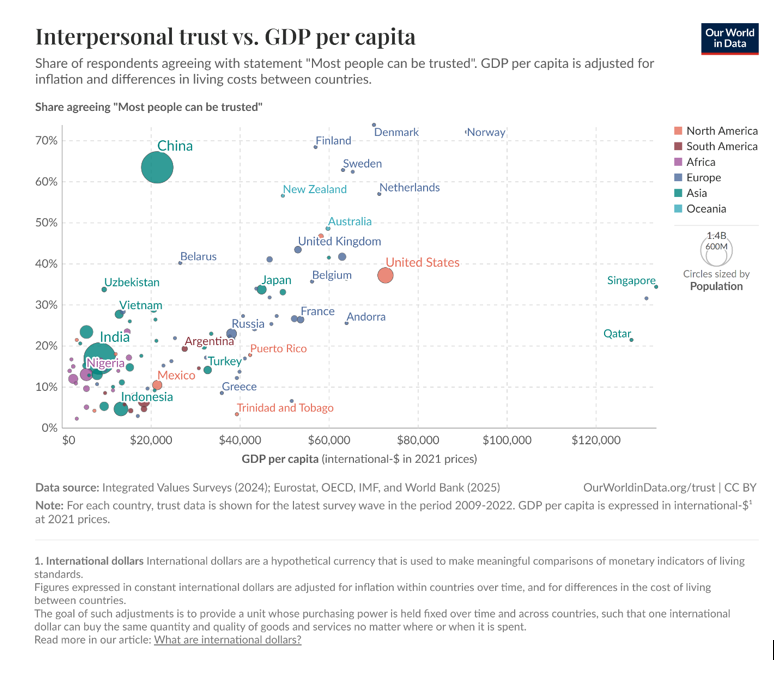
Seventy-one percent reported low or very low trust in the police, and 66% reported low or very low trust in the courts.
These data reveal two important things.
First, we are not serious about data. The last wave of the World Value Survey (WVS) that Trinidad and Tobago took part in was the 2010-2014 wave. The most recent wave was 2017-2022 and TT did not participate.
Second, Trinidad and Tobago is what economists would call “a low trust context”. We struggle to trust each other, and we struggle to trust institutions.
Importantly, TT has very low levels of reported trust given its GDP per capita. The 2010/11 data is damning—but arguably, things are likely worse in this age of social media and disinformation.
I will address the second of these problems: trust, or lack thereof.
We live this daily. Most people do not trust the police. Most people do not believe justice is meted out fairly. Most people to not trust politicians to act within the interest of the people. Some do not even trust their neighbours.
There is even mistrust in the Road March competition with year-on-year allegations of the “Soca Mafia”.
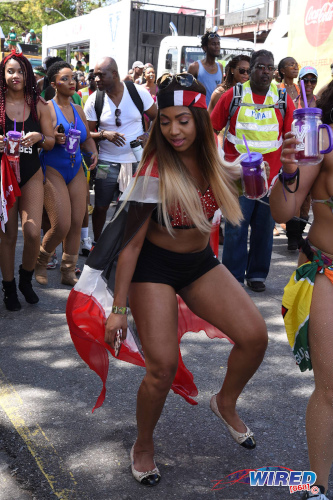
(Copyright Analisa Caruth/Wired868)
Former US president Barack Obama once said: “If the people cannot trust their government to do the job for which it exists—to protect them and to promote their common welfare—all else is lost.”
Obama’s sentiments are not limited to the government, but institutions, society and the economy.
If businesses do not trust that contracts will be honoured and have little confidence in macroeconomic policy, they will not invest. If jobseekers do not trust that recruitment processes will be fair, they will not apply for jobs.
If citizens do not trust the police and courts, they will not report crimes or come forward as witnesses. If the electorate does not trust the government to deliver on their promises, they will not vote—bear in mind that voter turnout for both local and general elections have been declining.
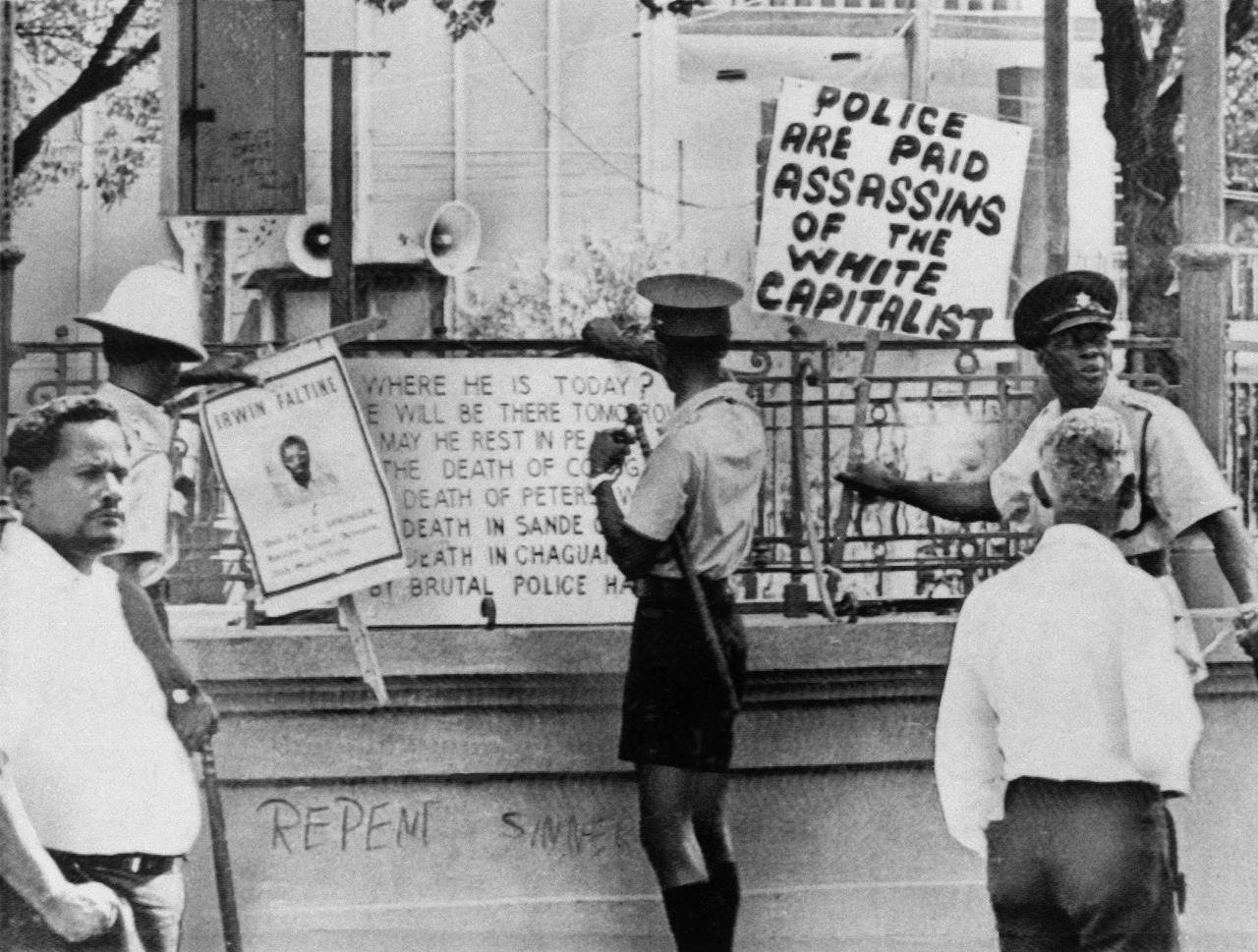
The square has been a popular gathering point for Black Power militants in the city.
Copyright: AP Photo.
We have a problem. We do not sufficiently trust people, and we do not sufficiently trust our institutions. The two are related.
People hold offices and offices influence how institutions function. But the distinction between the office holder and the Office is important. People hold and demit office, but the Office continues to exist.
Christine Kangaloo is the current president. She is the current office holder. The Office of the President existed before President Kangaloo, since 1976, and will exist after her (unless there is constitutional change).
Same for the Office of the Prime Minister, Office of the Opposition Leader, Chief Justice, Commissioner of Police, etc.
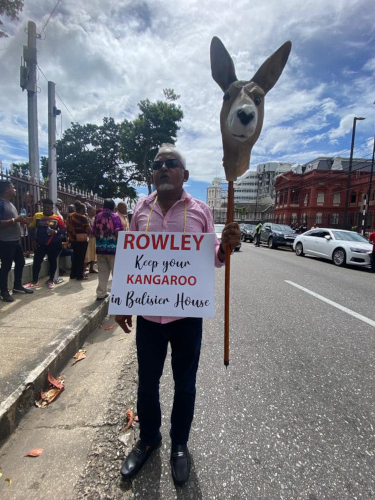
Photo: UNC
Trust in institutions can be lost for several reasons, but two are most common: bad behaviour and bad-talk. Examples of both are currently playing out in TT.
First, bad behaviour. If an Office is held by consecutive office holders who all behave in a way that does not inspire trust in the Office, the population loses trust in the institution.
There is a general perception that allegations of police brutality and excessive force have not been dealt with by commissioner of police after commissioner of police after commissioner of police.
The current Commissioner has a chance now to do things differently. Will he act in a way that serves to improve public trust in the police?

Photo: TTPS.
And second, bad-talk. Continuous accusations levied at an Office brings that Office into disrepute—or as we say colloquially ‘bad-talking’ the Office.
In a democracy it is perfectly acceptable, and indeed encouraged, to levy critique at an office holder. We should all want all of our office holders to do better. For example, one might ask for more transparency, less divisive politics, and less cronyism.
But criticising a person or persons who hold office can and should be separate to criticising the Office. We can critique, but we should not discredit, damage and develop distrust in our institutions in the process—particularly those established under the constitution.
Who wins in such a case? Certainly not our economy, our society or our democracy.
The Noble Prize in Economics in 2024 was awarded to three economists who advanced the idea that strong institutions are needed for development. Based on the 2010/11 data we are not starting from a strong place.
Please, let us not rock an already weak foundation.

“[…] Rachel Price made this observation reflecting on social media: some things that may have been deemed shameful a mere Read more

“[…] In medicine, we abandoned the idea of humiliation as therapy a long time ago… If we treated heart disease Read more
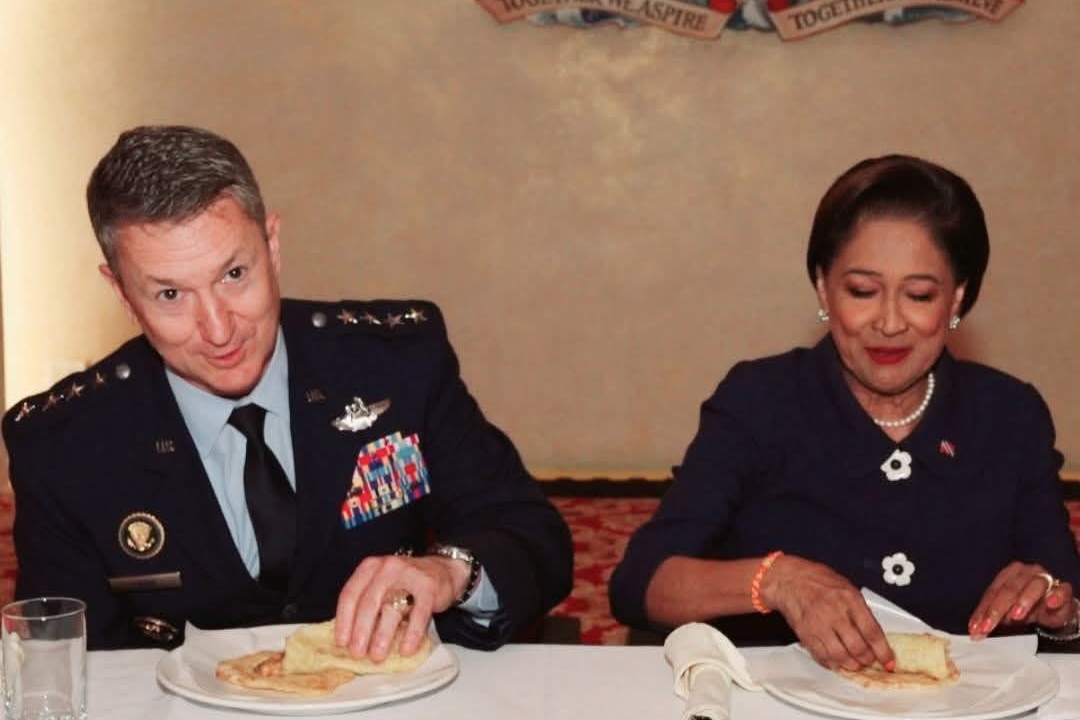
“[…] It is clear that this Administration, having outsourced its decision-making with respect to relations with Venezuela, has not learnt Read more

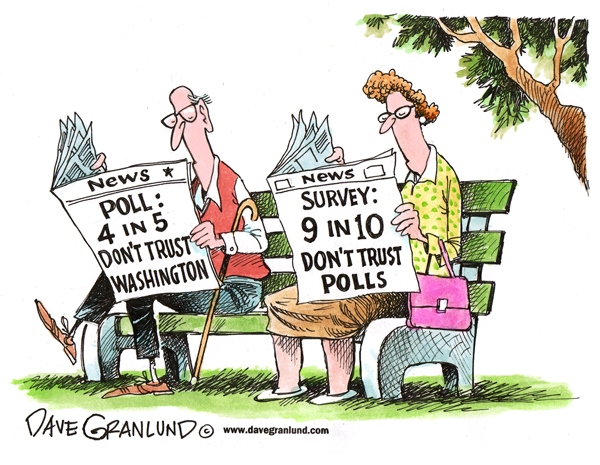
The autocratic nature of our politics is most memorably captured in the sordid 1962 episode featuring Dr Patrick Solomon, minister Read more
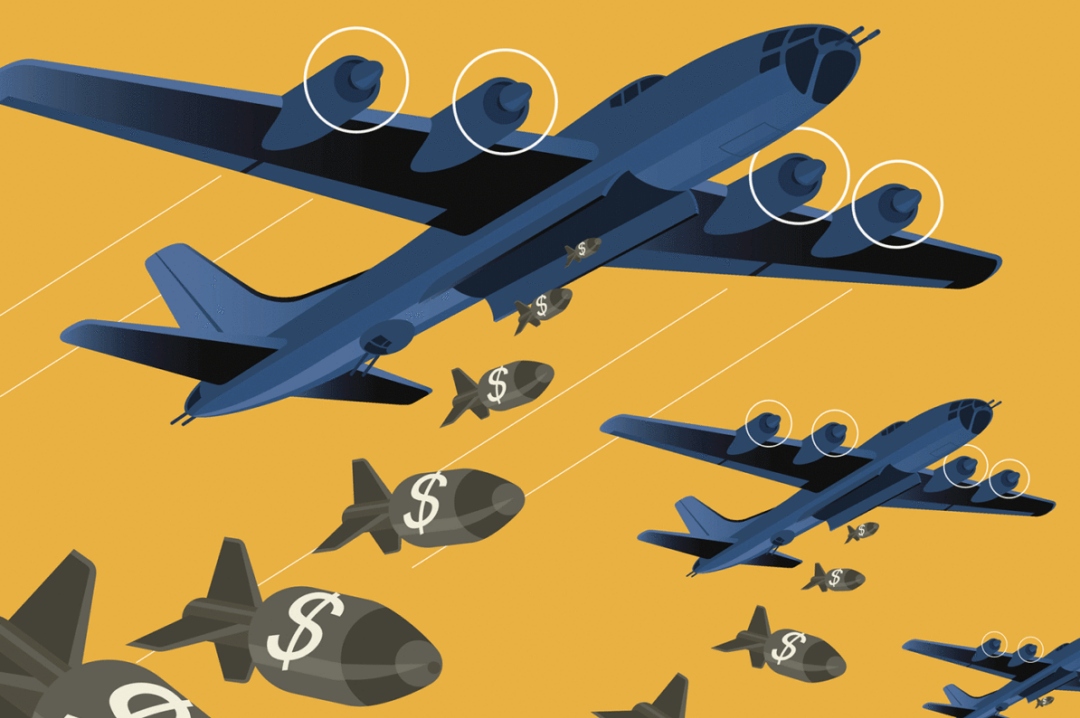
“[…] For neighbouring countries [of war sites], output falls by 10% on average after five years while inflation rises by Read more
I can’t imagine anyone whose insides have not been churning at the gruesome images of murder, maiming and absolute devastation Read more

Dr Jamelia Harris is an economist and Assistant Professor at the University of Warwick. She studies and has written on the labour market, public finance and development policy in Africa and the Caribbean. She is a double President’s Medal recipient and holds a PhD from the University of Oxford.
