 Wired868 Wired868 for smart sport news and opinion
“[…] The question isn’t just ‘who is coaching?’ but ‘how are they coaching—and is it modern enough to compete?’
“Yes, assembling talent without growing match IQ is a dead end. But the issue extends beyond schools and clubs ‘collecting’ players. The real failure lies in a persistent lack of strategic vision, tactical education, and data-driven player development at every level of the national setup…”
The following Letter to the Editor, in response to perceived shortcomings in football youth coaching, was submitted to Wired868 by Dennis Tayé Allen, the managing director of TTGameplan:
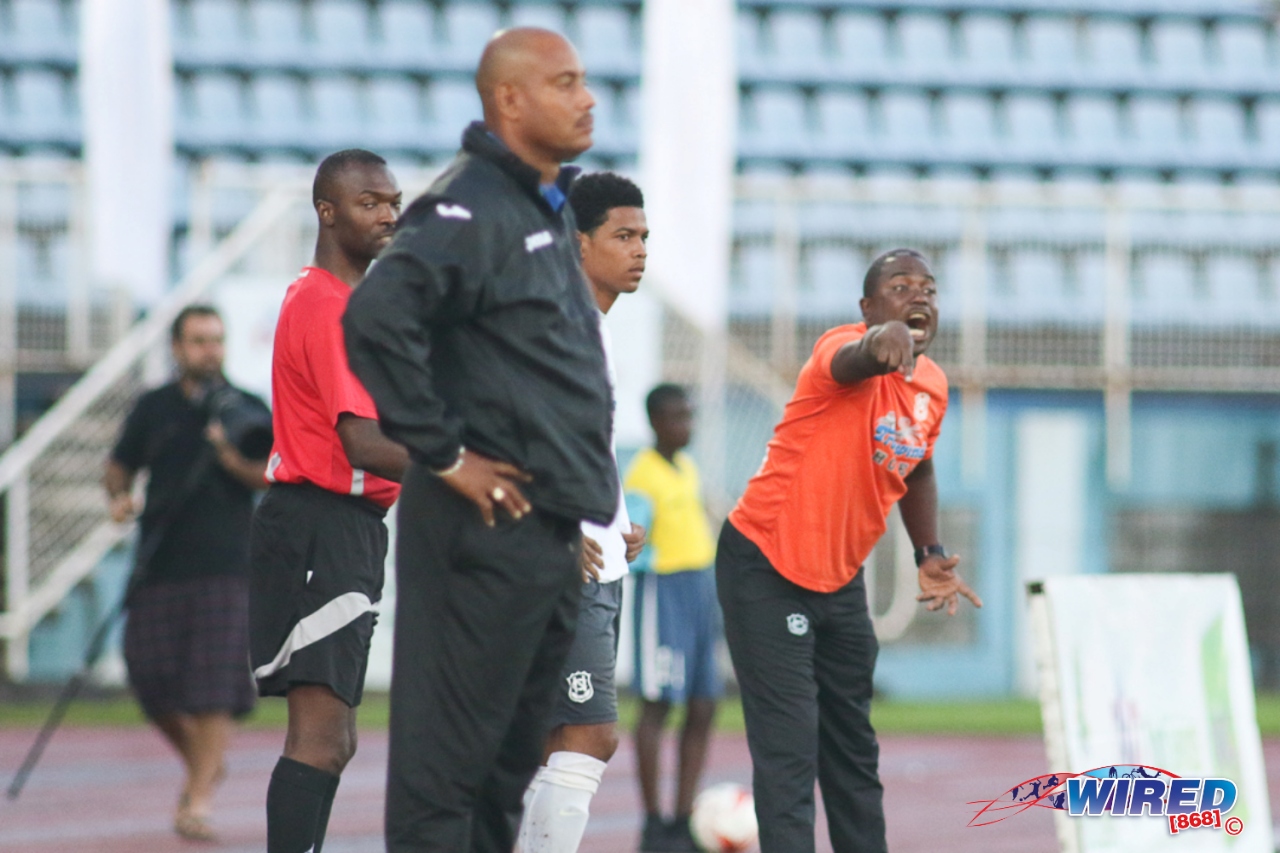
Photo: Chevaughn Christopher/ Wired868.
While I agree with Sheppy’s (Wayne Sheppard) central premise that over-reliance on recruitment has eroded coaching quality at youth levels, his analysis stops short of addressing the deeper, systemic failure stifling Trinidad and Tobago football.
The problem is not just that recruiting has replaced coaching—it’s that our football culture has failed to modernise tactically, technologically, and philosophically, even as our athletes excel abroad.
The question isn’t just “who is coaching?” but “how are they coaching—and is it modern enough to compete?”

(via TTFA Media.)
Yes, assembling talent without growing match IQ is a dead end. But the issue extends beyond schools and clubs “collecting” players. The real failure lies in a persistent lack of strategic vision, tactical education, and data-driven player development at every level of the national setup.
Sheppy rightly notes that opponents in Concacaf “have been exposed to technical and tactical scenarios” and operate within a plan. Yet, why does T&T—despite access to video analysis, performance data, and international best practices—still approach matches with seemingly outdated frameworks?
Our youth teams often appear tactically rigid, naive and prone to blunders and inaccuracies, while regional rivals adapt dynamically. This isn’t due to a lack of talent; it’s a failure of football intellect and local coaching methodology.

Photo: TTFA Media.
The suggestion that inexperienced coaches are guiding youth national teams underscores a critical flaw: We are not investing in coach education aligned with contemporary football.
Coaching in T&T must evolve from a role based on reputation or recruitment networks to one built on continuous learning, tactical innovation, and analytical preparation.
The tools—livestreaming, performance trackers, video software—are accessible and affordable. Yet, a traditional mindset often prevails, one that values physicality and individual brilliance over systematic play and tactical nuance.
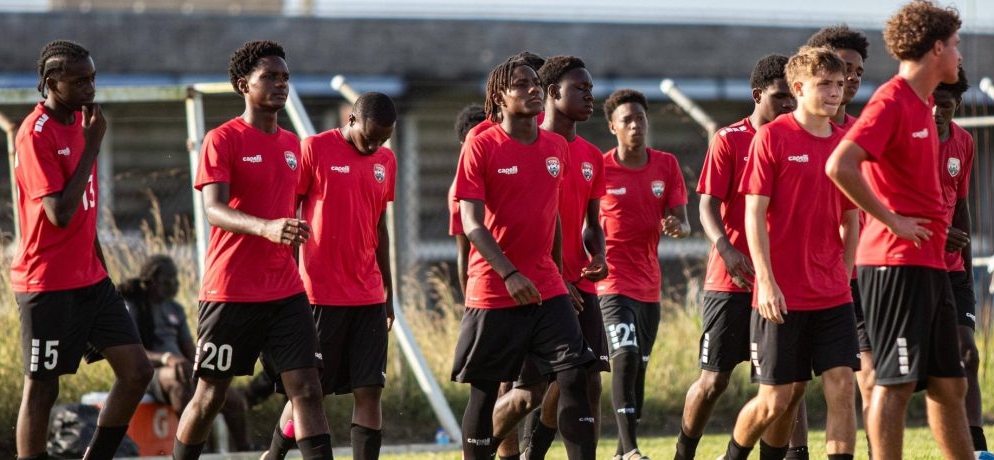
(via TTFA Media.)
Furthermore, to claim that non-recruiting schools and smaller clubs are doing “superior” development work, while well-intentioned, risks romanticising under-resourced efforts.
Survival-driven coaching is not the same as holistic, modern player development. Without a coordinated national football philosophy and curriculum—from youth clubs to national teams—we will continue to produce players who thrive in structured foreign environments but look lost in our own set-up.
Finally, the result against Barbados is not merely a symptom of poor coaching or over-recruitment. It reflects a broader cultural complacency.

Photo: Nicholas Bhajan/ Wired868.
We assume our historical talent pool will naturally translate to success. But today’s global football requires more: detailed opposition analysis, in-game tactical adjustments, sports science integration, and psychological preparation.
Our athletes deserve a system that matches their potential with modern expertise.
Recruitment is not the disease—it’s a symptom. The cure requires a nationwide commitment to elevating coaching standards, embracing technology and data, and instilling a proactive, tactically sophisticated football culture.

Photo: Nicholas Bhajan/ Wired868.
Until then, we will keep watching our best talents flourish elsewhere while our national teams underperform.
I wasn’t at last night’s Concacaf Men’s Under-17 Qualifiers game. I took it for granted that we would get past Read more

“[…] If we were really serious, the powers that be would have engaged the Ministry of Education and Ministry of Read more

A question on The Burdie and Barney podcast during our discussion with former England Premier League and 2006 World Cup Read more
Presentation College (San Fernando) head coach Shawn Cooper talks to the Burdie and Barney Show about his coaching development, his Read more

Leave the egos at the door and instead bring bags and bags of patience. Fixing our football will require much Read more

Want to share your thoughts with Wired868? Email us at editor@wired868.com.
Please keep your letter between 300 to 600 words and be sure to read it over first for typos and punctuation.
We don’t publish anonymously unless there is a good reason, such as an obvious threat of harassment or job loss.