 Wired868 Wired868 for smart sport news and opinion
January arrives quietly. After the noise of Christmas and the forced optimism of New Year’s resolutions, the world exhales.
The decorations come down. Life resumes. Carnival beckons. It is in this quieter month—often overlooked, rarely celebrated—that we mark Cervical Cancer Awareness.
There is something painfully appropriate about that. Cervical cancer thrives in silence.

It is not loud like breast cancer, which commands pink ribbons and charity walks. It is not dramatic like heart attacks or strokes. Cervical cancer slips in quietly—often without symptoms, without warning, without urgency—until it is too late to ignore.
And that is the tragedy. This is one of the most preventable cancers in the world. By the time some women arrive, the disease has already decided the outcome.
We do not like to admit how much shame still governs women’s health. The cervix remains an unspeakable part of the body in many spaces—hidden behind euphemisms, lowered voices, and nervous laughter.
That discomfort is not harmless. It keeps women silent when they should be loud, hesitant when they should be urgent. A society that cannot speak plainly about women’s bodies cannot protect them adequately.

(via The Better India.)
Cervical cancer is caused in most cases by human papillomavirus (HPV)—a virus so common that most sexually active people will encounter it at some point in their lives.
Most infections clear on their own. Some do not. Those persistent infections can quietly cause cellular changes that, over years, become cancer.
Years.
That is the window we are given. Years to detect changes early. Years to intervene. Years to save lives.
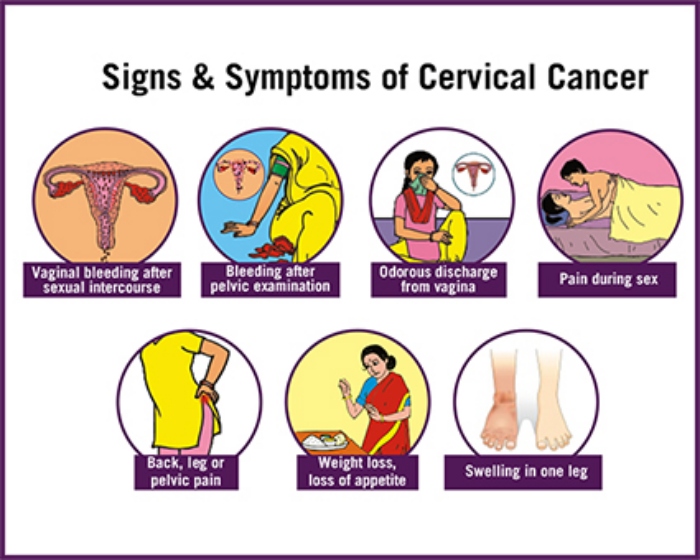
And yet, despite this extraordinary opportunity, screening rates remain unacceptably low.
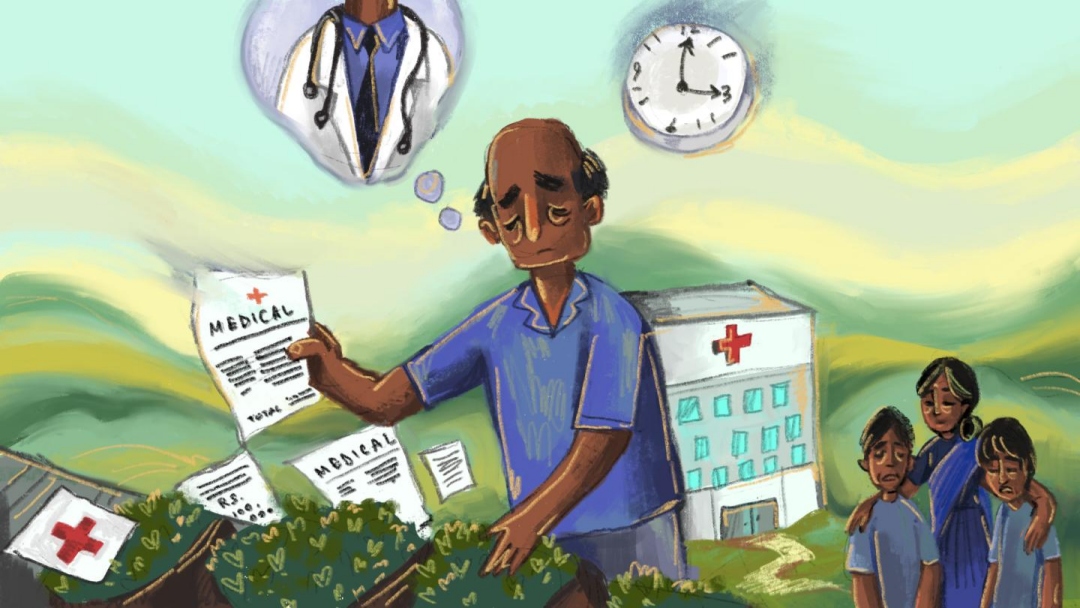
Cervical cancer is disproportionately a disease of inequality. Where clinics are scarce, appointments delayed, transport unreliable, missing results after waiting for months or dignity compromised, screening rates fall—and mortality rises.
This is not coincidence. Cervical cancer reveals, with brutal clarity, where access ends and neglect begins.
Pap smears and HPV tests look for early cellular changes long before cancer ever develops—when treatment is minor, fertility can be preserved and lives remain uninterrupted.
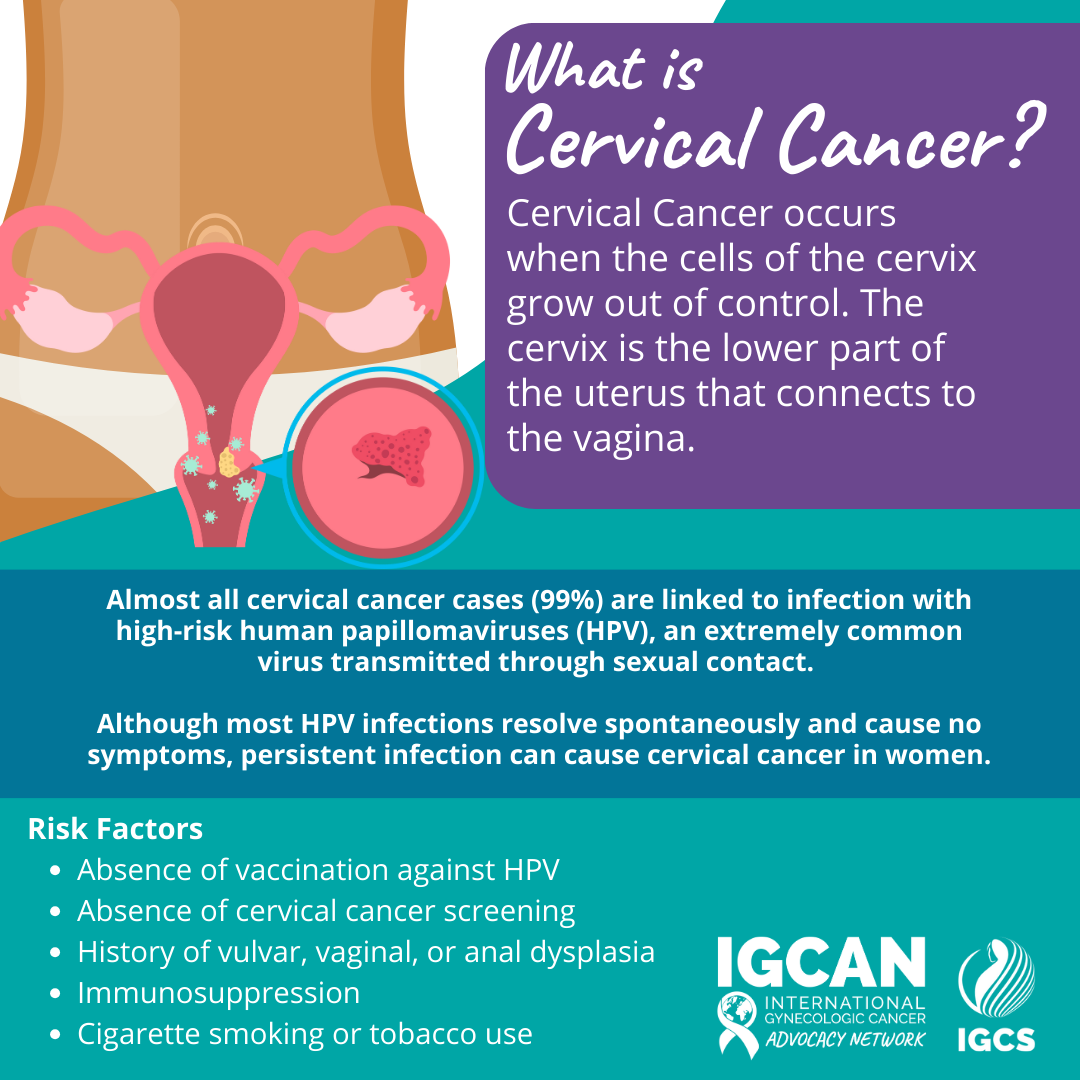
The risk factors are well established and unremarkable: exposure to HPV (which is common, not shameful), smoking, weakened immunity, inconsistent screening and limited access to care.
None of these are character flaws. They are circumstances—biological, social and systemic—and they demand compassion rather than judgment.
When women miss Pap smears or HPV tests, the conversation too often becomes judgmental.
- “She didn’t take care of herself.”
- “She didn’t go to the clinic.”
- “She waited too long.”
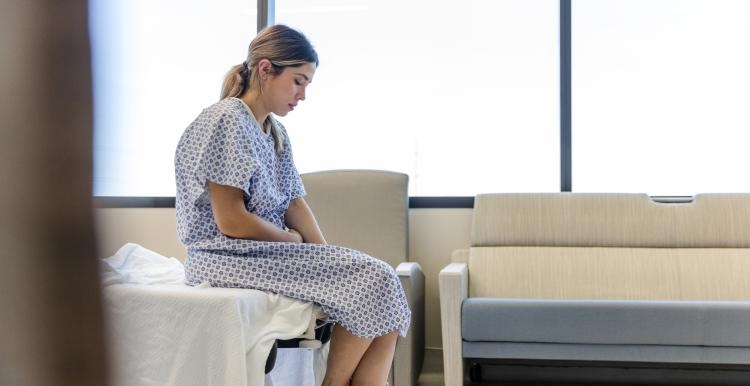
Photo: iStock.
Women delay screening for reasons medicine does not always acknowledge:
- Fear of pain or bad news
- Past trauma or uncomfortable examinations
- Long clinic wait times
- Difficulty getting time off work
- Lack of childcare
- Cultural taboos around reproductive health
- A healthcare system that does not always feel safe or respectful
In some cases, women have been taught—explicitly or subtly—that their discomfort is something to endure quietly.
So, they endure. Until they can’t.
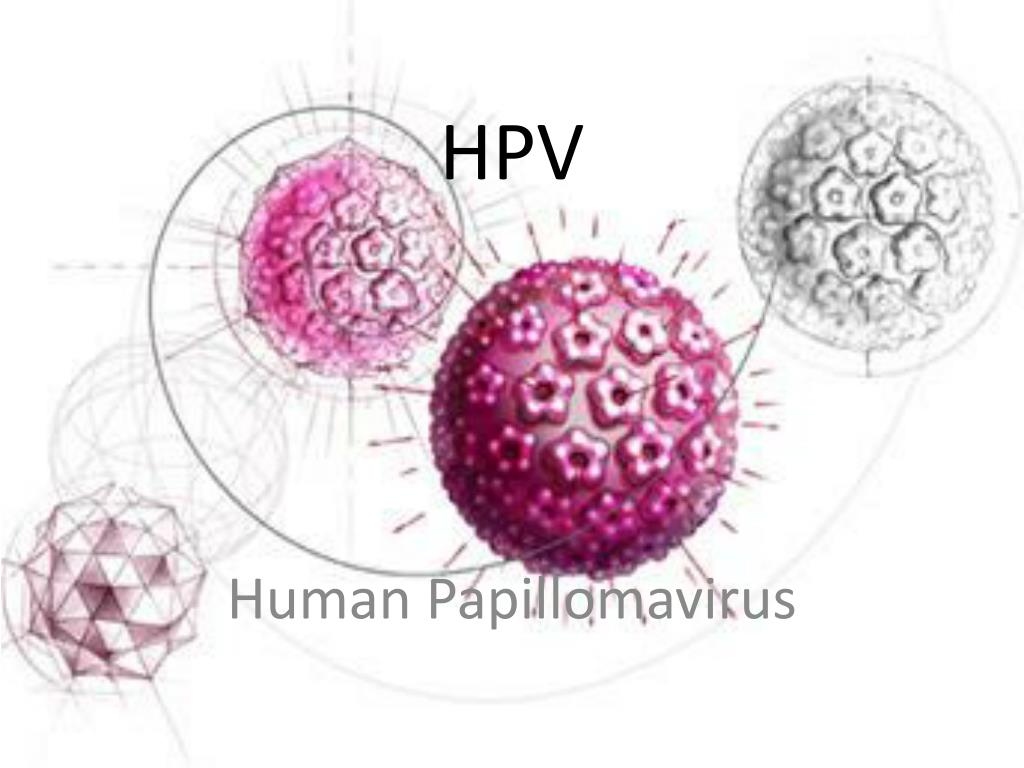
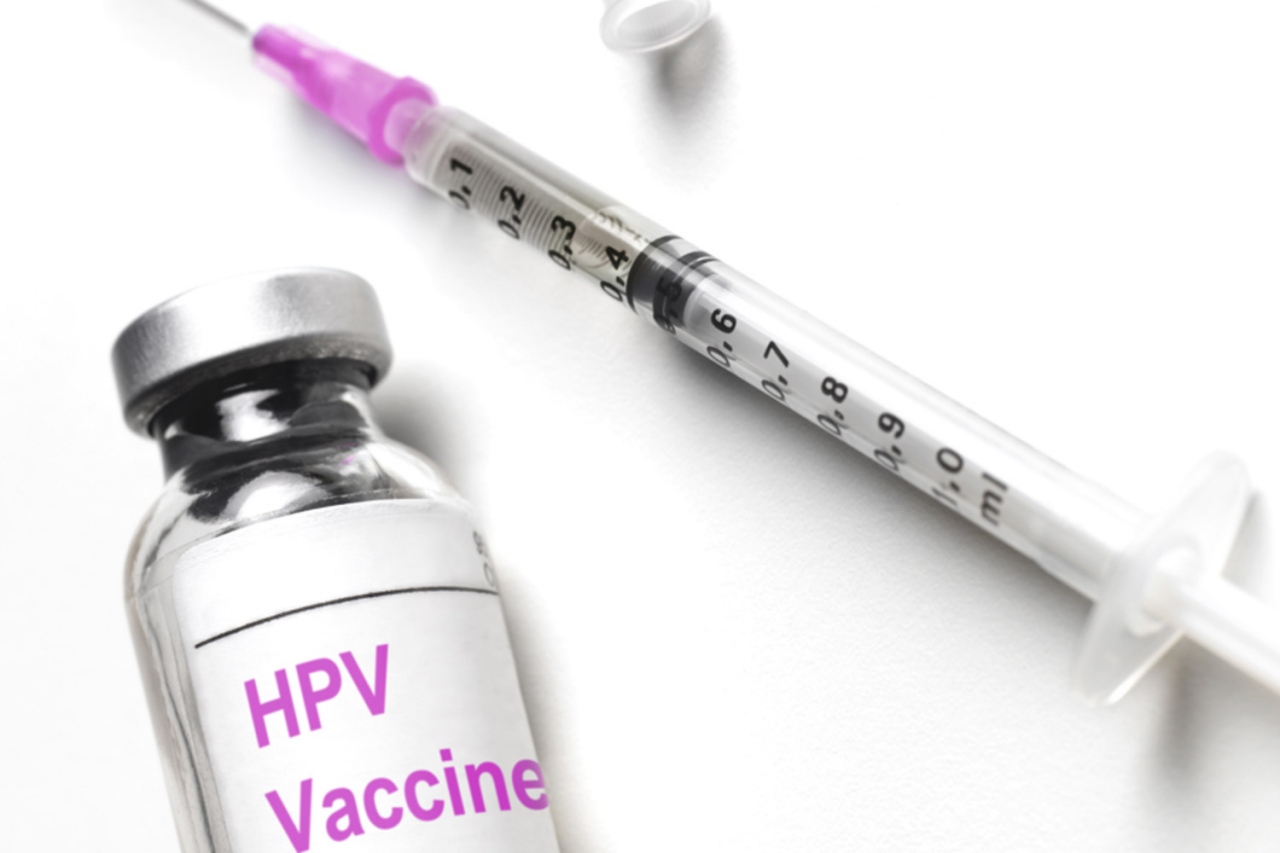
If screening is one pillar of prevention, vaccination is the other.
The HPV vaccine is one of the great achievements of modern medicine. It prevents infection with the strains of HPV most likely to cause cervical cancer. It works best when given before exposure to the virus—but it still offers benefits later in life.
And yet, myths persist.
- Parents worry it encourages sexual activity.
- Communities whisper about side effects.
- Politics interferes with public health.
Vaccination does not change values. It changes outcomes.
Although cervical cancer affects women, responsibility for prevention does not belong to women alone.
- HPV is shared.
- Risk is shared.
- Accountability should be shared.
Men play a role in transmission, prevention and advocacy. So do policymakers, educators, healthcare providers and communities.
When we frame cervical cancer as “women’s business”, we isolate it. When we treat it as a public health responsibility, we prevent it.

- Awareness is not a ribbon.
- It is not a social media post once a year.
- It is not a statistic recited and forgotten.
Awareness is action.
- It is booking the appointment you’ve been postponing.
- It is encouraging your daughter to get vaccinated.
- It is making clinics accessible and respectful.
- It is asking difficult questions of our healthcare systems.
Perhaps January is the right month after all.
It comes when we are thinking about fresh starts. About doing better. About choosing differently. Cervical Cancer Awareness Month asks us to do just that—but not with grand resolutions. With simple, lifesaving acts.
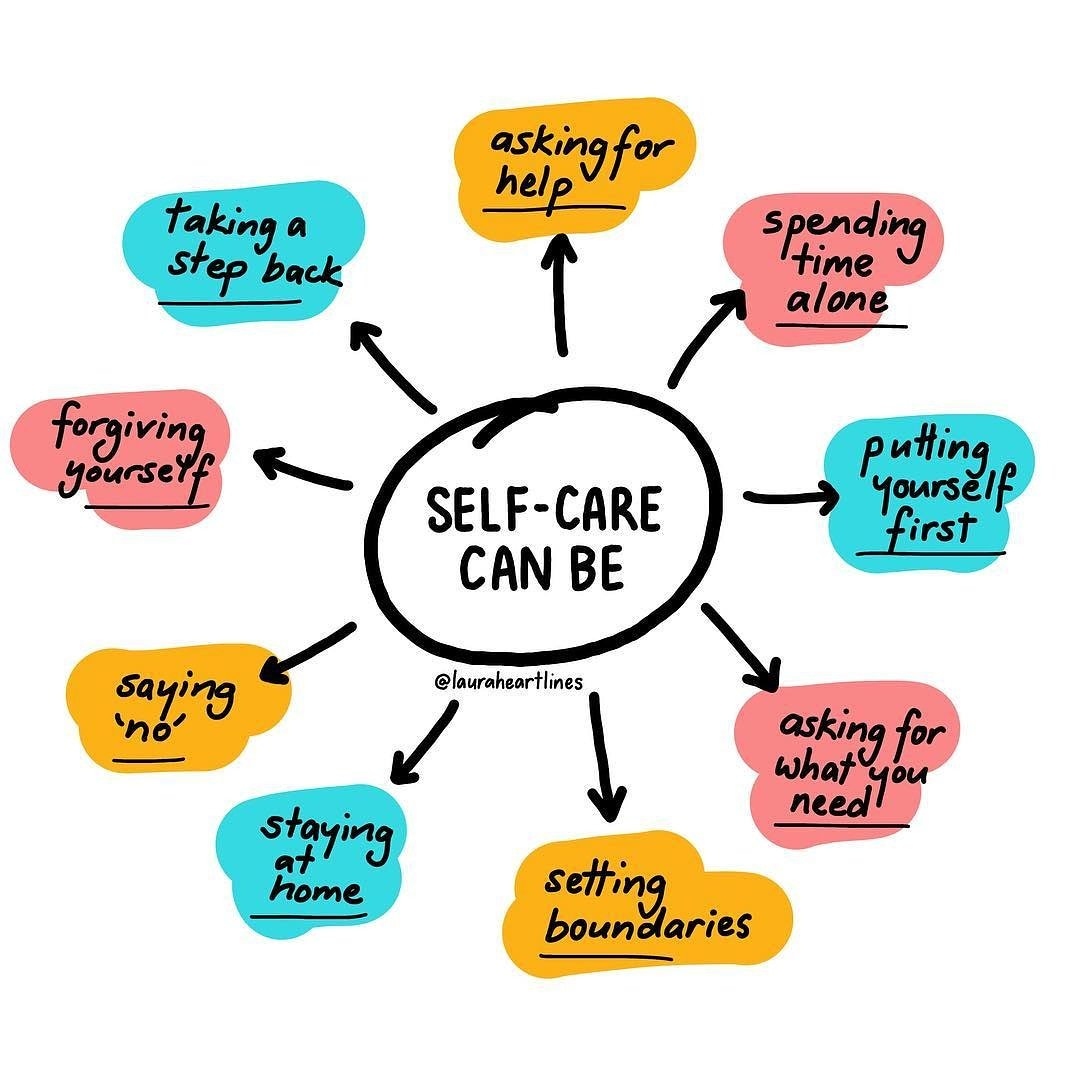
One day, years from now, a young woman will sit in a clinic and hear the words “your screening is normal” and walk out without ceremony, without fear, without knowing how close history once came to failing her.
There will be no headline for that moment. No ribbon. No applause. But that quiet absence of tragedy will be the measure of our success.
Cervical cancer persists not because it is clever, but because it understands something uncomfortable about us: how easily women are taught to postpone themselves.
It feeds on the quiet bargains women make every day—after work, after children, after fear, after shame—until prevention becomes an inconvenience and delay becomes normal.
Screening was never meant to be heroic; it was meant to be routine. But when access is difficult, conversations are awkward, and dignity is negotiable, routine collapses into silence.
This cancer is not a moral lesson, not a personal failure, not a mystery—it is the predictable outcome of a society that asks women to wait and then acts surprised when waiting costs them their lives.
World Suicide Prevention Day is observed annually on 10 September. The international theme for 2024 to 2026 is “Changing the Read more

In the days before the new academic year begins, the quest for books, uniforms and shoes continues. Health is often Read more

This Independence Day, Trinidad and Tobago turns 64. If the country were one of my patients, this would be about Read more

The third scalding shower before breakfast was not for cleanliness. It was the only place the young man stopped vomiting. Read more
The half-used insulin vial was wrapped in a stained cloth and tucked inside a small purse. She had carried it Read more

Men will discuss chest pain, blood in the urine and constipation with surprising courage. Erectile dysfunction often arrives in a Read more