 Wired868 Wired868 for smart sport news and opinion
“[…] The narcotics trade continues to devastate Caribbean societies—eroding lives, futures, and the very moral fabric of our communities. This is a grave crisis for the Church and for families everywhere, and one we are duty-bound to confront.
“Yet, the arbitrary and unwarranted taking of life cannot be justified as a means of resolution. Such acts violate the sacredness of human life.
“Likewise, the disregard for the sovereignty of independent nations cannot be accepted as a reasonable measure in the name of border security… The presence of warships and the disruption of marine livelihoods within our Caribbean waters represent real and immediate threats to regional stability and to the welfare of our nations…”
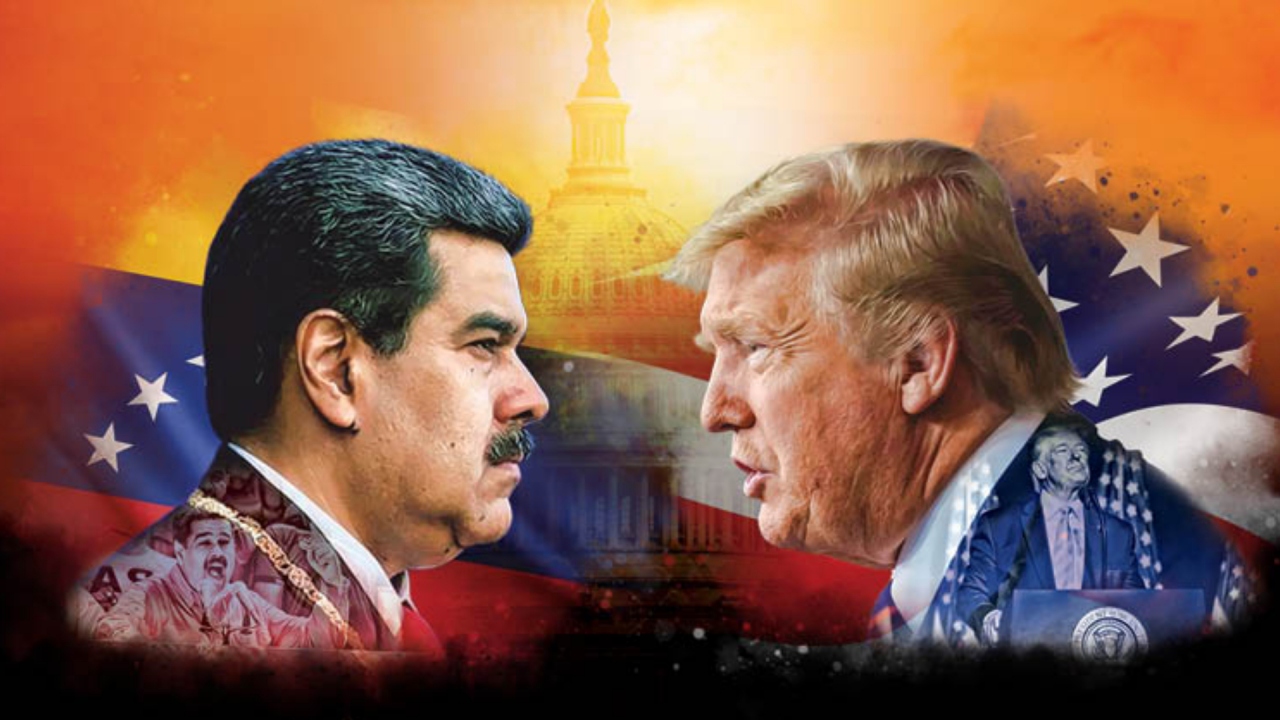
The following is a press statement from the Bishops of the Antilles Episcopal Conference (AEC) on increasing tension between the United States and Venezuela:
(The Antilles Episcopal Conference is composed of the Roman Catholic Hierarchy in the following territories: Anguilla, Antigua and Barbuda, Aruba, Bahamas, Barbados, Belize, Bermuda, Bonaire, British Virgin Islands, Carriacou, Cayman Islands, Curaçao, Dominica, French Guiana, Grenada, Guadeloupe, Guyana, Jamaica, Martinique, Montserrat, Petit Martinique, Saba, Saint Eustatius, Saint Kitts Nevis, Saint Lucia, Saint Maarten, Saint Vincent and the Grenadines, Suriname, Trinidad and Tobago, Turks and Caicos Islands.)
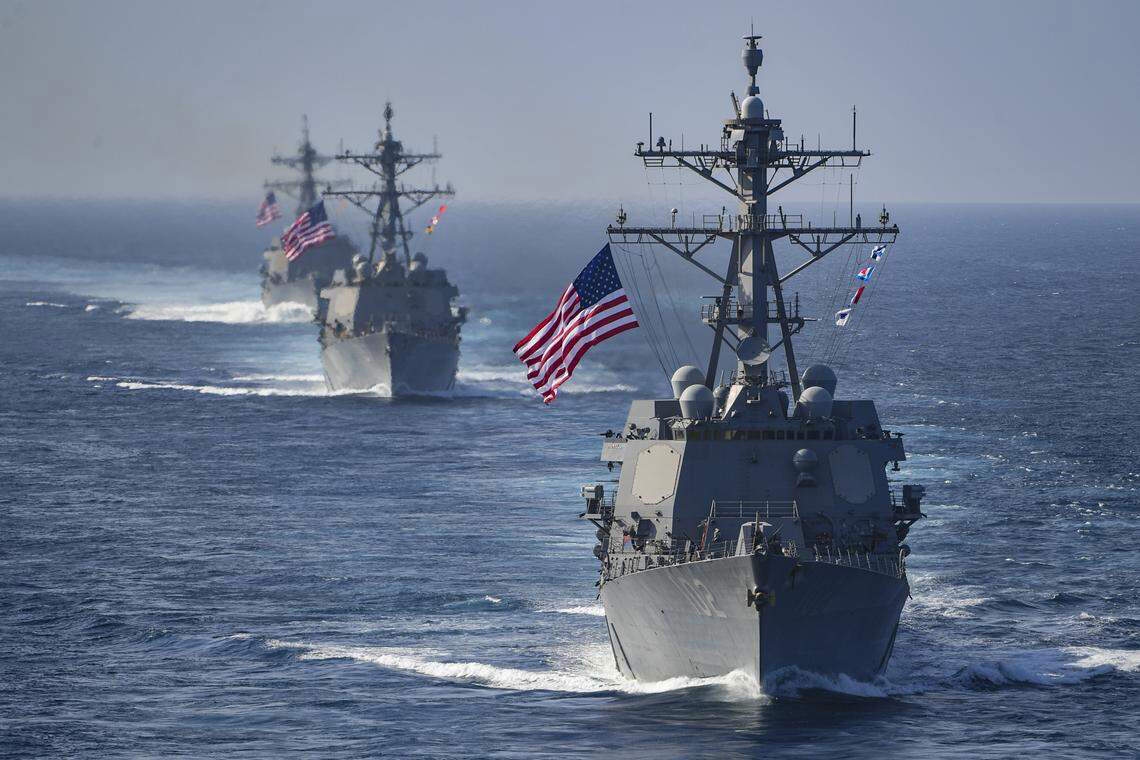
The Bishops of the Antilles Episcopal Conference view with grave concern the recent build-up of naval and other military assets in the Southern Caribbean, and the potential implications this poses for the socio-economic, political, and humanitarian well-being of our region and its people.

In a few weeks, the world will commemorate the 59th World Day of Peace.
As we reflect on the words of Pope Paul VI—who in 1966 at the institution of this observance, urged humanity to pursue negotiation rather than war—we recognise that once again we stand at a crossroads.
Dialogue and cooperation are urgently needed to ease mounting geopolitical tensions and to foster lasting peace. At the same time, we must speak clearly to the moral challenges facing our region.
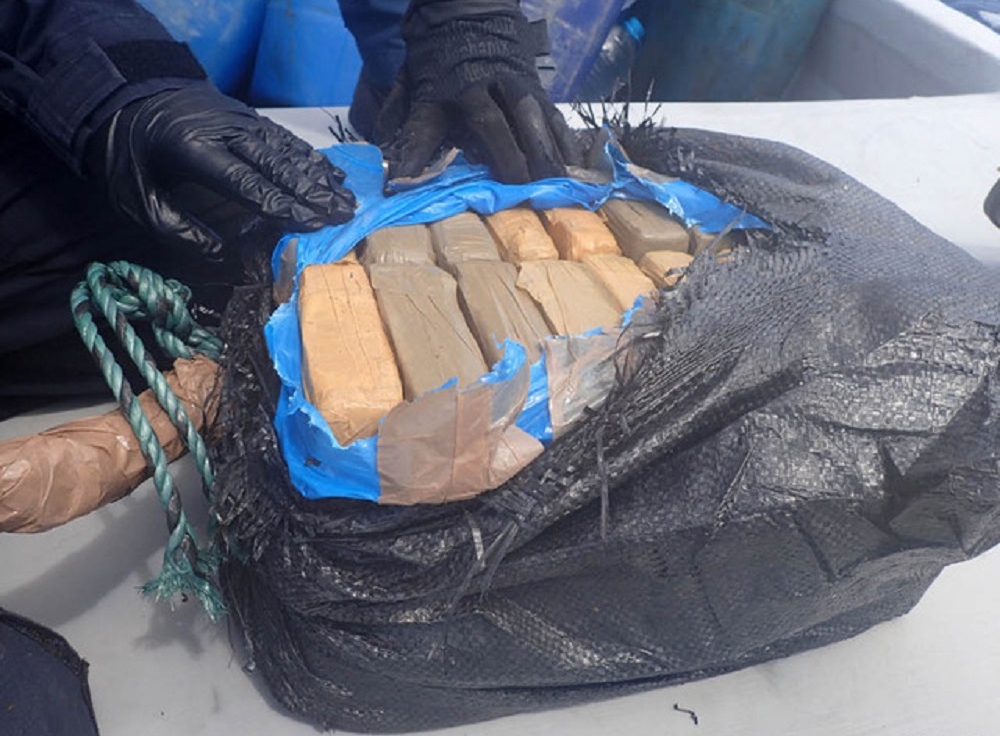
The narcotics trade continues to devastate Caribbean societies—eroding lives, futures, and the very moral fabric of our communities. This is a grave crisis for the Church and for families everywhere, and one we are duty-bound to confront.
Yet, the arbitrary and unwarranted taking of life cannot be justified as a means of resolution. Such acts violate the sacredness of human life.
Likewise, the disregard for the sovereignty of independent nations cannot be accepted as a reasonable measure in the name of border security. War or the threat of war is never the right solution.
To quote Pope Leo at a recent General Audience: “We must never become accustomed to war.”
His appeal echoes that of Pope Saint John XXIII, who proclaimed
that: “true peace can be born only from a heart disarmed of anxiety and the fear of war.”
The presence of warships and the disruption of marine livelihoods within our Caribbean waters represent real and immediate threats to regional stability and to the welfare of our nations.
As peoples united by a shared heritage and collective identity, we must continue to reject aggression and intimidation as means of resolving conflict or ideological differences.
Our history has shown that discourse and negotiation have served us well as independent nations, united in community and cooperation.
We are attentive to the voices and expressed concerns of our people and urge that we be guided by the teachings of Scripture. We are commanded to love one another—even our enemies. The world may be at war, but we are called to pray for peace and to act in peace.
In this Jubilee Year of Hope, as the Church continues the ancient tradition of pardon and restoration, we reaffirm our common goal and shared brotherhood that transcend borders and national interests.
The Church remains steadfast in the need to protect all in society, especially those who are most vulnerable and economically marginalised. The objectives of securing our borders and the elimination of the narcotics trade must be pursued with the respect for law, the dignity of human life and with a tacit understanding of our region’s deep commitment to peace.
To those entrusted with leadership, we appeal for a de-escalation of militarisation and a renewed commitment to dialogue and regional unity.
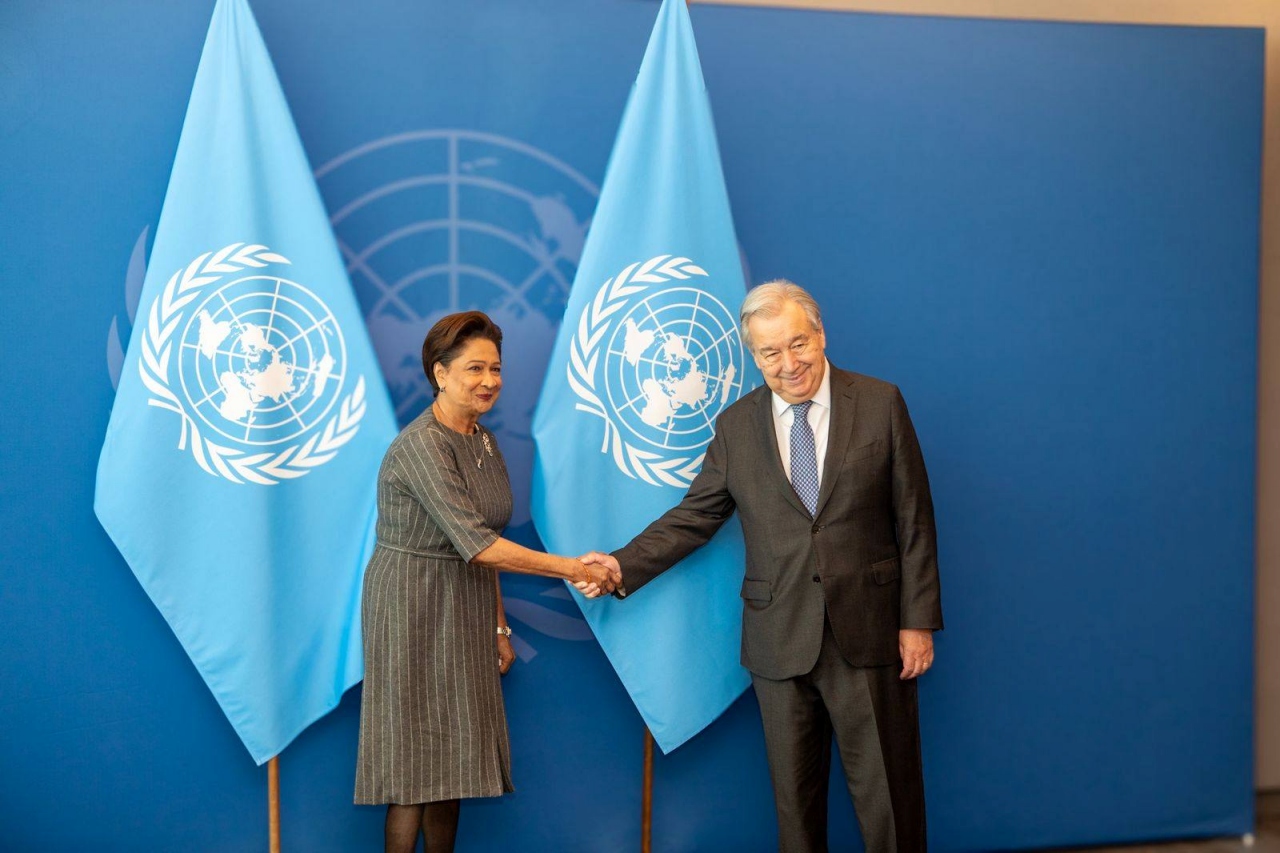
(via UNC.)
To the faithful, we call for renewed focus on faith and trust in the Lord, resisting the discouragement and cynicism that threaten to overwhelm us.
Acts of reconciliation, the faithful observance of the sacraments, and the family rosary remain powerful expressions of hope—expressions that move heaven and can change the hearts of humankind.
We stand in solidarity with all the peoples of the Caribbean, especially those most directly affected by this situation. Together, we place our hope, trust, and prayers in the pursuit of a peaceful and just resolution that upholds human dignity, national sovereignty, and the common good of all.
I am not a politician. I’m certainly not a senator. I am just a citizen who pays attention. So, when Read more

Today, Trinidad and Tobago, and indeed the Caribbean, bids farewell to a true cultural giant. With the passing of Dr Read more
“[…] It is nothing short of amazing how this current political directorate can go from conceptualization of 30 ‘police post’ Read more
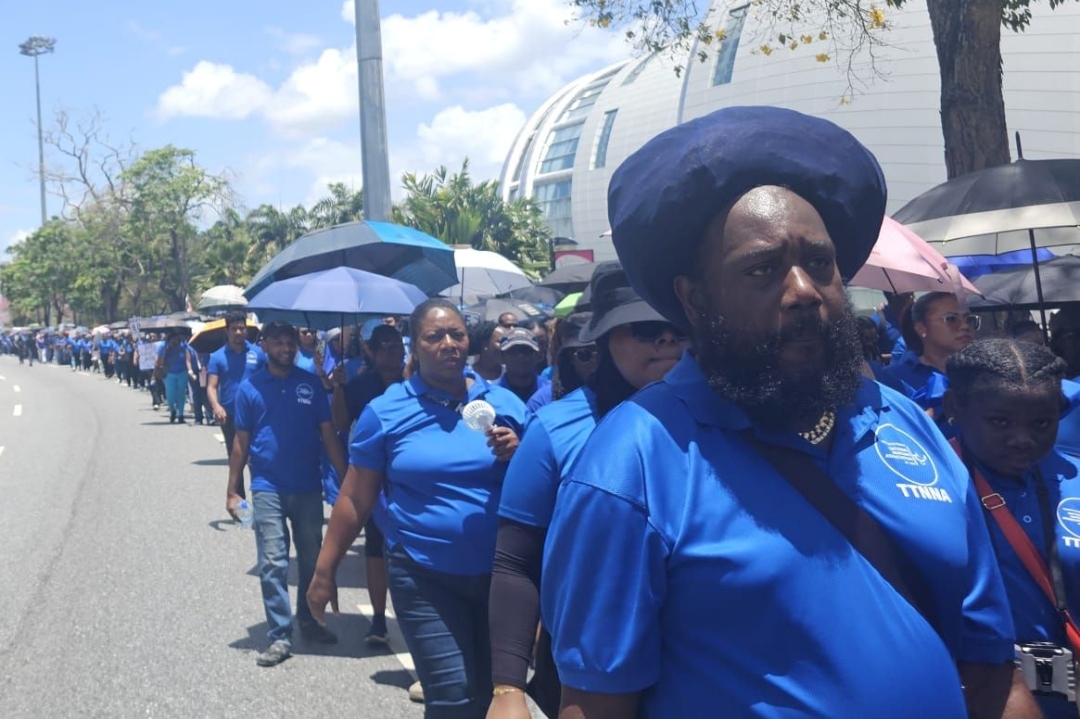
Thirteen years have passed since health care workers, Lake Asphalt employees and other workers last received a salary adjustment. In Read more
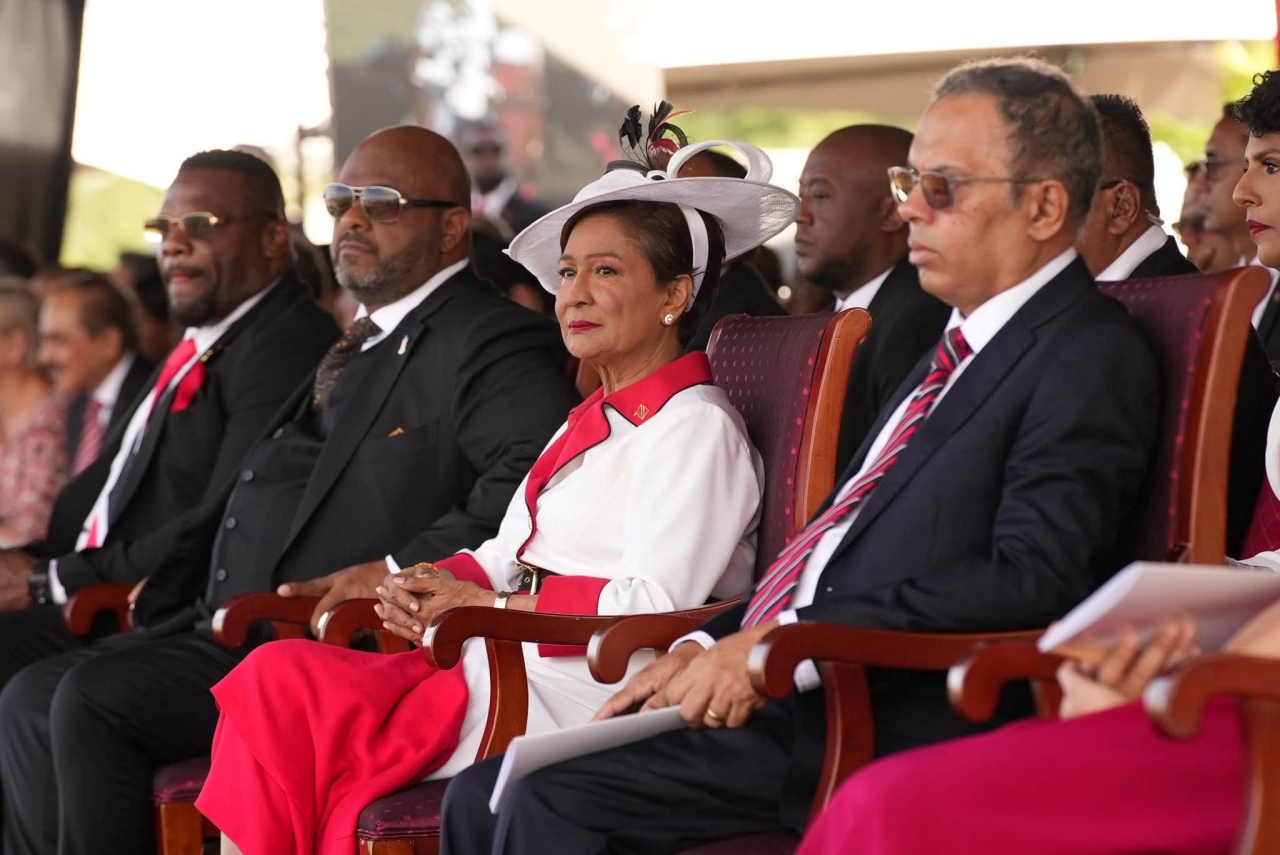
“[…] To the ‘UNC family’ she offers the old tired hymn: lagoons, cane fields, salt and rice, ponds and springs—the Read more
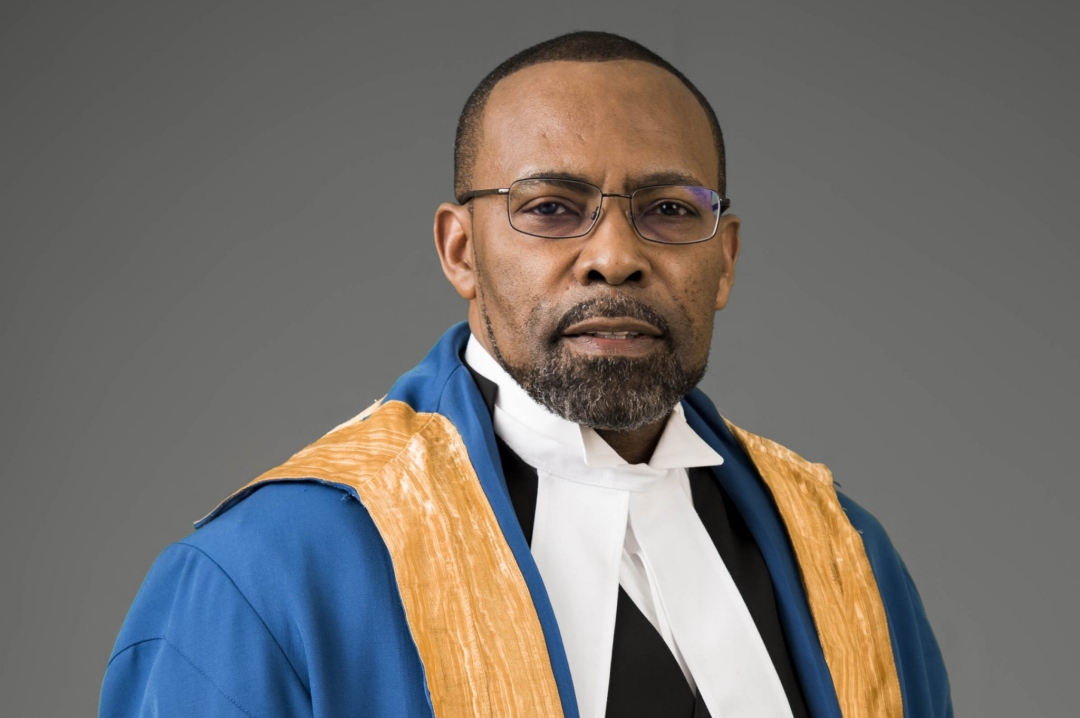
“[…] The media release by the heads of judiciaries—that seemed to focus on the leak of the emails and breach Read more

Want to share your thoughts with Wired868? Email us at editor@wired868.com.
Please keep your letter between 300 to 600 words and be sure to read it over first for typos and punctuation.
We don’t publish anonymously unless there is a good reason, such as an obvious threat of harassment or job loss.

I recognize that you are trying hard to be fair and not to offend. Were that not the case, your last sentence would not end with “people.” You could so easily have opted for the far more precise “idiots who, knowing what we know about UNC governments, were foolish enough to let these sticky-fingered incompetents anywhere near the seat of power.”
Knowing what we know about PNM governments, it would be interesting to learn what decisions they would have taken if they were in the seat of power.
Btw, your use of the term “sticky fingered” alludes to your partisan outlook and brings to mind the adage ‘“those who live in glass houses shouldn’t throw stones”.
Cheers!
It is scary. The most innocuous misguided missile or bomb can bring untold loss of lives and damage to property. Add that to the fragility of our economy, can set us back decades. Even with all of the ominous signs around us our gov’t still sees it fit to continue its daily serving of B.S. to the people.