 Wired868 Wired868 for smart sport news and opinion
We trust Google more than doctors. And it is costing us.
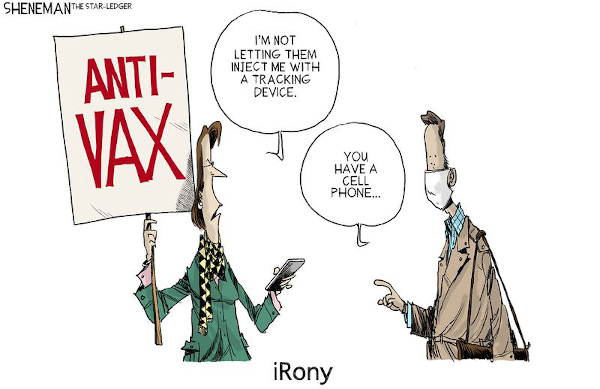
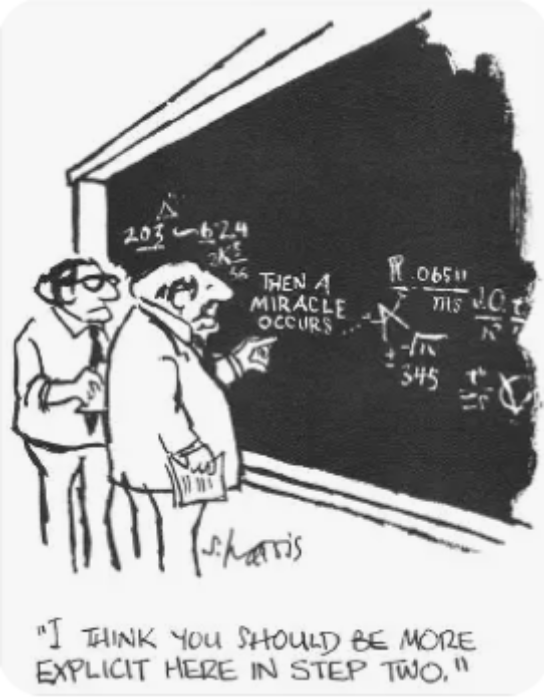
We are living in the most medically advanced time in human history. Unfortunately, trust in medicine has never felt more fragile. It has worsened since Covid.
We can map the human genome. We can replace failing organs. We can treat diseases that once meant certain death. And still, more and more people are unsure of what to believe.
This week, we were reminded of that in the most sobering way, with the passing of a senior doctor from the Emergency Department at the Eric Williams Medical Sciences Complex, Mount Hope. A colleague.
Someone who stood on the front lines of care day after day, night after night in one of the most demanding environments in medicine.
We extend our deepest condolences to the family, friends and colleagues who are grieving this loss. But beyond the sadness, there is also a question we cannot ignore. What does it say about a system when even those trained to care for others are themselves under such relentless strain?
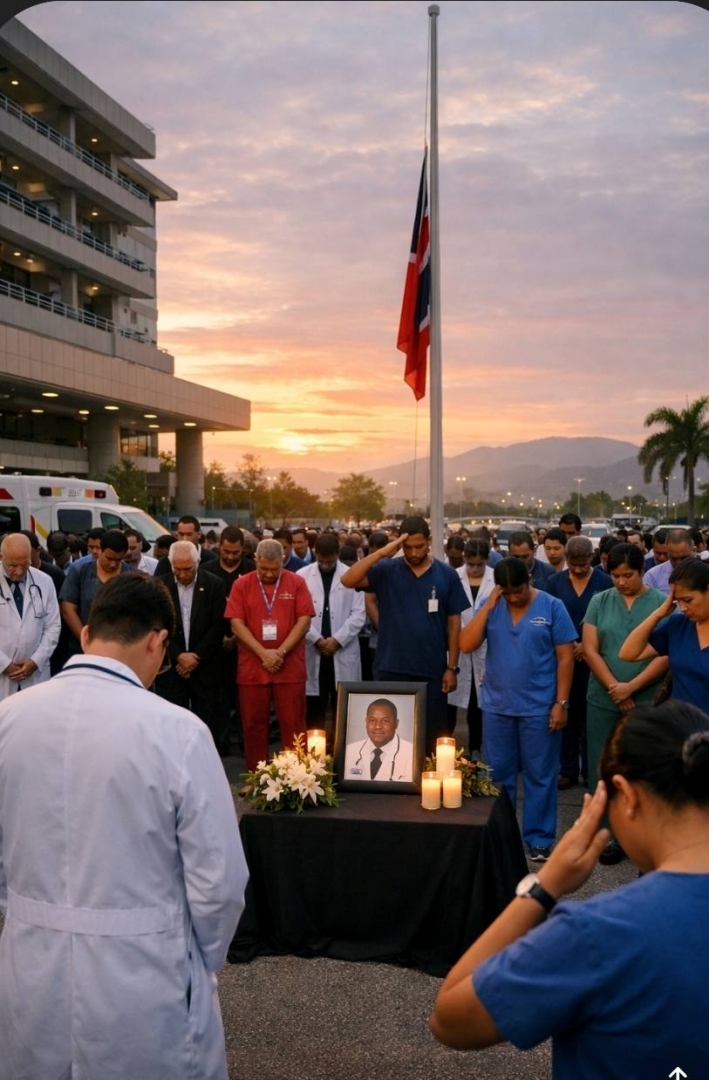
Photo: TTRNA.
On this World Health Day, the theme is: “Together for health. Stand with science”. It sounds straightforward. But it isn’t.
Science has always worked quietly in the background, protecting us in ways we often take for granted. Vaccines eliminated smallpox. Antibiotics transformed once-fatal infections into manageable conditions. Public health systems helped people live longer, healthier lives than any generation before.
Science is not perfect. But it is honest. It questions itself. It evolves. It corrects. And that is precisely why it works.
Today, however, science is no longer simply questioned. It is competing. Competing with opinion. With personality. With posts, videos, and voices that are louder, faster and often more confident than the truth itself.
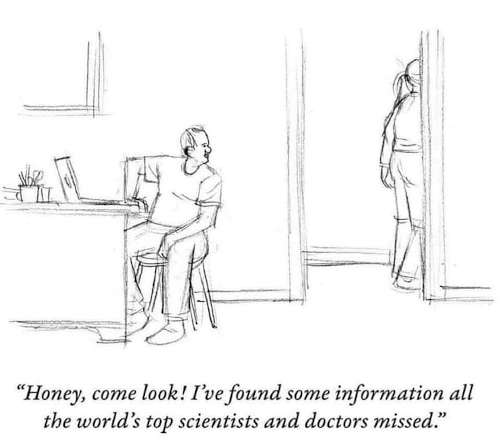
We are surrounded by information. But understanding is in short supply. And in that gap, something dangerous takes hold. Doubt spreads quickly. Misinformation spreads even faster. And slowly, almost imperceptibly, trust begins to slip.
This matters more than we realise. Because health is not just personal. It is collective. Vaccination is not simply an individual choice—it protects those who are most vulnerable. Public health measures are not abstract policies—they are safeguards.
When trust in science weakens, the consequences are not theoretical. They are real. Outbreaks return. Preventable diseases re-emerge. Health systems come under strain that could have been avoided. And behind every statistic is a person.
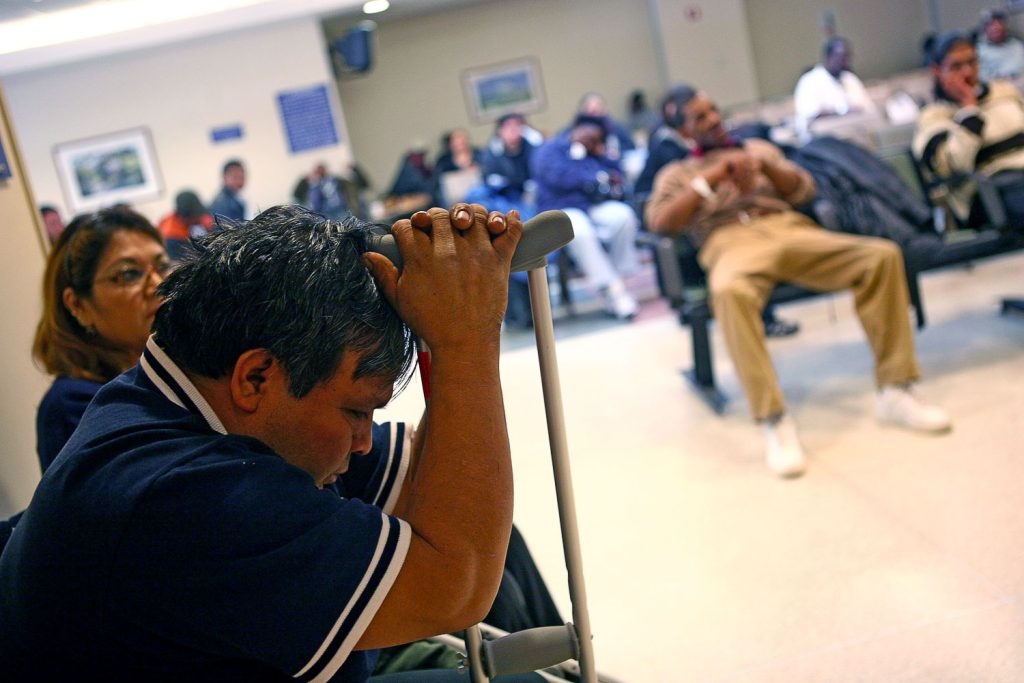
But trust is rarely lost in theory. It is lost in experience. It erodes quietly—in waiting rooms, in delayed appointments, in overcrowded clinics, in systems that feel stretched and sometimes distant from the people they are meant to serve. And when trust erodes there, it does not simply disappear. It gets replaced. Often by misinformation.
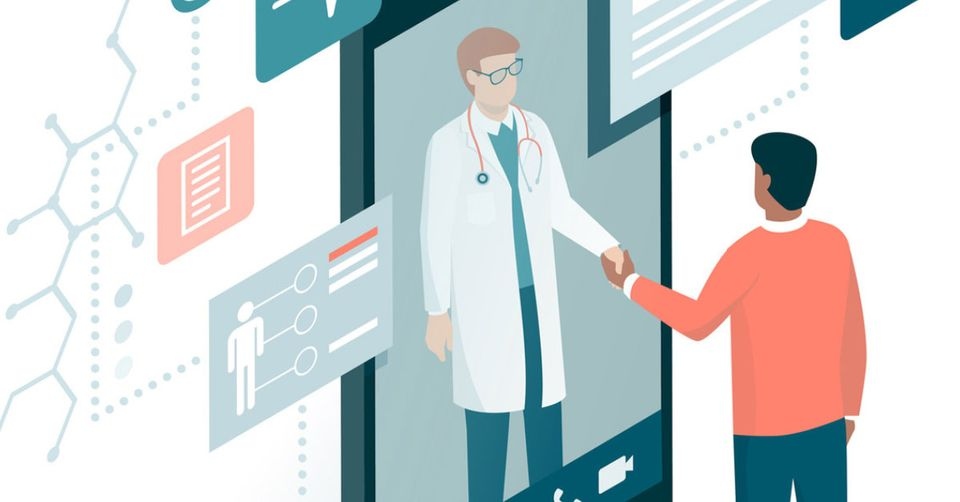
Because healthcare is not sustained by buildings or policies alone. It is sustained by people. And when those people are overwhelmed, exhausted, or unsupported, the system feels it.
When people feel unheard, they do not stop searching for answers. They simply begin to look elsewhere. And in that space, between need and neglect, misinformation thrives.
So if we are asking people to stand with science, then science—and the systems built around it—must also stand with people. Trust cannot be demanded. It has to be earned. And once earned, it must be protected.
This is where the message of World Health Day becomes more than a slogan. Together for health is not just about collaboration between institutions or countries. It is about connection. Between doctor and patient. Between policy and reality. Between evidence and lived experience.
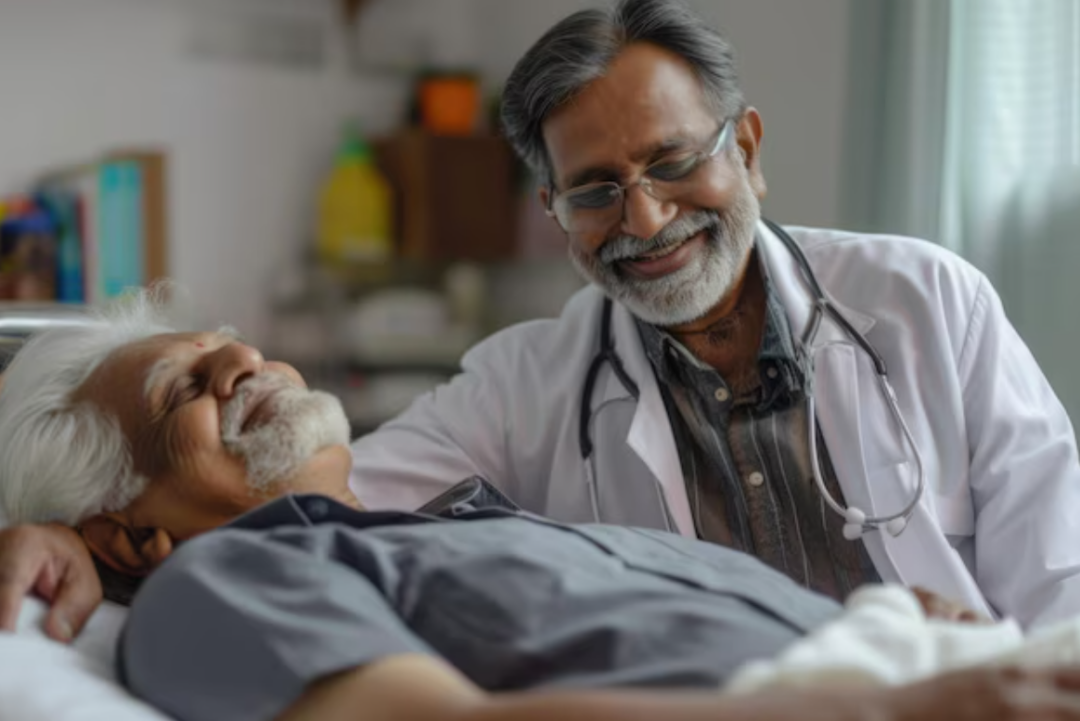
Because health is not built in laboratories alone. It is built in clinics, in communities, and in conversations.
There is another truth we can no longer ignore. Health does not exist in isolation. It is shaped by the world we live in—our environment, our food, our stress, our daily realities. The air we breathe. The food we can afford. The pressures we carry.
This is what we now call the One Health approach. But for many people, it is simply everyday life.
As a doctor, I see this reflected in patients every day.
- A person with uncontrolled diabetes—not just because of biology, but because healthy options are not always accessible.
- A man with hypertension—not just because of genetics, but because stress has become a constant.
- A child with respiratory problems—not just because of infection, but because of environmental exposure.
These are not isolated cases. They are patterns.
So what does it mean to stand with science? It does not mean blind acceptance. It means informed trust. It means asking questions—but also being willing to hear answers grounded in evidence. It means understanding that uncertainty is not weakness. It is part of the process.
And what does it mean to stand together? It means building systems people can rely on. It means making healthcare accessible, not just available. It means communicating clearly, honestly, and consistently, especially when it matters most.
Because there is one truth we cannot avoid. When trust in science collapses, people do not stop believing. They simply begin to believe the wrong things.
World Health Day is a mirror.
A moment to pause and ask ourselves: are we building trust or losing it? Are we strengthening systems or stretching them beyond their limits? Are we truly standing together or leaving people to face illness alone?

Because in the end, this is the truth we cannot escape:
When science and society drift apart, illness doesn’t wait… it moves in.
Imagine her beside the hospital bed, handbag slipping off one shoulder, phone vibrating with messages from work. Her father is Read more
Birthdays matter in public policy, and the government’s move to raise the legal age for alcohol and tobacco to 21 Read more
As always, October looks lovely. There are pink ribbons to look at in the bank while waiting in an awfully Read more
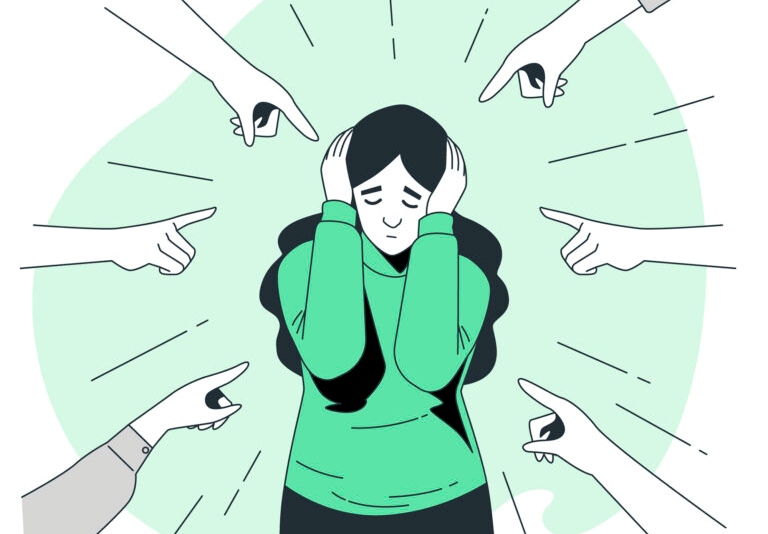
The prescription for healthy living was flawless, if I do say so myself. Grilled fish, fresh vegetables, fruits bursting with Read more
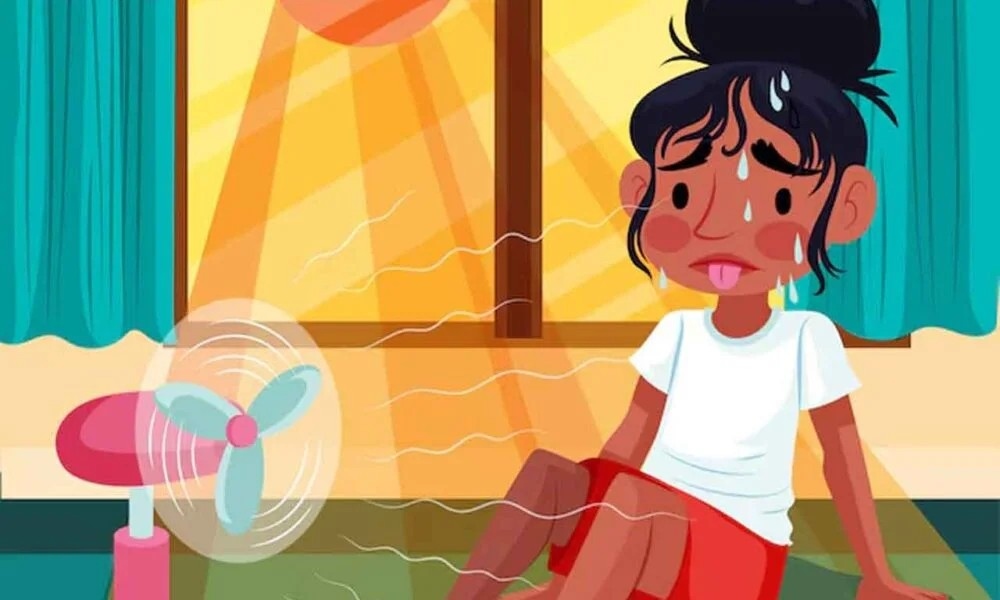
Covid-19 was a masterclass in socioeconomic inequities but heatwaves have also ignited pervasive disparities in our society. The elderly, those Read more
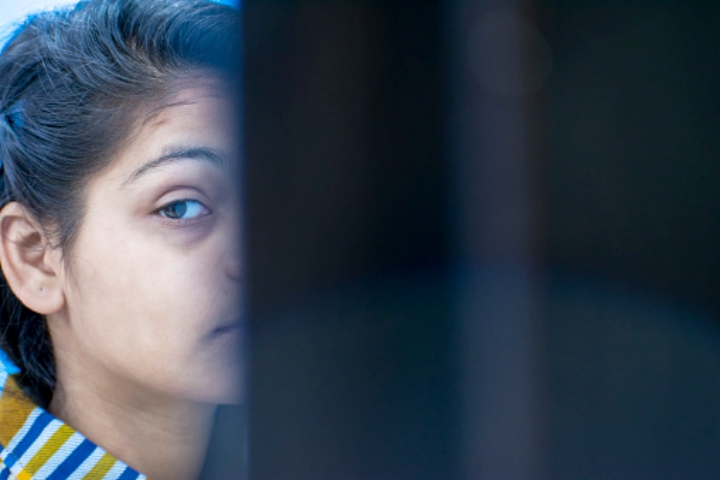
World Suicide Prevention Day is observed annually on 10 September. The international theme for 2024 to 2026 is “Changing the Read more