 Wired868 Wired868 for smart sport news and opinion
My preoccupation with advocating that we do more to encourage a love for reading stems from a conviction that it is a fundamental aspect of our development as a society. It’s not so much about learning to read, important as that is, but more about finding pleasure in the act.
Within every imaginable community, people have a wide assortment of interests and beliefs. They go about their business pursuing what they can. As they say, gold for one is poison to another.

How does a person, born into an environment where books barely exist and reading is spurned, how does that person develop a love for reading from early childhood?
It’s a question I have often pondered about myself. Perhaps I am an aberration, though I suspect there are several others like me.
It is more likely that children form deeper relationships with the world of books through early exposure at school and at home. The kind of exposure I mean is not that which comes from being instructed to “pick up a book” to study, but that which comes from having someone read to you early in life.
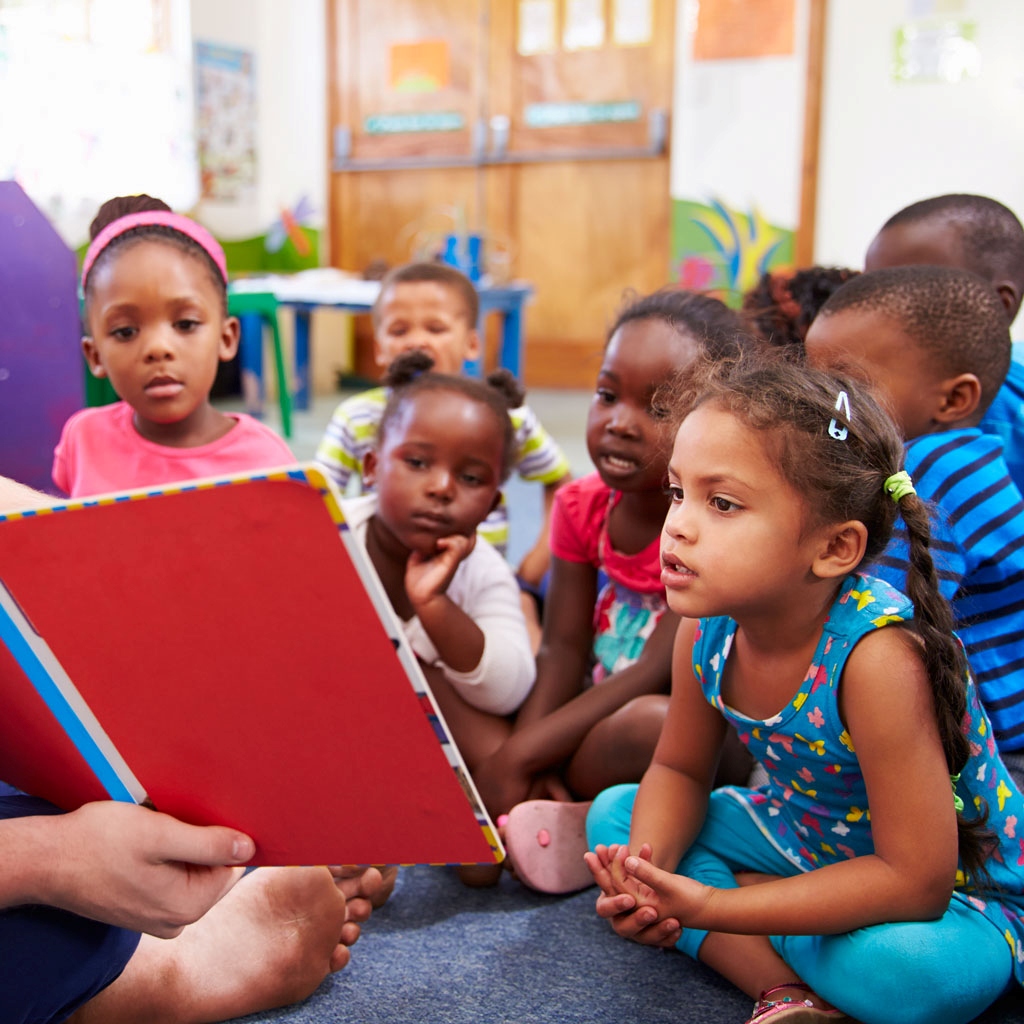
Photo: Shutterstock.
It’s a mixture of the companionship and bonding that this fosters and the stimulation of the imagination—like setting off on an adventure together.
It’s an important foundation for the often rigid and dull way that our school system sucks the joy out of learning.
Look, I am not saying that by motivating people to read we will eradicate the problems that plague us. Nothing is so simple. But if we look around at the daily horrors in our midst, we might discern a whole heap of undeveloped minds, incapable of processing thoughts.
I am convinced that reading—for pleasure or for enlightenment—helps us to learn how to explore ideas and how to see beyond the immediate.

I know our history has left deep wounds that scarred us mentally, but our chances of managing that often unexamined pain are reduced if we do not have access to information.
This brings me to another of my abiding concerns. We still have not developed a culture of recording and archiving our histories.
Granted, there is now a surge in that kind of writing in book forms. Valuable accounts are now available. I feel that the best way to make them accessible is to put them on the school syllabus.
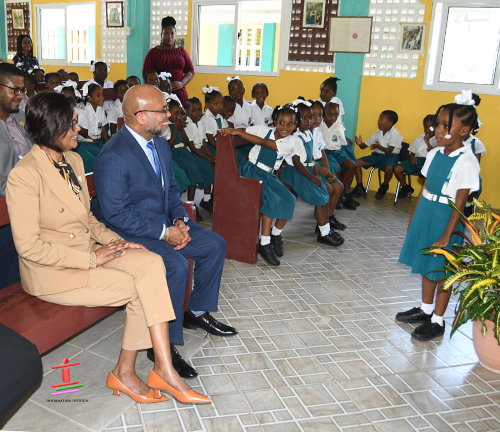
Photo: OPRTT.
It is worth repeating that instead of relying solely on prescribed texts, there should be at least a weekly session in all schools of something like a story-time. Off the top of my head, I can readily suggest Richard Charan’s The Village of One, and Bridget Brereton’s History Matters.
There are several other collections of stories that would bring the whole business of understanding ourselves into an engaging landscape for the mind.
Newspaper articles are rich sources of news and commentary on issues that are connected to daily lives. In school, they can enable children to see themselves as part of a community.

For instance, recently, Fazeer Mohammed wrote a series of articles (on the website Wired868) leading up to the 50th anniversary of the West Indies team’s victory in the first male Cricket World Cup in 1975.
Don’t mind my bias towards cricket, but there are few people outside of that community who know anything about that event.
It’s not a plug for cricket; it is really about saying that it is as important for our histories to be told by ourselves, as it is for us to know our heritage.
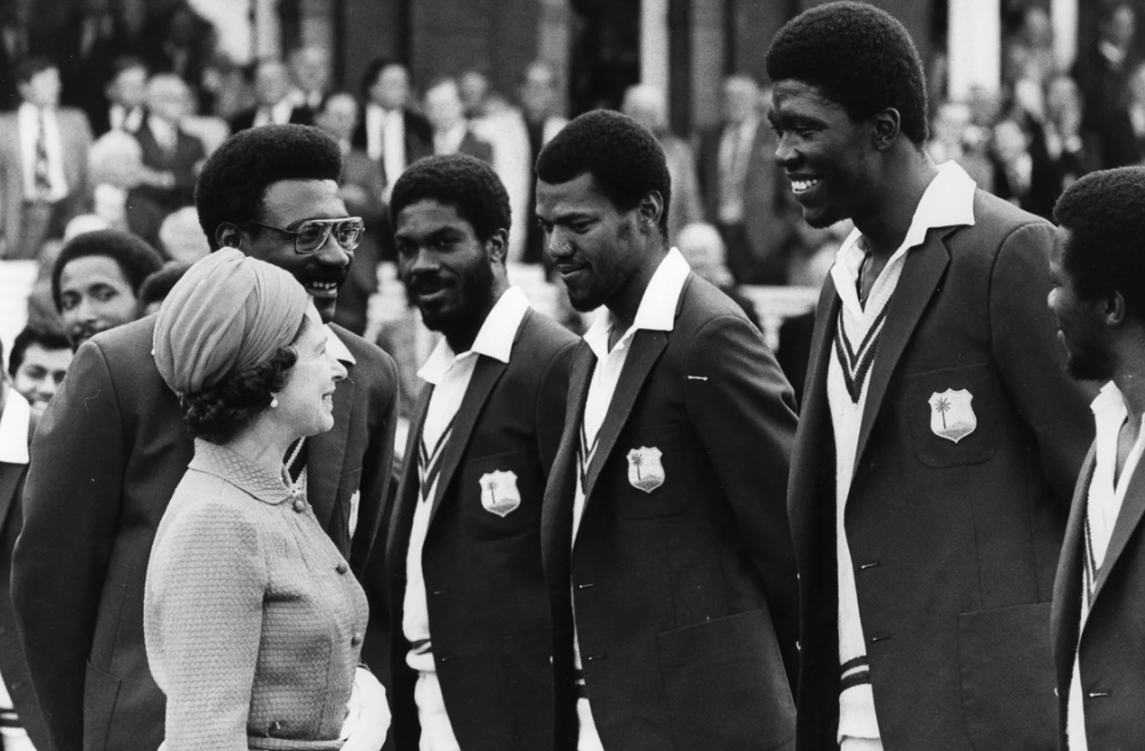
Photo: PA Photos.
More than one generation has come to adulthood without knowing their pedigree. Without that, they are condemned to seeing themselves as disposable beings—living fast, short and brutish lives without any hope and aspiration for something more meaningful.
Who is not appalled and aghast by the recent sight of schoolgirls viciously beating up on others in two separate incidents?
I’ve often wondered if the lockdowns during the Covid-19 pandemic amplified the cracks in home life. Was school a respite from unhappy homes? Did children find themselves in situations that raised their levels of anger and hopelessness?
Does that contribute to the rage manifesting itself in the schools?

That aside, there are obvious challenges in the way that technology has altered the way we gather information. Books have unfortunately been relegated to the status of being outdated.
The proliferation of books purporting to offer guidance on how to live, and on-line gurus and influencers suggests that humans have lost their connection with common sense.
But that cannot extinguish the light that blazes from within the covers of writers who know how to tell stories. Nothing can replace the pleasure of discovering yourself within the pages of a writer’s mind.
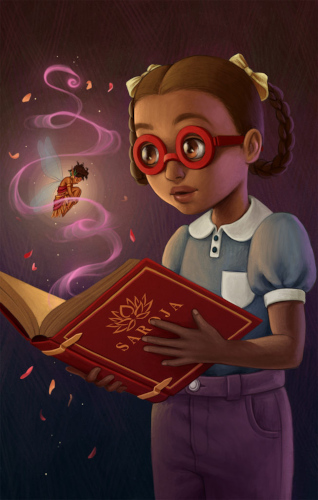
It can create a sense of belonging to that big world out there that can feel so distant and faceless otherwise. It reveals the universality of the human condition, and reduces that sense of being alone.
Former librarian and columnist, Debbie Jacob often takes the time to list books by genre which she recommends to readers. That, in itself is a significant contribution to encouraging us to read.
It comes down to recognising that there is a terrible disconnect between reading and educating our minds. I believe if we take a different approach in our schools, making reading a time of pleasure, we might stand a chance of reconnecting with lost words.
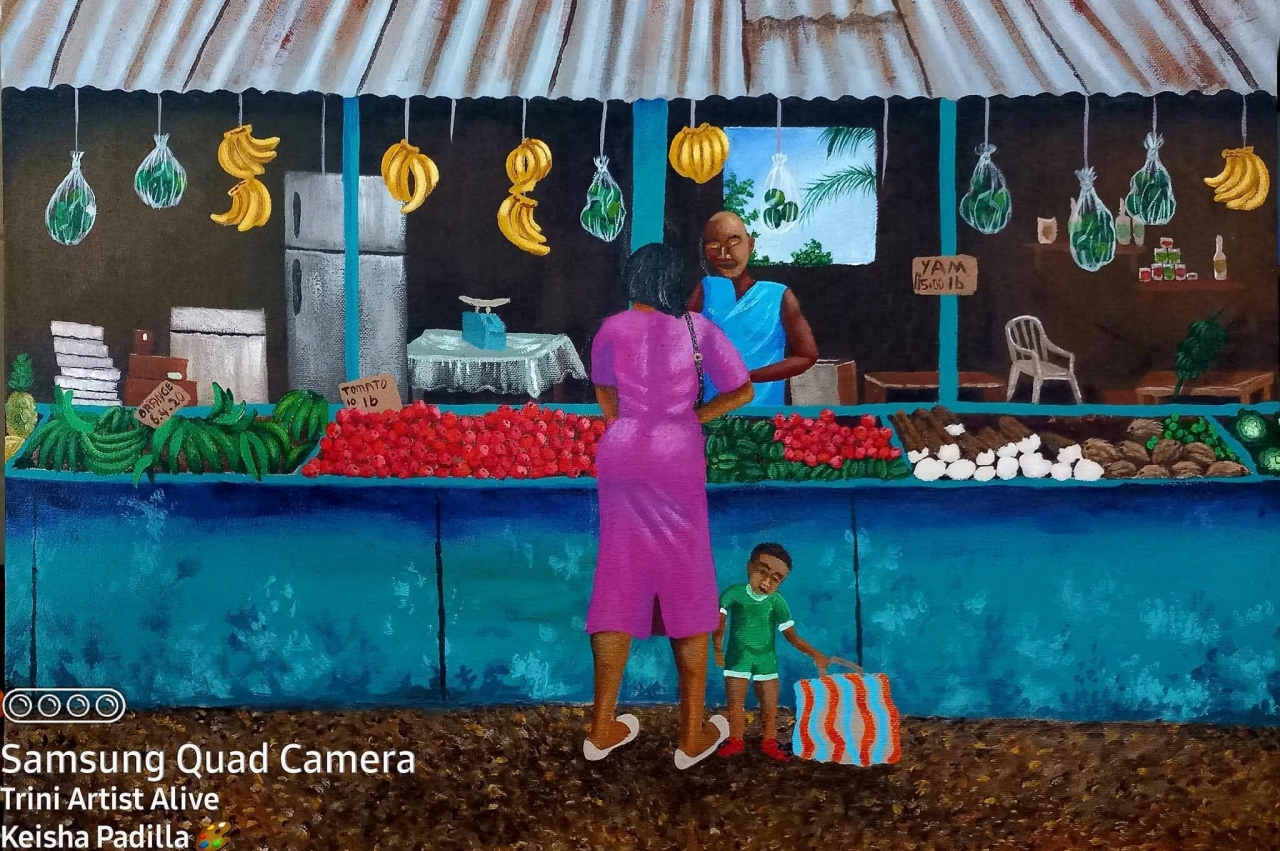
No matter how thrifty I am, it is a challenge to manage the high cost of living. Working from home Read more

In the days before the new academic year begins, the quest for books, uniforms and shoes continues. Health is often Read more
When I reach into the freezer for something from my hoard of cooked dishes, I am often reminded of the Read more
The school holidays have arrived. Children wake later. Shoes disappear under beds. Lunch kits are forgotten for a while. Grandparents Read more

There is one image from childhood that has never left me. After the Common Entrance results were announced, the school Read more

She wasn’t one of my regular produce vendors—her stall was just off my usual tracks and her array of vegetables Read more
Vaneisa Baksh is a columnist with the Trinidad Express, an editor and a cricket historian. She is the author of a biography of Sir Frank Worrell.