 Wired868 Wired868 for smart sport news and opinion
At first glance, the “wellness industry” looks marvellous. It speaks about prevention. It mentions gut health, cortisol, mitochondria and hormones.
But if you watch closely, you’ll notice something peculiar.
It never wants you finished.

(via iStockphoto.)
It wants you improved. Optimised. Detoxed. Biohacked. Reset. Rebalanced. Rejuvenated.
But never done.
A cured patient is a terrible customer.
A permanently “almost better” one is excellent for business.
The modern wellness economy is not built on restoration. It is built on maintenance of mild dissatisfaction. You are not sick enough to see me urgently. But you are unwell enough to buy powders, drops, tonics, infusions and programs designed to correct imbalances you did not know you had.
And the genius of it is this: the symptoms it targets are universal.
Fatigue. Brain fog. Bloating. Low mood. Poor sleep. Low energy.
Who does not have those?
We live in a world of chronic sleep debt, endless stimulation, emotional overload and ultraprocessed convenience. Of course people feel suboptimal. Of course they want relief.
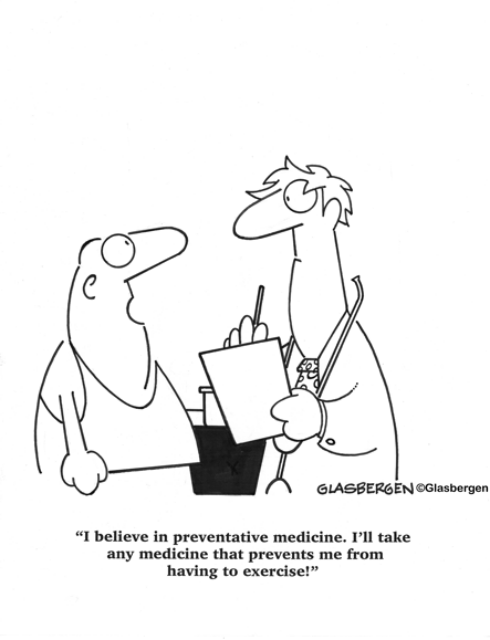
The wellness industry steps forward gently.
You don’t need discipline. You need a deficiency.
It is rarely your habits. It is rarely your stress. It is rarely your schedule.
It is zinc. Or magnesium. Or vitamin K2. Or something new that sounds both scientific and rare.
There is always a compound which is easier than change. A patient arrives carrying a small pharmacy purchased online. Adaptogens. Greens. Liver detox sachets. NAD boosters. A creatine blend that promises cognitive sharpness. Zinc lozenges taken prophylactically against viruses that may or may not exist.
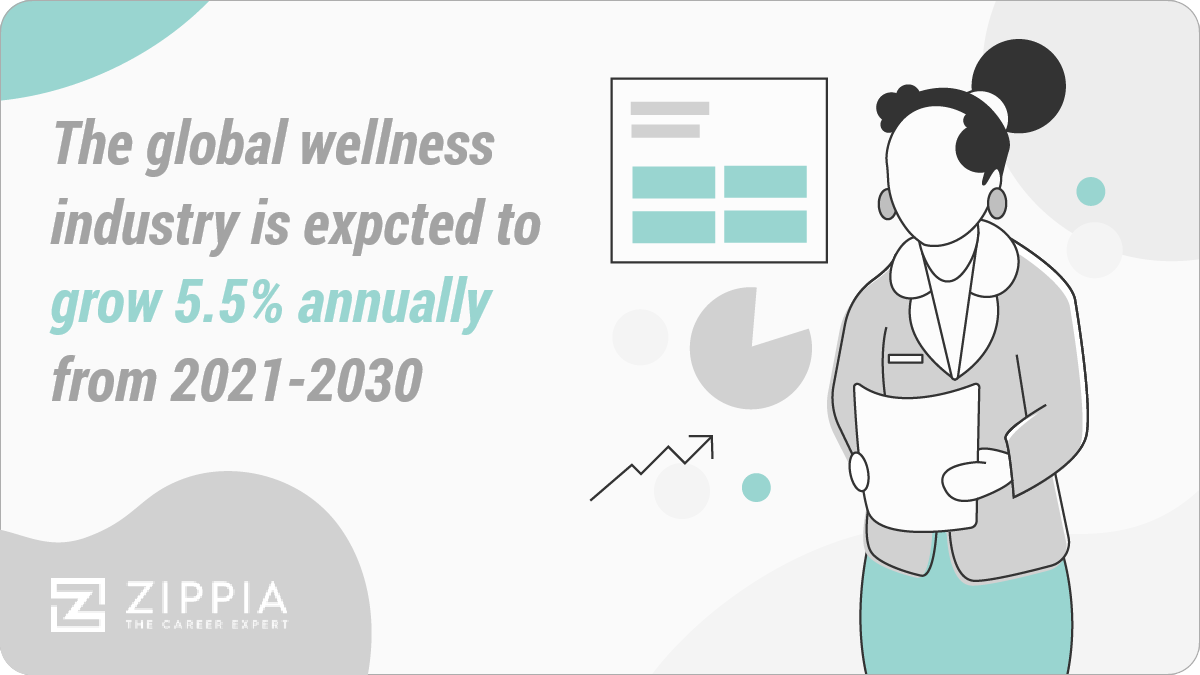
(via Zippia.)
They are not foolish. They are hopeful.
Hope is profitable.
The uncomfortable truth is that the supplement industry is structurally different from medicine. Pharmaceuticals must prove efficacy and safety before marketing. Supplements, in many jurisdictions, must merely avoid being overtly poisonous.
The burden of proof is inverted.
If harm is not immediately obvious, it is allowed to flourish.
This creates a perfect storm. Influencers present certainty. Algorithms reward engagement. Consumers seek reassurance. And somewhere in the middle, nuance evaporates.
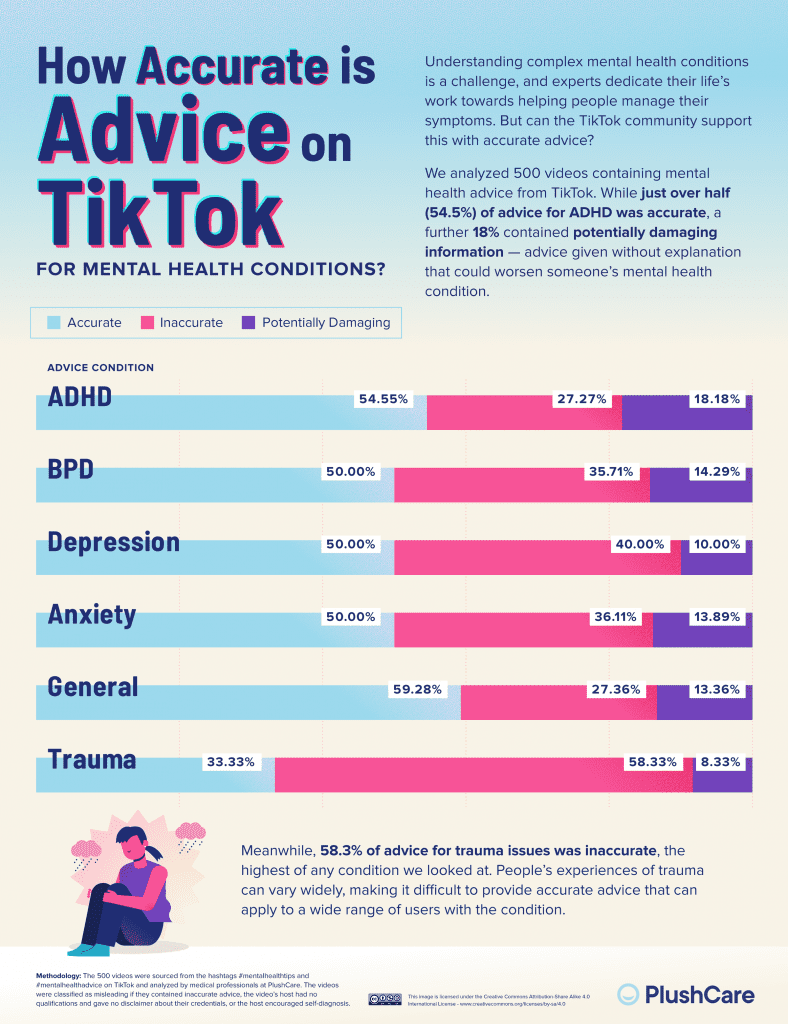
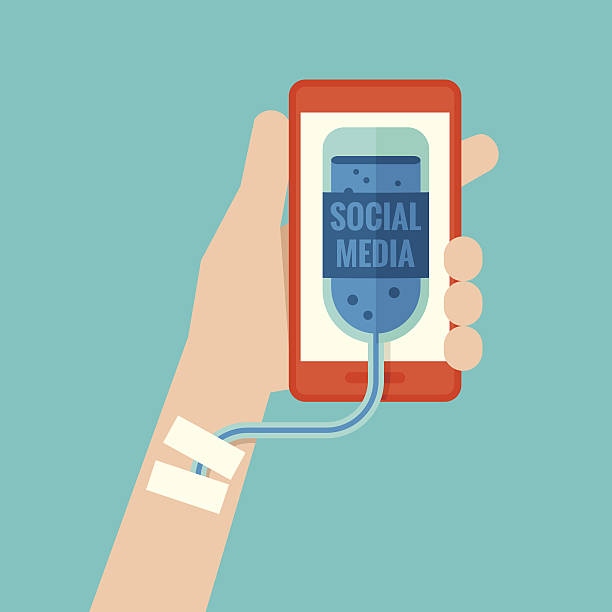
TikTok is now practising medicine without a licence.
That sentence sounds dramatic. It is not.
Scroll for thirty seconds and you will encounter advice on insulin resistance, cortisol rhythms, thyroid optimisation, hormone stacking, liver detoxification, fat-burning peptides and intravenous vitamin cocktails that promise post-Carnival resurrection.
The algorithm does not care whether the advice is correct. It cares whether you watch. Confidence scales. Evidence crawls.
A well-lit video with a charismatic voice will outperform a systematic review every time. And so the public learns medicine from the most persuasive rather than the most accurate.

But here is where the real problem begins.
The wellness industry rarely sells a solution. It sells an identity.
You are not merely taking supplements. You are biohacking. You are upgrading. You are joining a community that understands what the mainstream does not.
Mainstream medicine, in this narrative, is slow. Conservative. Outdated.
Wellness is cutting-edge. What is never mentioned is that many of the “cutting-edge” interventions rest on mechanistic plausibility rather than outcome data.

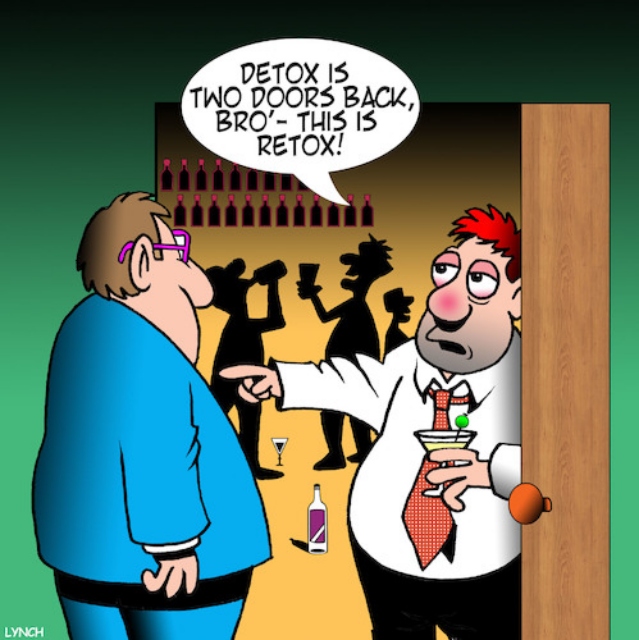
The detox industry is perhaps the most elegant example. After indulgence, there is guilt. After guilt, there is a drip. Intravenous cocktails of vitamins and antioxidants offered as redemption for excess.
If your liver works, you do not need detox.
If your liver does not work, a vitamin drip will not save it.
But redemption is emotionally compelling. It is easier to book an infusion than to change behaviour.
Feel tired? Buy something. Feel temporarily better. Attribute improvement to the product rather than to rest or hydration. Repeat.
The body, meanwhile, continues to keep score in ways no influencer mentions. Sleep deprivation raises cortisol. Chronic stress alters glucose metabolism. Sedentary habits stiffen arteries. No supplement overrides physiology indefinitely.
Here is the villainous part.
The industry does not correct underlying drivers because underlying drivers are inconvenient. Real change involves sleep hygiene, dietary adjustment, movement, boundaries and sometimes uncomfortable reflection about how we live.
That is not glamorous content.
A capsule is.
Some supplements have evidence. Creatine has robust data for muscle performance. Zinc may shorten a cold modestly when taken early. Certain deficiencies like vitamins B12 or D genuinely require correction.

(via Shutterstock.)
But evidence-based supplementation is not the same as endless optimisation.
Optimisation is a treadmill. There is always another biomarker to tweak. Another level to unlock. Another molecule trending.
You never arrive.
And that is the point.
The wellness industry does not want you catastrophically ill. It also does not want you quietly content.
It wants you perpetually improvable.
Patients now enter clinic requesting interventions framed in viral language. They speak of hormone crashes, adrenal fatigue, dopamine depletion, toxic overload. Some of these terms have kernels of truth. Many are distorted beyond recognition.
What concerns me is not that people are curious. Curiosity is healthy.
What concerns me is that accountability is absent.
When a doctor prescribes incorrectly, there are consequences. When an influencer exaggerates, the penalty is often more engagement. The asymmetry is staggering.
But here is something the wellness industry will never admit.
Most of what people are seeking cannot be bottled.
The most radical act in modern health is not buying another supplement. It is simplifying. Sleeping. Walking. Eating recognisable food. Saying no to schedules that erode you.
These interventions are profoundly unprofitable.
Which may be why they are rarely viral.
The villain is not a single company or influencer. It is a model that monetises insecurity and sells the illusion of effortless optimisation.
What troubles me most is not the harmless multivitamin or the overpriced detox sachet. It is the quiet moment when someone with a serious illness decides that “natural” must be safer than necessary.

I have seen patients with diabetes abandon insulin for cinnamon or chromium because a video promised reversal. I have seen blood pressure tablets stopped for magnesium protocols. I have seen cancer patients pause chemotherapy to pursue unproven infusions marketed as immune miracles.
But physiology does not negotiate with hope. Blood glucose rises whether or not you believe in supplements. Tumours do not slow because a protocol sounds compelling.
When evidence-based treatment is delayed, disease does not wait politely. It progresses. And by the time patients return—often quieter, thinner, more frightened—the biology has advanced beyond where it once was.
TikTok will continue to practise medicine without a licence. The algorithm will continue to amplify certainty over nuance. But when complications arise, when arteries narrow, when livers inflame, when glucose climbs, the algorithm will not be in the resuscitation bay.
Health is not something you optimise.
It is something you practise.
And the body does not follow trends.
It follows patterns.
Choose yours carefully.
World Suicide Prevention Day is observed annually on 10 September. The international theme for 2024 to 2026 is “Changing the Read more

In the days before the new academic year begins, the quest for books, uniforms and shoes continues. Health is often Read more

This Independence Day, Trinidad and Tobago turns 64. If the country were one of my patients, this would be about Read more
The third scalding shower before breakfast was not for cleanliness. It was the only place the young man stopped vomiting. Read more

The half-used insulin vial was wrapped in a stained cloth and tucked inside a small purse. She had carried it Read more
Men will discuss chest pain, blood in the urine and constipation with surprising courage. Erectile dysfunction often arrives in a Read more