 Wired868 Wired868 for smart sport news and opinion
“[…] There is also something profoundly human about the evil eye that modern medicine struggles to acknowledge: the role of envy and comparison in illness.
“We live in an age of social media, where admiration is constant and unfiltered. Eyes everywhere. Watching. Liking. Measuring.
“If the ancients were worried about the neighbour’s gaze, imagine what they would say about Instagram. Perhaps the evil eye has simply gone digital…”

The following guest column on why medicine should be humble, open-minded and respectful to ‘cultural wisdom’ was submitted to Wired868 by Dr Joel David Teelucksingh of Chase Village:
I have learnt that not everything that walks into a clinic arrives neatly packaged in textbooks. Some come with blood tests. Some come with X-rays. And some arrive with aunties, whispers and the firm conviction that “somebody watch them bad”.
I pause. I nod. I listen. Because medicine, if nothing else, teaches humility.
I am speaking, of course, about the evil eye. Mal yeux. Maljo. Bad eye. That ancient, globe-trotting diagnosis that predates MRI machines and even the stethoscope. It has survived empires, religions and modern medicine with a resilience most viruses can only envy.
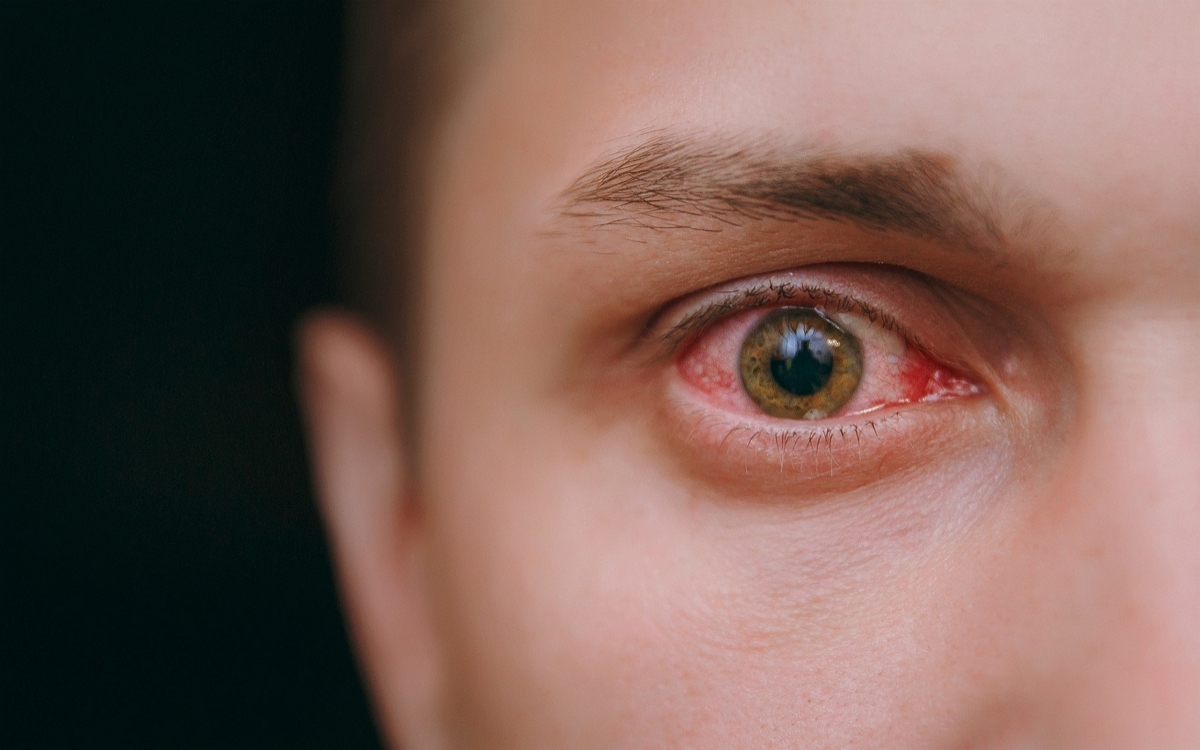
The evil eye is not a Caribbean invention, though we have certainly perfected the storytelling. The belief exists in the Middle East, India, Africa, Southern Europe and Latin America. The ancient Greeks feared it. The Romans wrote about it. Even the Bible makes passing reference to the “evil eye”.
In France, mal yeux. In Spanish, mal de ojo. Different languages, same unsettling idea: envy, admiration or ill intent can leap from one person’s gaze into another’s body and cause illness.
And importantly, it is rarely deliberate. That is the genius of the belief. The person who casts the eye may love you dearly. They may admire your baby, your house, your success. And that is precisely the danger.

“Doctor,” the mother says, lowering her voice, “everybody say he too pretty… and parents give the worst maljo.”
The baby sleeps peacefully in her arms, pink, well-fed, the picture of health. But he has been crying at nights. Colic, I suggest gently. Gas pains. Immature gut. Perfectly normal.
She listens politely, then counters with the quiet authority of generations: “I know gas, doc. This is something else.”
The modern doctor likes to believe we have banished superstition. But scratch the surface and you will find we are not as different as we think.

We wear white coats the way shamans wore feathers. We chant acronyms instead of prayers. We place great faith in invisible things—cholesterol, neurotransmitters, immune cells we have never seen with our own eyes.
When a patient tells me they have the evil eye, what they are really saying is this: Something bad has happened to me, and I do not understand why.
That, in its purest form, is the beginning of all medicine.
The evil eye is often blamed for symptoms that are vague, frustrating, and resistant to simple explanations: headaches, fatigue, poor sleep, weight loss, anxiety or a run of “bad luck”. These are also the symptoms of stress, depression, anxiety disorders and psychosomatic illness.
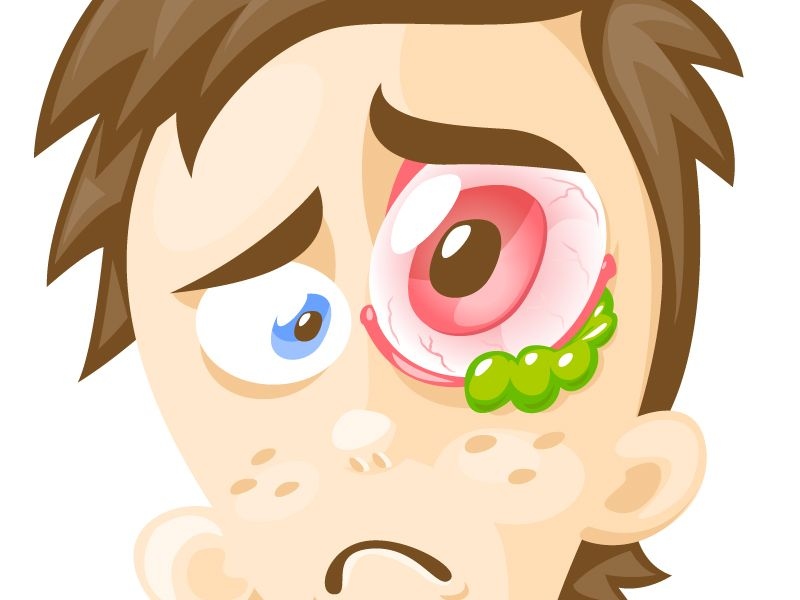
Cultures found a way to explain suffering without shame. It was not your weakness. It was not your fault. Someone else’s gaze had unsettled your balance.
There is kindness in that belief.
In Trinidad and Tobago, the evil eye thrives in the space between religion, folklore and daily life. We trust God, but we still put the black beads on the baby’s wrist. Just in case.
Reassurance is therapeutic. Ritual is powerful. Belief changes physiology. Placebo is not an insult—it is evidence of the brain’s remarkable ability to influence the body.
The evil eye may not show up on a scan, but the fear of it can raise blood pressure, disrupt sleep, tighten muscles, unsettle digestion. The body listens very carefully to the stories we tell it.
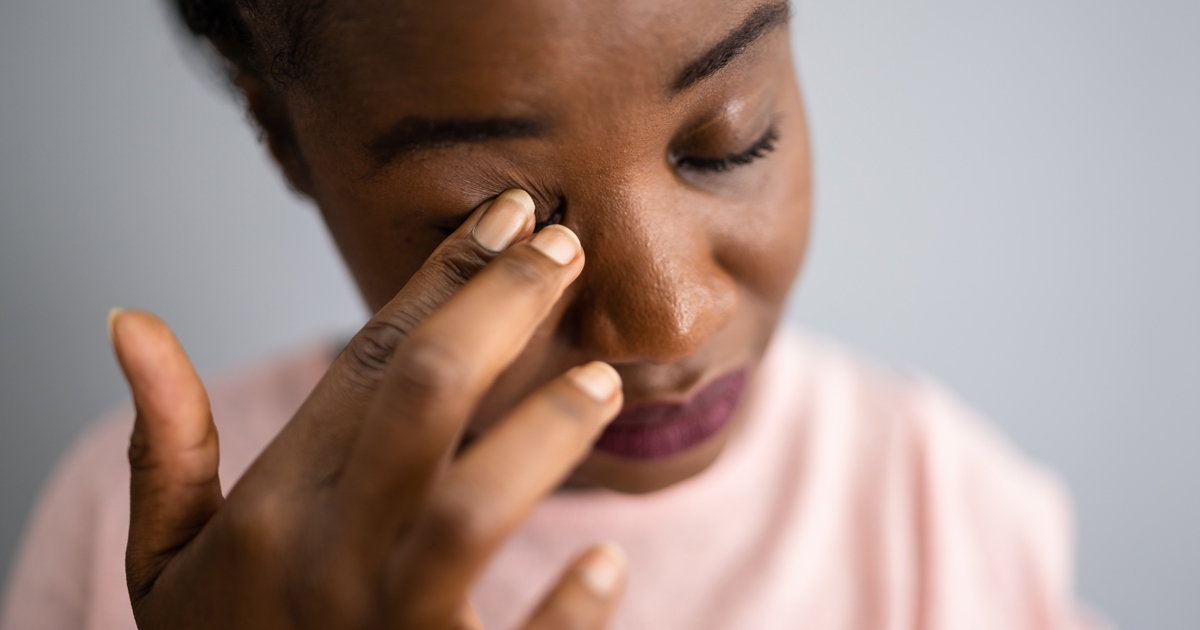
Where medicine sometimes goes wrong is when it becomes arrogant. When it laughs too quickly. When it dismisses centuries of cultural wisdom as “nonsense” without asking what need that belief serves.
If a grandmother tells her daughter to keep the baby indoors for a few weeks, to avoid too many eyes, too much admiration, what is she really prescribing?
Rest. Bonding. Protection from overstimulation. Reduced infection risk. Not bad advice, medically speaking.
If a person believes they are under the evil eye and seeks a ritual cleansing—prayer, oil, herbs, quiet reflection—what are they doing?

(via Custom Eye Care.)
Taking time out. Being cared for. Being seen. Lowering stress hormones. Wise.
Of course, the danger comes when belief replaces medicine rather than complements it. When seizures are treated only with prayer and not anticonvulsants. When depression is blamed solely on bad eye and not addressed with therapy or support. When diabetes is ignored while envy takes the blame.
That is where the doctor must gently step in, not with ridicule, but with translation.
- “Yes,” we say, “stress can make you feel like this.”
- “Yes, too much attention can overwhelm a child.”
- “And yes, let us still check your blood pressure.”

Patients are far more willing to accept medical advice when they do not feel their worldview has been trampled on.
There is also something profoundly human about the evil eye that modern medicine struggles to acknowledge: the role of envy and comparison in illness.
We live in an age of social media, where admiration is constant and unfiltered. Eyes everywhere. Watching. Liking. Measuring.
If the ancients were worried about the neighbour’s gaze, imagine what they would say about Instagram. Perhaps the evil eye has simply gone digital.
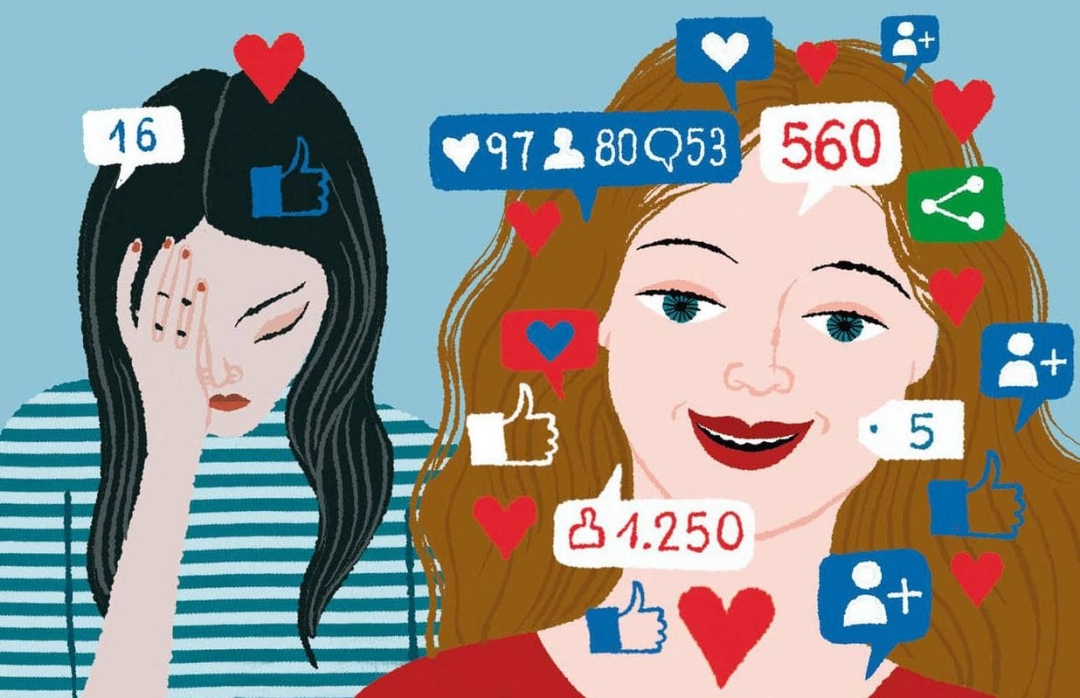
As doctors, we are trained to look. We inspect. We palpate. We observe. Even our profession revolves around the act of seeing. And that should give us pause. Because the gaze can heal, but it can also harm.
A careless comment. A dismissive look. A raised eyebrow at a patient’s fear. These can wound just as deeply as disease.
Maybe that is the real lesson of the evil eye—not that eyes emit mystical rays, but that attention is powerful. That how we look at each other matters.
So when the patient tells me about mal yeux, I do not scoff. I smile. I listen. I examine. I explain. I treat what I can measure, and I respect what I cannot. Medicine does not exist in a vacuum. It lives in stories, culture, belief, fear and hope.

And sometimes, in that quiet space where science meets compassion, the evil eye loses its power—not because it was disproven, but because the person finally feels protected again.
World Suicide Prevention Day is observed annually on 10 September. The international theme for 2024 to 2026 is “Changing the Read more

In the days before the new academic year begins, the quest for books, uniforms and shoes continues. Health is often Read more

This Independence Day, Trinidad and Tobago turns 64. If the country were one of my patients, this would be about Read more

“[…] I urge our PM not to use the word ‘coolie’ to self-reference. I accept the fact that you may Read more

In two years, I will be a pensioner myself. So when I say the upcoming budget must increase the old Read more

“[…] ‘No rule was broken’ is a legal answer to a question that isn’t, at its heart, legal. It’s a Read more