 Wired868 Wired868 for smart sport news and opinion
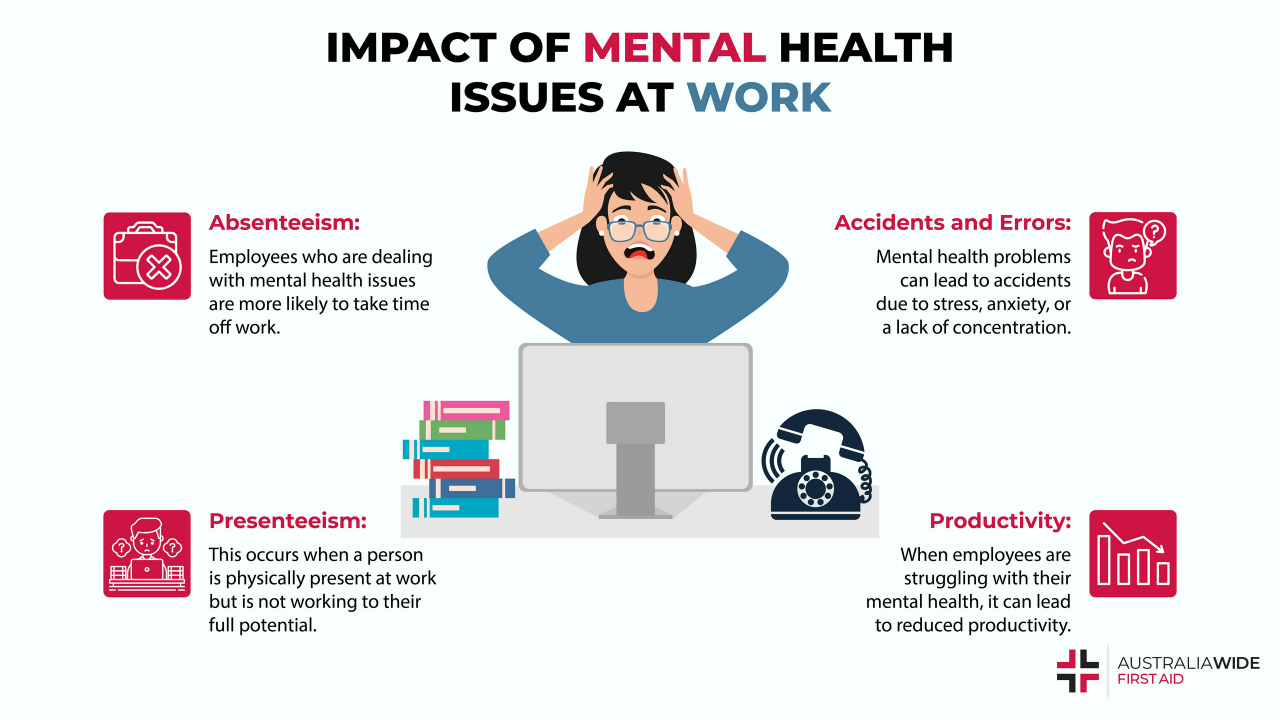
“[…] Economists call it ‘presenteeism’. This means being physically at work but mentally checked out due to untreated mental health problems. In a small island economy, this is a productivity killer—difficult to quantify with hard data.
“[…] Mental health budgets cannot be viewed as charity. That would be the wrong lens… Whether it is treating anxiety disorders or managing complex trauma, the cost of prevention and early intervention is a fraction of the cost of the inevitable social fallout…”
The following Letter to the Editor on the potential cost of mental health issues to Trinidad and Tobago’s GDP was submitted to Wired868 by Dr Russell Lutchman, consultant forensic psychiatrist, Birmingham, UK:

(via Neuroscience News.)
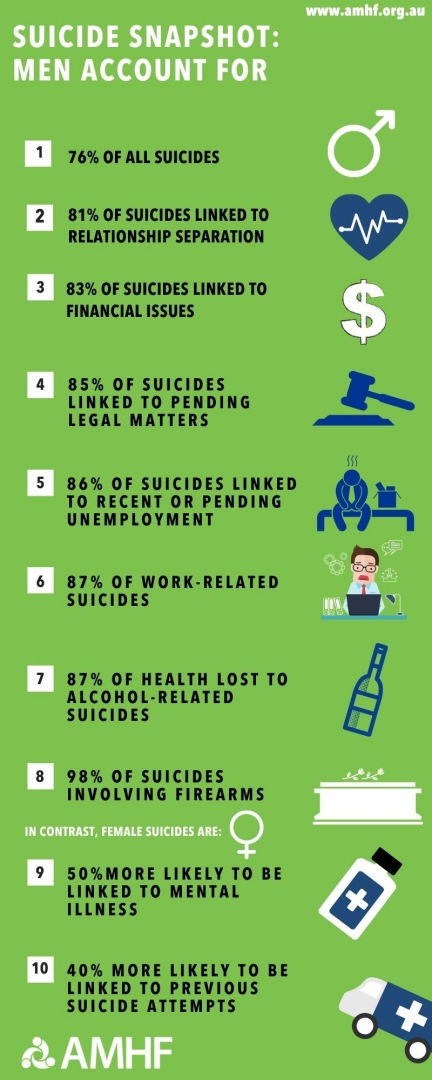
Dr Joel Teelucksingh’s recent article Unseen epidemic of male suicide in Trinidad and Tobago (Newsday 04/01/2026) was a hard read. It was also a necessary one.
Trinidad and Tobago is losing men at a disproportionate suicide rate. The focus on gender differences is valid.
A statistical check on the 2020–2023 figures yield a Chi-square value of roughly 209. In plain English, that means the probability of this gender imbalance happening by accident is effectively zero.
This confirms the gender disparity is real and substantial—not a statistical fluke. Something fundamental has broken in the social fabric.
Advocates have been making the moral case for mental health services for decades. The problems remain and are probably growing worse. As advocates have gained little ground, it is time to make the accountant’s case.
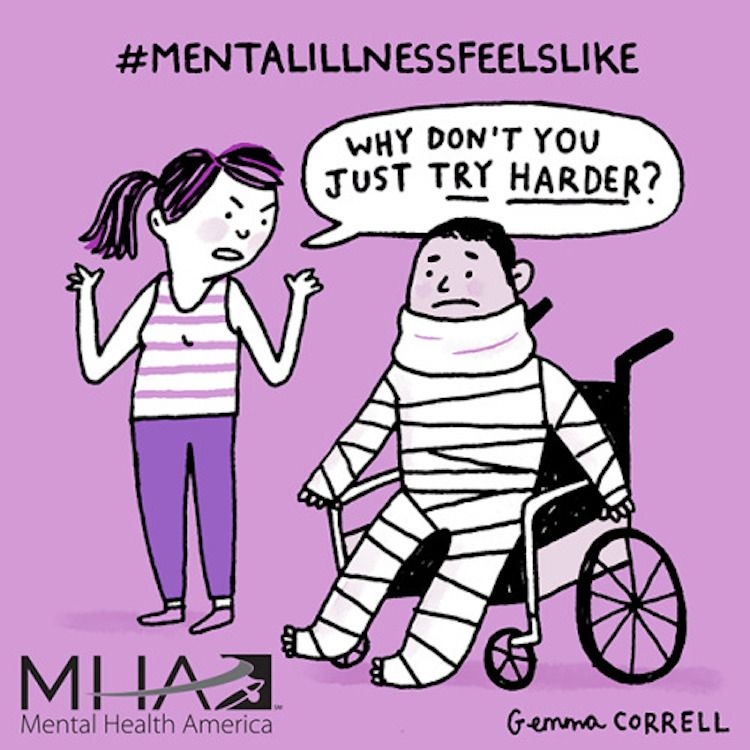
Suicide is just the most visible tip of a very expensive iceberg. For every person who reaches that desperate point of no return, hundreds or thousands more in the workforce suffer in silence. They show up to work but cannot function adequately.
Economists call it “presenteeism”. This means being physically at work but mentally checked out due to untreated mental health problems. In a small island economy, this is a productivity killer—difficult to quantify with hard data.
When a skilled worker silently drops out of the economy, the ripple effect may not be immediate, but it is a drain on GDP. Trinidad and Tobago lacks the buffer of the vast labour reserves of the US or China.

Mental health budgets cannot be viewed as charity. That would be the wrong lens. The World Health Organization has pegged the return on investment specifically for treating depression and anxiety disorders at four to one.
We cannot simply extrapolate that figure to every condition. This may be an area where specific country-level evidence is sparse.
But common sense must prevail when hard data is lacking. The fiscal principle holds true across the board: early maintenance is cheaper than fixing what breaks down through neglect.
Whether it is treating anxiety disorders or managing complex trauma, the cost of prevention and early intervention is a fraction of the cost of the inevitable social fallout.

(via AOL.)
Investment must start before the worker even enters the office. It requires a continuous curriculum, stretching from primary school through secondary and into higher education.
We treat physical education as standard—mental resilience is just as critical for a functional labour force. Waiting until a citizen is thirty and in crisis is the most expensive way to manage the problem.
The nation has spent years fighting a visible war against gangs, drugs, and illegal weapons. These threats are loud. They demand immediate political attention.
Mental health problems are different. They obviously do not normally cause attention-grabbing explosions or leave shell casings on the street, but they hollow out the workforce just as effectively.
It is important to reckon with the legacy of the last decade. While the massive 42 percent drop in homicides in 2025 is a relief, the trauma of the violent years does not vanish overnight.
Years of serious crime—violence and sexual assault—have created a reservoir of PTSD and other mental disorders that is likely building in the population. This is a foreseeable tsunami.
Rapid and substantial investment is needed now to treat this backlog of mental health problems, else Trinidad and Tobago risks losing the economic benefits of any battles won against illegal drugs and gang-related violence.
Currently, the country bears a “hidden tax” due to its failure to adequately invest in mental health and comprehensive, integrated education programs.
Underfunding mental health does not result in savings—it merely defers the costs into the future. The interest on this deferred debt is paid through emergency interventions, fragmented care, shattered lives, and preventable deaths.
It is also exacted through the criminal justice system, as untreated mental health crises escalate into criminality and court proceedings.
If the nation intends to take action, the case must be presented in terms that resonate with economic priorities. Failing to do so risks significant and costly consequences.
Currently, the country is allowing its most vital national asset—its people—to depreciate in value. Trinidad and Tobago cannot achieve sustainable growth and renewed stature without a robust and accessible mental health care system.

Is this new UNC Government celebrating our Independence, or declaring its independence from public accountability and the rights of its Read more

Coffee and chocolate have spent years in and out of medicine’s good books. One month, coffee is blamed for palpitations, Read more

“[…] As the applause faded, I thought about our inconsistent and unreliable water schedule, even in the rainy season. I’ve Read more

It’s hard to find composure in the face of the overwhelming human tragedy that has befallen our Venezuelan neighbours. Everything Read more

There is one image from childhood that has never left me. After the Common Entrance results were announced, the school Read more

A 13-year-old girl singing Tight and Pretty with sexually explicit lyrics is a child protection issue! The Child Protection Unit Read more

Want to share your thoughts with Wired868? Email us at editor@wired868.com.
Please keep your letter between 300 to 600 words and be sure to read it over first for typos and punctuation.
We don’t publish anonymously unless there is a good reason, such as an obvious threat of harassment or job loss.