 Wired868 Wired868 for smart sport news and opinion
Several readers have pressed me to say how I felt on the merits of the Prime Minister’s Pension (Amendment) Bill, which was passed by a special majority and took away from Stuart Young SC MP a very substantial pension.
Young would have had this pension even though he held the office of prime minister (PM) in the recently defeated People’s National Movement (PNM) Government for a mere six weeks.
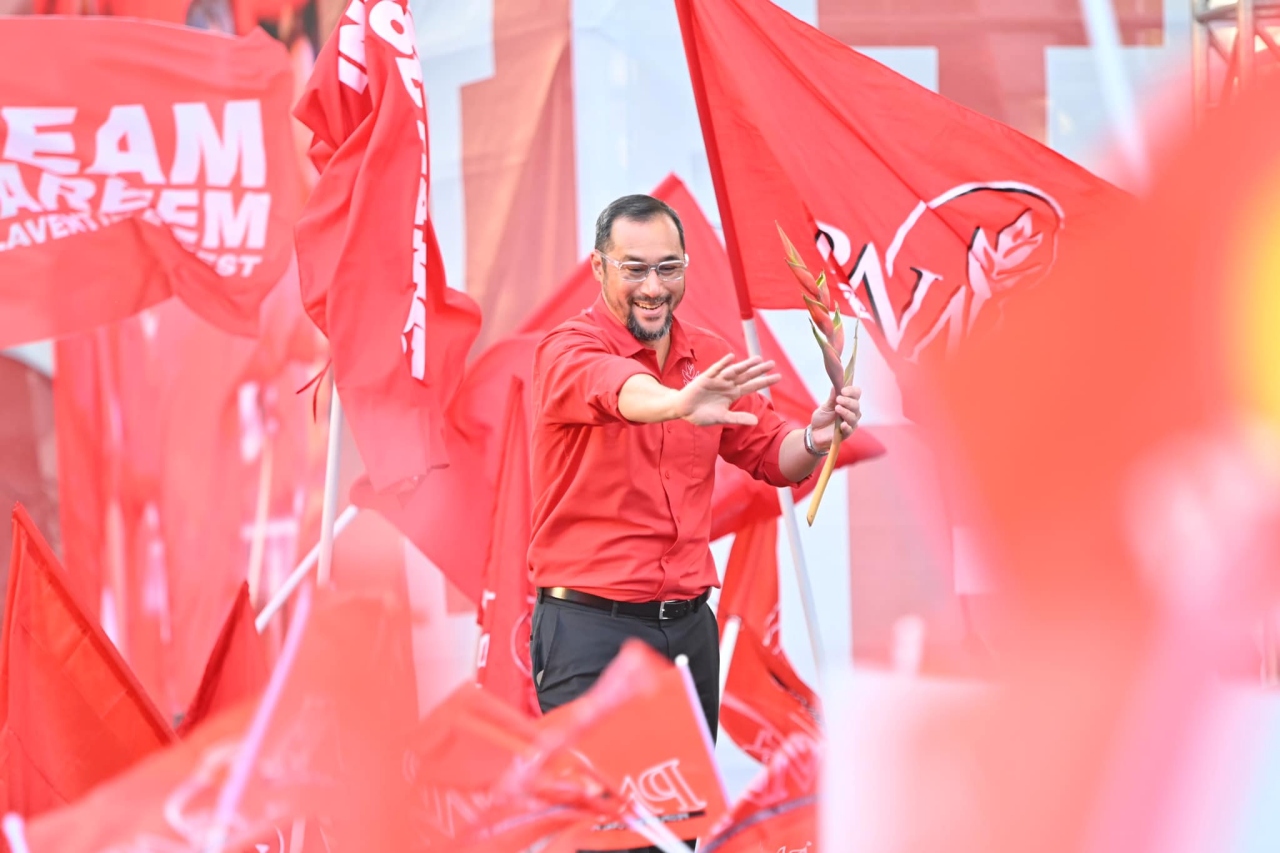
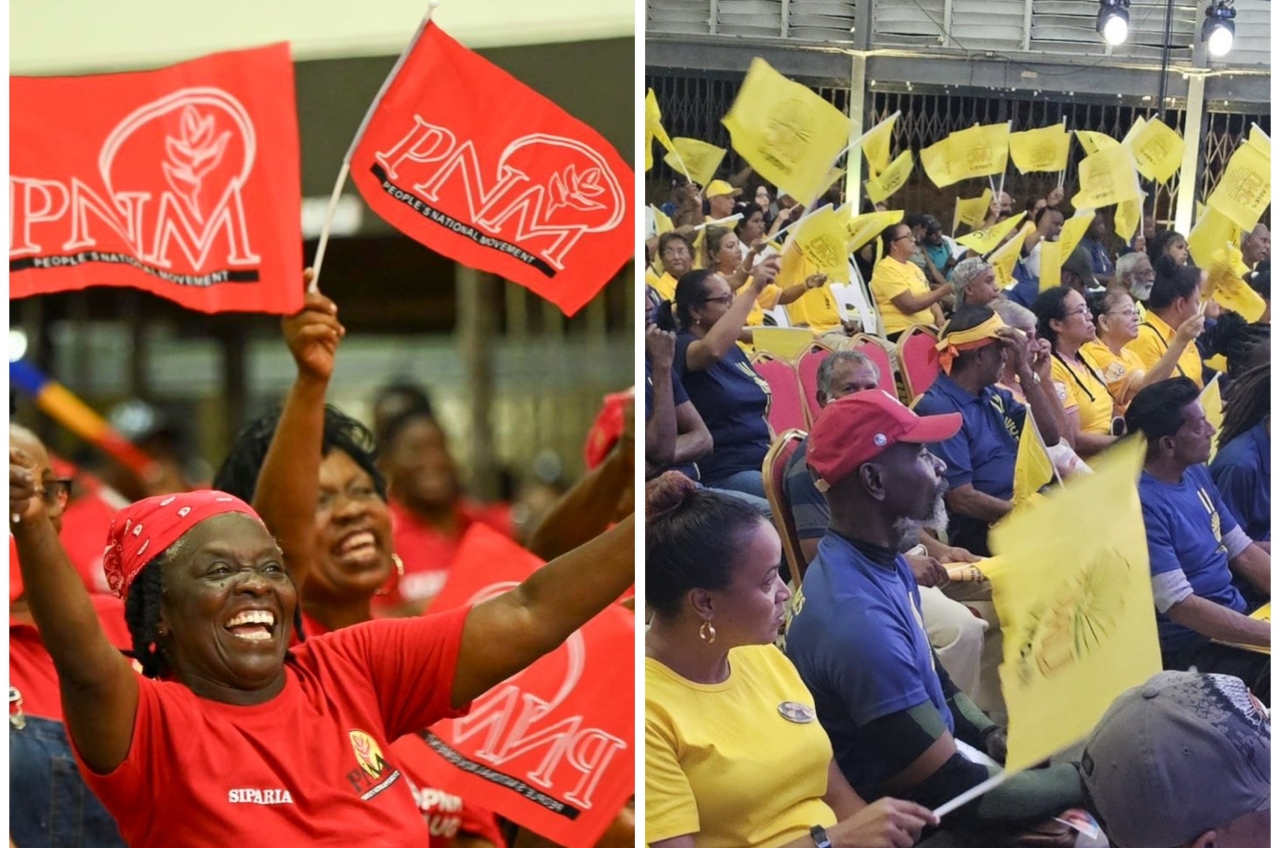
The PNM ended with 13 seats, while the UNC and TPP got 26 and 2 respectively.
(via PNM.)
I did not intend to do so because the Independent Senators spoke well—some for and some against the Bill, but I will simply indicate that the principal factor that weighed on my mind was the unfairness of a windfall pension when the PNM Government was advocating wage restraint.
Realistically also, it is difficult to look past the fact that a significant section of the voting public was unhappy with the manner of Young’s succession to the office of PM. That unhappiness was reflected in the result of the recent General Election.
More importantly, it is timely to examine the constitutionally-embedded constraints on special majorities and the role of the nine senators appointed by the President of the Republic in his own discretion “from outstanding persons from economic or social or community organization and other major fields of endeavour”.
See section 40 (2) (c) of the Constitution.
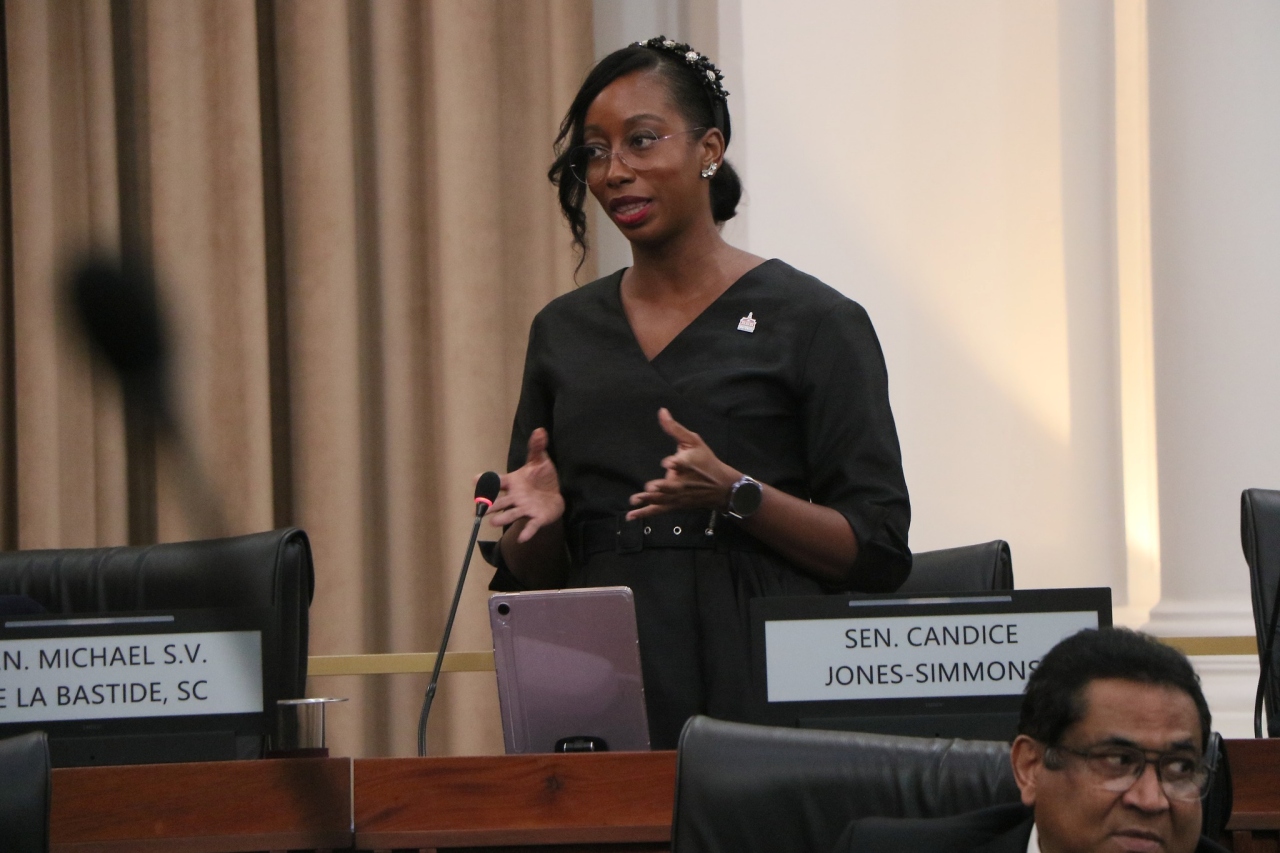
Photo: Office of the Parliament 2025.
These nine senators are part of a Senate comprising 31 senators, from whom one is elected at the start of the session as president of the Senate. The nine senators have always been referred to as Independent senators. There is now an attempt to re-label them as the “Presidential” senators.
The attempted re-naming is a prejudicial spin because “independent” simply refers to being independent of party political membership or from overt support for a political party.
The re-naming is being promoted with the intent of tying the Independent senators to the deep and enduring PNM background of the President of the Republic, President Christine Kangaloo—and consequently to imply that the Independent senators are tainted with bias towards the PNM, which is currently in opposition.
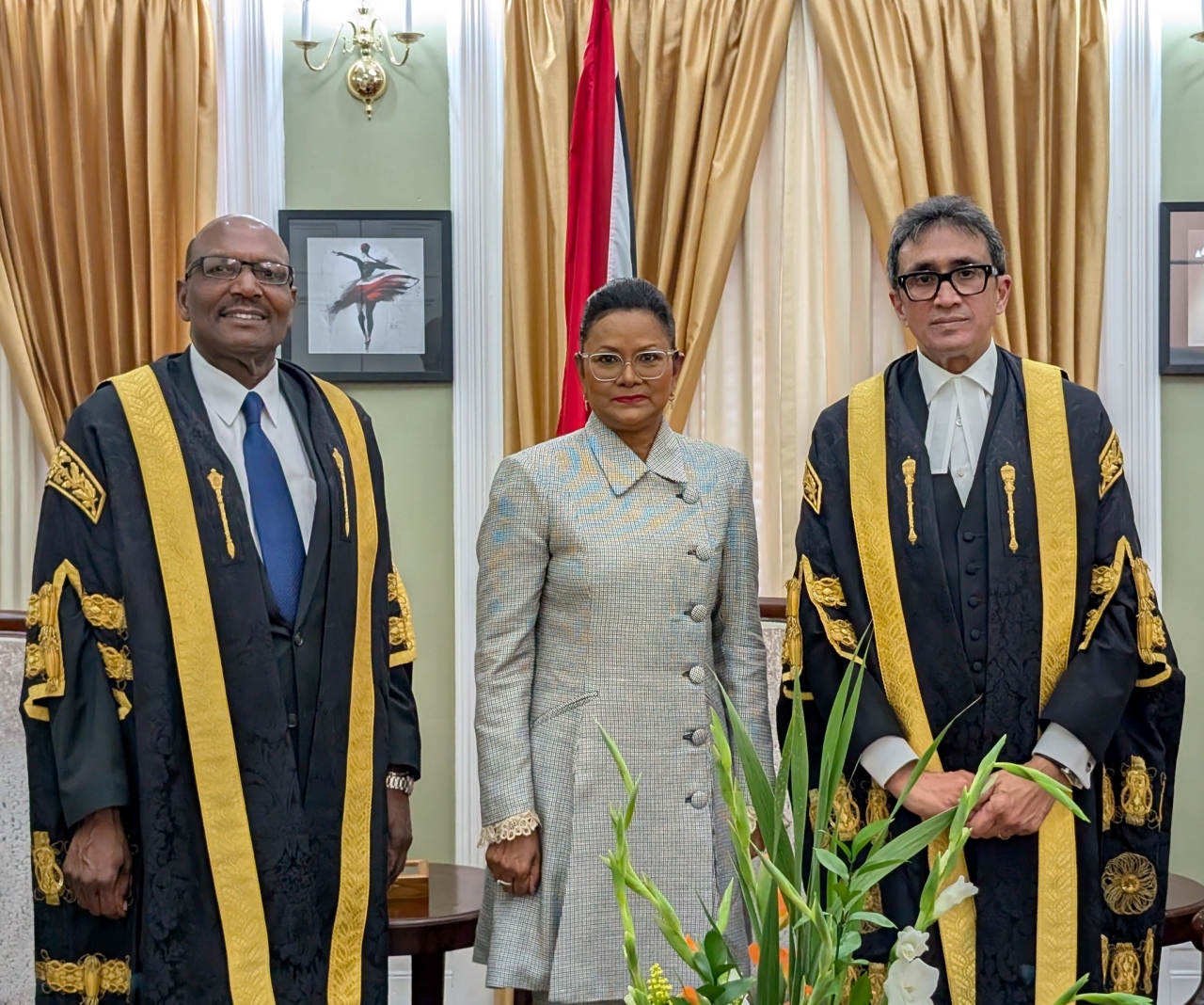
Photo: Office of the President.
It is a mistake to place anyone in the office of the President of the Republic directly from a party political career. This mistake began with the ascension of President ANR Robinson, straight from the political arena.
When repeated it inevitably undermines trust and confidence in the Office of President and in the appointments the president makes.
Nevertheless, as I suggested last week, the varied contributions of the Independent Senators to the Prime Minister’s Pension (Amendment) Bill were a commendable execution of their duty and makes them worthy of our trust and confidence—albeit at this early stage of their onerous public service.
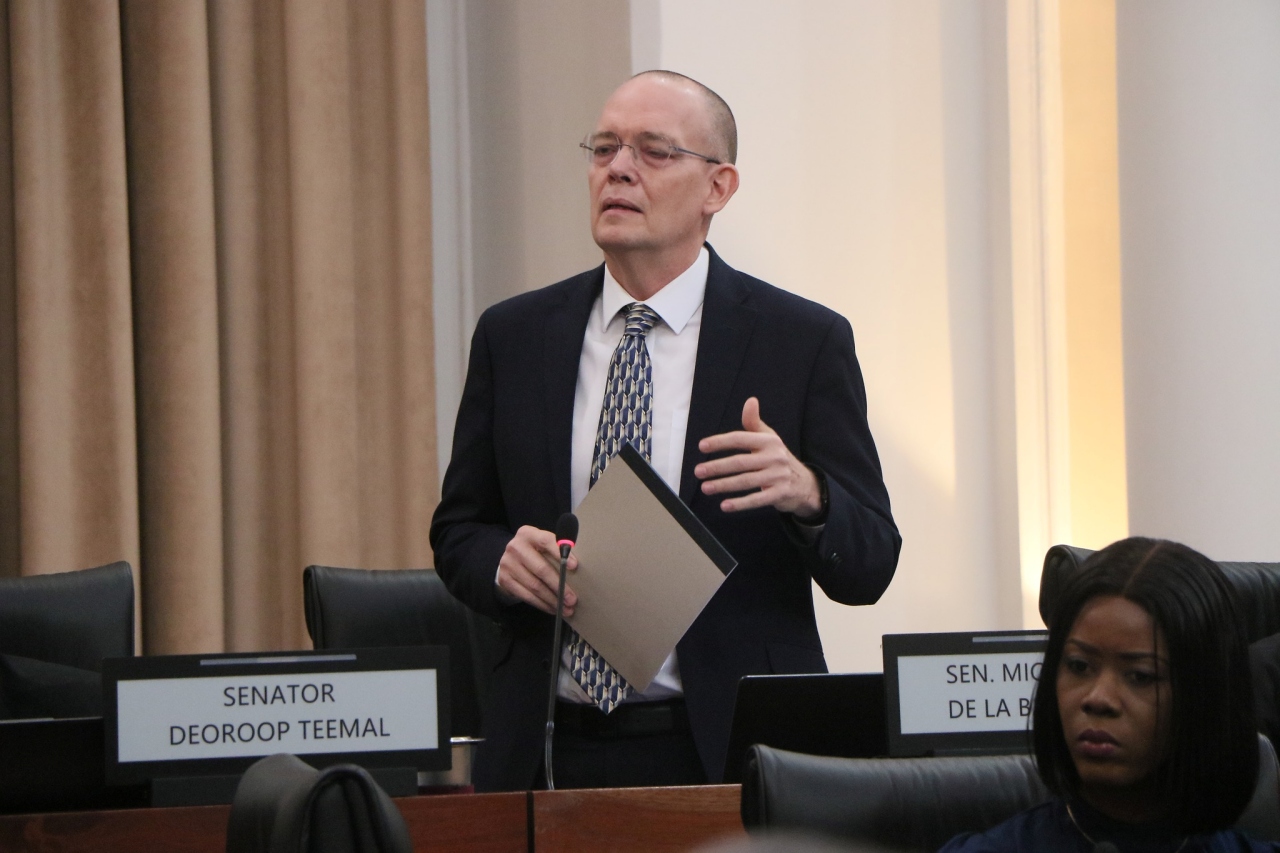
Photo: Office of the Parliament 2025.
In its General Election victory on 28 April, the UNC succeeded in winning 26 out of the 41 seats in the House of Representatives and therefore met the three-fifths special majority provision set out in the Constitution, in terms of party membership in the House of Representatives.
As is widely known, governments have the constitutional power to pass legislation by the votes of not less than three-fifths of all the members of each House of Parliament, even though inconsistent with the fundamental rights and freedoms provisions contained in the Constitution.
However, the Constitution expressly places an “unless” qualification on such special majority legislation by providing that “the Act shall have effect accordingly unless it is shown not to be reasonably justifiable in a society that has proper respect for the rights of freedoms of the individual.”
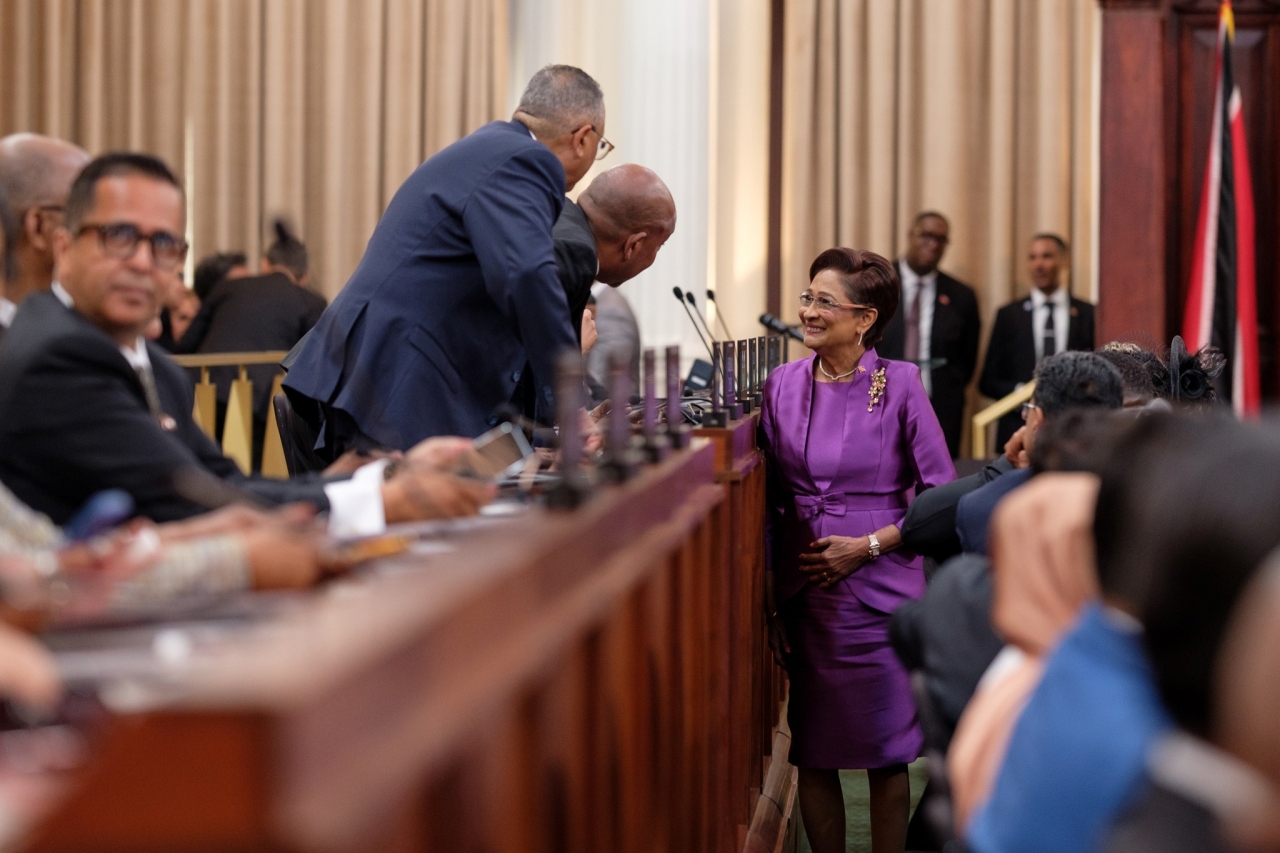
Copyright: Office of the Parliament 2025.
It is to be emphasised that special majority legislation requires special majority support in both the House of Representatives and in the Senate. Regardless of the outcome of a General Election, the Senate will not contain a special majority. Its constitutionally mandated composition comprises a total of 31 senators of which the Government has only sixteen members.
Government cannot therefore succeed with special majority legislation in the Senate if the Opposition votes against it, unless at least four Independent senators vote with the Government.
Next Sunday, I will examine how these constraints may come into operation and can sometimes stimulate sensible compromise when, after debate is finished, the proposed legislation is at the committee stage for clause-by-clause examination.
Thirteen years have passed since health care workers, Lake Asphalt employees and other workers last received a salary adjustment. In Read more
“[…] To the ‘UNC family’ she offers the old tired hymn: lagoons, cane fields, salt and rice, ponds and springs—the Read more
“[…] Neither African nor Indian communities benefit from this… In cases where division arises unintentionally, accountability must fall on leaders, Read more

A few years ago, Michal Teja captured hearts and titles with his hit song, DNA. At the time, I was Read more
Three thousand dollars a month. That’s the minimum National Insurance pension a citizen receives after a lifetime of work. It’s Read more
A popular quote attributed to Benjamin Franklyn aptly summarises the situation that Trinidad and Tobago finds itself in: “He that Read more
Martin G Daly SC is a prominent attorney-at-law. He is a former Independent Senator and past president of the Law Association of Trinidad and Tobago.
He is chairman of the Pat Bishop Foundation and a steelpan music enthusiast.