 Wired868 Wired868 for smart sport news and opinion
The level of divisiveness in our small island nation—about which I gave examples in my recent columns—will undoubtedly compound the difficulty of getting the country as a whole behind the serious fights to survive, which now so starkly face us.
It seems to me that, despite the end of the campaign season, profiling and divisiveness is being ramped up by intemperate adherents of both major political parties as a means of influencing citizens.
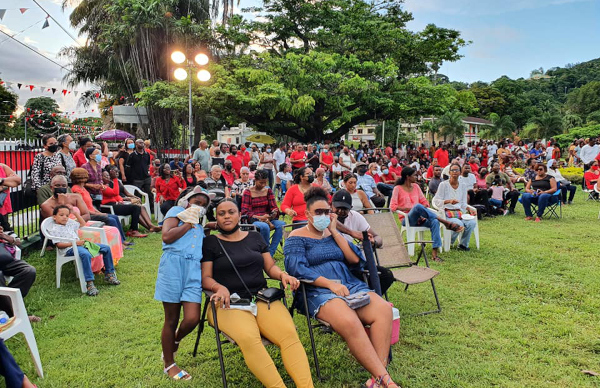
(via Office of the President.)
It is therefore heartening that other commentators have also written incisively about the perils democracy faces from the practice of divisiveness.
Moreover, there is currently widespread concern about the survival of democracy as a system which is capable of effectively balancing competing rights and interests in the face of the autocratic capture of democratic institutions.
I have always been clear about the role of political culture and common understanding as a deterrent to such capture and that hating on opponents is inimical to the preservation of democracy.
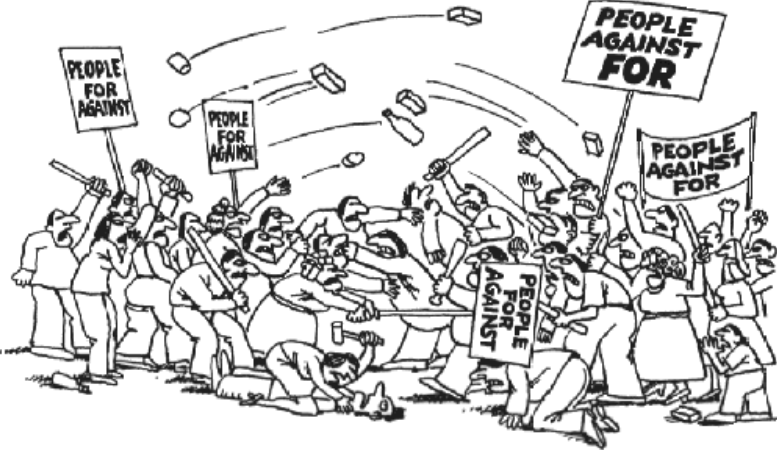
In the New York Times of Monday last, retired United Kingdom Supreme Court Justice Lord Jonathan Sumption, an author and commentator, expressed his “rising alarm as many western nations threaten to become failed democracies” and asserted:
“These countries have elections, legislatures, courts and so on. The institutional framework is still there. But they are no longer democracies because the political culture on which democracy depends has failed.”
Lord Sumption is emphatic that a democratic culture depends on something more than institutions and “above all, it requires people to treat political opponents as fellow citizens with whom they disagree—and not as enemies to be smashed.”

Copyright: Office of the Parliament 2025.
This is sound advice. We cannot continue bouncing divided heads against each other, accompanied by insulting words, as we attempt urgent socio-economic problem solving.
Also on Monday last, fellow weekly columnist Joanne Paul, through the medium of her fictional and homely character, Beematie from Biche, raised whether we could survive the two year period until 2027 if we were “all just fighting for a piece of pie for ourselves”.
Joanne had Beematie assert that “a few weeks ago the code was yellow, now the code is country first” and lament: “But we don’t understand that after everything done, is de same country we have to live in. Is de same boat.”

Photo: Nicholas Bhajan/ Wired868.
She predicted that if we do not row the boat together given the tsunami wave coming, “when it gone either we drown or we holding on to a piece of boat wood”.
A month ago, in the Newsday on 2 May 2025, Dara Healy incisively examined Trinidad and Tobago’s civic space, which she described as “the environment that allows individuals and groups to participate meaningfully in the political, economic, social, and cultural life of their societies”.
Dara contended that our civic space is shrinking and examined a variety of reasons why this was happening. She questioned “the combative and inherently divisive nature of the Westminster system” and asked whether it could “serve the needs of a society that needs to heal and grow”.
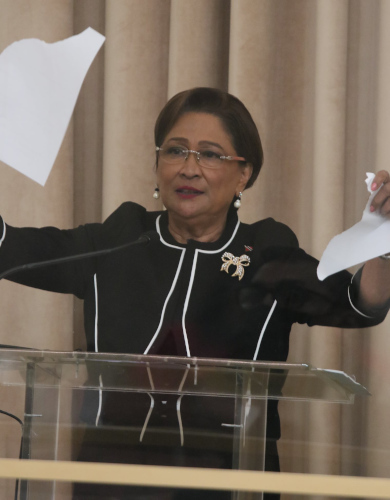
(Copyright Office of the Parliament 2021.)
This is a perennially valid question but my position has always been that whatever structure of governance we put in place it will be ineffective unless we reach a common understanding of how public officials should conduct themselves within it.
It is a fatal mistake to passively rely only on constitutional and other institutional structures and expect, without more, to have an effectively functioning democracy or useful civic spaces.
Meanwhile, we are in a period subsequent to the awful Dragon Gas fiasco. Minister of Energy Dr Roodal Moonilal, MP, has acknowledged that there are ongoing natural gas shortages. (See his comments made on the Mento field located off the south east coast of Trinidad.)

Photo: Getty Images.
This realism is encouraging. I am hoping that we will be given an equally realistic assessment in the mid-year budget review of the effect of our decreased energy sector revenues and how our finances will be managed going forward, particularly until mid 2027 when additional supplies of gas are expected to become available.
Let’s hope that policy statements will now displace campaign rhetoric.

I am not a politician. I’m certainly not a senator. I am just a citizen who pays attention. So, when Read more
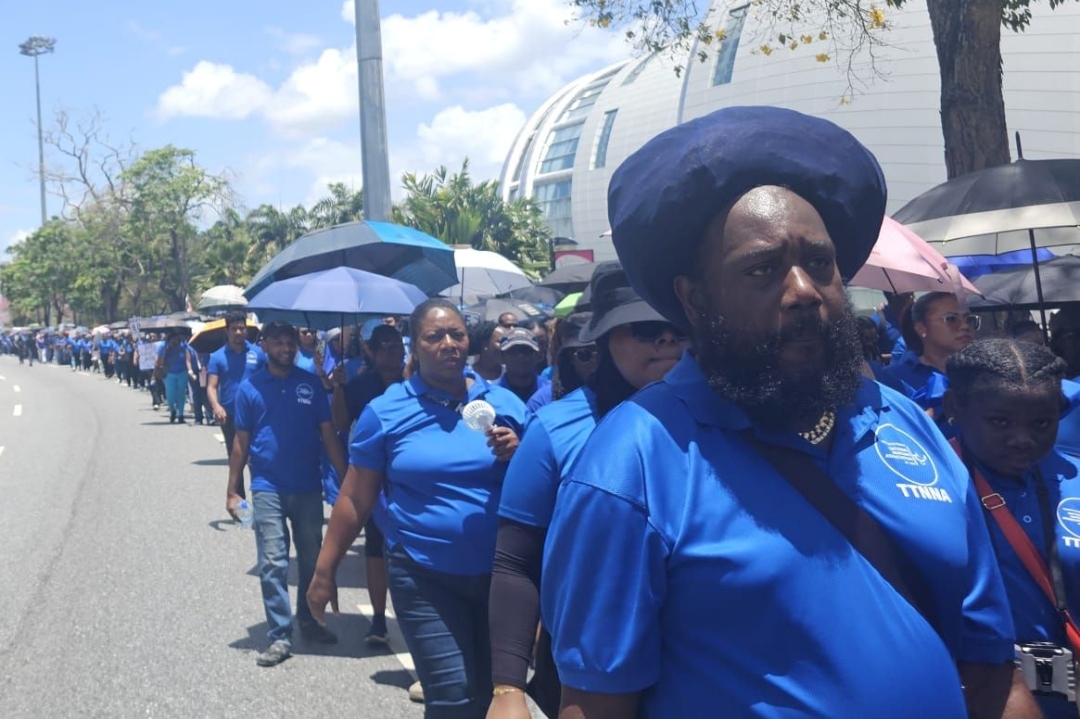
Thirteen years have passed since health care workers, Lake Asphalt employees and other workers last received a salary adjustment. In Read more
Having just celebrated 64 years of independence, discussions as to whether Trinidad and Tobago is better off since gaining independence Read more
“[…] To the ‘UNC family’ she offers the old tired hymn: lagoons, cane fields, salt and rice, ponds and springs—the Read more

Some years ago, I lived and worked in Sierra Leone. I arrived in the capital, Freetown, just ten years after Read more
“[…] Neither African nor Indian communities benefit from this… In cases where division arises unintentionally, accountability must fall on leaders, Read more
Martin G Daly SC is a prominent attorney-at-law. He is a former Independent Senator and past president of the Law Association of Trinidad and Tobago.
He is chairman of the Pat Bishop Foundation and a steelpan music enthusiast.