 Wired868 Wired868 for smart sport news and opinion
There is reason to be concerned about current trends towards the promotion of authoritarian rule in Trinidad and Tobago.
The Commissioner of Police (the CoP) vehemently sought to dilute accountability for the fatal police-involved shooting of a citizen seen in a video emerging from a crashed vehicle after a chase, apparently with his hands up, as well as for the shooting of his wife, who is now reportedly partially paralysed.
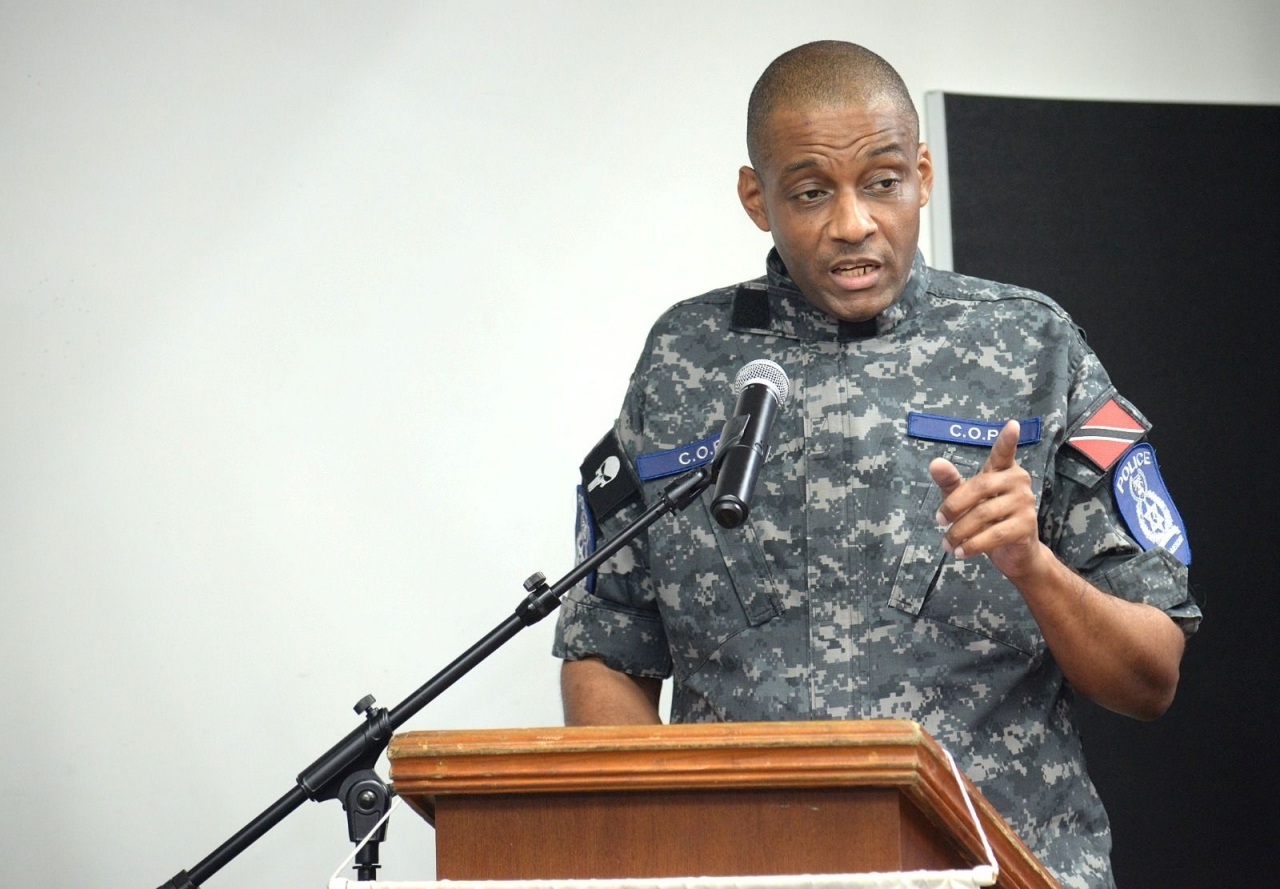
Photo: TTPS.
Now the CoP is trying to tack back to appear to be a responsible leader, with the help of the Minister of Homeland Security, having initially made alarming statements about the lack of a disciplinary approach towards the officers involved, while there has been continuing failure to provide and wear body cameras.
Additionally, the Government has hurled insults at the nine persons appointed as senators by the president of the republic under section 40 (2) (c) of the Constitution, most recently insulting them in connection with their scrutiny of proposed special majority legislation to establish zones of special operations.
By virtue of what was proposed, the Prime Minister would have been able to declare a location as a zone of special operations and the police, whose leader has made alarming statements, would then have extraordinary powers similar to those given to them when a state of emergency is declared.

Photo: UNC.
Several of these senators, commonly referred to as the independent senators, had shown a willingness to support the special operations legislation, but the Government refused to consider any of their proposed amendments and the legislation failed to obtain the required special majority.
In the absence of consideration of the proposed amendments, eight of the nine independent senators voted against it.
The Government would like to have these senators removed. Their independence has been questioned and the low dodge of a general allegation of attempted vote peddling, without a shred of particularity, has been deployed.
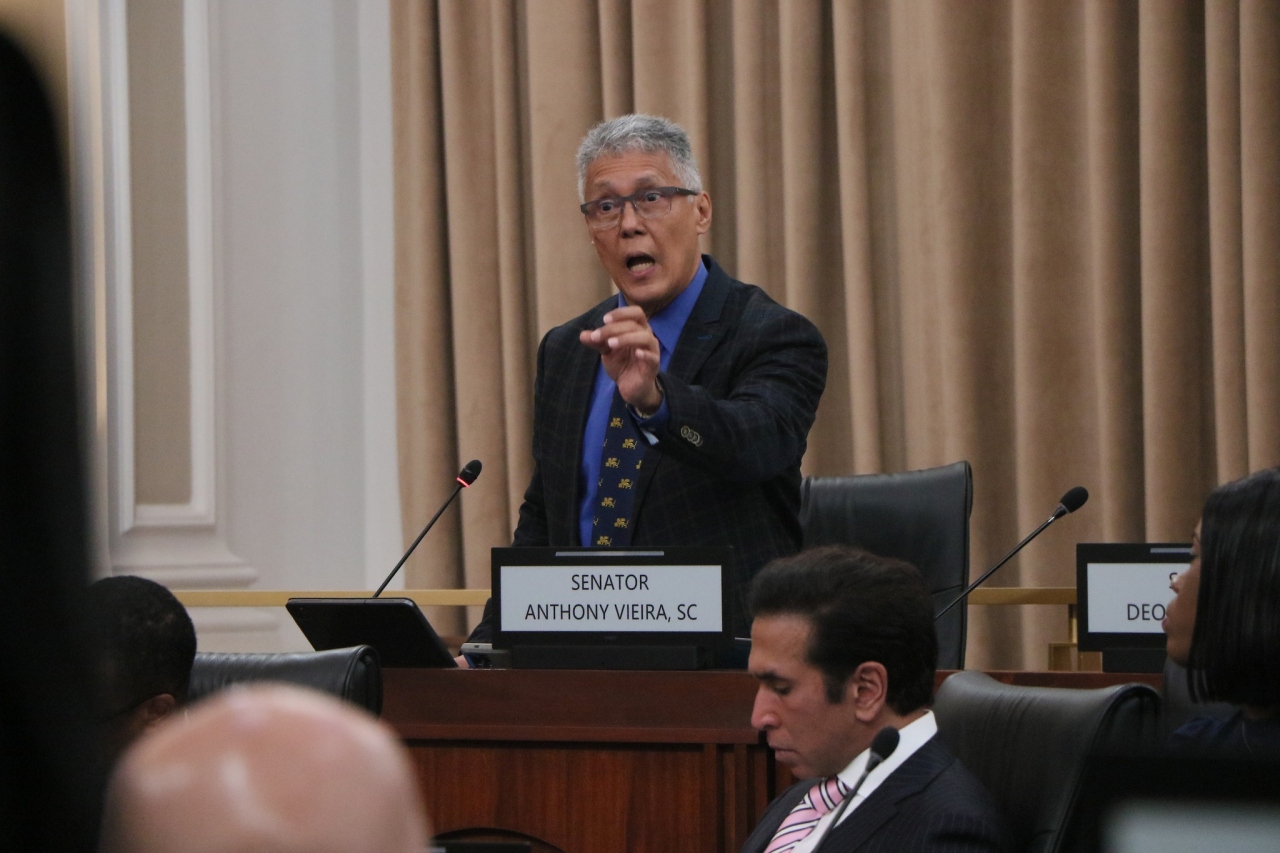
Photo: Office of the Parliament 2025.
Last week, the Privy Council (the PC) delivered its interpretation of “independent” in the context of the legislative provision for the appointment of a chairman of the National Insurance Board (the NIB), also a statutory body.
The PC heard a challenge to the appointment of a seasoned businessman, who was previously a government-nominated director of the NIB for four years immediately before his appointment as chair. He had also served on the boards of various state enterprises.
The NIB legislation provides for the appointment as chairman of: “a person who, in the opinion of the minister, is independent of government, business and labour”.

The challenged appointment was not set aside but the PC was divided 3-2. Both the majority and minority judgments are thought-provoking.
Regarding the test of independence, the majority held that the natural meaning of the words viewed in their context is that the candidate for chairman must “not be under the control or influence of government, business or labour”.
The PC stated that the chair “must be able to rise above the fray” and “at a slightly deeper level, this is an interpretation that focuses on the personal quality of the candidate as being someone who is independent-minded.”
Importantly, in my view, the candidate did not have a track record of party political affiliation.
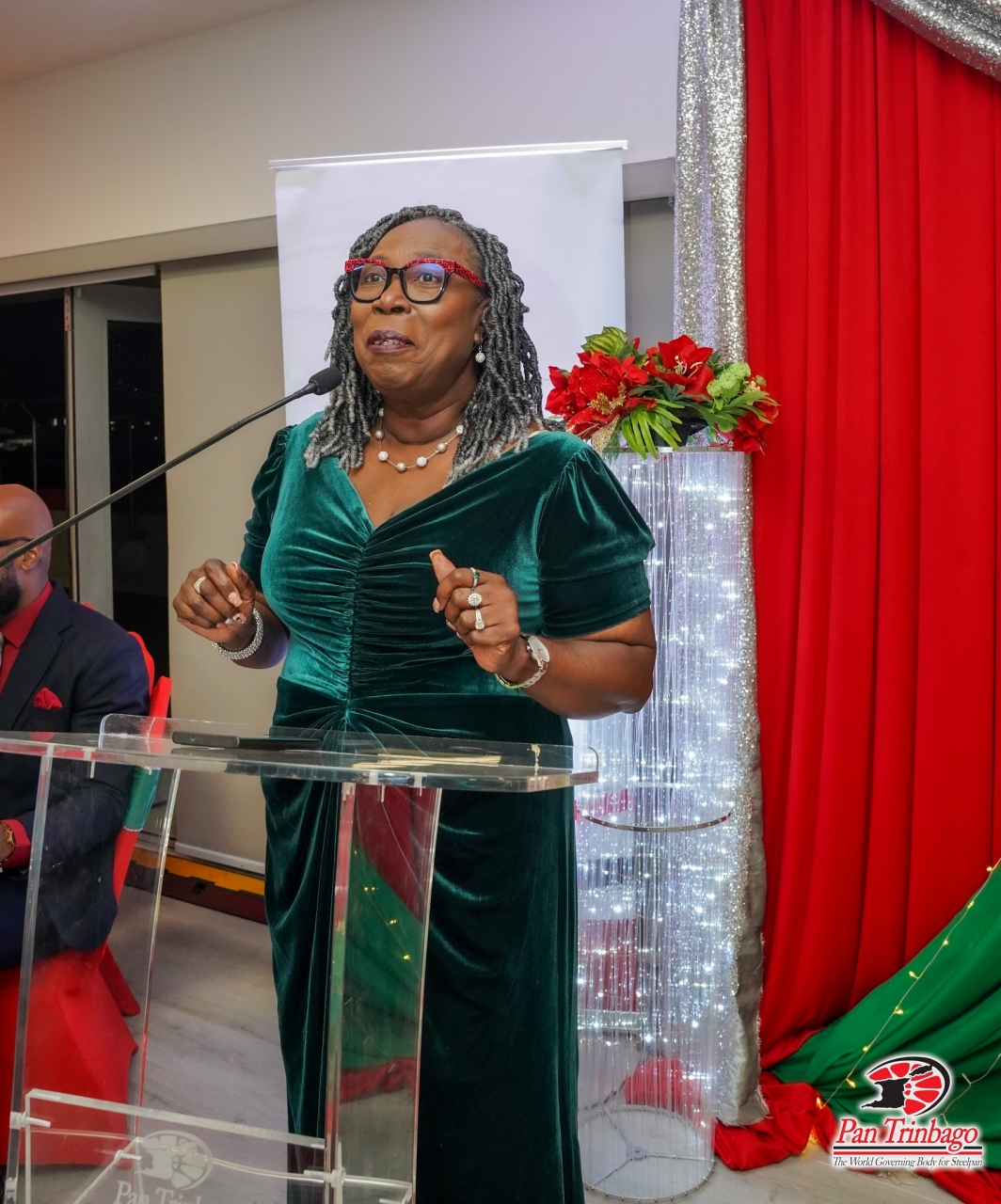
Photo: Pan Trinbago.
Meanwhile, there is tension between the steelband movement and the current Government. The headline in the Newsday of 16 April 2025 ‘Pan Trinbago supports PNM for general election’ may have contributed to that tension—after the heavy defeat of the previously ruling PNM (Peoples National Movement) Government by the United National Congress (UNC) in the General Election, 12 days later.
I acknowledge a statement of Pan Trinbago subsequent to the General Election, that it is politically neutral.
Nevertheless, partisan support of a political party was not an appropriate stance for a statutory body like Pan Trinbago and one which reportedly has representation on the board of the National Carnival Commission (the NCC) and receives funding from the government.

Photo: Pan Trinbago.
Some of us have been advocating the establishment of a National Arts Council to provide a policy framework for and to oversee the funding of all the arts, including the Carnival arts, and to regulate the potential for conflicts of interest in the grab for government funding.
Perhaps this will be considered when the promised reform of the NCC after Carnival is pursued.
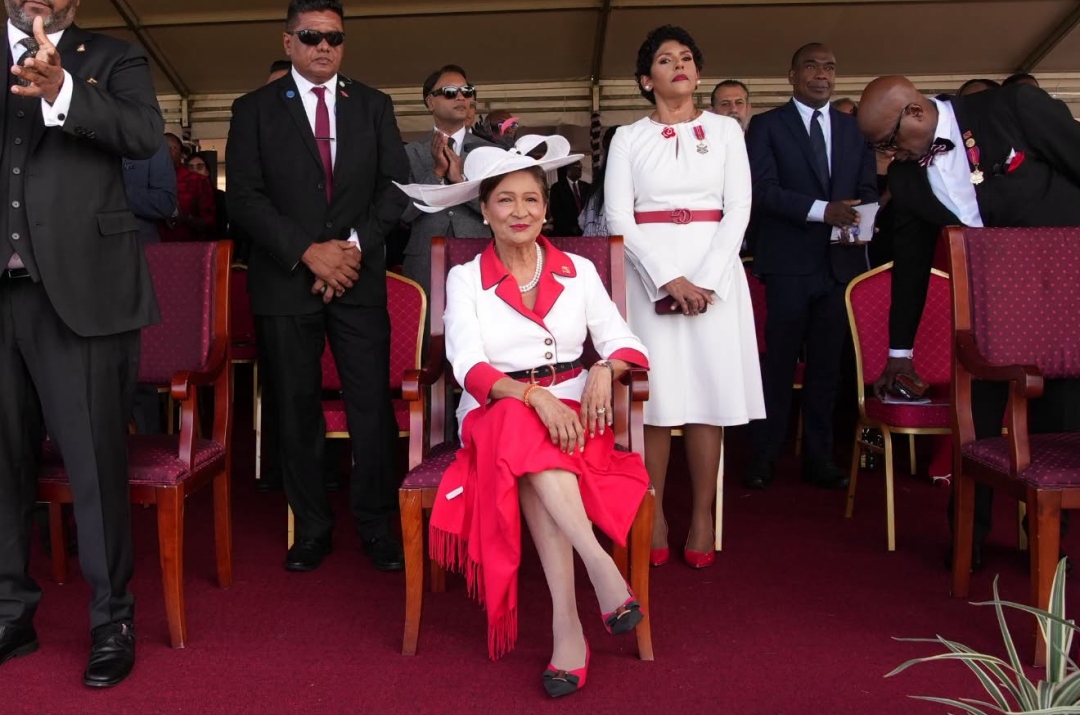
I am not a politician. I’m certainly not a senator. I am just a citizen who pays attention. So, when Read more
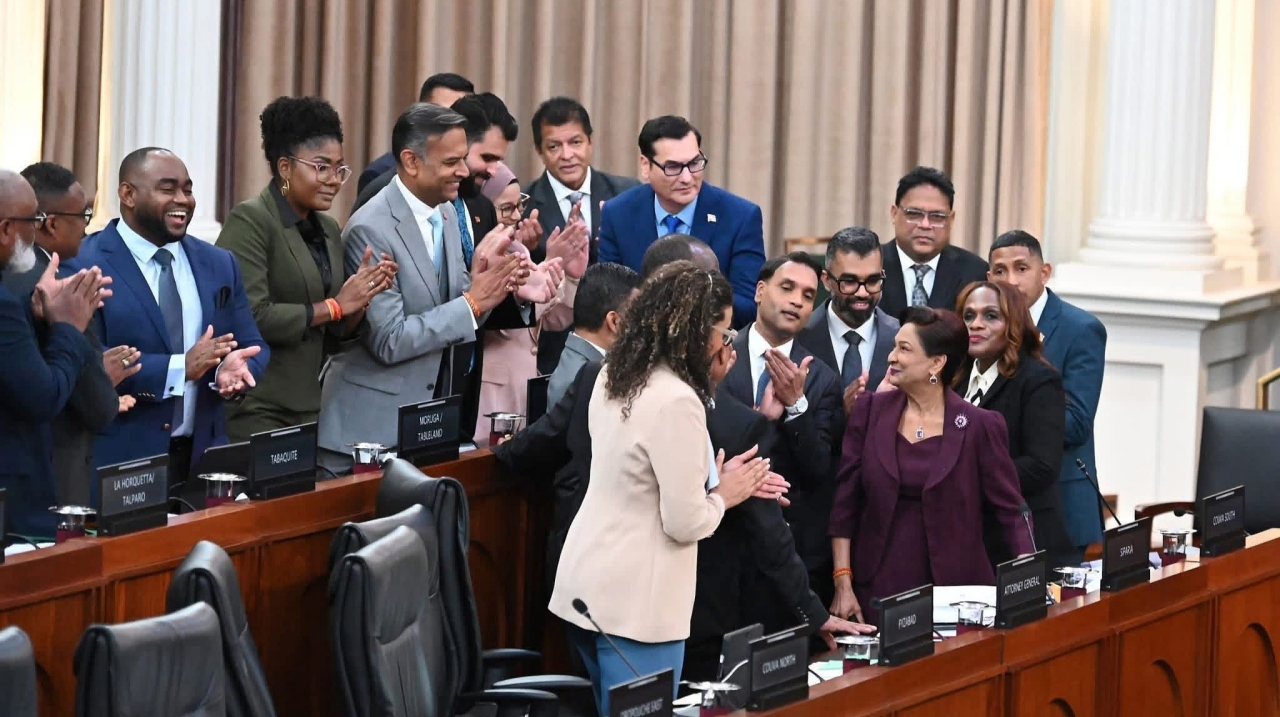
There is an old adage that says: “a wise man learns from the mistakes of others, while a fool learns Read more
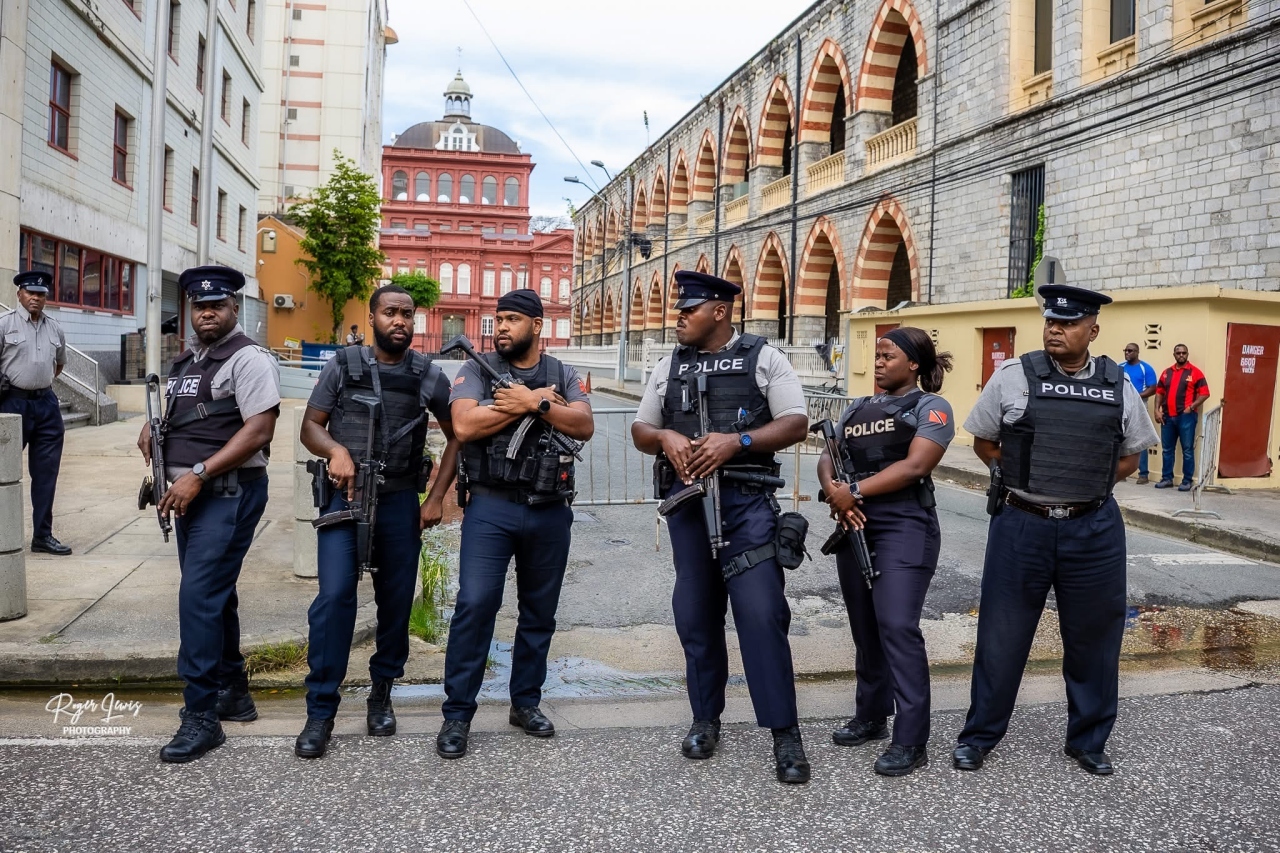
“[…] It is nothing short of amazing how this current political directorate can go from conceptualization of 30 ‘police post’ Read more
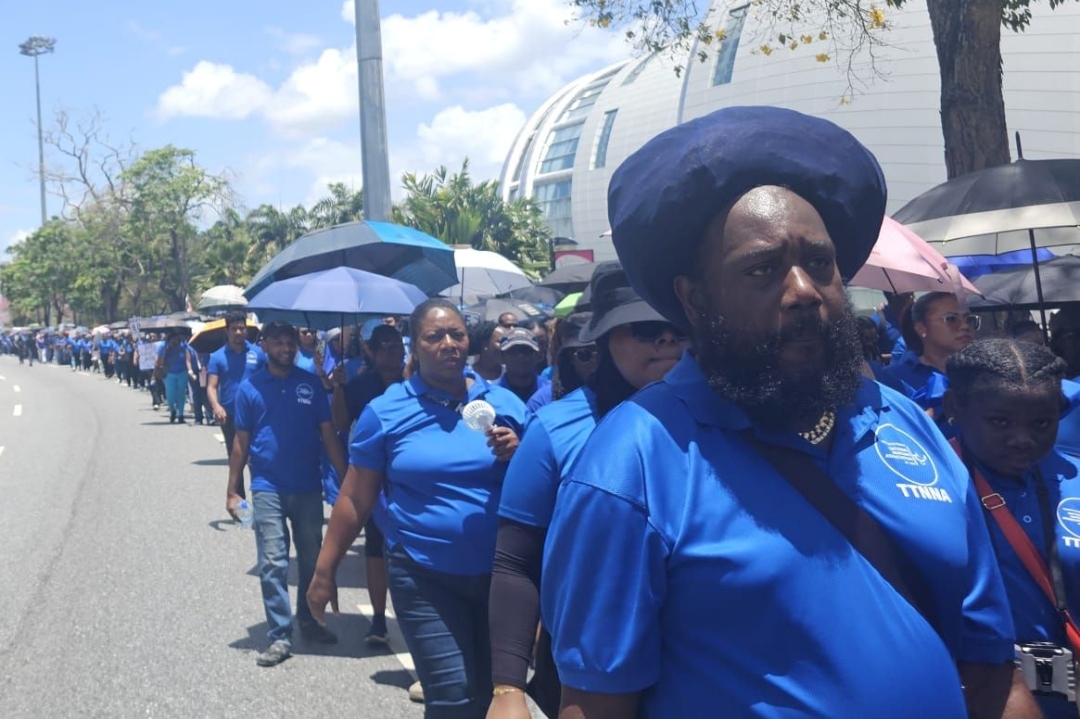
Thirteen years have passed since health care workers, Lake Asphalt employees and other workers last received a salary adjustment. In Read more
“[…] To the ‘UNC family’ she offers the old tired hymn: lagoons, cane fields, salt and rice, ponds and springs—the Read more
“[…] The media release by the heads of judiciaries—that seemed to focus on the leak of the emails and breach Read more
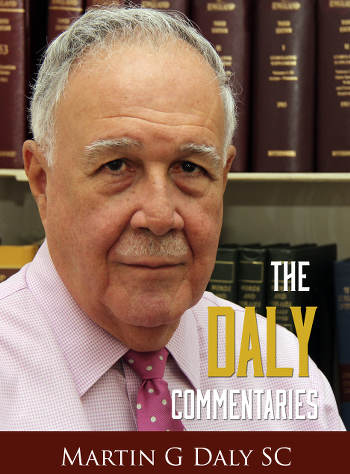
Martin G Daly SC is a prominent attorney-at-law. He is a former Independent Senator and past president of the Law Association of Trinidad and Tobago.
He is chairman of the Pat Bishop Foundation and a steelpan music enthusiast.