 Wired868 Wired868 for smart sport news and opinion
With three federations and fractured choices, the Trade Union Movement remains divided and workers continue to pay the price. Instead of presenting a united front, unions act in isolation—leaving governments free to exploit division and weakening the credibility of collective bargaining.
From its inception, the Movement in Trinidad and Tobago has struggled with cohesion. Leaders like Arthur Andrew Cipriani, Adrian Cola Rienzi and Tubal Uriah “Buzz” Butler mobilised workers in oil, sugar and transport, but the federations that followed quickly revealed the challenges of unity.

(Courtesy ATGTWU.)
The Council of Progressive Trade Unions (CPTU) and the Labour Congress were shaped by ideological differences, personality clashes and political allegiances. Their rivalry reflected broader tensions: whether unions should align with political parties, remain strictly industrial, or pursue wider social reform.
That legacy of fragmentation persists today.
Now, with FITUN, JTUM and NATUC, division has hardened into institutional barriers. No union has ever joined all three—each guards its independence, closing the door to principled solidarity.
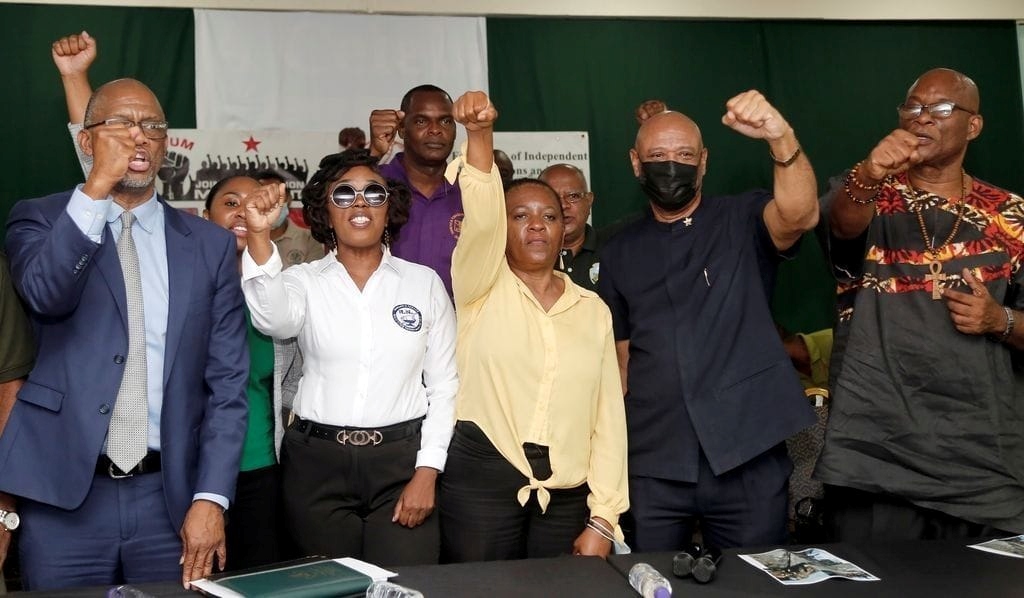
Photo: NATUC.
The result is not just disunity, but weakened bargaining power, government manoeuvring and workers left vulnerable to choices they did not make.
The weakness was visible in the 4% wage offer. It was individual unions not the federations that accepted it—some out of opportunism, others cloaking behind independence of choice and legal arguments never tested.
That acceptance stands alone as evidence of how fragmented choices have weakened the Movement’s credibility. That failure set the stage for what followed.
The recent 10% wage settlement for public servants illustrates the same dynamic.

Photo: CPO.
Instead of reinforcing collective bargaining, it prompted other unions to seek similar treatment.
Analysts argue that wage justice requires equitable treatment across the public sector, with compensation reflecting duties, responsibilities and the rising cost of living. When benefits are distributed selectively, morale suffers and unions are incentivised to pursue political alignments rather than negotiations grounded in principle.
The reality is this: I do not endorse Clyde Elder’s framing of the issue, nor the opportunistic 10% calls from unions that earlier accepted 4%. The acceptance of the 4% stands as proof of the failure of federation leadership and principled unity.
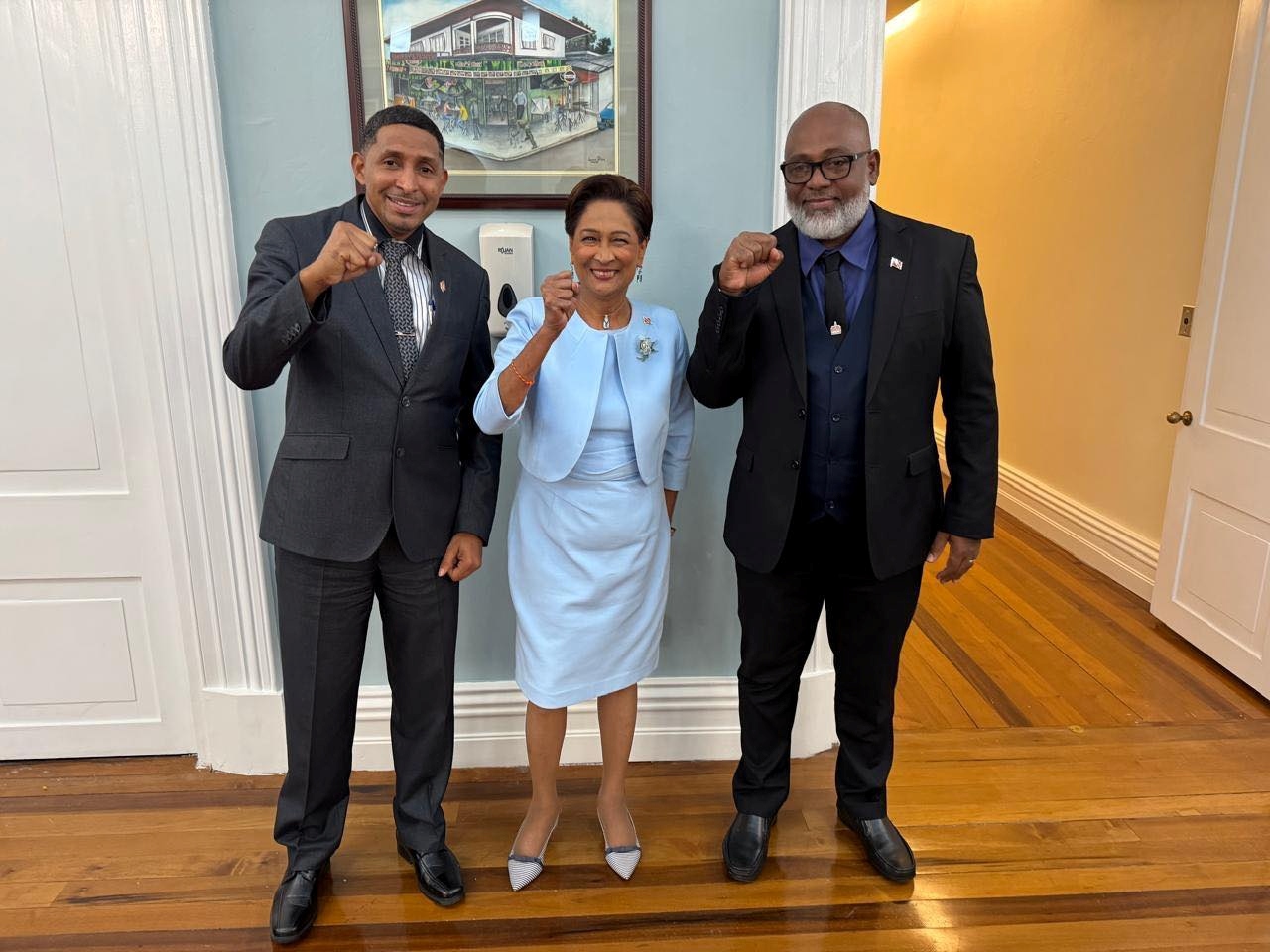
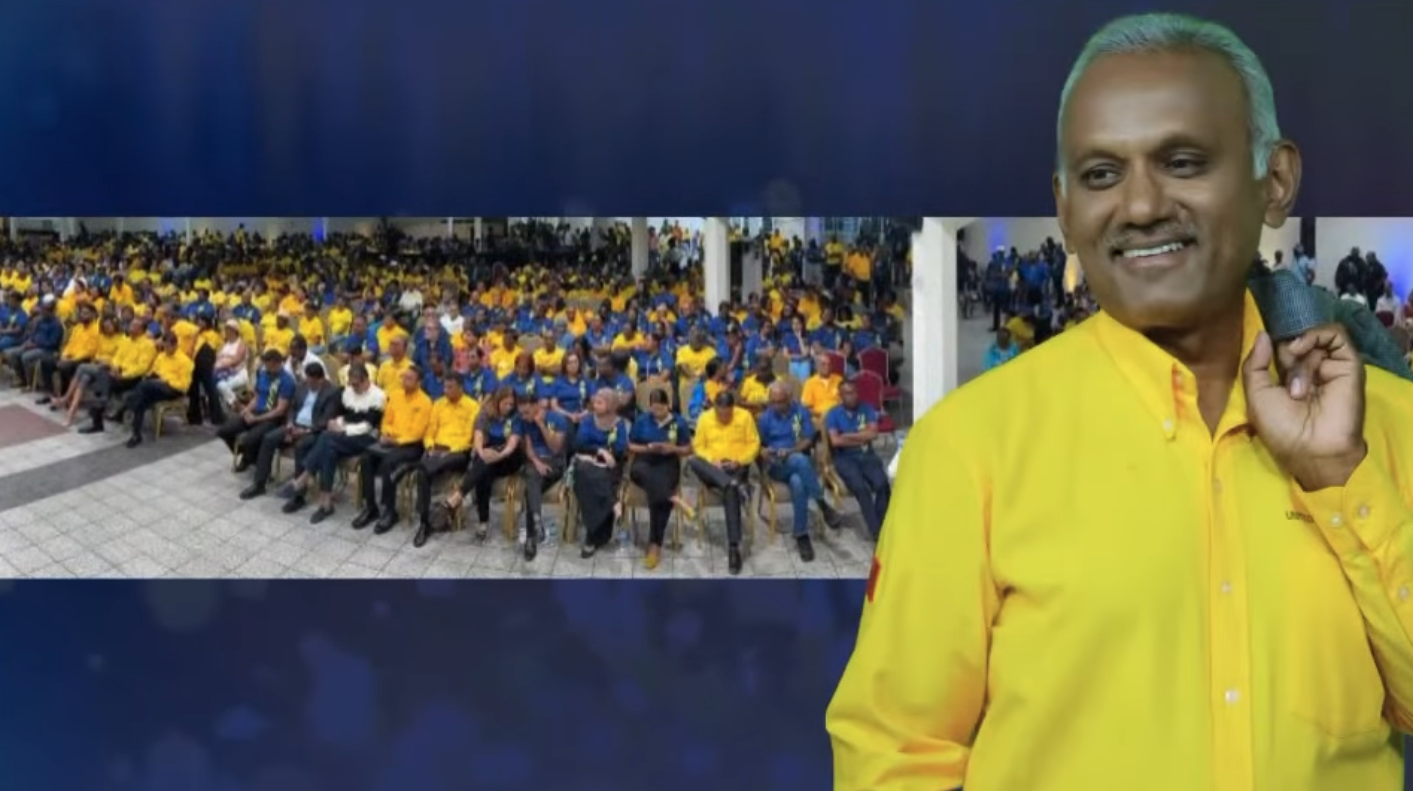
Photo: UNC.
Though they come from opposite sides, government and labour alike, they expose the same reality: without principled unity, unions leave themselves open to exploitation.
The government has no duty to uphold union solidarity—its role is to pursue its own interests. The responsibility for unity rests entirely with the Unions. When they divide, governments exploit and workers are left vulnerable, paying a price for division they did not choose. That is the cost of division.
Observers note that without a unified approach, the Trade Union Movement struggles to defend workers effectively. Trinidad and Tobago’s three federations operate in silos, each projecting influence without collective resolve.

Photo: NATUC.
A single federation could provide consistency, credibility and strength. Unity alone is not enough—it demands leadership willing to project a collective voice, not hide behind independence as an excuse. Assertive representation is essential to restoring credibility in collective bargaining.
Selective benefits and fractured federations are interconnected challenges. If left unresolved, workers will lose faith, governments will continue to exploit division and the relevance of trade unionism will diminish.
Fractured federations cannot carry the Movement into the future. Without cohesion, it will be remembered not for victories but for failure to act together.
Only when leaders lay aside their differences, rise above division and embrace principled unity will the Movement restore the credibility it has already lost in the eyes of the public and shield workers from paying the price of choices they did not make.
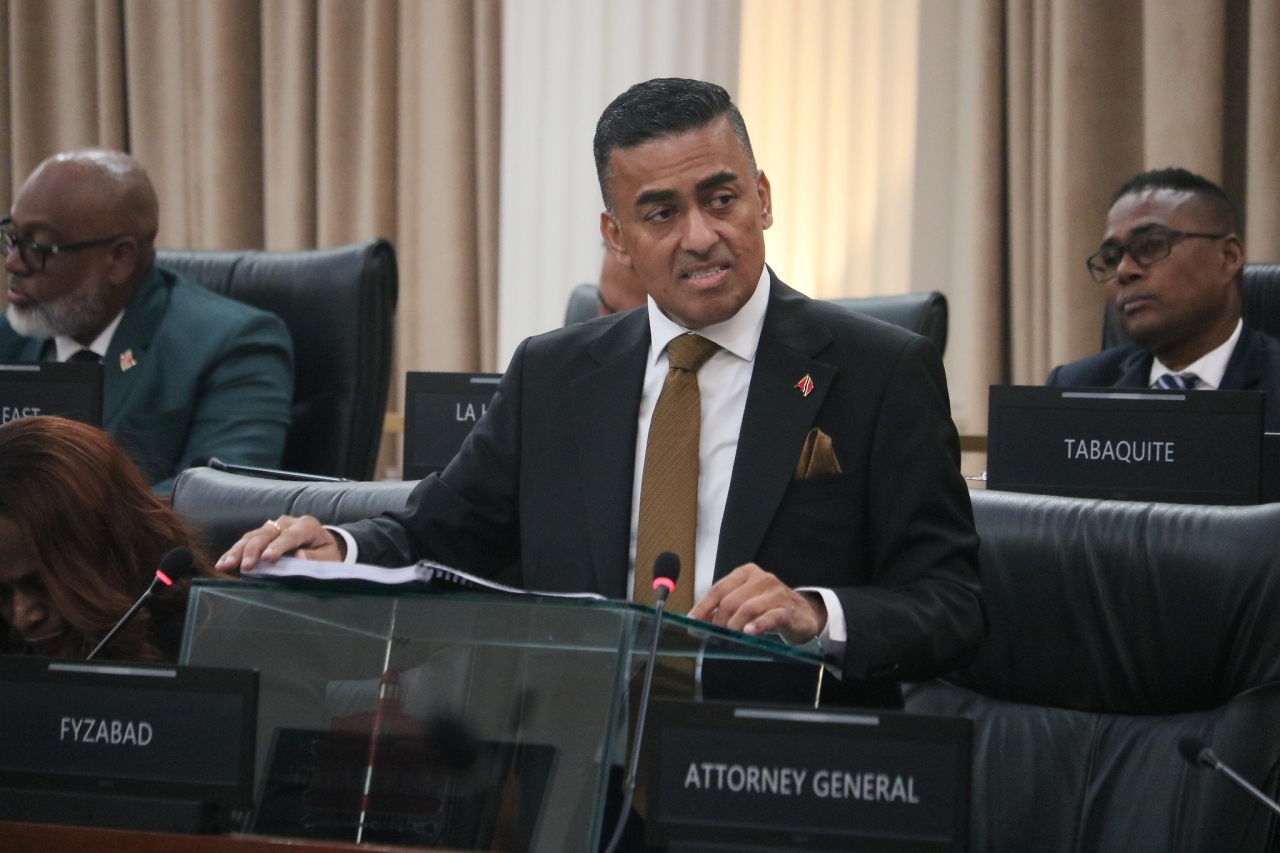
“[…] Yes, the tone of the budget is firm and unapologetic. It calls out past failures and demands accountability. Some Read more
When in government, the People’s National Movement (PNM) speaks with the certainty of authority—decisions are made, policies defended, and dissent Read more
“[…] The Industrial Court wields quasi-constitutional powers in employment matters. It issues binding decisions affecting the rights of workers, unions, and employers. Read more
“[…] The Government’s position, as expounded by the Prime Minister and the Foreign Affairs Minister, is not neutrality by any Read more
Elements of the trade union movement now sits inside the coalition that governs Trinidad and Tobago. That should have brought Read more
This last week, those of us who follow cricket witnessed a South African batsman and stand-in captain refuse to chase Read more

Bryan St Louis is a former education officer for the Communication Workers’ Union (CWU).
