 Wired868 Wired868 for smart sport news and opinion
“[…] Social capital trumps educational capital every time. In Trinidad and Tobago’s business and politics, social capital—your surname, your old boys’ club, your Carnival band, your golf foursome—often outweighs your degree.
“[…] Trinidad and Tobago doesn’t reward talent. It protects power. It preserves privilege. And it punishes those who try to call that out…”
The following Letter to the Editor on the perceived invisible ceilings to success in Trinidad and Tobago was submitted to Wired868 by Orson Rogers of Belmont:

I am raising a truth that many in Trinidad and Tobago—and beyond—quietly acknowledge but rarely say aloud: success in many spheres often depends less on formal qualifications and more on informal networks.
You go to the right school, get solid academic results and an overseas university degree—representing what’s traditionally held up as the “correct” path to upward mobility. But that is a fairy tale we use to keep people docile.
In Trinidad and Tobago, like in many postcolonial societies, there is another unspoken system at work:
“Is not what you know, is who know you.”

The Caribbean often mouths meritocratic ideals—but in practice:
- Meritocracy is conditional: Your success matters if it doesn’t threaten entrenched interests.
- Gatekeeping persists through nepotism, legacy wealth, and elite social clubs.
Trinidad and Tobago is not a meritocracy. It never was. It doesn’t matter how hard you worked, how many subjects you passed, or how far you went to study.
If you weren’t born into the right family, didn’t lime with the right people, or didn’t go to the “right” church, you’re playing a rigged game.
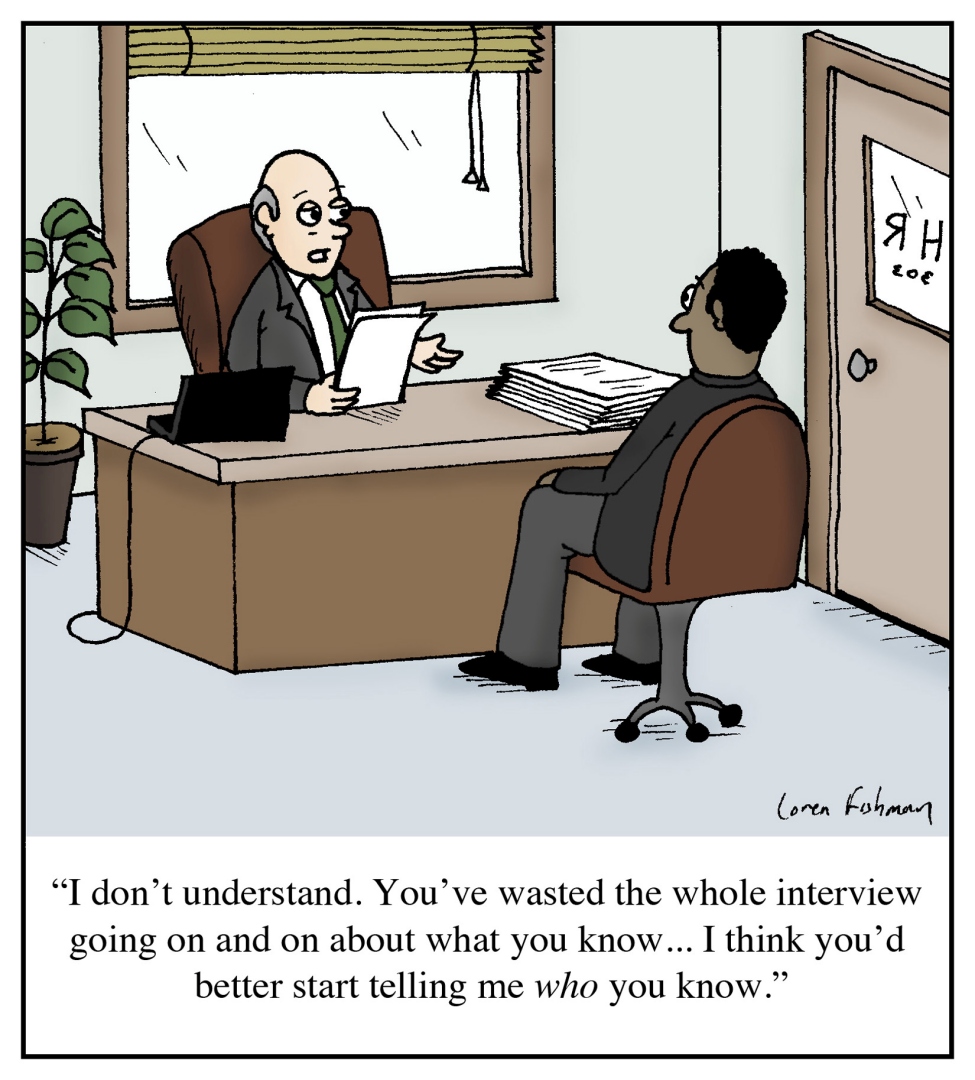
And the worst part? Everybody in power knows it—and they prefer it that way.
The real engine that drives this country is privilege. And privilege in Trinidad and Tobago is racial, economic, and inherited.
Attending a prestige school (Fatima, QRC, Presentation, St Mary’s, SAGHS, Bishop’s, etc) is often seen as a passport to opportunity. It does open doors—but not all of them.
For the elites, it cements their place in the hierarchy. For strivers, it is a foot in the door—but the ladder up is still guarded.
Here’s the truth: education only helps if you’re already connected, already light-skinned, already from a certain family, already safe. If you’re Black and ambitious, you better walk soft. You better not be too outspoken, too confident, or too visible—or you’ll be labeled “uppity”, “aggressive”, or “ungrateful”.
Trinidad and Tobago never dismantled its colonial systems—we just painted them over. French Creole families still own the land. Syrian and Lebanese families dominate commerce and distribution.
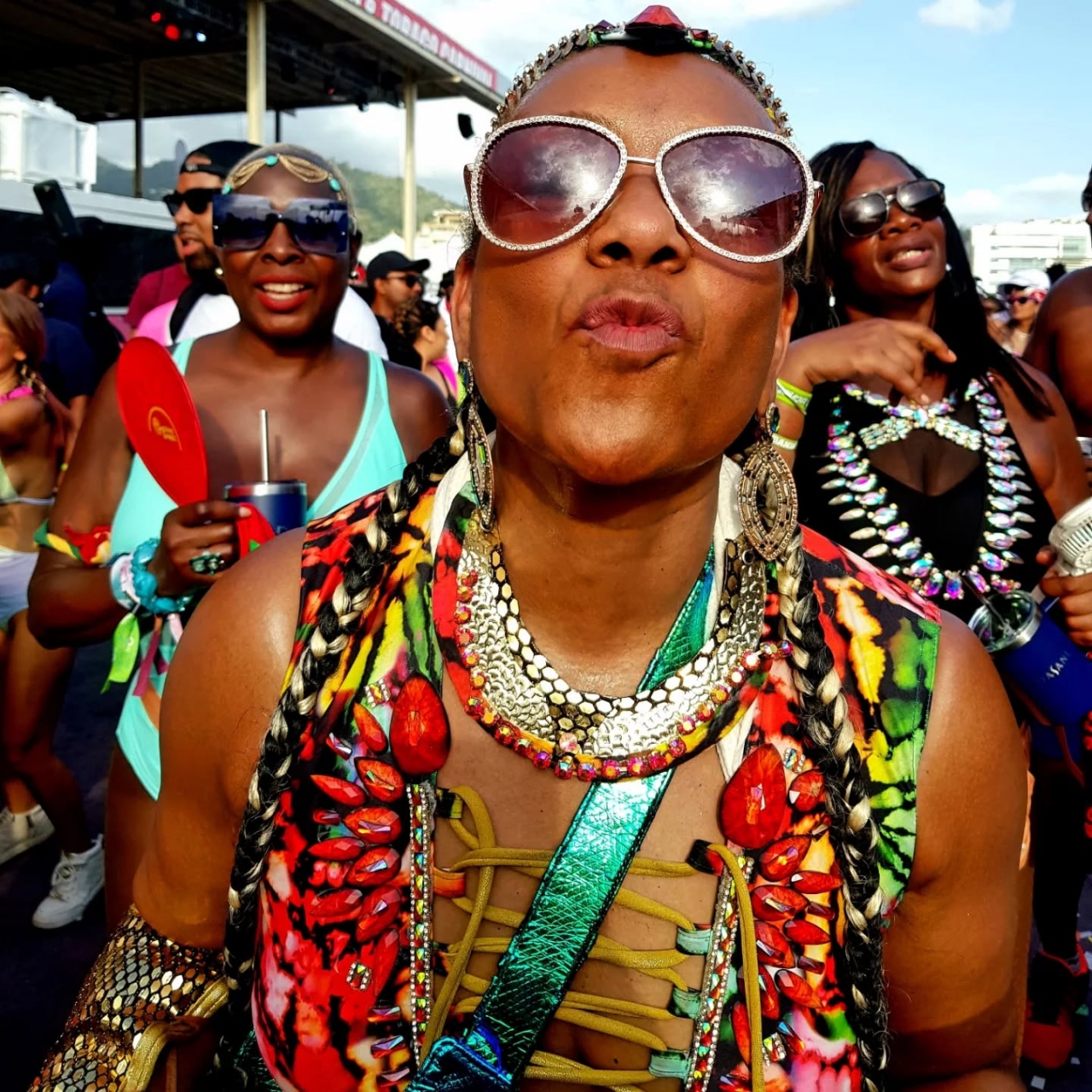
Indo-Trinidadian contractors and financiers rule industry and politics in central and south. And Afro-Trinidadians? We dominate Carnival, culture, most sports and the public service—but we are mostly shut out of the real wealth and ownership.
(Copyright NCC.)
And when we try to break in, we’re accused of “race talk”, “bitterness”, or “wanting handouts”.
The irony? We contributed significantly to building this place. But we don’t own any of it.
Walk through Westmoorings or Goodwood Park or Gulf View. Look at who drives the Range Rovers. Look at who gets the multimillion-dollar contracts—whether it’s for roads, housing, or energy services.
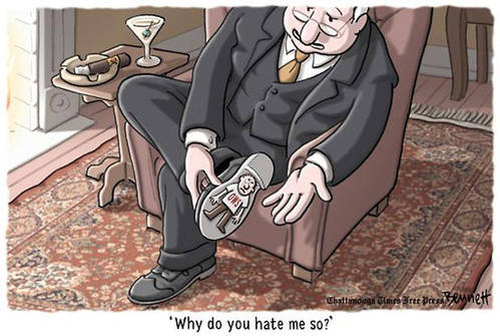
It is not always the most qualified. It is the ones with the right last names, the right skin tones, the right golf buddies.
A handful of business dynasties—Syrian, Lebanese, Portuguese—have carved out entire sectors for themselves. They pass down companies, influence, and opportunity like family heirlooms.
They don’t need degrees. They have access.
Afro-Trinidadians, meanwhile, are told to “serve”. Work in the ministry. Join the Police Force or Army or Coast Guard. Become a teacher. Wait 30 years for a pension.
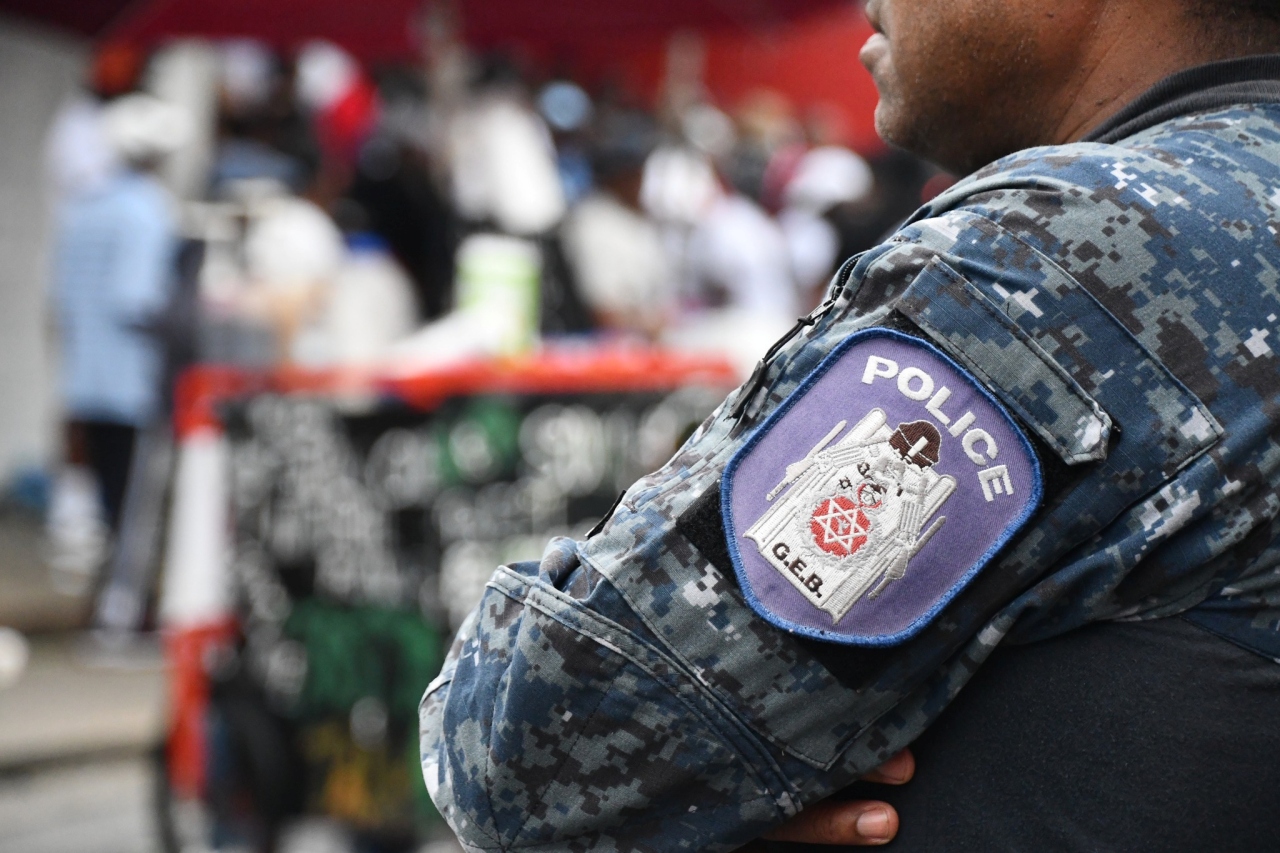
Photo: TTPS.
But don’t expect to own anything. Don’t expect intergenerational wealth. And if you complain? You’re “making everything about race”.
No. The system made it about race long before we did.
Social capital trumps educational capital every time. In Trinidad and Tobago’s business and politics, social capital—your surname, your old boys’ club, your Carnival band, your golf foursome—often outweighs your degree.

Photo: OPM.
Many business leaders didn’t top their classes but inherited contracts, access, or connections. Government contracts, energy sector deals, and board appointments often favor those “in the circle”.
Then there are racial dynamics:
- Indo-Trinidadians often dominate in certain types of private sector business.
- Afro-Trinidadians historically dominate the public sector but may struggle to build intergenerational wealth.
- Syrian-Lebanese and French Creole elites maintain tight control of commerce and legacy wealth.
Education helps, but economic mobility often has invisible ceilings, especially for those outside the historically privileged enclaves.
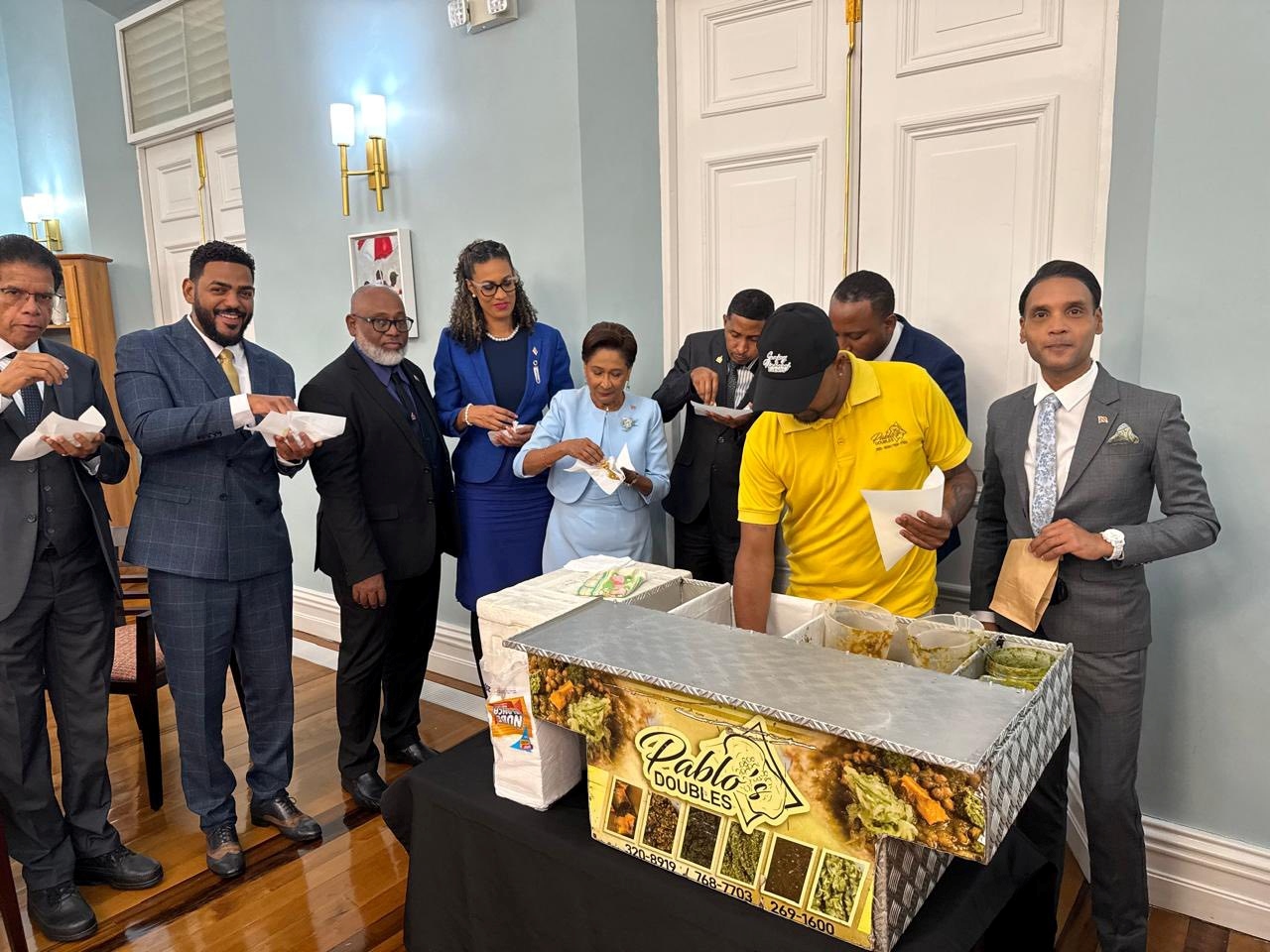
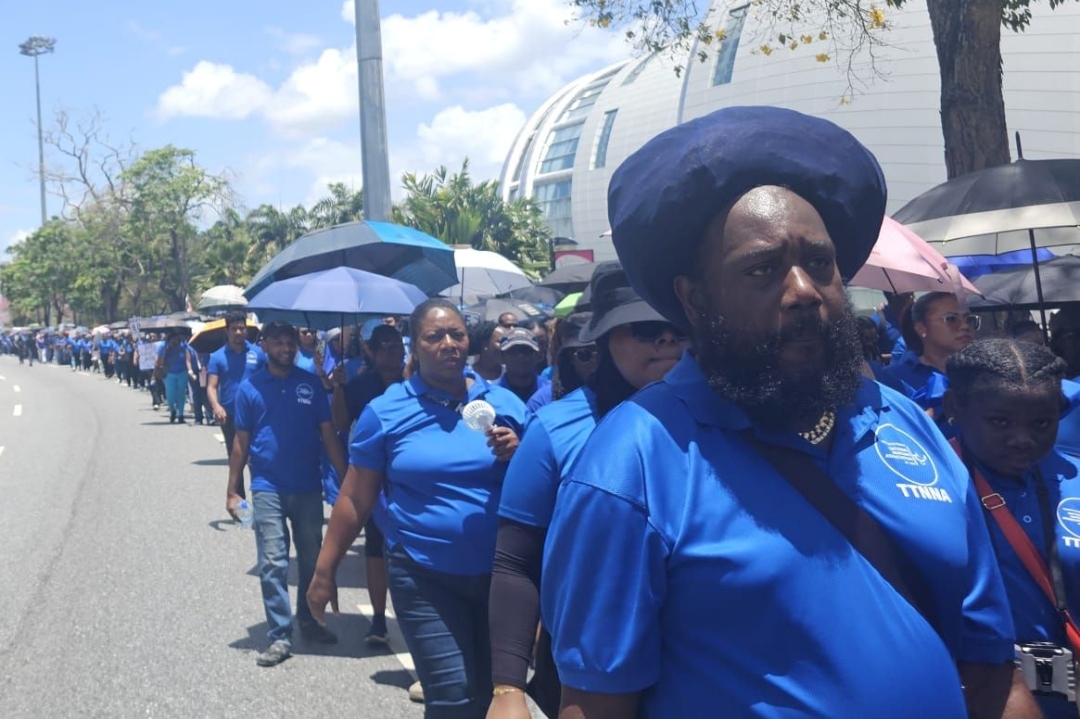
Photo: UNC.
Let’s be honest. If you’re Black in this country, you can have the degree, the discipline, the drive—and still be treated as a threat. If you’re from a working-class Indo background, you can be locked out of northern money.
If you’re not in the right ethnic or economic club, you’re disposable. Trinidad and Tobago doesn’t just have inequality—it has racialized, class-protected inequality, dressed up in smiles and national pride.
This isn’t about envy. This is about truth. You can play by every rule, jump through every hoop, and still find that the real game was rigged from the start.

Trinidad and Tobago doesn’t reward talent. It protects power. It preserves privilege. And it punishes those who try to call that out.
So if you’re frustrated, disillusioned, or angry—you’re not alone. You’re seeing things clearly.
The next question is: what are we going to do about it?
Thirteen years have passed since health care workers, Lake Asphalt employees and other workers last received a salary adjustment. In Read more
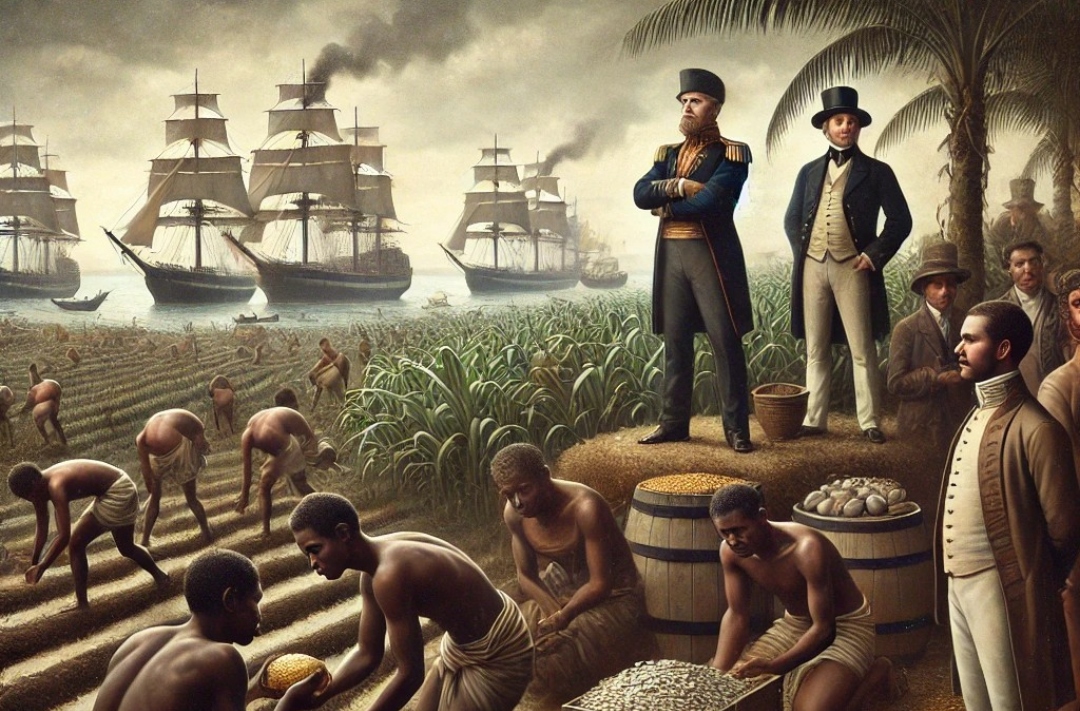
Having just celebrated 64 years of independence, discussions as to whether Trinidad and Tobago is better off since gaining independence Read more
“[…] To the ‘UNC family’ she offers the old tired hymn: lagoons, cane fields, salt and rice, ponds and springs—the Read more

Some years ago, I lived and worked in Sierra Leone. I arrived in the capital, Freetown, just ten years after Read more
“[…] The media release by the heads of judiciaries—that seemed to focus on the leak of the emails and breach Read more
“[…] Neither African nor Indian communities benefit from this… In cases where division arises unintentionally, accountability must fall on leaders, Read more

Want to share your thoughts with Wired868? Email us at editor@wired868.com.
Please keep your letter between 300 to 600 words and be sure to read it over first for typos and punctuation.
We don’t publish anonymously unless there is a good reason, such as an obvious threat of harassment or job loss.

We have to acknowledge that some merit is rewarded, after all, we have at least two PM (or is it one) who cannot be said to be either one of those elites you mentioned…and we cannot say it is because they knew them that they got elected….