 Wired868 Wired868 for smart sport news and opinion
“[…] There is often a misconception that MPs are exempt from the strict rules governing civil servants. The legal reality is the opposite. They are unequivocally public officers and a trustee of the people.
“Because MPs wield immense political and legal power, often with very little daily oversight, the law holds them to the highest possible standard of integrity. They are donees of power, meaning every bit of authority they possess is a gift from the public—to be used exclusively for the public’s benefit…”
The following Letter to the Editor on attempts to hold public figure to account was submitted to Wired868 by Ula Nathai-Lutchman, an international barrister at law with over 20 years of experience in international criminal, human rights, and administrative law across the Commonwealth, Caribbean & international legal frameworks:

Photo: UNC.
Proverbs 29.2: “When the righteous thrive, the people rejoice; when the wicked rule, the people groan.”
The release of over three million pages of Epstein-related documents in late January 2026 has ignited a global legal reckoning. Politicians, diplomats, business leaders and members of royal families have seen their reputations damaged, learning that impunity from consequences is increasingly scarce.
At the centre of this resurgence lies an historic legal instrument: the common law offence of Misconduct in Public Office (MiPO).
This column aims to clarify what MiPO entails and how it functions—and it also highlights why Caribbean leaders should pay close attention.

In today’s world, impunity for public misconduct is truly a relic of the past.
The foundational principle of MiPO is deceptively straightforward. As articulated by an American federal court, “it is a living tenet of our society and not mere rhetoric that a public office is a public trust” (Nuesse v Camp, 385 F.2d 694 (DC Cir 1967)).
This principle establishes that all governmental powers are ultimately vested in the people and must be exercised exclusively for their benefit.
In effect, public officials serve as fiduciaries who owe an undivided duty of loyalty to the public. Their authority is held not for personal advantage, but to discharge their responsibilities with integrity.

(via UNC.)
As Lord Mansfield affirmed in R v Bembridge (1783), anyone accepting an office of trust concerning the public is “answerable criminally to the King for misbehaviour in his office”.
In other words, upon assuming a public position, whether as a prime minister or civil servant, you are not merely taking on a job. You are accepting a solemn legal duty to prioritise the public interest above your own.
Break that trust, and you do more than risk political fallout—you invite criminal prosecution.

(via NYT.)
The Five Elements of Criminal Liability of Misconduct in Public Office (MiPO):
- A Public Official: The defendant must hold a recognised public office. This includes members of Parliament, judges, police officers, and civil servants. It does not matter how high or low the rank. A prime minister and a junior clerk are equally subject to the law.
- Acting in the Course of Office: The misconduct must occur while performing, or in connection with, official duties. Crucially, a member of Parliament cannot divest themselves of their official position when exercising influence—even off-duty actions that leverage official power can constitute misconduct.
- Wilful Misconduct: The official must deliberately do something wrong or act with reckless indifference toward their duties. Negligence alone is not enough. There must be an element of intentional wrongdoing or conscious disregard.
- Without Reasonable Excuse: There must be no legal justification or valid excuse for the action. The burden is on the prosecution to prove the absence of excuse. Once established, the defence must offer a convincing justification.
- Serious Departure from Proper Standards: The misconduct must be serious enough to merit criminal punishment, representing a grave departure from proper standards and an affront to the standing of the public office held. Not every administrative failing qualifies. The bar is high, but once crossed, the consequences are severe.

(via Vecteezy.)
For Caribbean leaders, the days of viewing state resources as a personal cheque book are over.
The legal turning point came in 2011 with the Caribbean Court of Justice (CCJ) ruling in Marin & Coye v Attorney General of Belize [CCJ 9 AJ]. This landmark case involved two government ministers who sold 56 parcels of state land to their own private company at $1 million below market value.
The CCJ’s judgment established three non-negotiable rules for anyone in high office:
- Corruption is a Crime, Not Just an Ethical Slip: The Court was blunt: “Public wrongs demand public sanctions”. If a minister’s actions cause a predictable loss to the state while lining their own pockets, they should not just be sued in civil court. They should face criminal prosecution. Failure to punish this “corrosive” behaviour destroys the very foundation of democracy.
- Your Oath is a Binding Legal Contract: A minister’s oath of office is not just a ceremony—it is a “fiduciary” duty. This means a minister is a legal trustee of the people. The CCJ affirmed that ancient principles of public trust are still “essential to the existence of the country” today. Any leader who puts personal gain over the public interest is in “breach of a sacred trust”.
- Power is for the Public Good Only: The Rule of Law dictates that executive power can only be used for the benefit of the citizens, never for “ulterior or improper purposes”. While public perception of politicians may be low, the CCJ reminded the region that the state’s primary job is to govern for the common good.
Are members of parliament (MPs) public officers? The law is clear.
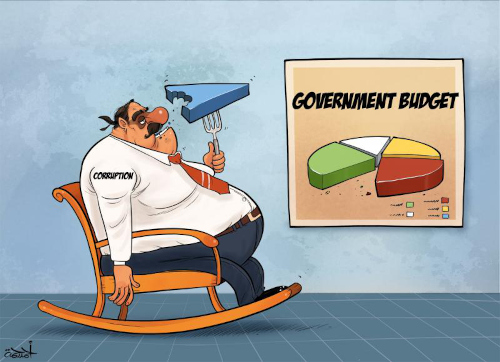
There is often a misconception that MPs are exempt from the strict rules governing civil servants. The legal reality is the opposite. They are unequivocally public officers and a trustee of the people.
Because MPs wield immense political and legal power, often with very little daily oversight, the law holds them to the highest possible standard of integrity. They are donees of power, meaning every bit of authority they possess is a gift from the public—to be used exclusively for the public’s benefit.
In practical terms, this signifies that MPs cannot use their official positions for personal financial gain. This includes, but is not limited to, inflating expense reimbursements, utilising public resources for partisan campaign activities, or neglecting to declare conflicts of interest.
The law views these not just as mistakes, but as criminal breaches of the public’s trust.
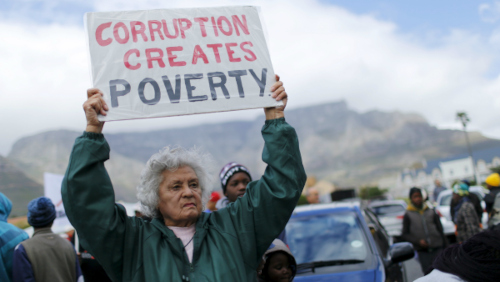
MPs cannot switch off their official status, even when asleep. Because their influence is tied to their office, any attempt to use that status for private advantage falls under the scope of criminal misconduct.
In short, the greater the power, the greater the accountability.
When a leader exploits their position for personal benefit, they are not just breaking a rule. They are violating a fundamental legal trust.
The renewed focus on MiPO has been significantly amplified by the revelations of soft power abuses emerging from the Epstein documents.

Actions by public officials once viewed primarily through an ethical lens are now increasingly being scrutinised as potential criminal acts. The repercussions are global in scale.
In the United Kingdom, Peter Mandelson has resigned from the House of Lords and is subject to a criminal investigation over allegations he shared market-sensitive information obtained via his associations within Epstein’s network.
As of 19 February, Andrew, the former prince and duke of York, who previously served as a working royal and the UK’s special representative for International Trade and Investment, was arrested on suspicion of misconduct in public office.
He is the first senior royal in modern history to be arrested.

Giuffre accused Andrew of sexually abusing her while she was a minor.
In Norway, former prime minister Thorbjørn Jagland is facing charges of aggravated corruption linked to his stays at properties owned by Epstein. Parliament has voted to strip him of immunity, underscoring that no position, not even that of a former head of government, guarantees protection from legal inquiry.
For Caribbean leaders, the Epstein files represent far more than a remote scandal. They signify a pivotal legal juncture.
The era of plausible deniability has concluded. The adage that ignorance is bliss no longer applies.
In its place, a doctrine of culpability through meaningful association is emerging, wherein accepting a benefactor’s hospitality or financial support may now entail potential criminal liability.

Legal assessment is increasingly determined not merely by what one professes to know, but by what one reasonably ought to have known. The juridical terrain has shifted decisively, eroding the convention that “no comment” constitutes a safe harbour.
The traditional political playbook affords diminishing shelter in an age defined by digital footprints and disclosed archives. This evolution underscores that public officials are accountable not only to their parties or colleagues, but ultimately to the law and the citizens they are entrusted to serve.
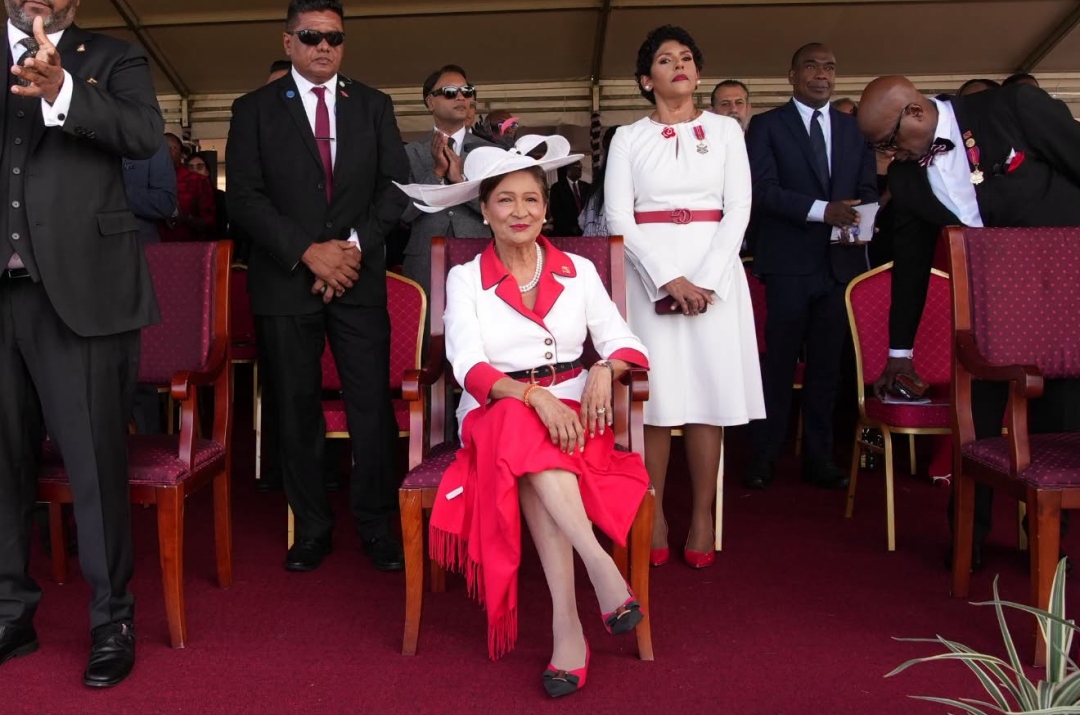
I am not a politician. I’m certainly not a senator. I am just a citizen who pays attention. So, when Read more

Today, Trinidad and Tobago, and indeed the Caribbean, bids farewell to a true cultural giant. With the passing of Dr Read more
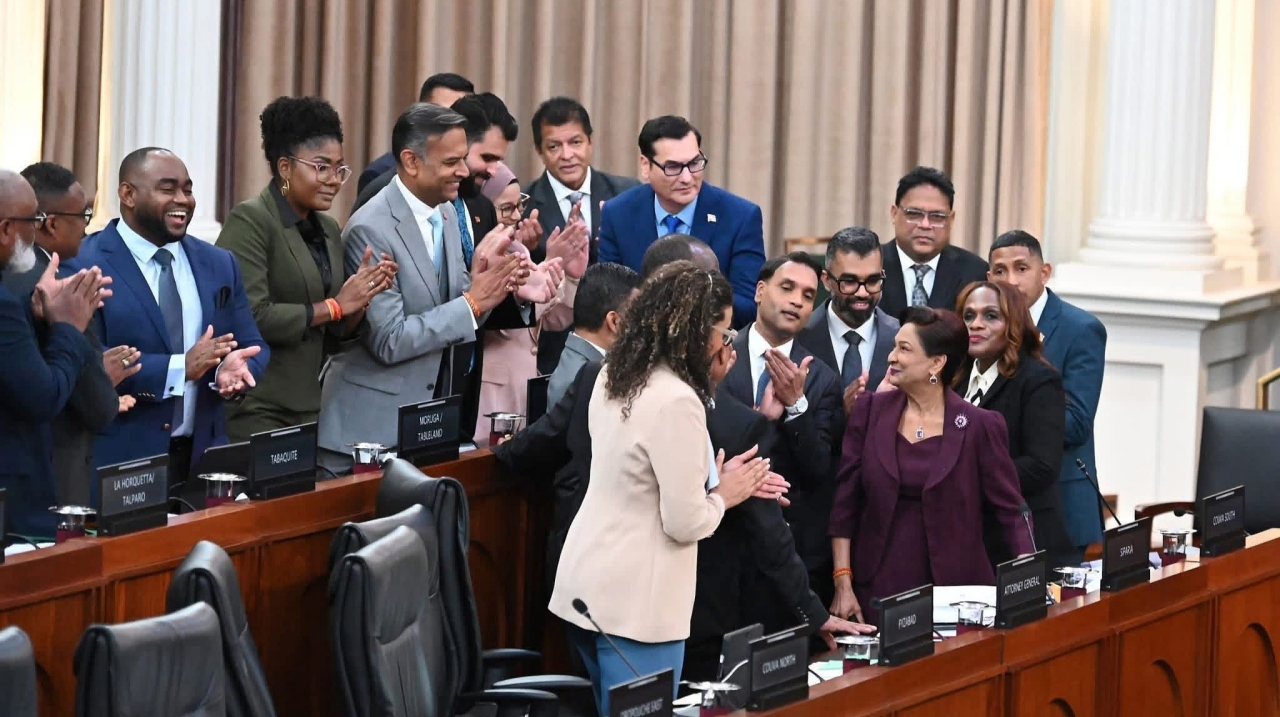
There is an old adage that says: “a wise man learns from the mistakes of others, while a fool learns Read more

“[…] It is nothing short of amazing how this current political directorate can go from conceptualization of 30 ‘police post’ Read more
Thirteen years have passed since health care workers, Lake Asphalt employees and other workers last received a salary adjustment. In Read more

Having just celebrated 64 years of independence, discussions as to whether Trinidad and Tobago is better off since gaining independence Read more

Want to share your thoughts with Wired868? Email us at editor@wired868.com.
Please keep your letter between 300 to 600 words and be sure to read it over first for typos and punctuation.
We don’t publish anonymously unless there is a good reason, such as an obvious threat of harassment or job loss.