 Wired868 Wired868 for smart sport news and opinion
“[…] The Prime Minister’s Pension Act […] allows high-ranking public servants to secure pensions at the peak of their earnings—an advantage unavailable to the average citizen, whose pensions are typically calculated on lower salary scales and subject to strict caps.
“This is a system that has been kept out of the control of the public servants’ employers, the citizens, leaving the servants with the lion’s share of taxes raised, while many employer-citizens are left nearly destitute—and in some cases, literally destitute…”
The following Letter to the Editor on Trinidad and Tobago’s pension structure was submitted to Wired868 by Dennise Demming, MSc, MBA, wellness therapist, communications coach and speaker:

In our democracy, politicians are public servants employed by citizens, whose salaries, benefits, and pensions are paid through taxes that are subtracted from citizens’ income every month.
These leaders are entrusted with acting in the best interests of the people by crafting policies that ensure fairness and address societal needs. However, in Trinidad and Tobago, the stark disparity in pensions highlights a troubling breach of this trust and raises questions about accountability.
As of 2025, taxpayers are responsible for funding Prime Minister Dr Keith Rowley’s pension, which is nearly one million dollars annually for the rest of his life. This amount is over 24 times what the average pensioner receives.

Photo: OPM
The Prime Minister’s monthly pension alone could sustain an average retiree for more than two years. In contrast, the majority of senior citizens rely on the National Insurance System (NIS) for a modest TT$3,000 per month to cover basic needs like food, utilities, and medical expenses.
The Prime Minister’s Pension Act ensures that this retirement benefit is tied to the highest salary earned during their tenure, even if the salary adjustment occurred late in their career. This allows high-ranking public servants to secure pensions at the peak of their earnings—an advantage unavailable to the average citizen, whose pensions are typically calculated on lower salary scales and subject to strict caps.
This is a system that has been kept out of the control of the public servants’ employers, the citizens, leaving the servants with the lion’s share of taxes raised, while many employer-citizens are left nearly destitute—and in some cases, literally destitute.

The Central Bank of Trinidad and Tobago has acknowledged the challenges of such systemic imbalances. In May 2023, it published the paper National Pension Reform: Initial Considerations for Trinidad and Tobago, emphasizing the urgent need for reform.
The report concluded with a warning: “Delays in restructuring will result in the need for more drastic corrective actions in the future. All reforms should be driven from the top; pension system reform requires a firm political commitment, while consistent monitoring and evaluation will be the cornerstone of any successful restructuring.”
This warning remains particularly relevant today. The glaring disparities in pension allocations not only worsen income inequality but also represent a callous misallocation of public resources.

Leadership should embody shared sacrifice and solidarity. Yet a system that allows one individual’s pension to dwarf the incomes of thousands of retirees undermines the principles of fairness and equity.
True leadership is not just about policymaking but about setting an example. Politicians must recognize their duty to act in the public’s best interest, rather than prioritizing their own.
Reforming the pension system provides an opportunity for leaders to demonstrate their commitment to fairness and accountability.
The Central Bank’s call for firm political action must not go unheeded. The current pension system is both unjust and unsustainable. Reform is no longer optional—it is a moral and economic imperative.
By addressing these disparities, leaders can restore trust, bridge the gap between privilege and struggle, and create a society that values fairness for all.

The realisation that just one month of the Prime Minister’s pension could sustain an average retiree for two years is demoralizing, especially for those struggling to cover basic needs.
Despite this frustration, calls for reform have been limited. Activists and concerned citizens have proposed measures such as capping pensions for high-ranking officials, redistributing benefits more equitably, and increasing the base pension for the most vulnerable.
Citizens have grown increasingly frustrated, but unfortunately not enough to change their voting habits. Is it that our citizens are happier with grumbling and complaints in our mouths than actual food?

We need to acknowledge our part in our misfortune and act to correct it.
It’s time to do better.
I am not a politician. I’m certainly not a senator. I am just a citizen who pays attention. So, when Read more

Today, Trinidad and Tobago, and indeed the Caribbean, bids farewell to a true cultural giant. With the passing of Dr Read more

“[…] It is nothing short of amazing how this current political directorate can go from conceptualization of 30 ‘police post’ Read more
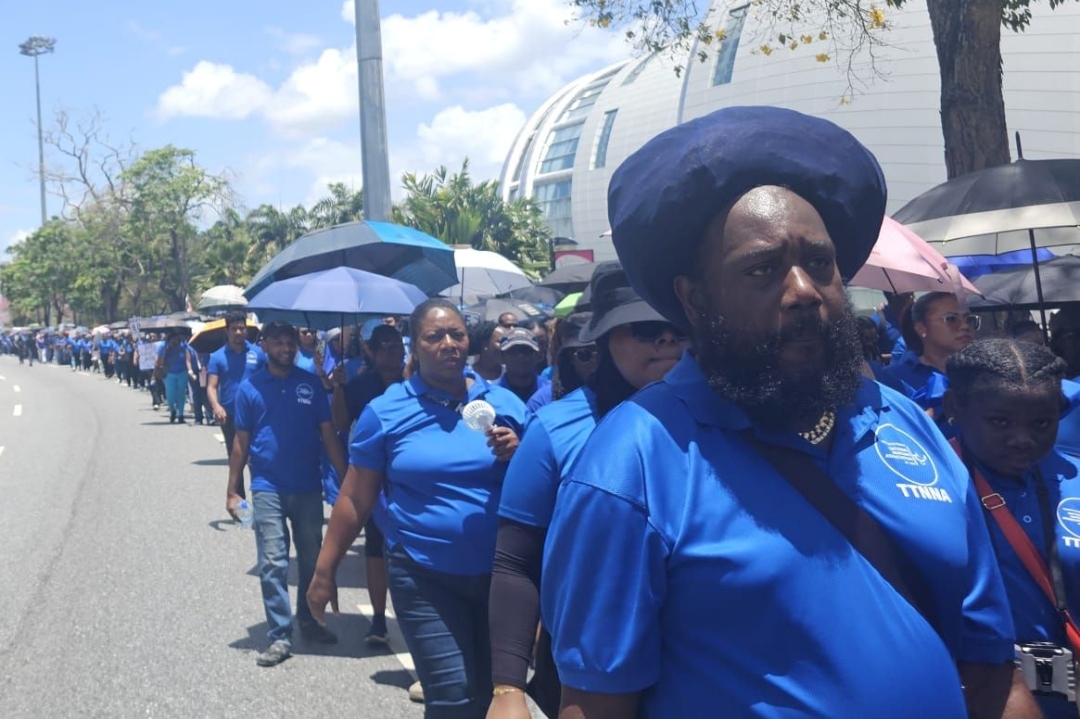
Thirteen years have passed since health care workers, Lake Asphalt employees and other workers last received a salary adjustment. In Read more
Having just celebrated 64 years of independence, discussions as to whether Trinidad and Tobago is better off since gaining independence Read more
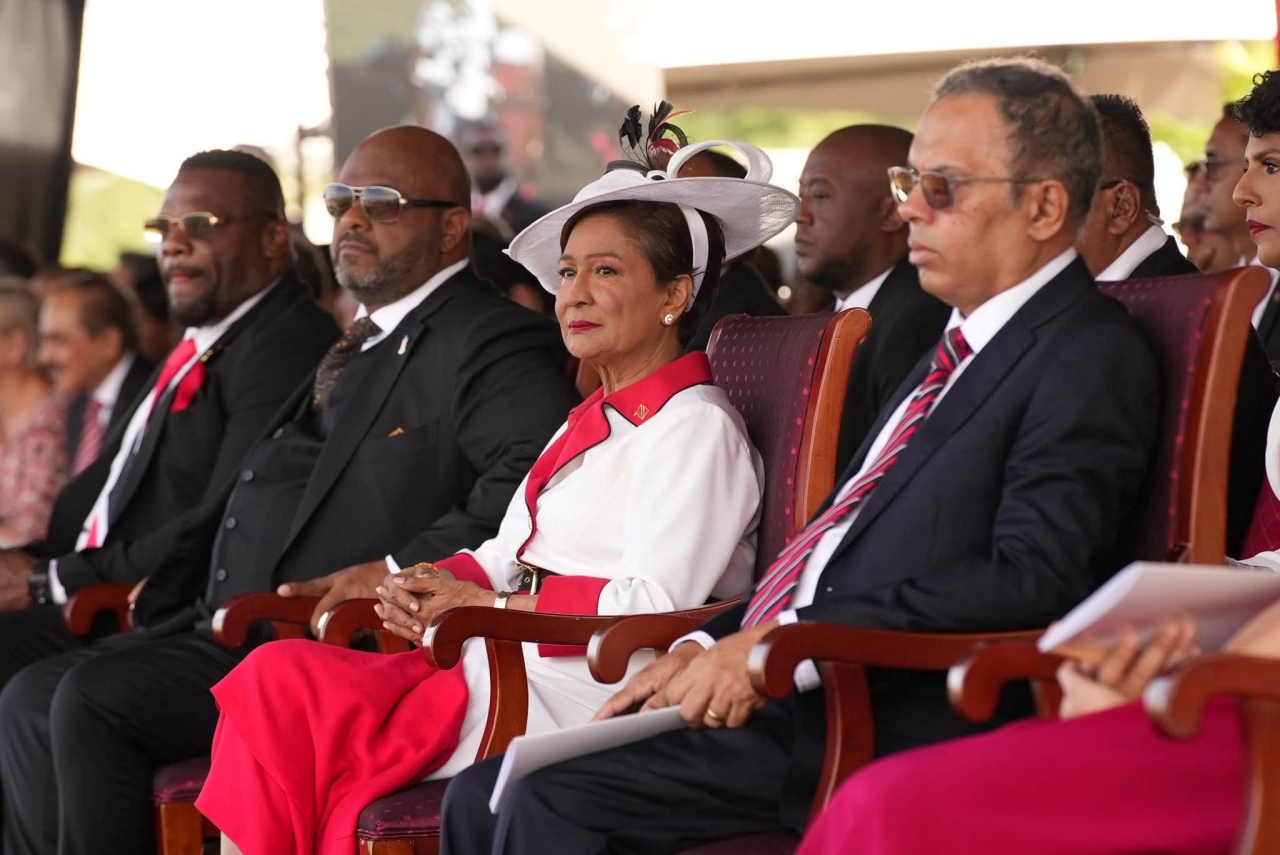
“[…] To the ‘UNC family’ she offers the old tired hymn: lagoons, cane fields, salt and rice, ponds and springs—the Read more

Dennise Demming grew up in East Dry River, Port of Spain and has more than 30 years experience as a communication strategist, political commentator and event planner. She has 15 years experience lecturing business communications at UWI and is the co-licensee for TEDxPortofSpain. Dennise is a member of the HOPE political party.