 Wired868 Wired868 for smart sport news and opinion
We associate the idea of walking away from something as an admission of failure, of quitting, and giving up.
North American films are famous for having protagonists proclaim that they will never quit. Generally, the idea that’s been sold is that one must stick to the thing at all costs.

I’ve been thinking about that, and how, like the English idea of keeping a stiff upper lip, there is much about that philosophy that is not in anyone’s best interests.
Too often, people stay inside of hopeless situations because the thought of casting it aside after years of effort appears to be a waste: the notion of the sunk cost used in business circles.
Let’s take it on a personal level, a very personal one. A relationship—a spousal type—might have originated because of certain factors. Romantic feelings, desire for domesticity, financial stability, companionship, all sorts of elements persuade people to take the plunge.
But time passes, and priorities change. What matters most in your twenties is not the same a decade or two later. If children have arrived, it complicates matters.

If you’re lucky you can get by with a reasonably practical and cordial arrangement, but often relations degenerate. Partners may begin to resent each other—yet they plod on, telling themselves they stay with each other because they’ve already invested so much into it.
What happens when it descends into a quarrelsome affair? What happens when the bickering overwhelms everything else? When there’s physical violence?
My parents had reached that stage and I recall that as a child, it was a relief when he left and the house was not clotted by the thick swell of animus whenever he walked in.
Of course, it was not simple or straightforward afterward, but in hindsight, I think we were all better for it, because the idea of home had become so distorted and ugly, it was completely dysfunctional. It created lifelong scars for everyone.

I know people struggle with the ideal of a happy family being one constituted of both parents, but in reality it is not. I have also seen far too many young people who’ve defiantly ignored the counsel of relatives and friends and hooked up with unsavoury partners. Things go bad, and they feel ashamed to let it go and walk away because they fear being judged.
Youth goes by so fast, and it’s really sad to see how much of that precious time is used up because you’re afraid to make the move.
It’s the same with getting involved in some venture. You have an idea or you hear of something that excites you. Sometimes you don’t think it through, or you decide that even if it might not be a sure thing, you feel passionately enough to throw yourself into it.

It doesn’t work and you can’t bear to walk away—but it’s true, throwing good money and time after bad is not practical. Just cut your losses and move on.
We’ve all made poor decisions in our lives. I have certainly made some whoppers. What I’ve seen too often is that staying in a bad situation is not worth it. Because I’ve lived in my own weird cocoon, often oblivious to the judgemental vibes floating about, I have walked away often.
I remember once, in a particularly low period, telling myself that the people who made the most hurtful remarks were not the ones who paid my bills or saw my despair with any sympathy. Why should I care about what they thought and felt free to say?

It was a turning point, a liberating moment that changed the way I responded, and the way I looked after myself. And I chose to write about this aspect of life as we come to the end of the year when we are given to reflection and to making resolutions.
Many, I know, have endured much more than they should have because they are full of fear. They are afraid to plunge into the unknown, and they don’t trust that they have the inner strength to get past the upheavals.
I’m not trying to make it seem like a simple decision, but I know from experience that you cannot get anywhere near the life you want for yourself unless you are willing to make hard and often painful choices.

This business of labelling things and people as failures is quite a monstrous one. A friend was telling me about why he is reluctant to take certain steps to get to the place he desires for himself. Among the things he mentioned, was the idea that he would fail and that people would think he was a failure.
He didn’t say it then, but it reminded me that he once mentioned that his sister had told him that he would never amount to anything and he was going to be a failure. They were probably in their early twenties then, but it etched a deep mark in his psyche.
If something doesn’t work out, then we can learn from it and move on—but move on we must, and the more we align the notion of failure with a label for ourselves, the less likely we are to walk away from the gloom and into the life we want.
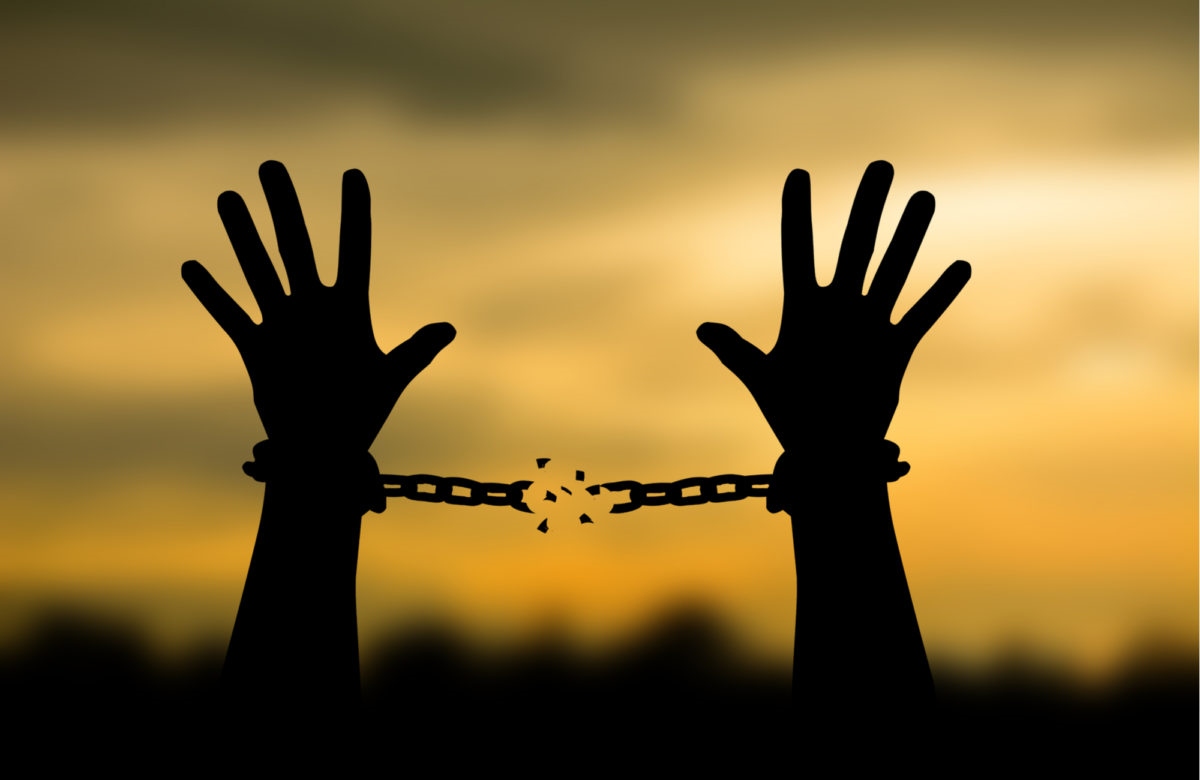
When you really think about it, whose life do you want to be living anyway?

Too many things are unacceptably wrong with this brown water situation. The State tells us it is temporary, and so Read more

“[…] It’s not necessarily that I don’t like you—it’s just immensely discomforting to be up close and personal. “It feels Read more
No matter how thrifty I am, it is a challenge to manage the high cost of living. Working from home Read more
World Suicide Prevention Day is observed annually on 10 September. The international theme for 2024 to 2026 is “Changing the Read more

Coffee and chocolate have spent years in and out of medicine’s good books. One month, coffee is blamed for palpitations, Read more
When I reach into the freezer for something from my hoard of cooked dishes, I am often reminded of the Read more
Vaneisa Baksh is a columnist with the Trinidad Express, an editor and a cricket historian. She is the author of a biography of Sir Frank Worrell.