 Wired868 Wired868 for smart sport news and opinion
“[…] During the Petrotrin shutdown saga, the OWTU actually offered to take a 15% wage cut in order to save jobs. The result? All, all, all workers were sent home.
“The Communication Workers’ Union (CWU) settled with TSTT for 5% over a five-year period 2014–2019. How many jobs were saved? Almost 1,000 jobs were lost! […]”
In this Letter to the Editor submitted to Wired868, Gerry Kangalee, education and research officer of the National Workers’ Union, contends that we’ve become our own IMF:

(via OWTU)
Should workers agree to sacrifice decent wage increases in exchange for job security? Prime Minister Dr Keith Rowley has hinted more than once that wage increases might trigger job losses. His hints come across more like a threat.
Economists and others have also taken up this cry: if you want job security you must give up decent wage increases.
Now, public sector, state enterprise and statutory authority workers have had no wage increases for almost a decade. Indeed, T&TEC workers have had a 000% increase imposed on them by the Industrial Court. The Court’s argument is that a wage increase will result in retrenchment.
My contention is that the Government’s position on wage increases is a matter of policy. In his infamous ‘dey ent riot’ 2016 speech, Finance Minister Colm Imbert said the Government was offering 000% for 2015–2017. He later told the media it was not a wage freeze, rather, it was ‘wage restraint.’
I prefer to call it wage suppression—and it fits neatly into the perspective of the international financial agencies.

(via Trinidad Express)
During the Petrotrin shutdown saga, the OWTU actually offered to take a 15% wage cut in order to save jobs. The result? All, all, all workers were sent home.
The Communication Workers’ Union (CWU) settled with TSTT for 5% over a five-year period 2014–2019. How many jobs were saved? Almost 1,000 jobs were lost! Workers who were retrenched in 2018 have not yet been paid their correct entitlements.
The Estate Police Association accepted 000% over three years from TSTT for the period 2016–2018. The result? The Estate Police Officers have all been sent home and private security contracted.
So who want to believe ‘Nansi stories’ about trading wage increases for jobs are just closing their eyes to the reality. Wage suppression/restraint/freeze is a policy position of the IMF and while Rowley says he is saving the country from the IMF, what he is doing is implementing the policies that international capitalists have developed to force working people to pay for the capitalist crisis.
Is like we imposing IMF policies without even seeking IMF financial support. Like we is more IMF than the IMF.

I am not a politician. I’m certainly not a senator. I am just a citizen who pays attention. So, when Read more

Today, Trinidad and Tobago, and indeed the Caribbean, bids farewell to a true cultural giant. With the passing of Dr Read more
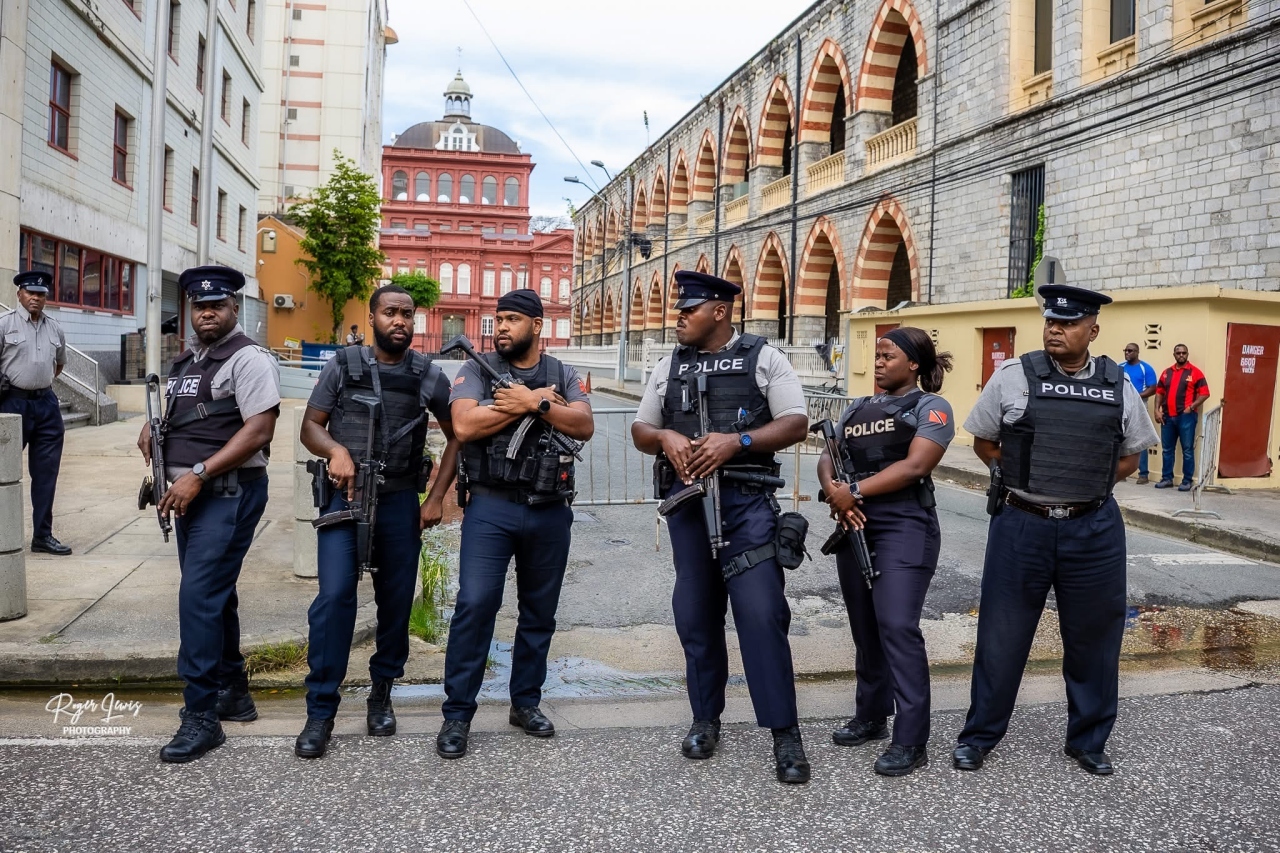
“[…] It is nothing short of amazing how this current political directorate can go from conceptualization of 30 ‘police post’ Read more

Thirteen years have passed since health care workers, Lake Asphalt employees and other workers last received a salary adjustment. In Read more

“[…] To the ‘UNC family’ she offers the old tired hymn: lagoons, cane fields, salt and rice, ponds and springs—the Read more

“[…] The media release by the heads of judiciaries—that seemed to focus on the leak of the emails and breach Read more

Want to share your thoughts with Wired868? Email us at editor@wired868.com.
Please keep your letter between 300 to 600 words and be sure to read it over first for typos and punctuation.
We don’t publish anonymously unless there is a good reason, such as an obvious threat of harassment or job loss.