 Wired868 Wired868 for smart sport news and opinion
A PEOPLE’S aspirations can never be defeated. This is the lesson of our history.
I started with aspirations here to articulate my own position about regional relations within Caricom. Regardless of what governments do, an aspiration to regionality is the tidalectics of the Caribbean.
We value our connectedness whether in relation to families with one ancestor from here and another from there, agricultural trade, culture and music, intra-regional migration, cricket, and much more.
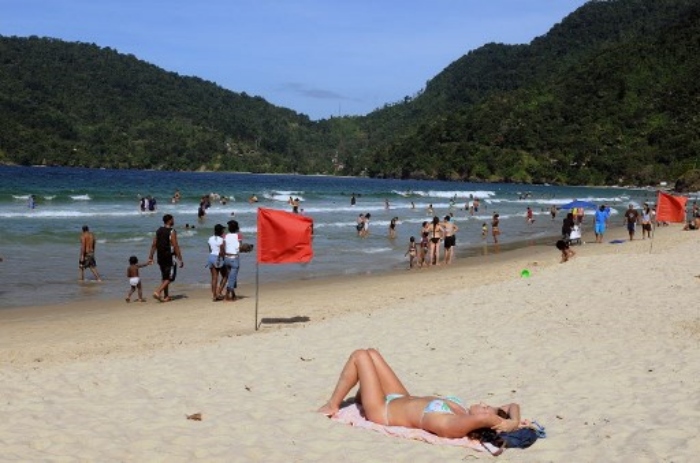
(Copyright AFP Photo/ Yuri Cortez.)
That aspiration is resilient regardless of what one government might say, and it is rooted in people, in us, not in the relationships among states—even as formal agreements are important recognition of that sentiment.
Looking at my own local context, I’ve written repeatedly about how divided we are in Trinidad and Tobago: by class, geography, race, and more. This did not start today, and it has not been helped by those in government—this, the last, or those before.
This division shows itself in a thousand ways: the abandonment of rural and south Trinidad from necessary infrastructure like access to pipe-borne water, paved roads, and completed schools, despite pleading and protest.
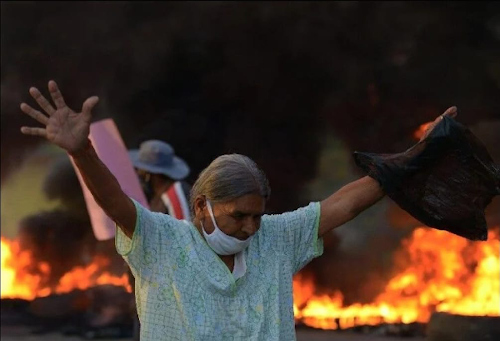
It shows itself in statements thrown back and forth—from the racist “go back to Africa” from those believing they live in “UNC country” to those in the PNM who look at Indo-Trinidadian citizens and disparagingly “wonder if we’re living in Bangladesh or Delhi”.
We are separated by numerous systemic and historical superiorities and inequities, and everyone impatiently galleries with the little bit of power they have.

A major challenge is that what some read as racist is often not recognised or affirmed as so or is downplayed by others—though examples abound on all sides in how we debate on social media; in how we weaponise each other’s “government name”; in the eras during which we find our voices and speak out and the eras during which we don’t; and the issues we consider important or not and how we interpret them.
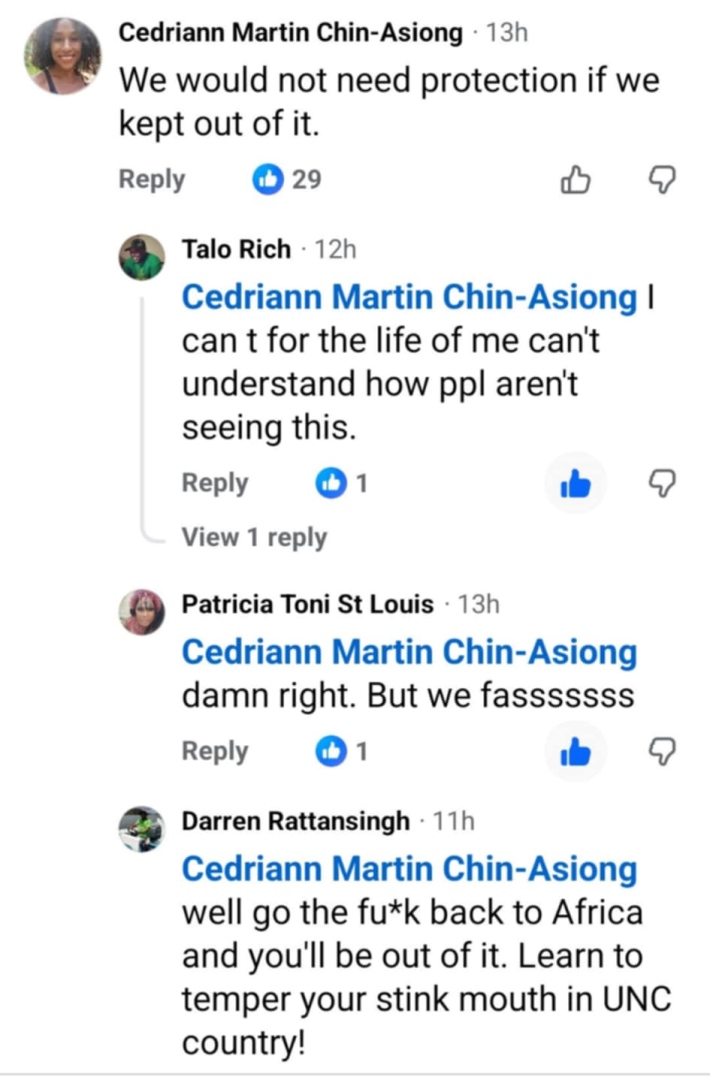
At times, we do not even properly understand what upsets our “other”, and we fail to focus on bridging the experiences, fears, and rhetoric that make us disagree.
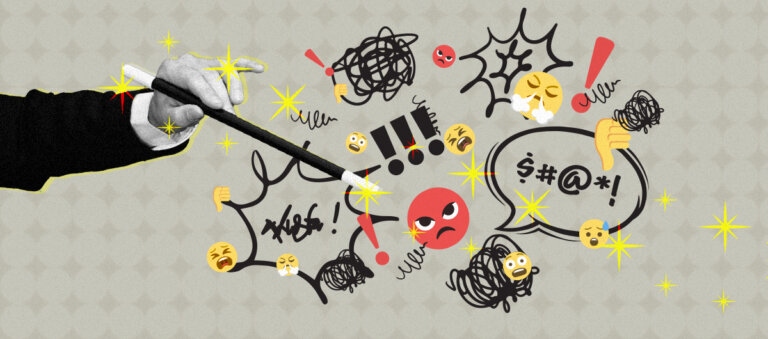
Social media has made it worse because we do not have to “live good with each other” online, and typing comments is a terrible substitute for talking. But also because media and blogging culture thrives off clickbait, big reveals, echo chambers, and posts that amplify dismissiveness, disinformation, obfuscation, and a sense of threat, anger, and exclusion.
In this way, social media can be informative and populist but it is dangerous because it is inflammatory—its currency is likes, its goal its own influence and it trends to the hyperbolic, disingenuous, partisan, and divisive—making such problematic framing as normal as morning coffee.

Unfortunately, this is the language of our time, and it feeds its own media culture in the comments it provokes and allows. It is not concerned with community, consensus, or bridging divides.
Thus, in this time of quick opinion and throwing words, everyone is talking and nobody is listening. People are saying things true and untrue, and it is too much to counter the social erosion before stories, posts and feeds have moved on.
I worry that activists who come of age in this keyboard era can therefore miss the necessity of hearing their “other”, fail to value what it takes to reach beyond their choir, and then wonder why their movements comprise so few or are so misunderstood or are not capable of unifying.
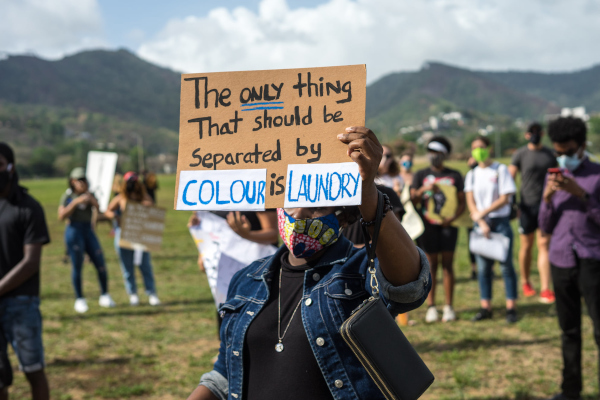
Photo: Ezra Bartholomew.
There is a social media modus operandi of anger and attack in which media attention does not have the skill set to heal or unite beyond a clique. All of this is understandable and exacerbated in a society like ours where everyone feels wounded in some way by the wielding of power.
Traditionally, women’s work—in families, communities, and in the Caribbean feminist movement—has been to bring a different ethos, to hold together, to forge alliances. This work is often fraught even as it is collaborative, but it is a model of nurturing our societies’ best qualities.
These are perilous times for public deliberation, as perhaps they have always been, if we don’t see the urgency of crossing these divides by connecting our common ground.
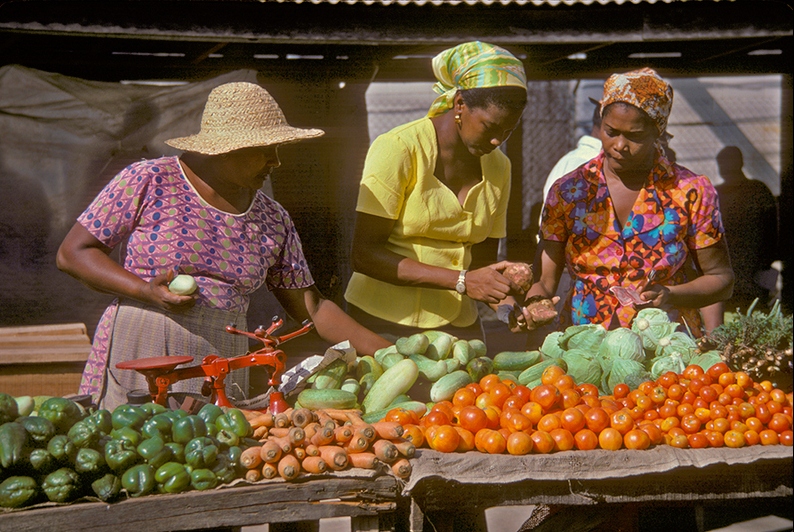
Photo: Kenneth Christian.
Caribbean organising which crosses boundaries—bringing us together over shared concerns, whether in relation to women, artists, domestic workers, ecological destruction, agriculture, sports, or peace—requires courageous engagement with those whom we consider different and, sometimes, denigrating.
It requires movements born out of the hard work of consensus-building. It requires understanding who we are such that we can see our strengths and common values.
We have to counter the modus operandi of those whose bread and butter is stoking what Professor Emerita Rhoda Reddock theorises as a politics of “competing victimhoods” and a world of vastly different and partial grasps of the same reality.
Indeed, who are we?
We are the thousands who sell in our markets each week, carrying what we have grown across the region by boat, and commonly believing that “everybody have to eat”, in putting a little extra, and in building social relationships out of economic transactions.
The same people, excluded from banking, who found ways to save using sou sou hands; grounding a grassroots practice built on trust, mutuality, and shared betterment as a local ethos.
We are Indigenous communities—from the Amerindians in Guyana to the Maroons of Suriname to the Garifuna of St Vincent, the Kalinago of Dominica, the Maya of Belize, and Trinidad’s First Peoples—who believe in collectivism, communal land, co-operatives, and models that counter individualism and disconnection.

(Courtesy Annalicia Caruth/ Wired868)
We are people who believe in the arts as sites of collective and home-grown spirituality, skill, and transcendence; whether pan, tassa, dance, literature, theatre, oral traditions, and traditional forms of commemoration, masquerade and celebration that bring multi-ethnic histories to culture, sharing it so generously across our territories.
We are people who believe in care for others, as witnessed by the thousands of citizens who contribute to food, healthcare, homes, counselling and much more to those in need—whether locally amid floods or everyday poverty, or in Dominica, Cuba, Jamaica, or Haiti following disasters.
We aspire to peace. We aspire to treat each other with dignity. We aspire to regionality. We aspire to justice.
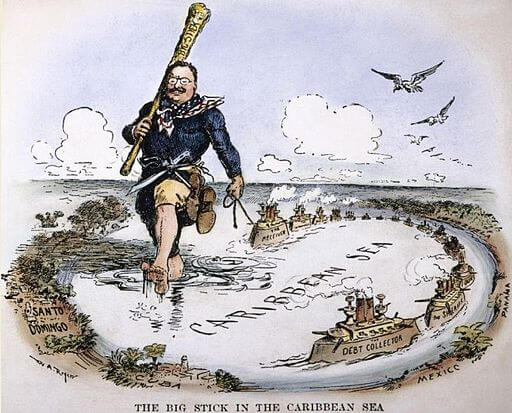
In the face of political elites, multinational corporations, and Monroe Doctrine militarism, we aspire to self-determination.
We can fight each other or mediate a unity that exists around what we value and all to which we aspire. Even as no one can take these aspirations from us, no one will do the work for us—not governments, politicians, militaries, or foreign powers.
We must resist governments and partisan commentators that do not share our highest values, but we must also beware of how toxic this sphere of public deliberation can be.
Our instincts therefore should be toward also to putting our energies to countering all that makes us vote different to how we party. We should be strengthening our strengths as they connect diverse communities. We should be amplifying our multi-ethnic investments in collectivism as an ethos.
We should be expanding agreement on our aspirations on the ground. We must be the ones to cross divides and not give in to insult as a form of engagement that is the metanarrative of the moment. We can critique, with dignity.

Photo: Nicholas Bhajan/ Wired868.
Sometimes, we must get off social media and speak directly with each other. We must actively remember our commonalities.
To remain our best self is our most precious ethical foundation for our aspirations for country, for region, for the world.
So, take a breath. Find your best self. Understand well what we most must do.

“[…] We are losing hope in the ability of our economy to provide good jobs for us. A smaller share Read more
On most maps, Trinidad and Tobago is a small smudge near the mouth of the Orinoco River. In real life, Read more

I don’t recall ever seeing such a high level of apprehension in our space. Do you? It’s coming from a Read more
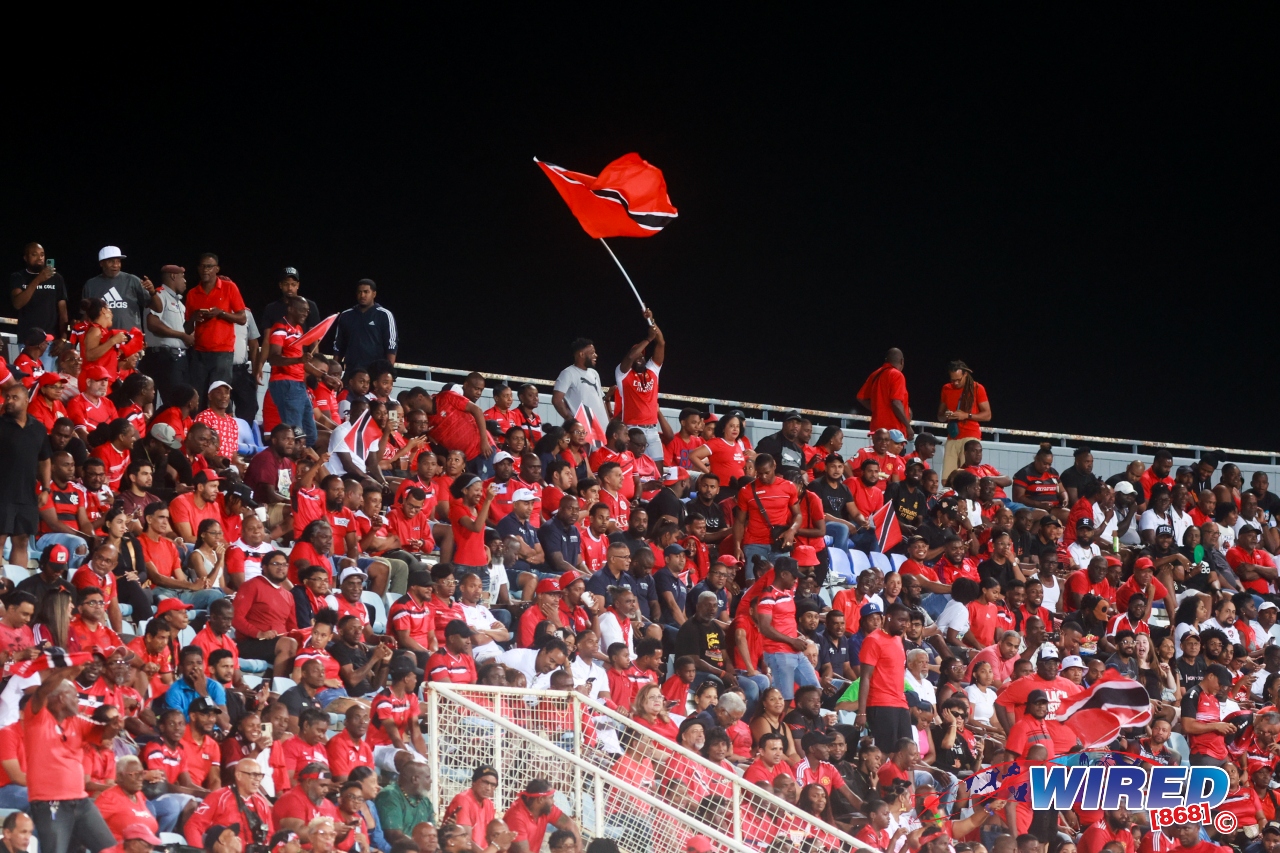
Thinking about the issue of belonging, I have been wanting to return to the subject of patriotism. I came across Read more
“[…] Rachel Price made this observation reflecting on social media: some things that may have been deemed shameful a mere Read more

I can’t imagine anyone whose insides have not been churning at the gruesome images of murder, maiming and absolute devastation Read more
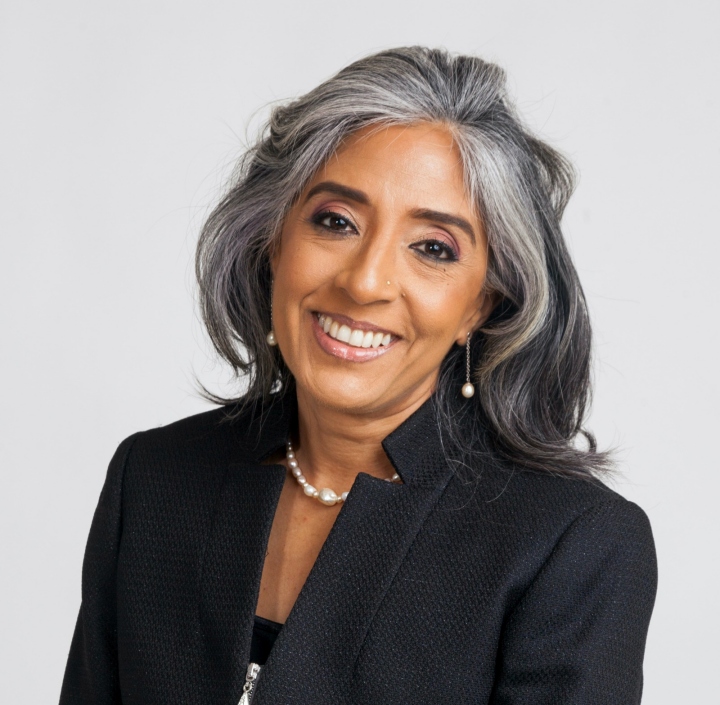
Dr Gabrielle Jamela Hosein is a Caribbean feminist writer and activist and senior lecturer at the Institute for Gender and Development Studies, The University of the West Indies, St Augustine.
Her blog, Diary of a Mothering Worker, has been published as a newspaper column since 2012.
