 Wired868 Wired868 for smart sport news and opinion
When in government, the People’s National Movement (PNM) speaks with the certainty of authority—decisions are made, policies defended, and dissent dismissed as misinformed or politically motivated.
The tone is top-down, and messaging emphasises competence, legacy and control. Consultation becomes performance, not practice.
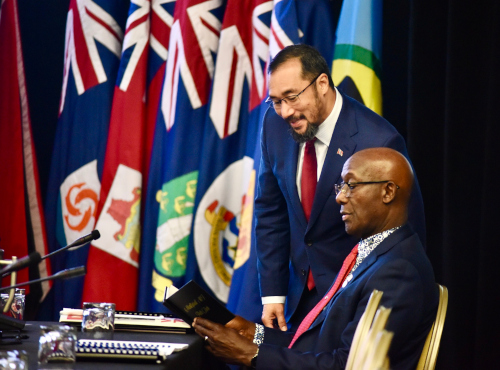
Photo: OPM.
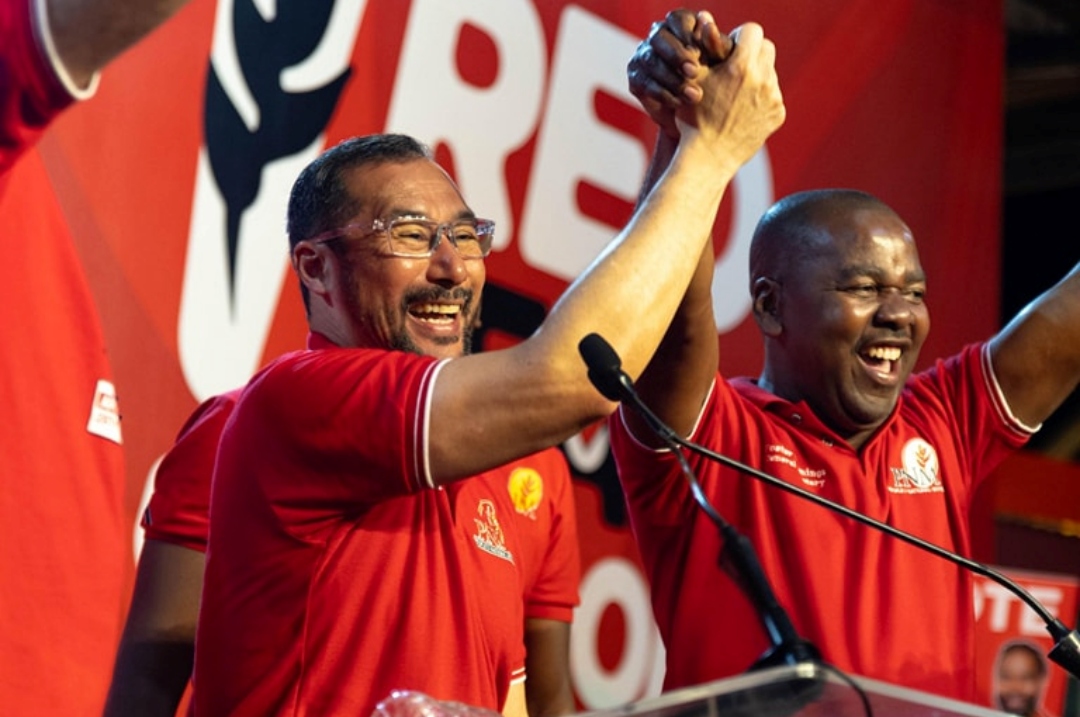
But in opposition—or after electoral defeat—a different voice emerges. Colm Imbert’s recent remarks at a PNM rally in Diego Martin reveal that shift with startling clarity.
Imbert, a senior figure and vice chairman of the party, admitted that the PNM’s loss in the 28 April general election was due to “stupid mistakes, poor communication, and a lack of democratic decision-making”.
These are not small admissions. They suggest that while in power, the party operated with insularity, making decisions without consultation and failing to connect with the people it claimed to represent.
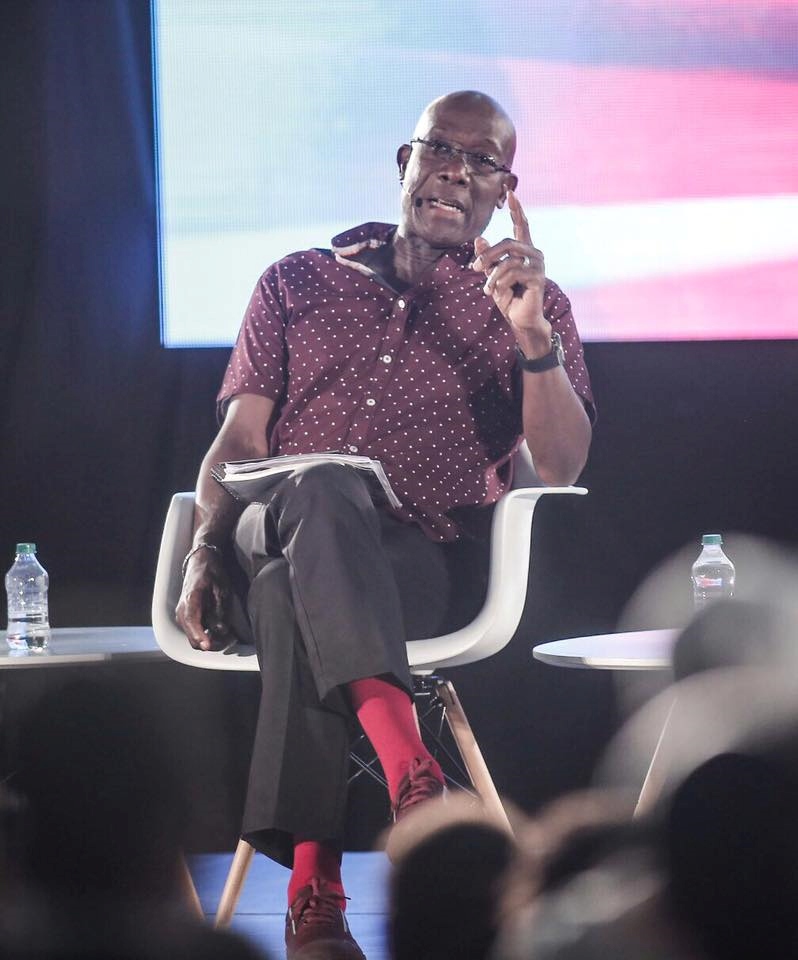
His statement that “stick break in our ears” is more than a colloquial lament; it’s an acknowledgement that the party stopped listening. Power had become a monologue. The population, sidelined and unheard.
Imbert’s blunt admission is not merely a reflection on internal missteps; it’s a quiet confession that those very errors may have compromised the governance of the country.
Decisions were made in isolation, voices were sidelined, and leadership grew disconnected from the people.
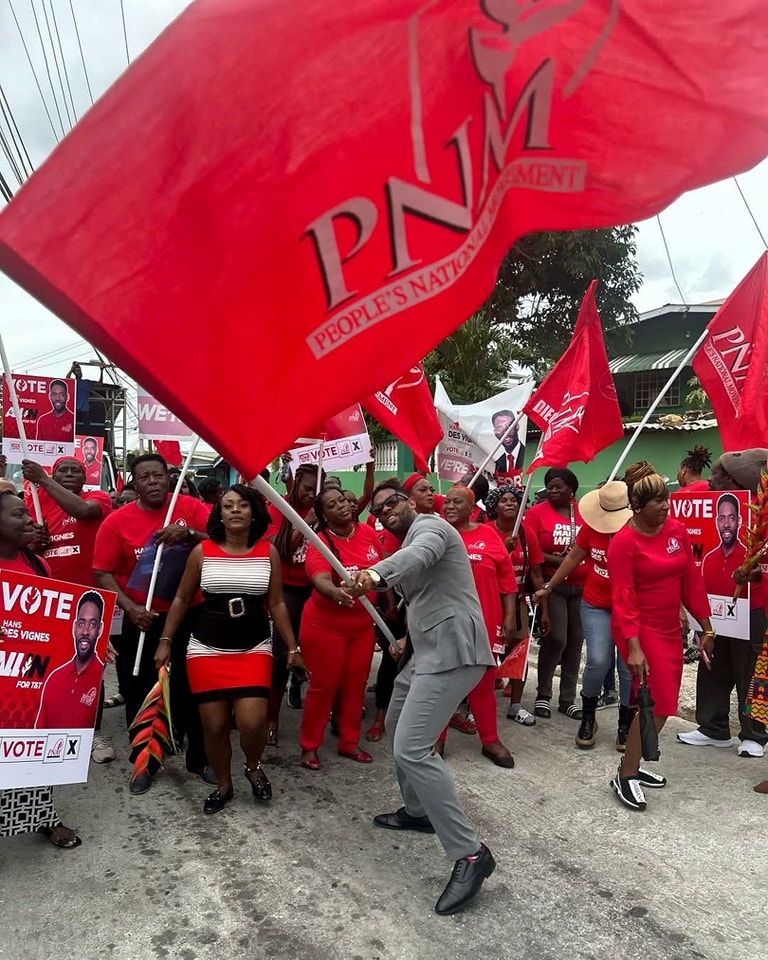
Photo: PNM.
These weren’t just political flaws; they were failures that may have disrupted national focus, weakened institutional trust and left citizens questioning whether leadership was truly serving the country or simply managing the party.
The contrast is sharp. In government, the PNM projects an image of knowing best—governing “ten times better than anyone else”, as Imbert still insists. But in opposition, the party speaks of humility, of reconnecting, of listening.
Imbert’s call for the new leader, Pennelope Beckles, to “communicate with the people” and “connect with the population”, underscores this reactive posture. Dialogue returns only when silence becomes politically costly.
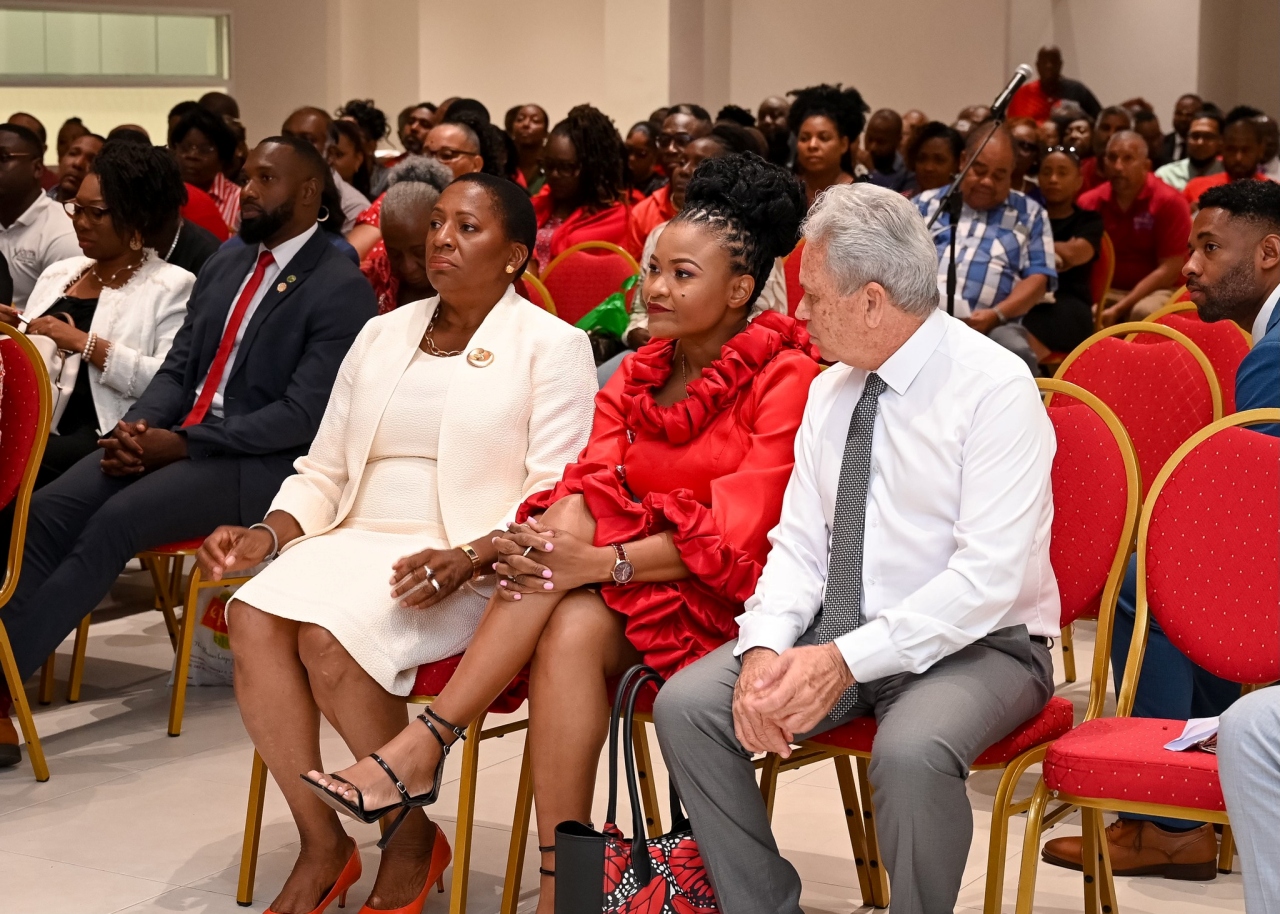
(via PNM.)
His reference to Kamala Harris’ memoir adds another layer, highlighting how ego and internal sabotage can derail progress. It suggests that within the PNM, leadership choices may have been shaped more by ambition than by service.
The phrase “lack of democratic decision-making” doesn’t just point to poor strategy; it suggests that voices were silenced, dissent was discouraged, and loyalty to leadership may have been enforced through intimidation rather than earned through respect.
It wasn’t just that the party stopped listening—it’s that many may have been afraid to speak.
(via PNM.)
The Newsday article, written by Sean Douglas, captures this moment with clarity. It does not editorialise; it simply presents Imbert’s words, allowing the contrast to speak for itself.
This article, then, becomes a mirror. It reflects a party that, while in power, treats the population as something to control—not something to understand.
But in defeat, the people are rediscovered; as if their value only becomes visible when it’s politically useful.
(via PNM.)
The tragedy is not just the timing of this recognition—it’s the pattern. And it’s not unique to the PNM. Across administrations, the voices of the people are often rediscovered only after power is lost.
When leadership listens only after demitting office, it reflects that they were never truly listening; they took the people for granted, governed with disdain and mistook silence for submission.

“[…] Dale’s death forces a hard truth… I’m grieving. “But I also feel sorrow for Ishmael’s family. Because the system Read more
“[…] It is clear that this Administration, having outsourced its decision-making with respect to relations with Venezuela, has not learnt Read more
“[…] Critics may dismiss the [Home Invasion] Bill as mere ‘political comfort food’. Its purpose is practical: to bridge gaps Read more
With three federations and fractured choices, the Trade Union Movement remains divided and workers continue to pay the price. Instead Read more

“[…] The Home Invasion Bill does not expand rights for householders. It does not reshape murder elements... What it does do is reassure Read more
This week, two quotes came to mind as I read the local newspapers. The first was from Benjamin Franklin, who Read more

Bryan St Louis is a former education officer for the Communication Workers’ Union (CWU).

Many governments that have been office for along time fall into that trap. And I would hope that is what all governments who have lost an election would do – a postmortem, self analysis and self reflection. Then they must plot a path forward that focuses on the people and that would propel them back into office. That’s politics.