 Wired868 Wired868 for smart sport news and opinion
A popular quote attributed to Benjamin Franklyn aptly summarises the situation that Trinidad and Tobago finds itself in: “He that goes a borrowing goes a sorrowing.”
These cautionary words warn that relying on debt often leads to stress, and the heavy burden of repayment for the person borrowing. The same is true for countries that borrow.
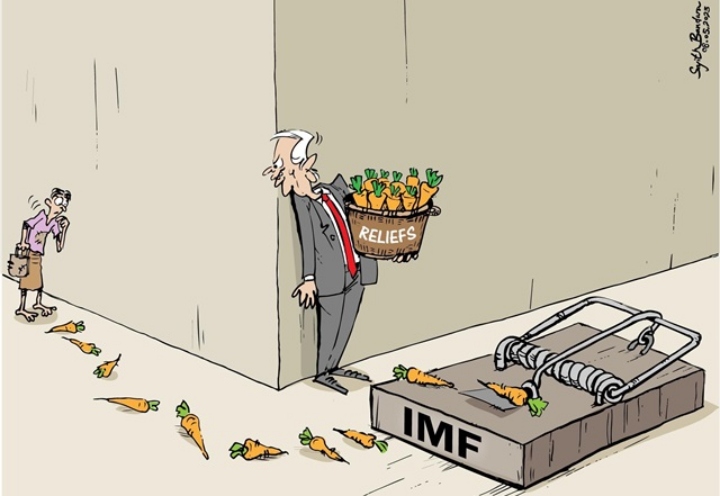
According to a recent media release from the Ministry of Finance, the Government completed the issuance of a US$800 million 12-year bond on 9 July 2026. This follows the issuance of a US$1 billion 10-year bond in January 2026.
The use of funds stated in the press release for both bonds was “refinancing the 2016 issue and general budgetary purposes”.
Given that the 2016 issuance was US$1 billion (at 4.5%) and US$1.8 billion was borrowed in 2026 across January and July, one can conclude that there was new foreign borrowing beyond the amount needed to refinance the US$1 billion 2016 debt. The foreign debt stock has increased.

Copyright: Office of the Parliament 2025.
Fiscal 2026 will also see new domestic borrowing. In the mid-year review, the Minister of Finance noted that: “the supplementary expenditure will be financed through a combination of domestic and external borrowing.”
This persistent borrowing is concerning for several reasons. I discuss three below.
First, not only is the level of debt rising, but the cost too. In 2016, the government issued a 10-year US$1 billion bond at a coupon rate of 4.5%. In 2020, a 10-year US$500 million bond at a coupon of 4.5%.
(via Ministry of Finance.)
In 2024, a 10-year US$750 million bond at 6.4%. In January 2026, a 10-year US$1 billion bond at 6.5%. Now in July 2026, a 12-year US$800 million bond was issued at 6.2%.
The increasing cost of debt is particularly important for the amount of interest that will be paid on these loans. It means that debt that cost us 4.5% in interest in 2016 is now costing 6.5% and 6.2% to refinance.
So, although the recent issuance was oversubscribed, the interest costs will be high upon maturity—and higher for similar loans taken 10 years ago, or even six years ago.

Ultimately, increasing debt service payments, mean less budgetary resources will be available to finance the things citizens care about: health, education, training programmes, etc. Added to this, an increasing external debt stock means that a larger share of foreign exchange will be used to pay debt service on these instruments.
According to the Auditor General’s report for Fiscal 2025 (page 26), debt service was 21.6% of actual spending. By comparison, the development programme accounted for a mere 2.5%.
The second reason for concern is based on our historical experience. The last time Trinidad and Tobago was faced with a high debt-to-GDP ratio alongside foreign exchange challenges was in the 1980s.

Photo: AP Photo/ Scott J Applewhite.
The result was IMF intervention via structural adjustment, beginning in 1988. Structural adjustment brought a devaluation of the TT dollar, public expenditure cuts, and privatisation of state enterprises. It was a period of economic hardship, which some argue, among other things, gave space for the attempted coup in 1990.
This leads to the third reason for concern. There does not appear to be a plan to deal with our debt situation.
Most countries have a debt management strategy or debt sustainability plan which sets out the government’s objectives for managing and stabilising debt, including addressing rising debt levels, rising interest costs and exchange rate risks for debt held in foreign currencies.
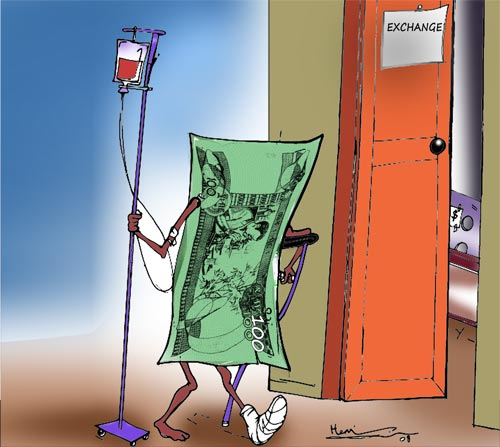
We do not have such a plan—at least not publicly available.
This is concerning as the economic literature is clear: high and increasing debt is counterproductive to economic development. The debt-to-GDP ratio has been increasing since 2008. The trend is persistent.
Geert Hofstede, a Dutch social psychologist, established a measure of national culture. On the ‘long-term orientation’ dimension, T&T scored a disappointing 17 out of 100. We are a myopic people.

Copyright: Office of the Parliament 2025.
Our debt story gives evidence of this culture of myopia:
- Borrowing at increasing costs, which crowd out developing spending.
- Borrowing with no clear strategy to stabilise public debt.
- Borrowing to finance recurrent expenditures like salaries and wage settlements.
This is not to say that public sector workers do not deserve fair remuneration. They do. But we also need to be honest about the costs associated with settling negotiations through borrowing—costs borne by both current and future generations.
The many creditors that lent T&T US$800 million on 9 July do not care if the government wears red or yellow when they come to collect their money, 12 years from now in 2038. They care that they receive what they are owed.
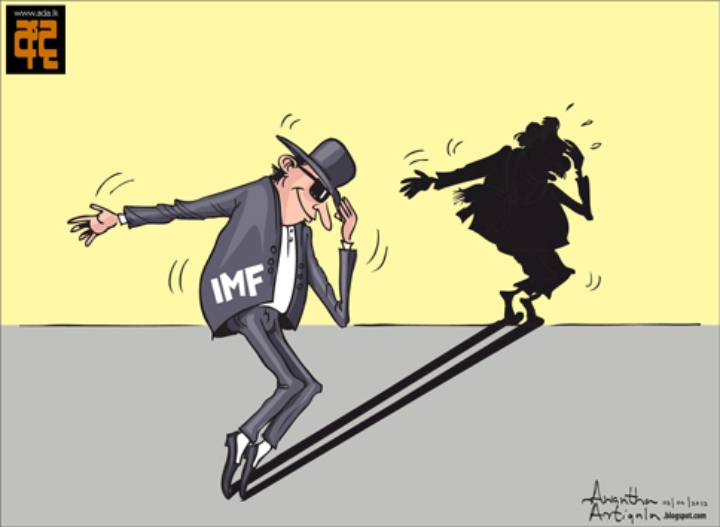
Arresting this problem is therefore not a political issue. It is an economic issue, and one which requires leadership and sound economic management.
In the absence of this, there is a real possibility that debt will be our downfall.

Thirteen years have passed since health care workers, Lake Asphalt employees and other workers last received a salary adjustment. In Read more

Having just celebrated 64 years of independence, discussions as to whether Trinidad and Tobago is better off since gaining independence Read more

“[…] To the ‘UNC family’ she offers the old tired hymn: lagoons, cane fields, salt and rice, ponds and springs—the Read more

Some years ago, I lived and worked in Sierra Leone. I arrived in the capital, Freetown, just ten years after Read more

“[…] Neither African nor Indian communities benefit from this… In cases where division arises unintentionally, accountability must fall on leaders, Read more

A few years ago, Michal Teja captured hearts and titles with his hit song, DNA. At the time, I was Read more

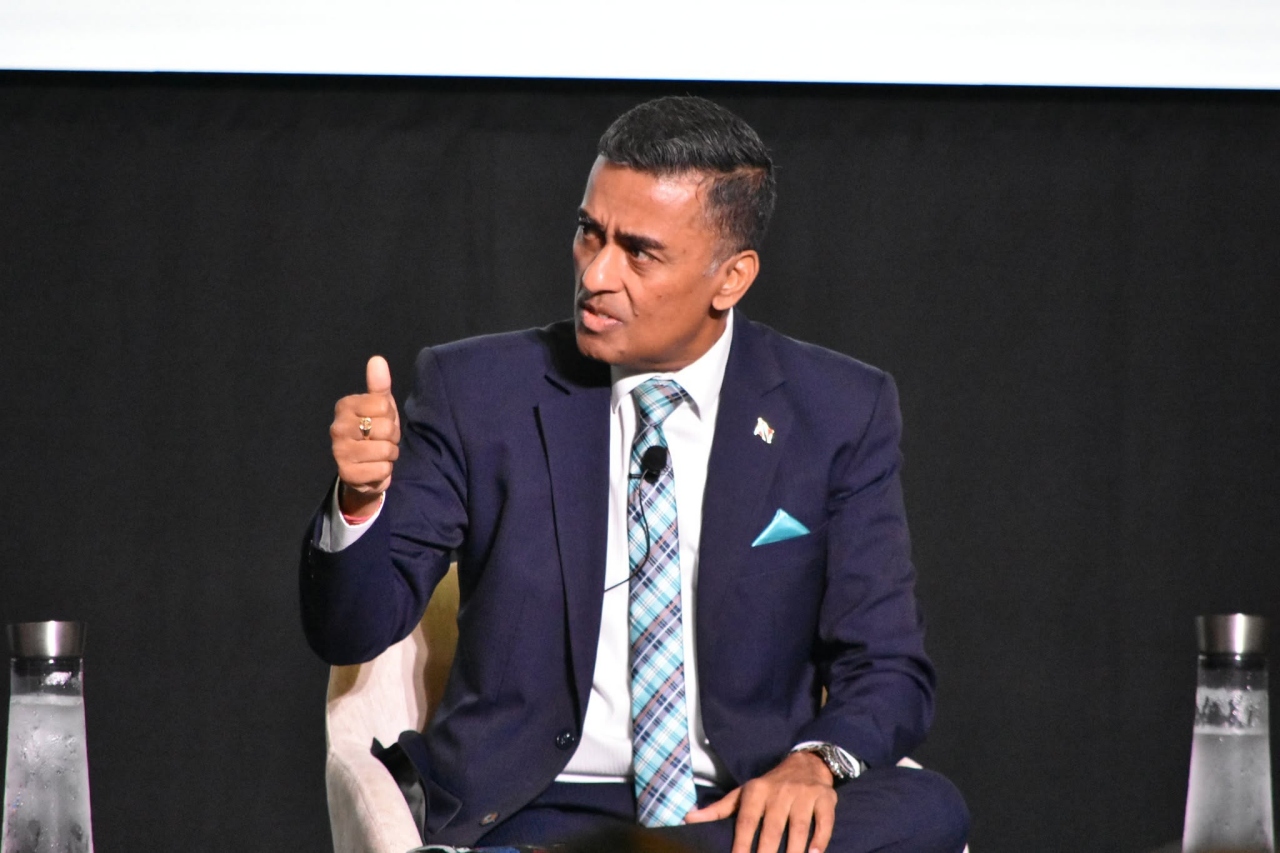
Dr Jamelia Harris is an economist and Assistant Professor at the University of Warwick. She studies and has written on the labour market, public finance and development policy in Africa and the Caribbean. She is a double President’s Medal recipient and holds a PhD from the University of Oxford.

That’s Tusser !
I believe that quotation about borrowing is attributed to Thomas Tisser who said , “Who goeth a borrowing,Goeth a sorrowing.”