 Wired868 Wired868 for smart sport news and opinion
“[…] At the heart of my concern are two critical areas that I believe continue to affect the progress of football in Trinidad and Tobago, leadership and administration of the game, and the development and support systems surrounding our football stakeholders. These are not easy conversations, but they are necessary ones.
“[…] Administrators shape culture, establish standards, create opportunities and ultimately determine whether an environment inspires progress or accepts mediocrity…”
The following Letter to the Editor on the state of football in Trinidad and Tobago was submitted to Wired868 by iconic 2006 World Cup player and former FC Porto and Glasgow Rangers midfielder Russell Latapy, who described himself as a ‘citizen, coach, and former National Team captain’:
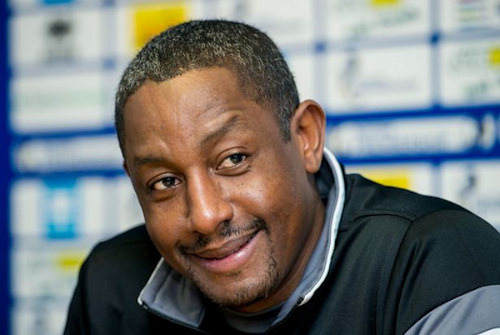
(Copyright Daily Record.)
Having dedicated much of my life to football, both on and off the field, I believe Trinidad and Tobago football has arrived at a moment that demands honest reflection, meaningful accountability and a renewed commitment to the future of the game.
For some time now, I have wrestled internally with whether to contribute publicly to the ongoing conversations surrounding football in Trinidad and Tobago.
Like many who deeply love this game, I have watched the discussions become increasingly emotional, divisive and, at times, exhausting. Yet beneath the frustration, criticism and disappointment that many of us feel, there remains something far more important: a shared love for football and a shared hope that our game can rise again.
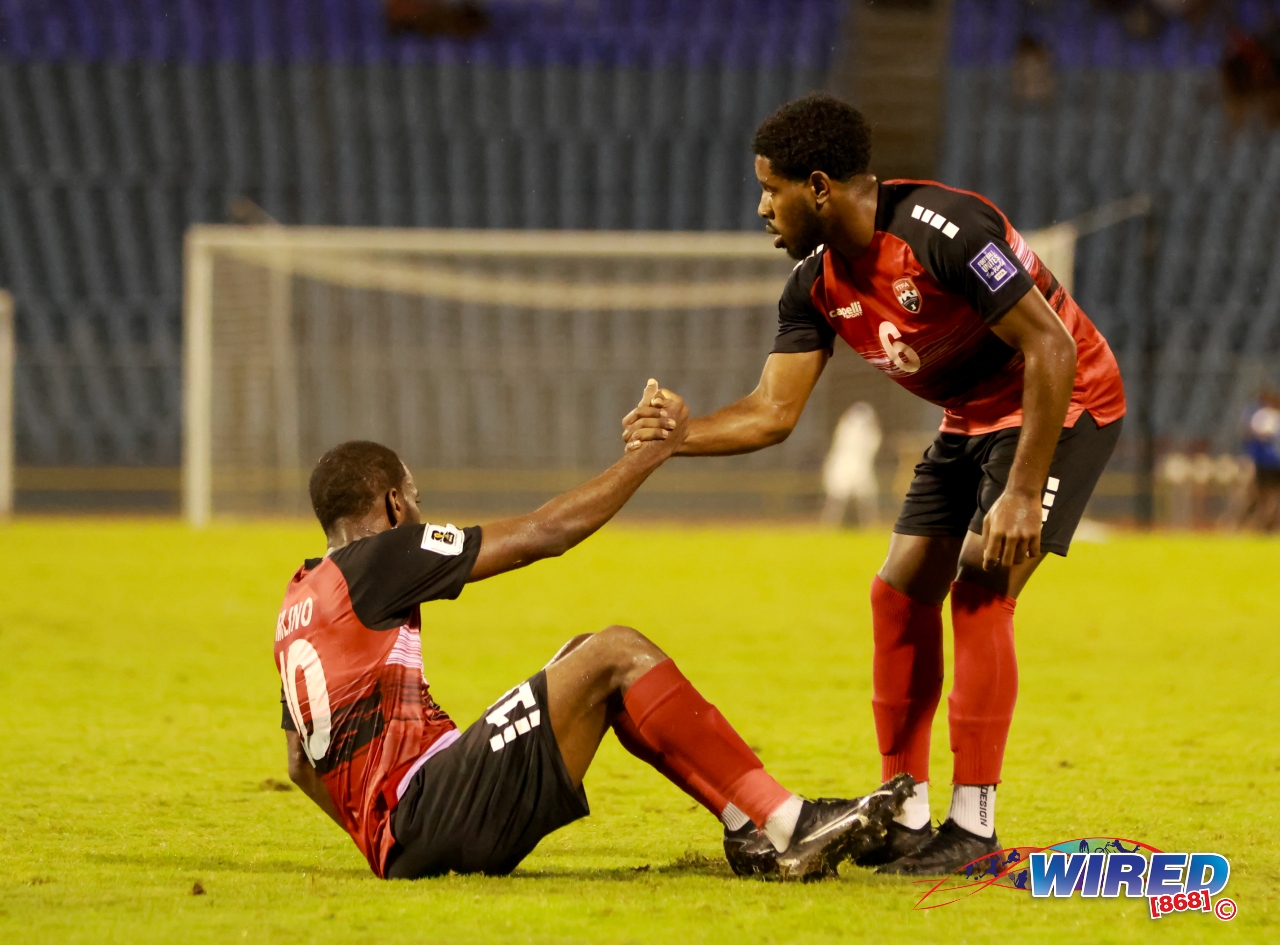
Photo: Nicholas Bhajan/ Wired868.
This contribution is written from a profound respect and love for the game that has shaped my life, opened doors beyond my imagination and played a defining role in many of the opportunities, experiences and successes I have been fortunate to achieve.
Football has shaped my life for more than four decades: first as a young player with dreams, then as a professional, a national representative, a captain and later as a coach working at national, regional and international levels.
The game has given me some of the proudest moments of my life, lifelong friendships, invaluable lessons and memories that remain with me long after the final whistle. Equally fulfilling has been the opportunity to pass on those experiences through coaching and witness the growth and success of players I have had the privilege to work with.
Because of that, and with deep respect for the generations who came before us and laid the foundation for football in Trinidad and Tobago, I believe we have a collective responsibility to speak honestly about the current state of our game—not to diminish its legacy, but to preserve it through meaningful reflection, accountability and a genuine commitment to finding solutions that serve future generations.
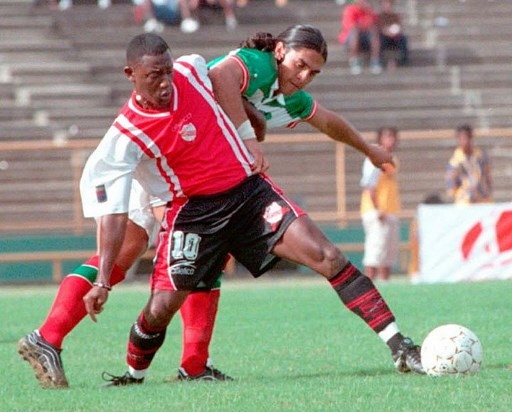
Latapy scored the only goal of the contest as Trinidad and Tobago won 1-0.
Copyright: AFP Photo/ Robert Taylor.
At the heart of my concern are two critical areas that I believe continue to affect the progress of football in Trinidad and Tobago, leadership and administration of the game, and the development and support systems surrounding our football stakeholders. These are not easy conversations, but they are necessary ones.
Football administration is one of the most demanding responsibilities within the sport. The role extends far beyond organizing fixtures or managing day-to-day operations.
Administrators shape culture, establish standards, create opportunities and ultimately determine whether an environment inspires progress or accepts mediocrity.
Strong football leadership requires vision, competence, accountability, emotional intelligence and the humility to place the game above personal interest.
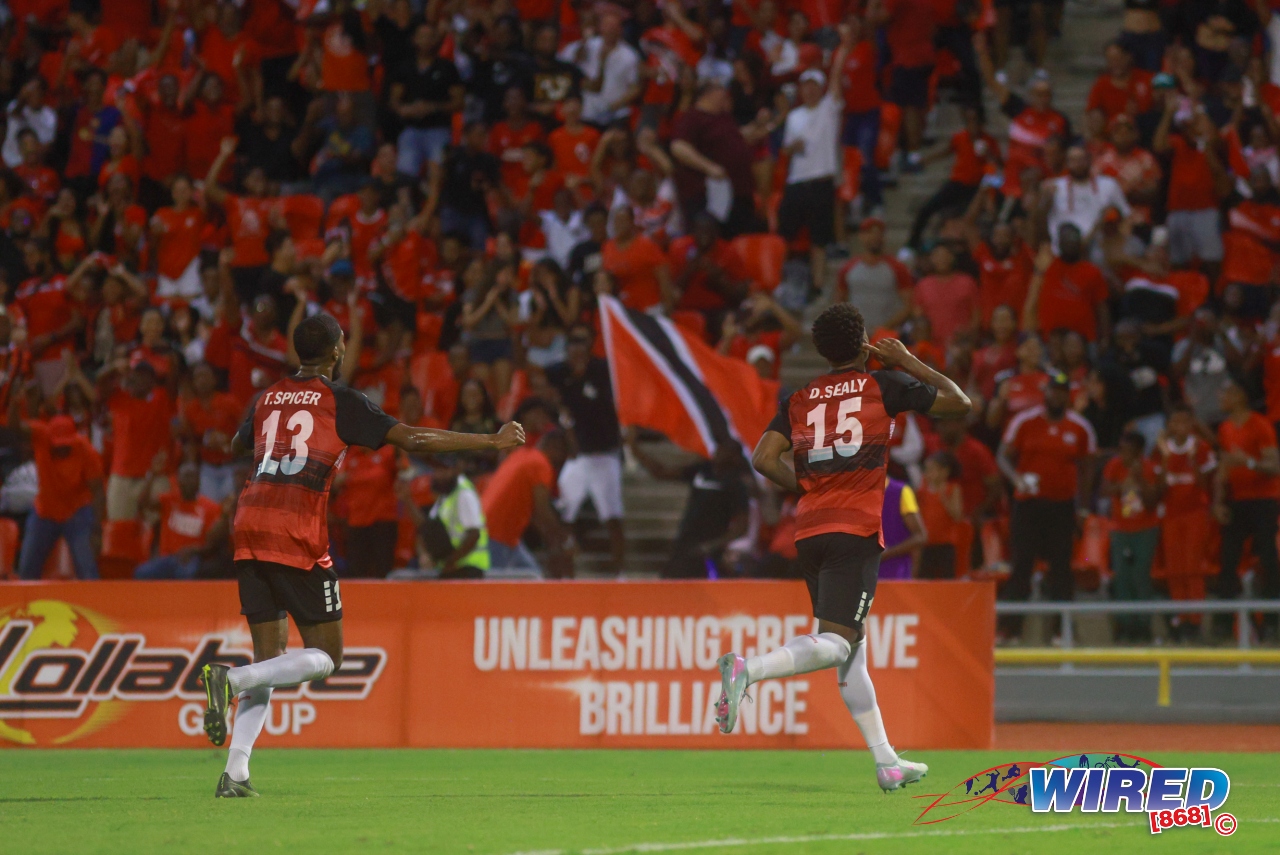
Photo: Nicholas Bhajan/ Wired868.
It also requires consistency, particularly when decisions affect players, coaches, clubs, schools and the wider football community.
A fellow coach and longtime friend once made a point that stayed with me. He said that ‘coaches are constantly evaluated through results. Fairly or unfairly, wins and losses often determine how long a coach remains in a position.’
He then asked a very important question: “what is the equivalent system of accountability for football administrators?”
That question has never left me.
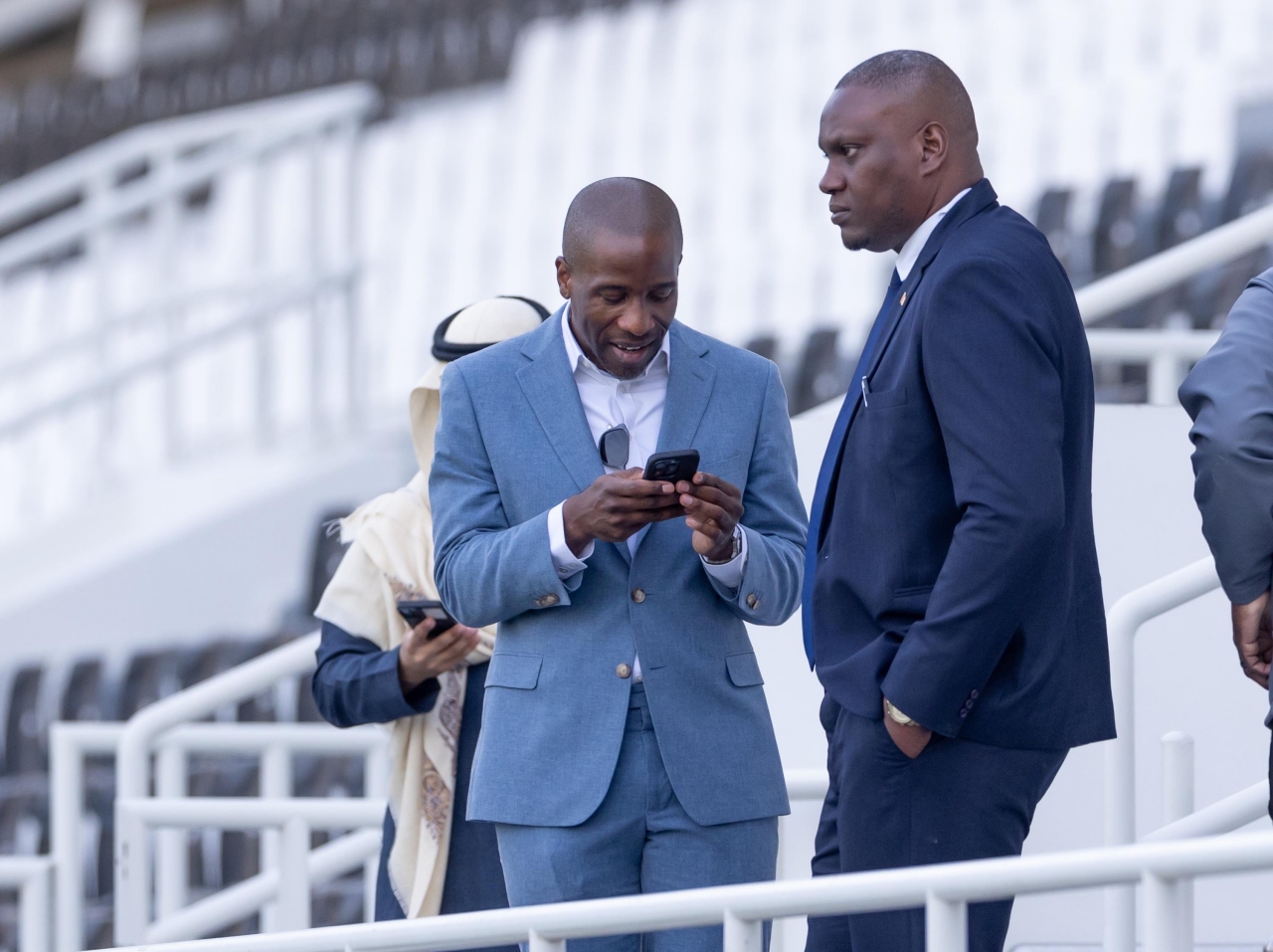
(via TTFA Media.)
If we expect players and coaches to meet standards, improve performances and accept scrutiny, then the same culture of accountability must exist across every level of the football structure.
Sustainable football development cannot happen unless standards are applied consistently throughout the entire ecosystem.
While leadership matters greatly, football ultimately lives on the field within players, coaches, clubs, schools, referees and the systems designed to develop them. This is where my deepest concern lies.
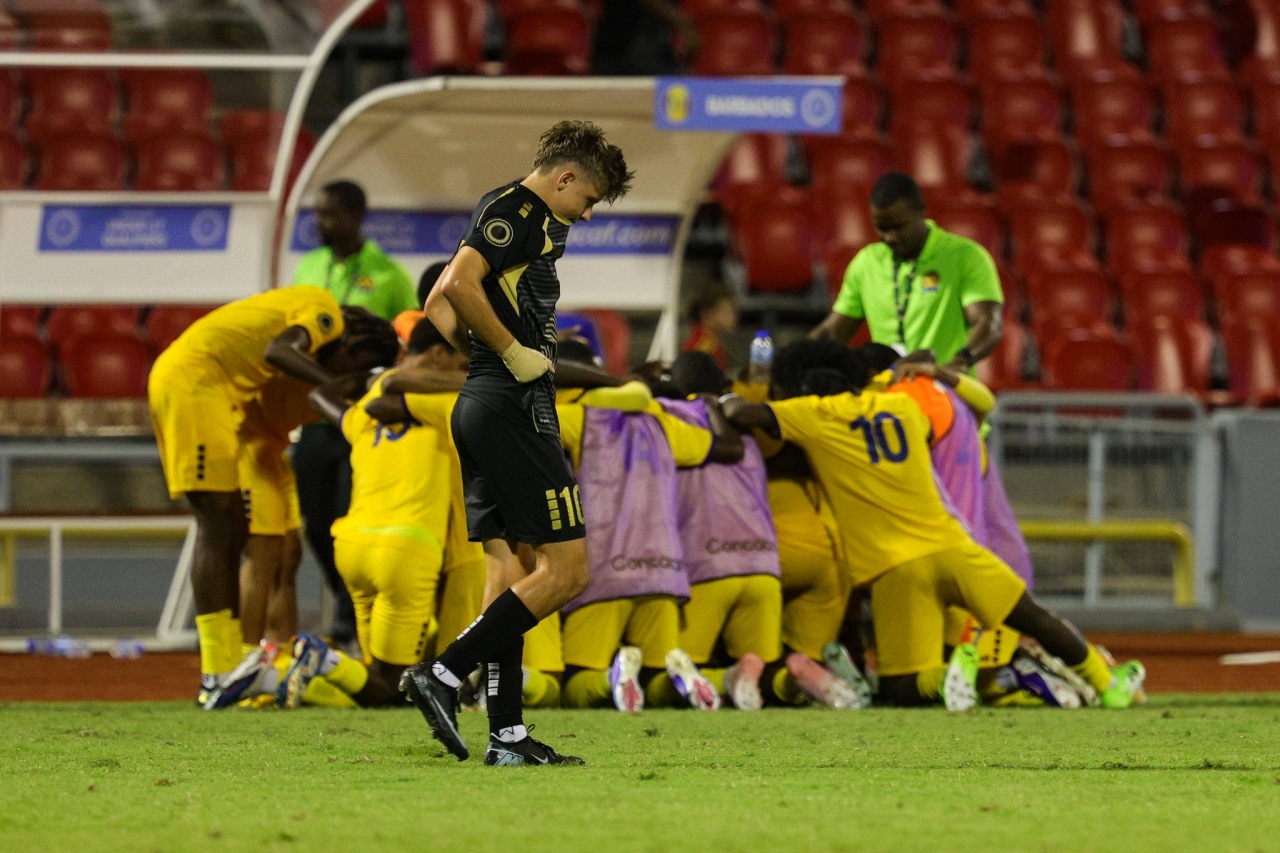
(via TTFA Media.)
Over the years, I have watched other nations evolve rapidly through investment in development structures, sports science, data analysis, coaching education and long-term planning.
Meanwhile, too often, our football has remained dependent on moments of individual brilliance, passion and resilience rather than sustainable systems.
Historically, Trinidad and Tobago has always possessed talent. Nobody can deny that. We have produced gifted footballers capable of competing regionally and internationally.
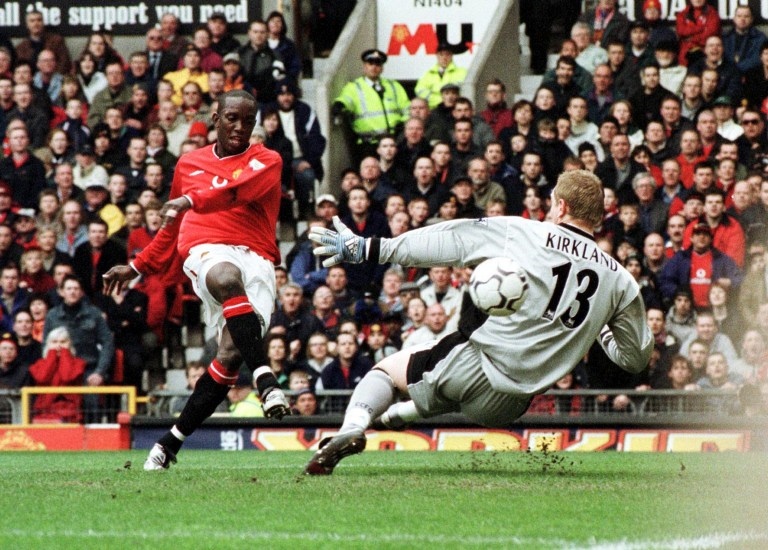
Manchester United won 4-2.
(Copyright AFP 2015/ Robin Barker.)
But talent alone is no longer enough in modern football. The global game has evolved.
Today’s football requires structured pathways, technical development, tactical education, proper athlete management, psychological support and consistent competitive environments. It requires collaboration between schools, clubs, federations, coaches and communities.
For too long, many of our successes have come in spite of our systems rather than because of them. That reality is painful to admit, but necessary to confront.

The Soca Warriors were more than an hour late–and barely had time to warm-up–for a crucial home contest against Curacao on 5 September 2025, due to an issue with the bus.
The game finished goalless.
Photo: Nicholas Bhajan/ Wired868.
One area that naturally enters this discussion is the Secondary Schools Football League (SSFL), an institution that remains deeply important to our football culture and identity.
Like many others, I cherish what schools football gave to me as a young player. The SSFL carries history, pride, rivalry, community spirit and memories that stay with people forever.
It remains one of the great emotional pillars of Trinidad and Tobago football.
But love for something should never prevent honest evaluation.
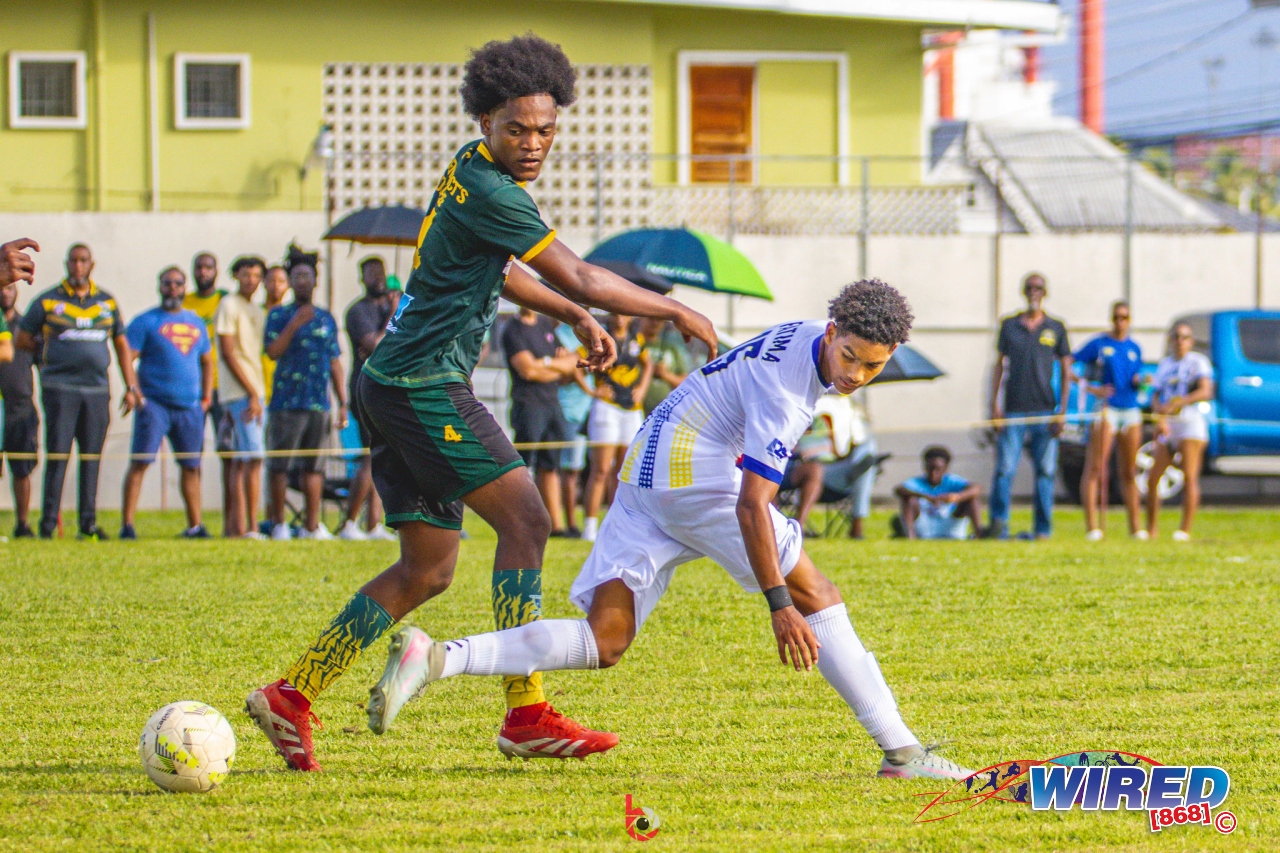
Photo: Dirk Allahar/ bCreative/ Wired868.
As football continues to evolve globally, we must ask ourselves difficult but important questions.
Are our development pathways still fully aligned with the demands of the modern game? Are we adequately supporting players during their transition from youth football into professional or elite environments?
Are we creating enough opportunities for players to develop technically and tactically at the appropriate stages of growth?
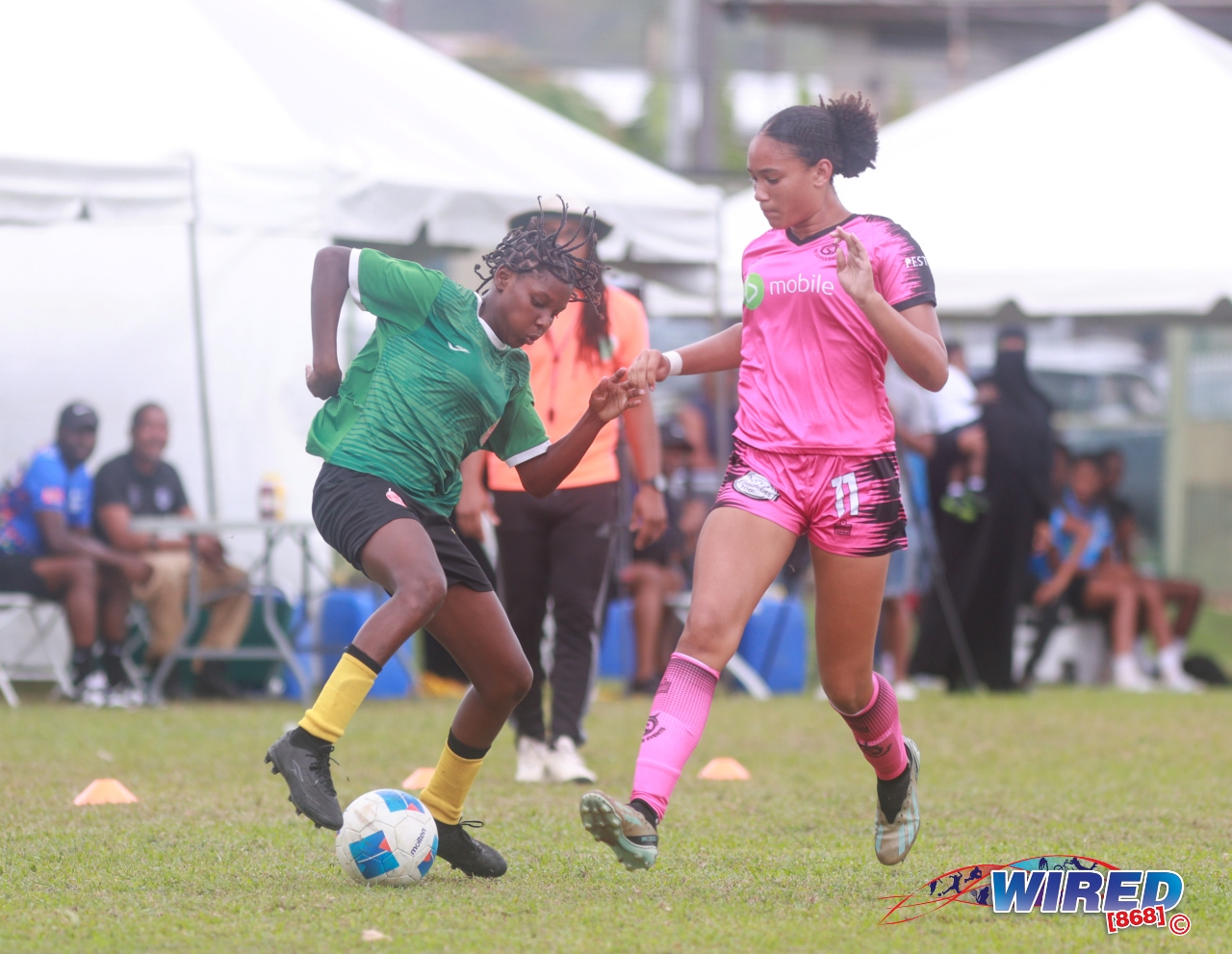
Photo: Nicholas Bhajan/ Wired868.
These conversations should never become emotional battles. They should be collaborative discussions rooted in the desire to improve outcomes for young footballers. The objective should never be to diminish school football, but rather to strengthen the overall pathway surrounding it.
Before closing, I also believe it is important to address one matter that entered the public domain regarding my most recent tenure as assistant coach of the Senior Men’s National Team.
A public statement was made suggesting that no preparation camps had been requested for the team. Having been personally involved in the initial conversations, I know that requests for camps were in fact discussed.
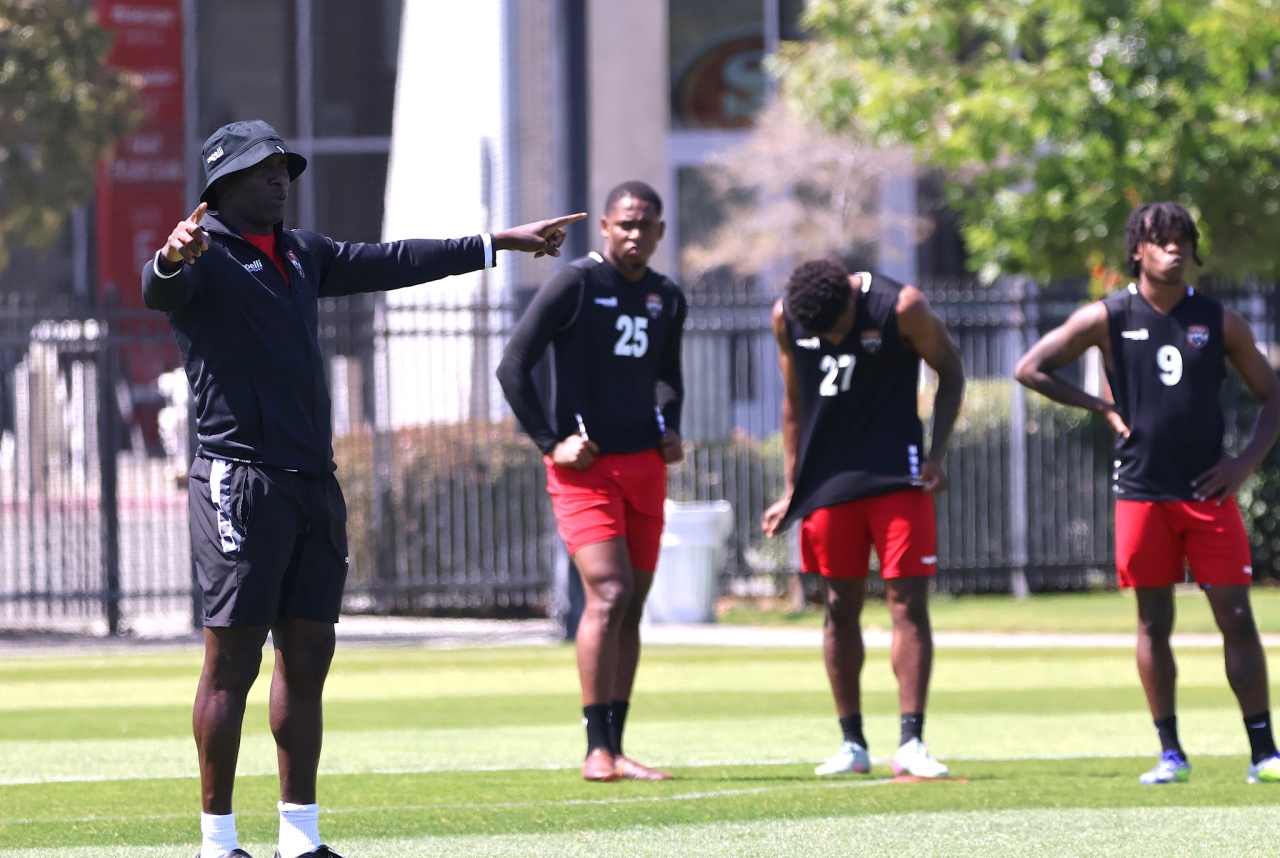
Photo: TTFA Media.
Within modern football, preparation camps are not optional considerations or added luxuries—they are essential components of building a competitive national team. They provide critical opportunities for tactical preparation, player assessment, team cohesion and the establishment of a collective identity and playing philosophy.
In addition to camps, discussions also centred around creating structured opportunities for continued engagement with domestic-based players in Trinidad and Tobago, ensuring that a wider national player pool remained actively monitored, developed and connected to the programme.
These recommendations were made because the technical staff understood the importance of continuity, preparation and player development. I raise this point not to deepen division, but because honesty matters if trust is ever to be rebuilt within our football community.
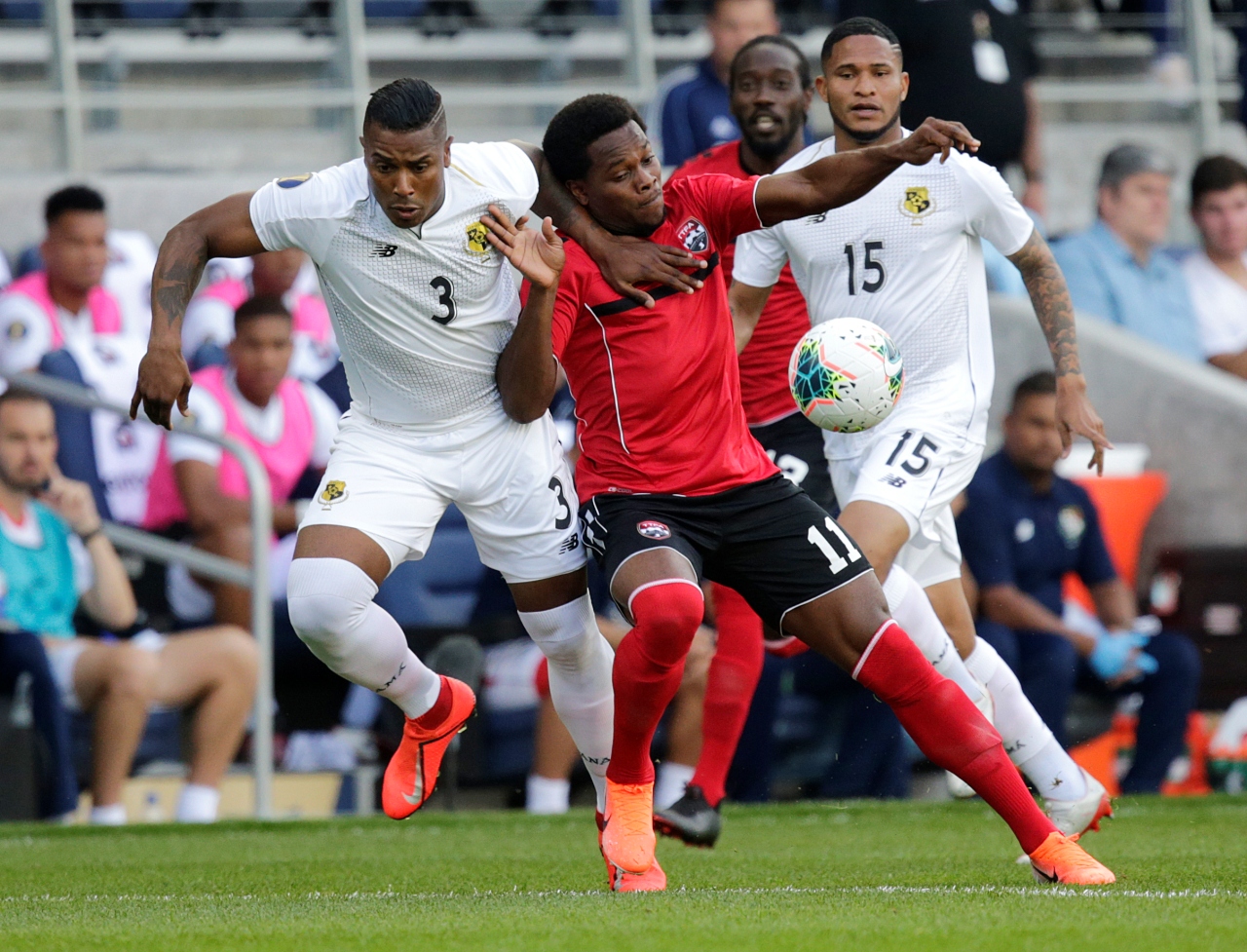
(Copyright AP Photo/ Andy Clayton-King.)
Despite everything, I remain hopeful. I still believe Trinidad and Tobago football can rise again. I still believe there is enough talent, enough passion, enough experience and enough love for this game to build something meaningful for future generations.
But doing so will require honesty, unity, courage, accountability and long-term thinking.
Most importantly, it will require all of us: administrators, coaches, former players, clubs, schools, supporters, sponsors, media and communities, to remember that football in this country belongs to the people.
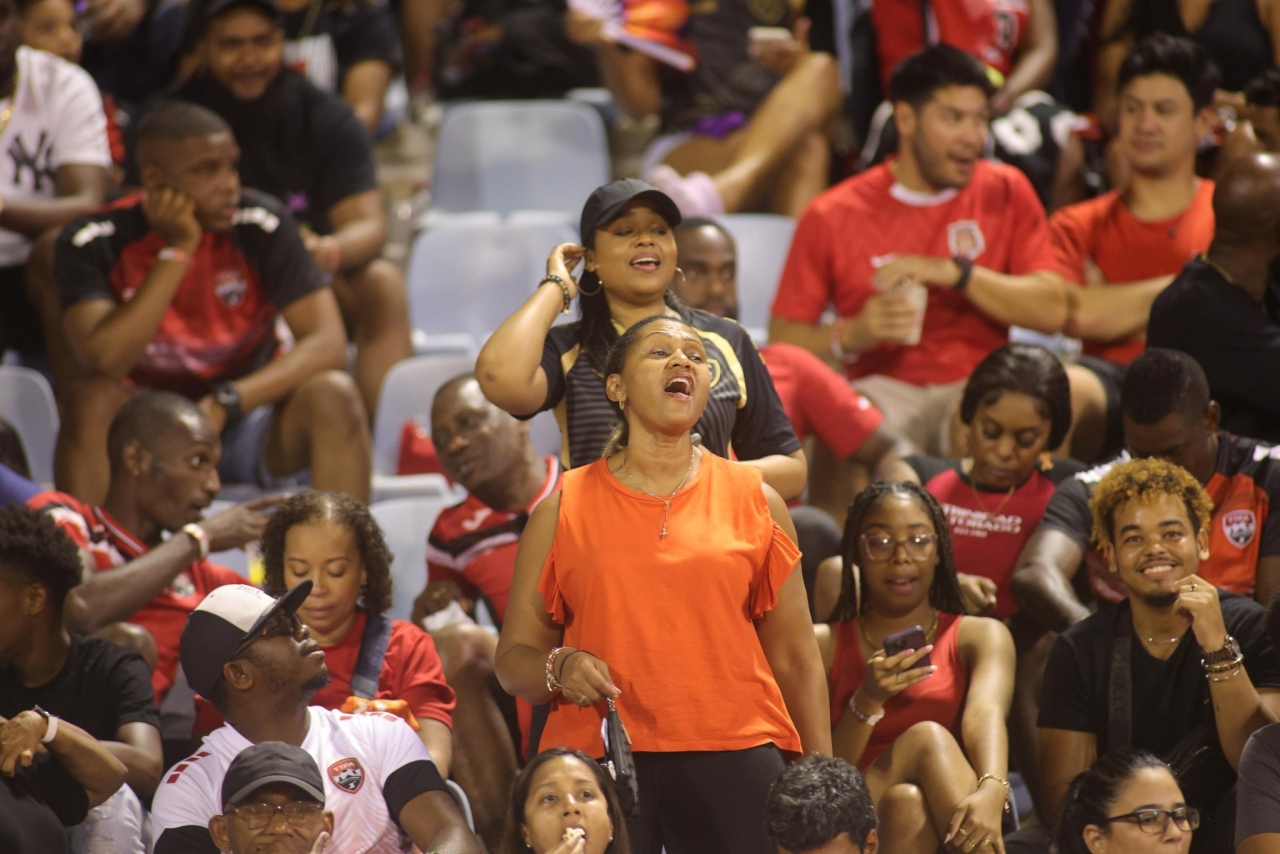
(via TTFA Media.)
Not to individuals.
Not to factions.
Not to politics.
To the people.
And for that reason alone, it is still worth fighting for.

The Trinidad and Tobago Men’s National Senior Team suffered a humbling defeat in Louisville, Kentucky tonight, as the Soca Warriors Read more

Trinidad and Tobago Men’s National Senior Team head coach Derek King is targeting a Concacaf Nations League A quarterfinal berth, Read more

St Benedict’s College assistant coach Lindsay Rondon received the dubious distinction of becoming the first football coach to be suspended Read more

Trinidad and Tobago were partnered with Costa Rica, Curaçao, Haiti, Nicaragua and the Dominican Republic tonight in Group A, as Read more

Trinidad and Tobago Men’s National Senior Team head coach Derek King named seven uncapped players in his squad to face Read more

Trinidad and Tobago return to international football competition on 16 August 2026 in the CFU Boys U14 Challenge Series, which Read more

Want to share your thoughts with Wired868? Email us at editor@wired868.com.
Please keep your letter between 300 to 600 words and be sure to read it over first for typos and punctuation.
We don’t publish anonymously unless there is a good reason, such as an obvious threat of harassment or job loss.

If Trinidad relegated to League B in the Concacaf Nations League 2026-27 & the TTFA president Kieron Edwards failed miserably to find a top experienced european coach Michael Carrick & retaining Derek King as full-time head coach, I’ll show no interest in Trinidad football anymore unless they find a European coach before the world cup 2030!!
We also have to be passionate about the sport and play with pride when competing for our country , preparation camps should be mandatory,it’s a big part of our development
Yes indeed Latas. You have summed up what so many of us have been saying for so long.
The truth be told, many of us have tried to get some kind of a developmental, structured programme but there exists now a “NEW TTFA” receiving support from FIFA and others bit not prepared to account for the low standards we are at and seem to have adopted.
I often go back to our U14 team of 1981 when we discovered you, Dwight, Shaka, Elcock among others.
That has been abolished and despite lobby, nothing is seen. Yes we have the commitment and aspiration.
Blessings, my dear son!!!!!
He never mentioned about the quality of Coaches.And that is one of our main problems.