 Wired868 Wired868 for smart sport news and opinion
The school holidays have arrived. Children wake later. Shoes disappear under beds. Lunch kits are forgotten for a while. Grandparents become emergency babysitters. Cousins appear from nowhere.
The house fills with noise, arguments, laughter, crumbs, wet towels and small human beings who suddenly seem to be hungry every 20 minutes.
The long vacation is one of childhood’s great gifts, but it also changes the pattern of risk.
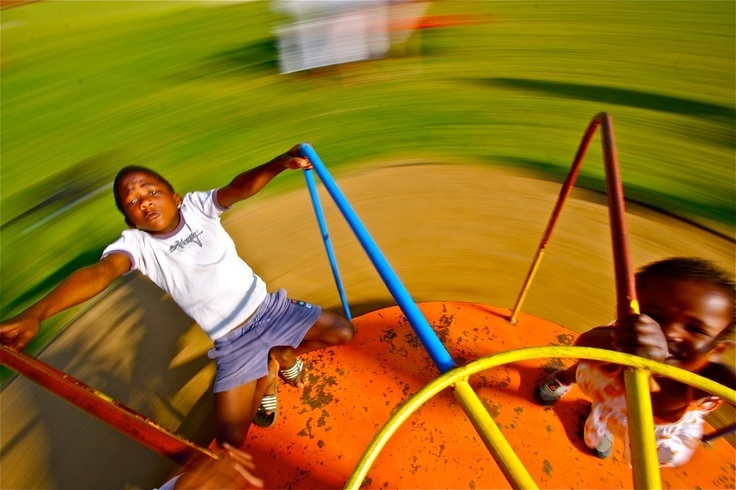
During school time, children spend much of the day inside a structured environment, watched by teachers, governed by bells, routines and rules. Once school closes, the protective fence of the timetable falls away.
Children move between homes, beaches, rivers, pools, malls, camps, playgrounds, backyards and car seats. Supervision becomes shared, improvised and sometimes assumed.
That is where danger often enters: not through neglect, but through the small gap between “I thought you were watching him” and “I only turned away for a minute.”
Every doctor knows the sentence. A minute is enough.
Enough for a toddler to reach a bucket of water. Enough for a child to slip into a pool. Enough for a teenager to dive into a river whose depth he misjudged. Enough for a pot handle to be pulled from a stove, a tablet to be swallowed, a gate to be opened, a car to reverse.
Water is the first concern. We swim, lime by rivers, bathe at beaches, visit pools and take children to houses where water may be part of the celebration. Yet water has no respect for confidence, age, swimming lessons or family gatherings.
A drowning child may not splash dramatically or shout for help. Often there is only disappearance.
The safest adult near water is not the one chatting from a distance. It is the one assigned to watch—phone away, eyes open, close enough to act.
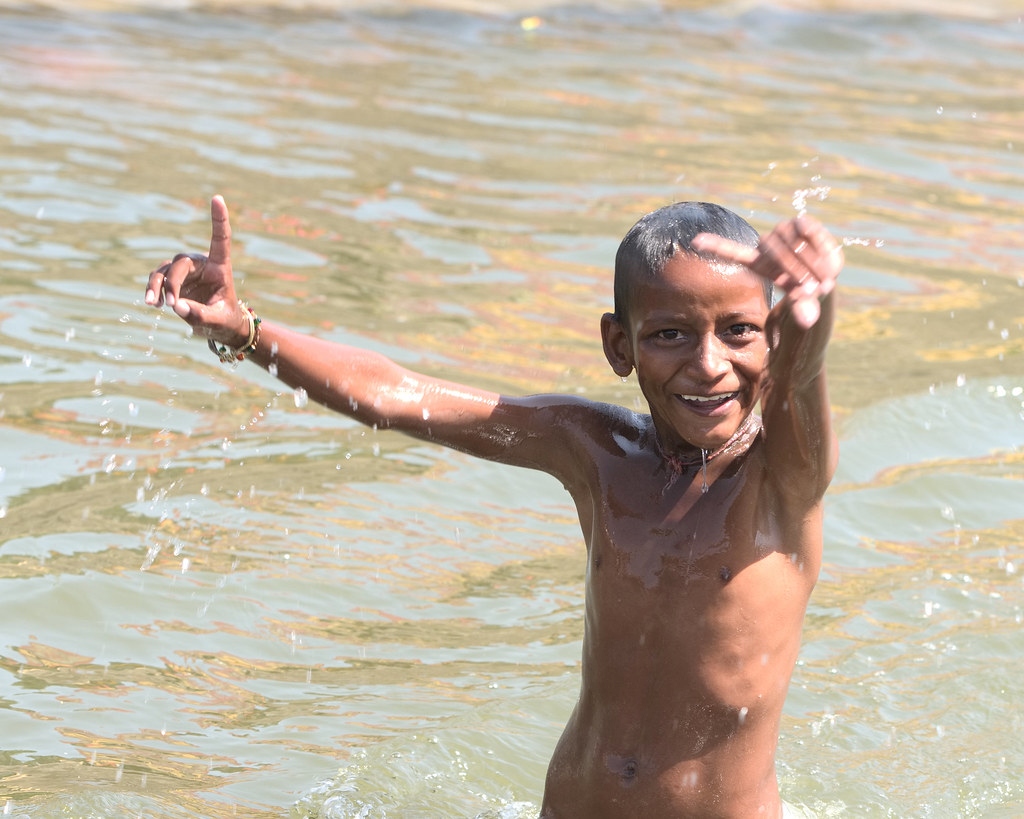
(via Flickr.)
Swimming lessons are valuable, but they are not a substitute for supervision. Arm floats and inflatable toys create a dangerous illusion of safety. Proper life jackets matter in boats and around open water. Buckets, barrels, ponds and drains deserve the same seriousness as pools when toddlers are around.
At family gatherings, appoint a water watcher. Say it clearly: “You are watching the children for the next 20 minutes.” Then change shifts. Vague supervision is no supervision at all.
Heat is the second holiday thief. Children run until their faces shine, then insist they are fine. They are not always good judges of thirst or exhaustion.
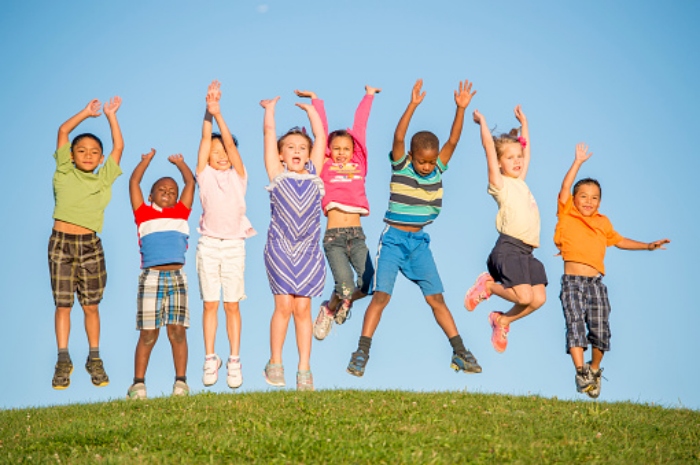
(via iStockphoto.)
Babies and young children overheat faster than adults. Teenagers playing football in the midday sun may push themselves beyond sense. The rules are simple enough to remember. Give water before children ask. Plan outdoor play for cooler hours. Use shade, hats, loose clothing and sunscreen.
Rest is not weakness. Heat exhaustion can begin with dizziness, headache, nausea, muscle cramps, unusual tiredness or irritability. Heatstroke is an emergency, especially when confusion, fainting or very high body temperature appears.
No child should be left in a vehicle, not even briefly, not even with the window cracked, not even because the errand is “just inside”.
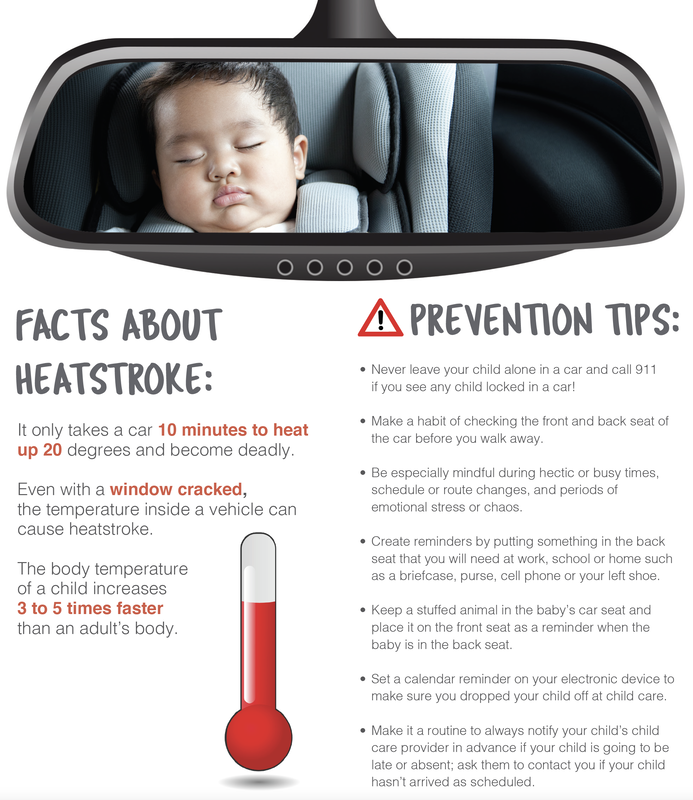
Cars heat rapidly. A sleeping baby in the back seat can be forgotten by an exhausted parent whose routine has changed. That is not a moral failure. It is a human risk.
Put a bag, shoe or phone in the back seat. Create a habit that forces you to look before you lock.
Road safety deserves the same seriousness. Holidays mean more movement: drop-offs, pickups, outings, sleepovers, errands, beach trips. Seatbelts are not optional. Car seats are not decorations. A child standing between the front seats is not cute—it is dangerous.
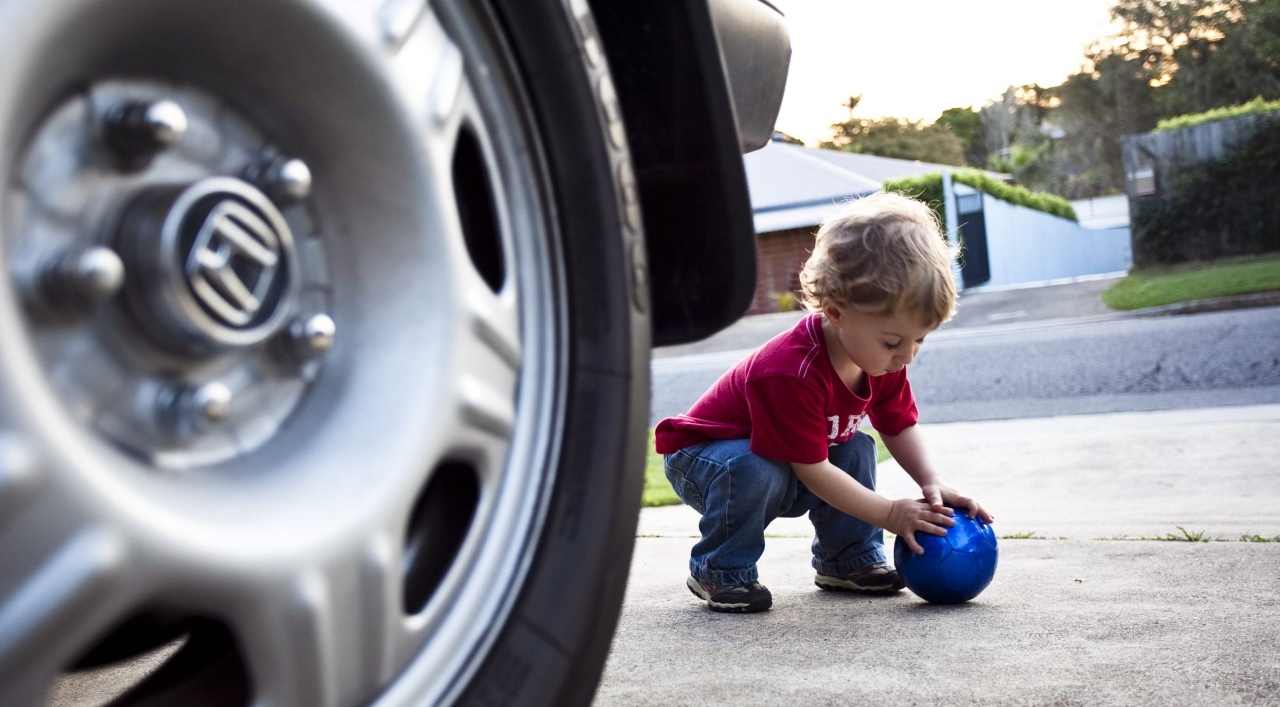
On bicycles, scooters and skates, helmets protect more than pride. Drivers reversing out of yards must know where every child is before the engine moves. Small children are short enough to vanish behind a vehicle.
Inside the home, hazards become sharper when children are present for longer hours. Medicines should not live in handbags on chairs or bedside tables. Grandparents’ tablets can look like sweets.
Cleaning fluids, kerosene, bleach and pesticides belong locked away, not under the sink where curious hands can reach them.
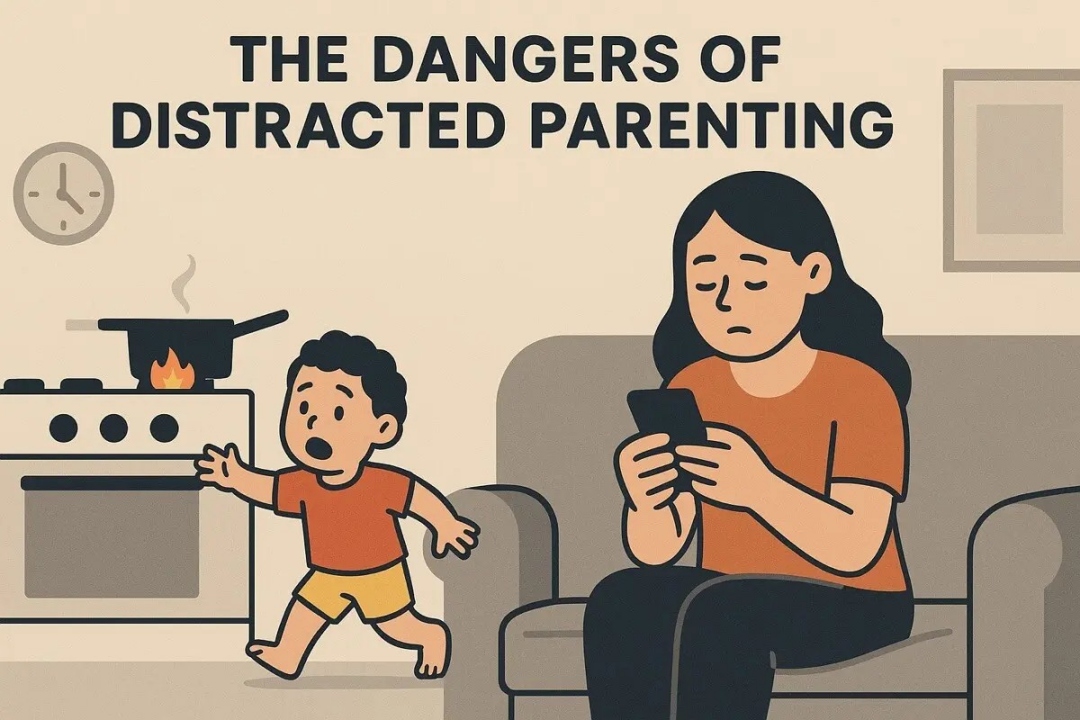
Kitchens are another battlefield. Turn pot handles inward. Keep hot drinks away from table edges. Do not carry a baby while holding boiling water.
Burns change childhood in a second and scar far longer than the holiday lasts. The same applies to matches, lighters, candles, mosquito coils, irons and electrical sockets.
Food safety ruins many holidays. Fried rice left too long on a table, chicken warmed and rewarmed, picnic food sitting in the heat, creamy dishes travelling from house to house, hands unwashed after play and before eating. Vomiting and diarrhoea in a child can move quickly from inconvenience to dehydration.
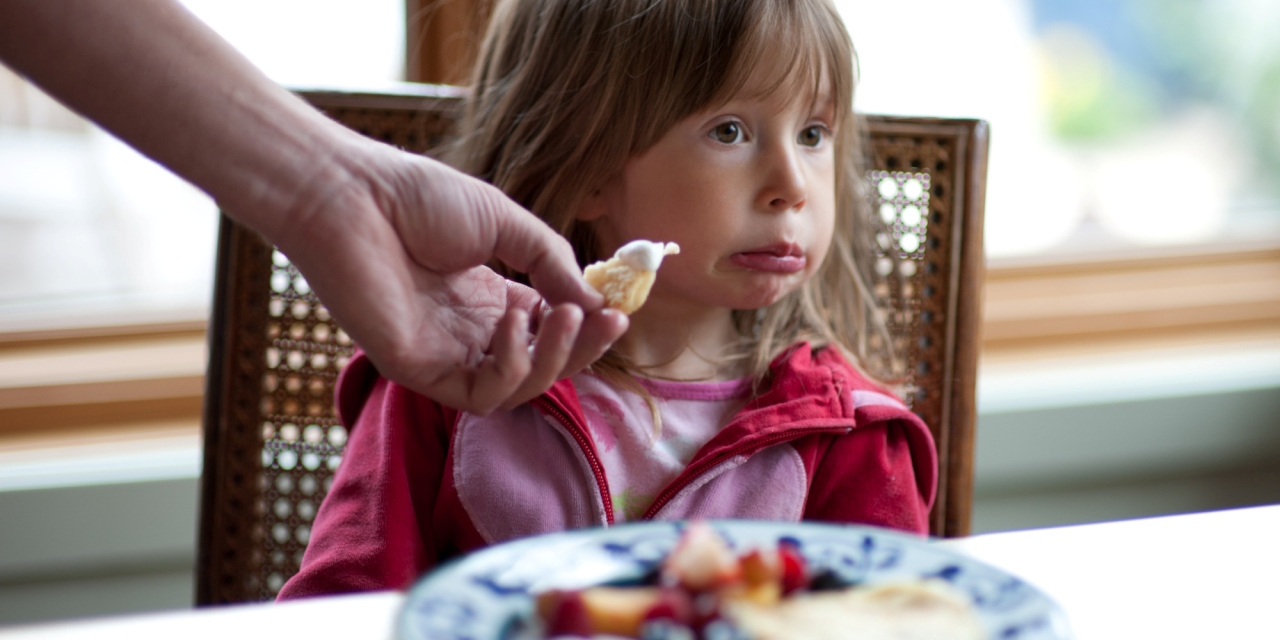
Keep hot food hot, cold food cold and suspicious food out of children’s mouths. When in doubt, throw it out. The hospital bill costs more than the pelau.
Not every danger is physical. The holiday also opens a door into the online world. More free time often means more screen time, more gaming, more messaging and more exposure to strangers who do not introduce themselves as threats.
Parents do not need to spy on children, but they must not abandon them digitally. Know the apps. Set limits. Keep devices out of bedrooms late at night.
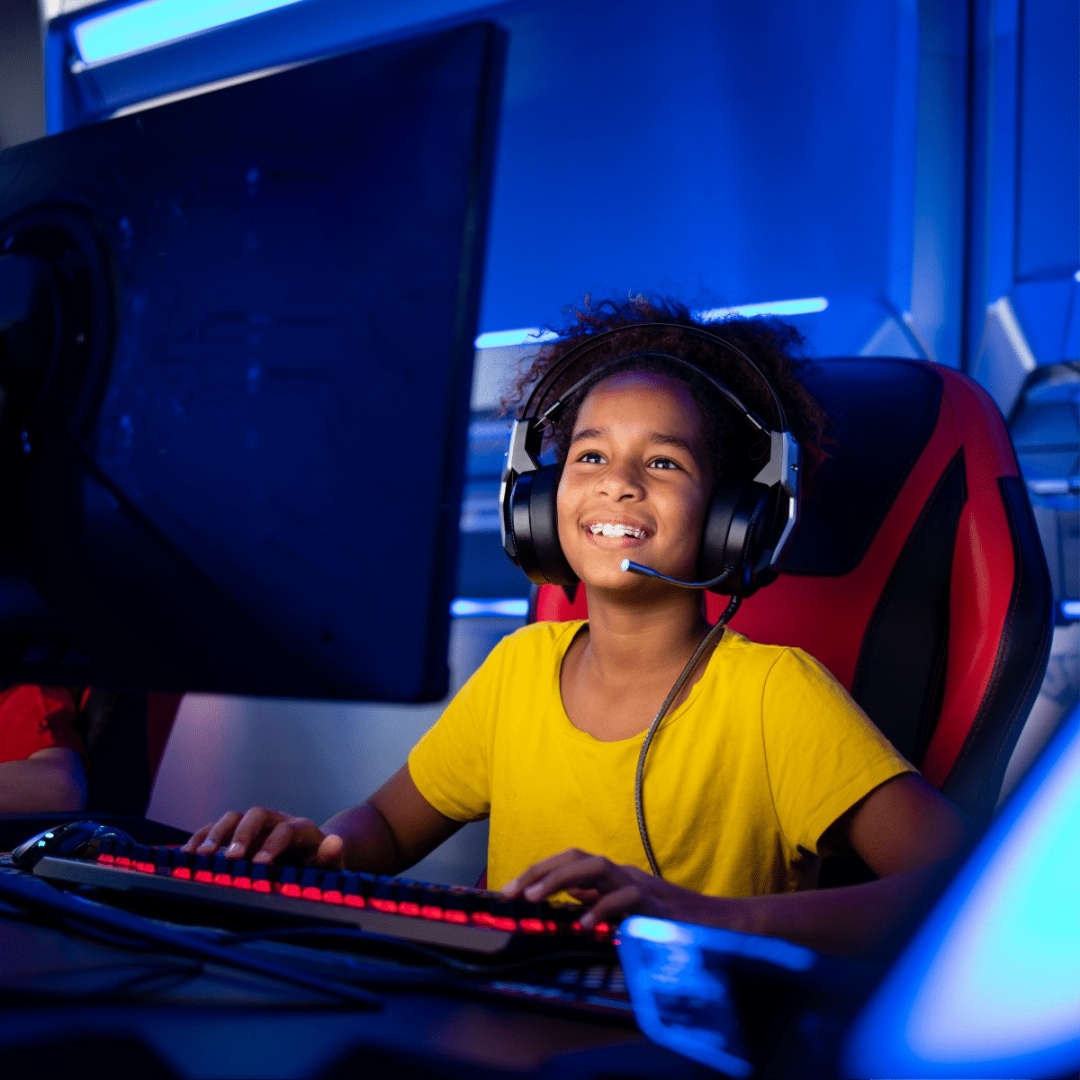
Teach children that secrets with adults online are warning signs. A child who can talk openly with a parent is safer than one who lives under silent surveillance.
Some children thrive with freedom. Others become anxious without structure. Young children may misbehave because they are tired, overstimulated or shuffled between too many houses. Teenagers may sleep late not because they are lazy, but because their body clocks are different and their minds are full.
A good holiday needs rhythm: sleep, meals, play, reading, chores, prayer, sport, boredom and conversation. Boredom is not abuse. It is where imagination grows.
(via Shutterstock.)
Before sending a child to a camp, house or outing, ask uncomfortable questions. Who will be present? How many children? Is there water nearby? Who drives?
Are there older teenagers or adults your child does not know? Is alcohol involved? How are children taken to the bathroom? What happens in an emergency?
Children need rules they can repeat. Do not go near water without an adult. Do not leave with anyone unless mummy, daddy or guardian says so. Do not take tablets, sweets or drinks from strangers. Do not keep secrets about touching.
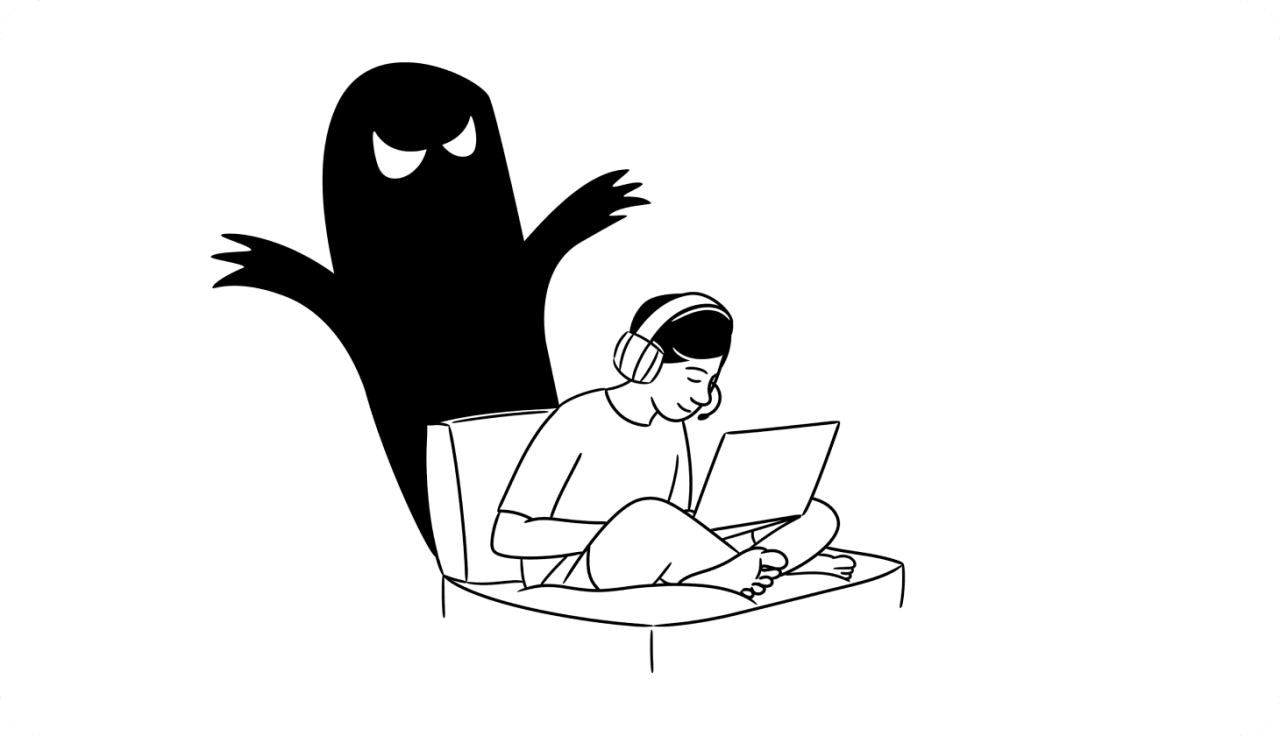
Do not cross the road without looking both ways. Do not hide if you are lost. Find a police officer, security guard, cashier, teacher or mother with children.
The aim is not to frighten them. It is to equip them.
Parents are tired. Grandparents are tired. Teachers are tired. Children, somehow, are never tired when we need them to be.
None of us will get everything right. Accidents can happen even in loving homes. Yet many tragedies are not random bolts from the sky. They are preventable moments that needed one barrier, one question, one locked cupboard, one adult paying attention.
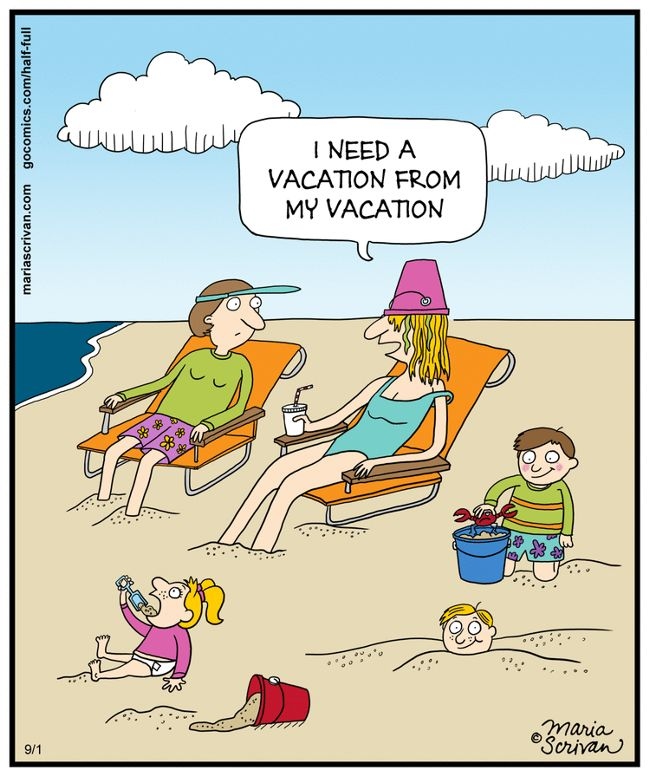
Let the children play, swim, run, laugh, climb, explore, read, build forts, ask for snacks and turn the house upside down. Just do not confuse freedom with the absence of care.
Childhood is precious because it is brief.
Safety is how we give children the chance to enjoy it.
|
Wired868 has provided readers with solid, independent journalism since 2012. If you appreciate our work, please contribute to our efforts. Support Independent Journalism |

Imagine her beside the hospital bed, handbag slipping off one shoulder, phone vibrating with messages from work. Her father is Read more

As always, October looks lovely. There are pink ribbons to look at in the bank while waiting in an awfully Read more
The prescription for healthy living was flawless, if I do say so myself. Grilled fish, fresh vegetables, fruits bursting with Read more
World Suicide Prevention Day is observed annually on 10 September. The international theme for 2024 to 2026 is “Changing the Read more
In the days before the new academic year begins, the quest for books, uniforms and shoes continues. Health is often Read more

This Independence Day, Trinidad and Tobago turns 64. If the country were one of my patients, this would be about Read more