 Wired868 Wired868 for smart sport news and opinion
In 1937 Trinidad and Tobago, life was not easy. Worker abuse, underpayment of workers, and overt racism were not uncommon. The economy was in decline, affected by the great depression globally. Living standards of the working class fell considerably.
Conditions were ripe for social unrest—and importantly, for change. There had been ongoing tensions between workers and employers in many sectors of society between 1934 and 1937.
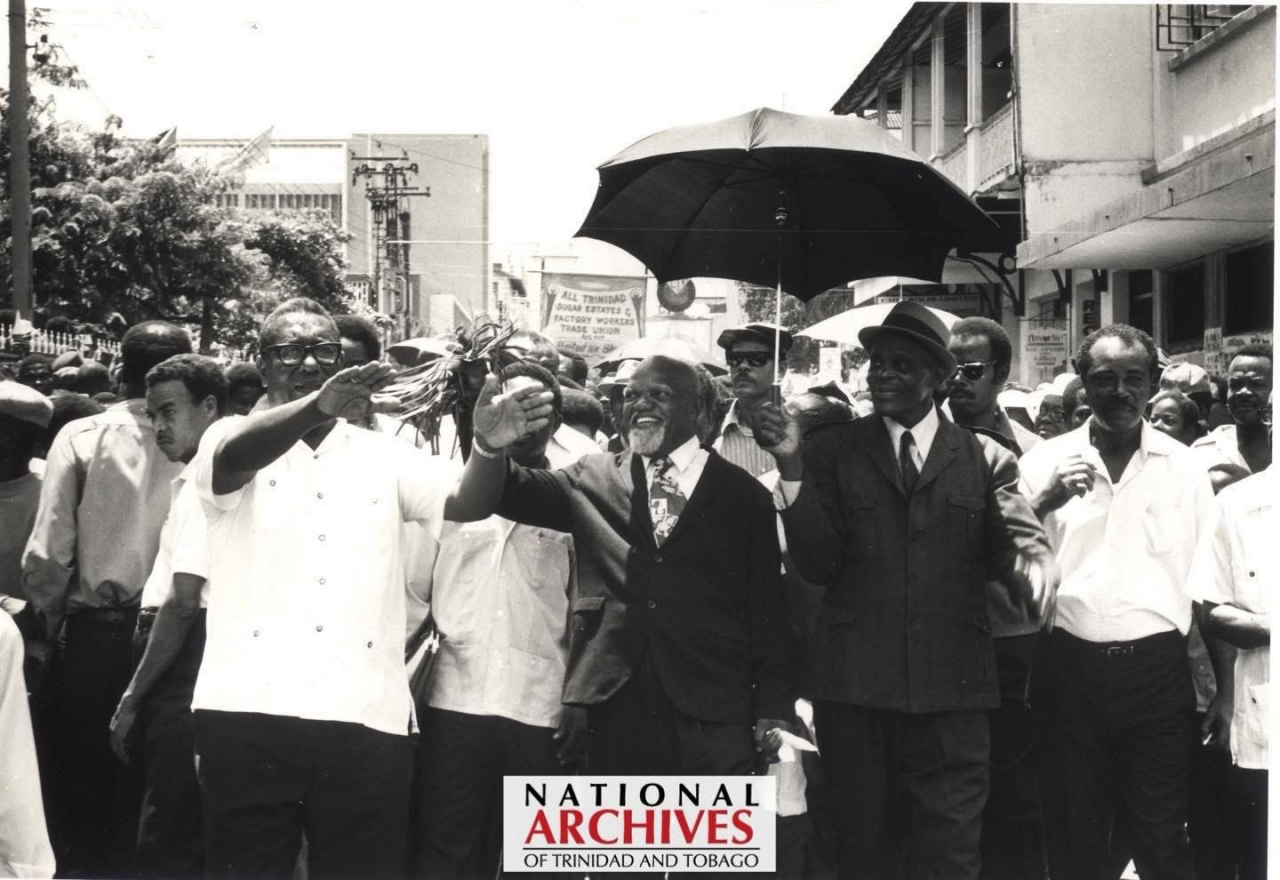
(via National Archives of Trinidad and Tobago.)
On 19 June 1937, police attempted to arrest labour leader Tubal Uriah Butler, a Grenadian immigrant oilfield worker. This set off the Butler Oilfield Riots.
These riots then triggered subsequent events that are important to our history.
Social unrest extended throughout the Caribbean and led the British Colonial government to commission the very influential Moyne Report. This gave birth to development planning and social development in the 1950s—and arguably, set the stage for the national development plans of the post-independence government in the 1960s and 1970s.

The labour movement also played a notable role in advocating for adult suffrage. In 1945, persons over 21 were granted the right to vote.
The labour movement championed the rights of the working class, shaped our journey to independence, and our post-independence years.
This history is important as it demonstrates the impact a strong labour movement can have on economics, politics, and social change for the working class.
But a movement must keep moving.
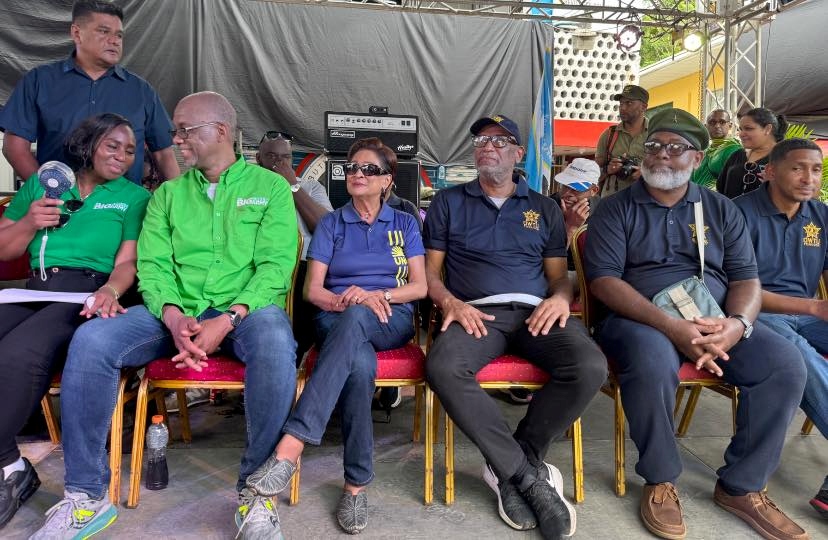
Photo: UNC.
In the 1970s and 1980s, unions represented up to 40% of workers. Now, according to the International Labour Organisation, only about 20% of workers are covered by a collective agreement.
The downward trend can in part be explained by structural adjustment, under the IMF, in the late-1980s and early-1990s—and the economic and labour market shifts that came with this.
Structural adjustment was associated with a decline in state production, a contraction in some industrial sectors, and a shift towards services and employment in the service sector. Employment in services increased from 57% to 71% between 1991 and 2025.

(via Trotters.)
This decline in trade union coverage is important. A smaller share of workers now benefit from collective bargaining power to negotiate higher wages and improved working conditions.
What is also important with this change is who is represented, and who is not.
Some of the largest and most vocal unions today include the Public Services Association (PSA), National Union of Government and Federate Workers (NUGFW), Oilfield Workers Trade Union (OWTU), Banking Insurance and General Workers Union (BIGWU) and the Trinidad and Tobago Unified Teachers Association (TTUTA).

(via TTUTA.)
These unions largely represent workers employed by the state or state-owned enterprises, and for the most part, workers who form the middle class.
So, who gives collective voice to the plight of the working class now? Where is the collective voice of the retail workers, salespeople and cashiers? The waitresses, waiters and cooks? Non-precepted security officers? The cleaners and domestic workers? The labourers, welders and mechanics?
Some of these workers are unionised depending on their place of employment, but the vast majority are not. Some, like domestic workers, are not even considered “workers” under the Industrial Relations Act.

(via iStockphoto.)
In the absence of this collective voice, an estimated 4,000 employers could decide that they did not wish to make their contributions to the National Insurance Board—a figure presented in 2022 by then-Minister Brian Manning. This issue reared its head during the Covid-19 pandemic and has since disappeared from public discourse.
In the absence of this collective voice, some of the lowest paid workers employed in public works programmes could be terminated with little to no recourse.
Concerns raised about the efficiency and conduct of these programmes are completely valid. Equally valid is that these workers deserve to be treated with some dignity.

(via iStockphoto.)
Since the closure of these programmes, there was the promise of the Employment Fund to help transition workers to better jobs in Budget 2026; but this too has fallen off the radar.
In the absence of this collective voice, the share of vulnerable workers has increased from 16% in 2005 to 21% in 2025, with insufficient public discourse on who these workers are, what they do, and most importantly, how can they transition out of this “vulnerable worker” classification.
As we reflect on the historical significance of the trade union movement this Labour Day, it is also important to reflect on this new reality. A reality of increasing labour precarity and vulnerable work among the working class, and for some, poor physical working conditions too.
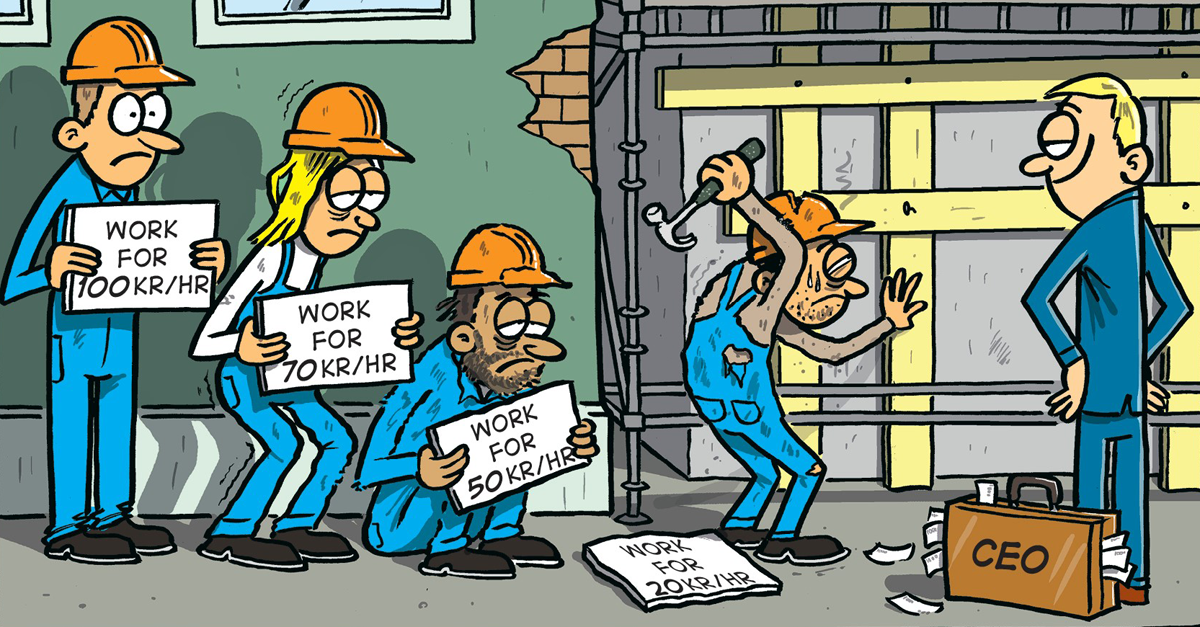
A movement born out of grassroots working class people, now fails to represent a large share of grassroots working class people.
These workers may not have a unionised collective voice or a champion to mount a political platform on their behalf—but as a society, we should never fail to see and hear them.
|
Wired868 has provided readers with solid, independent journalism since 2012. If you appreciate our work, please contribute to our efforts. Support Independent Journalism |

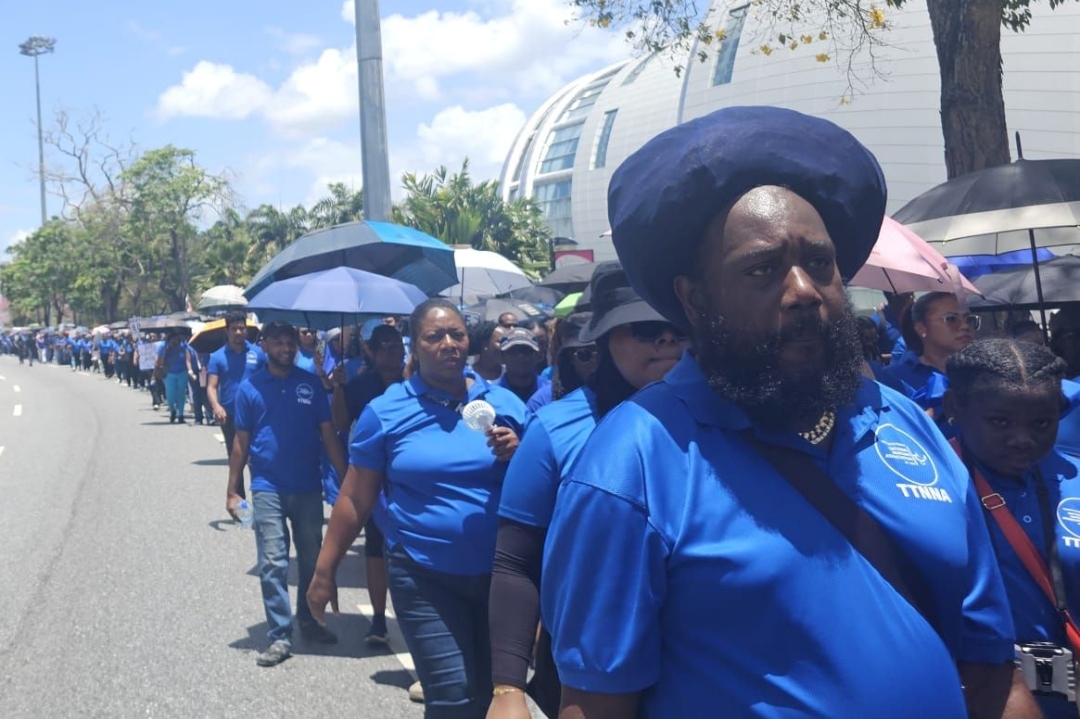
Thirteen years have passed since health care workers, Lake Asphalt employees and other workers last received a salary adjustment. In Read more
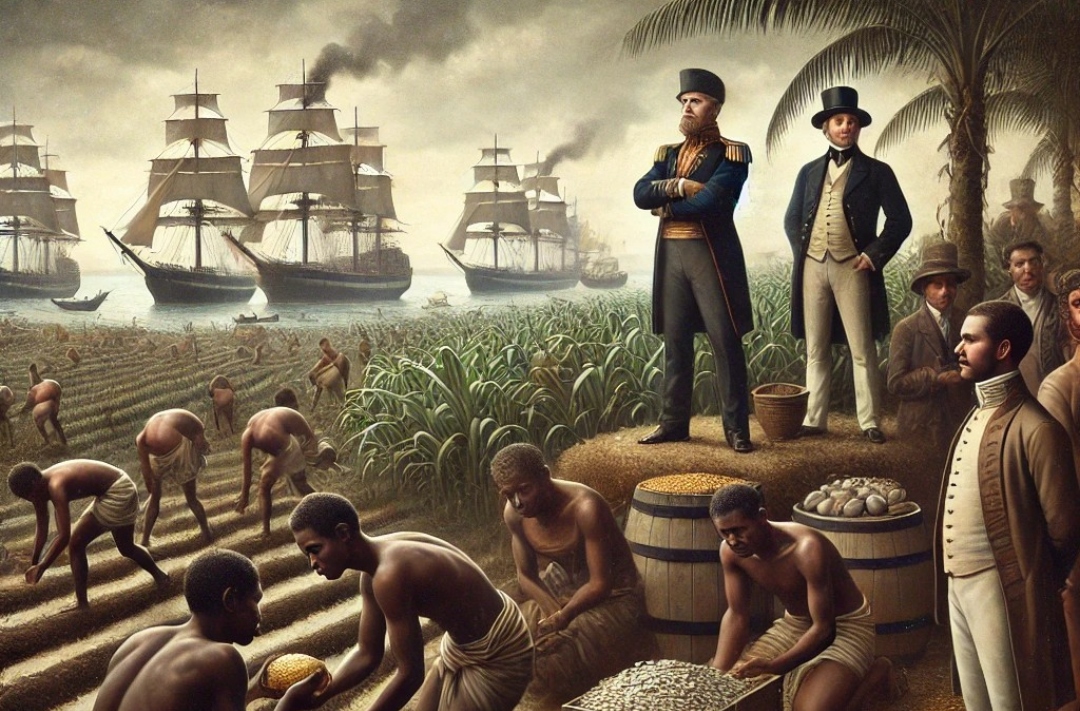
Having just celebrated 64 years of independence, discussions as to whether Trinidad and Tobago is better off since gaining independence Read more

Some years ago, I lived and worked in Sierra Leone. I arrived in the capital, Freetown, just ten years after Read more
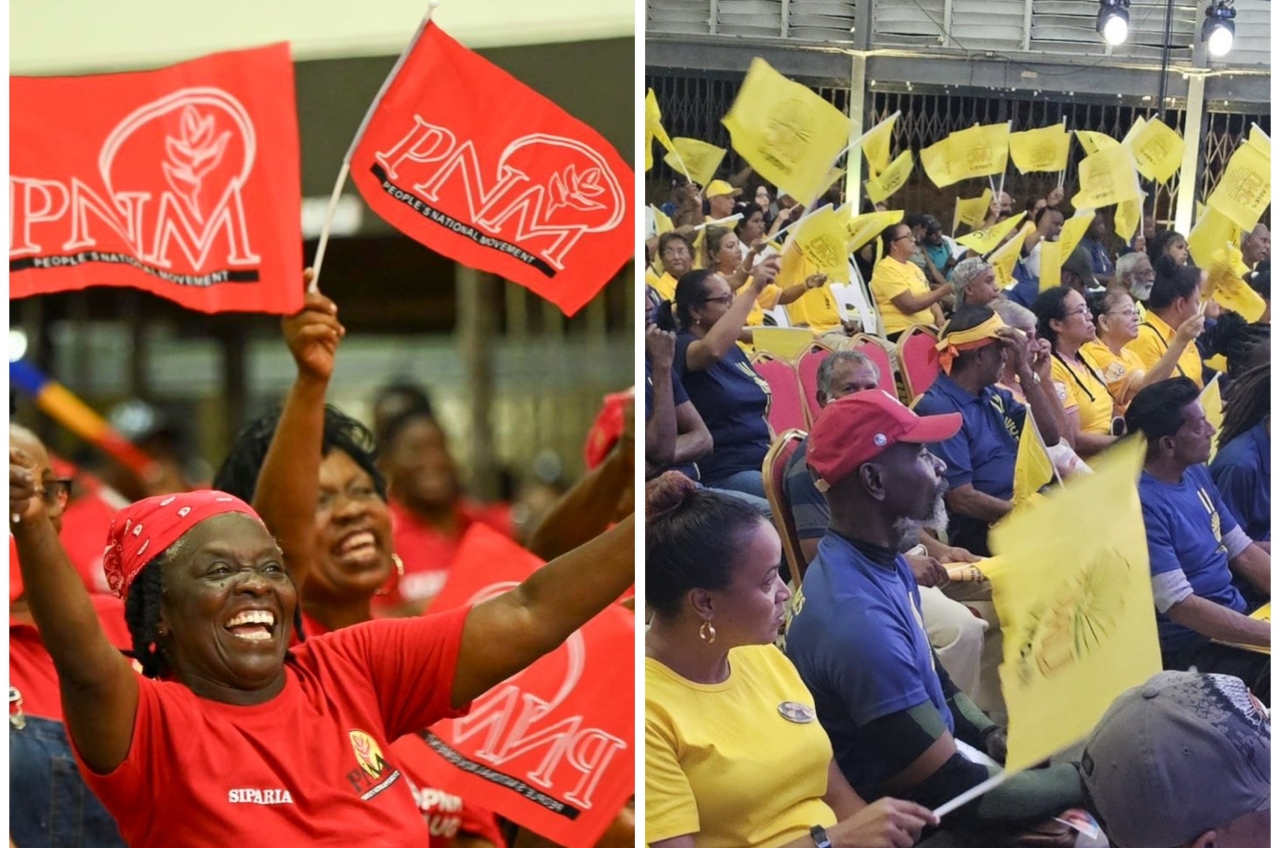
“[…] Neither African nor Indian communities benefit from this… In cases where division arises unintentionally, accountability must fall on leaders, Read more

A few years ago, Michal Teja captured hearts and titles with his hit song, DNA. At the time, I was Read more
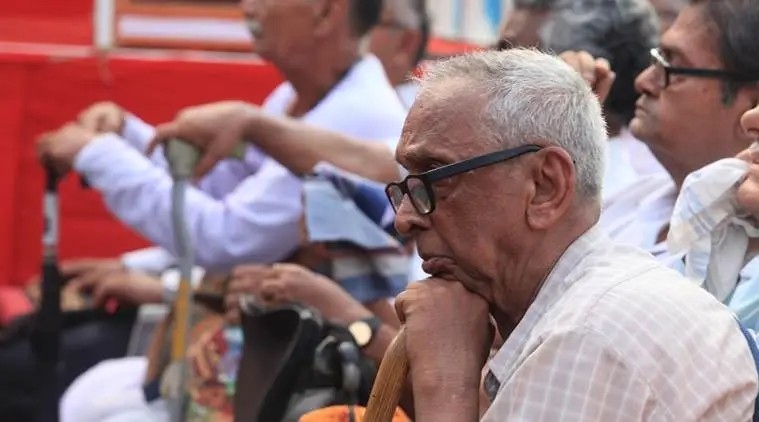
Three thousand dollars a month. That’s the minimum National Insurance pension a citizen receives after a lifetime of work. It’s Read more

Dr Jamelia Harris is an economist and Assistant Professor at the University of Warwick. She studies and has written on the labour market, public finance and development policy in Africa and the Caribbean. She is a double President’s Medal recipient and holds a PhD from the University of Oxford.