 Wired868 Wired868 for smart sport news and opinion
“[…] I remember July 27, 1990—the fear, the uncertainty, the families gathered around radios and television sets. The attempted coup was not only violence against the state. It was also the eruption of tensions that had been gathering for years—exclusion, hardship, frustration, alienation and a widening distance between citizens and institutions.
“[…] I am not saying history is repeating itself today for history rarely repeats neatly. But it does rhyme. Countries drift into crisis one compromise at a time, one warning ignored at a time, one excuse accepted at a time. Then, suddenly, people ask how they arrived at a place they should have seen coming…”
The following guest column on the murders of children in Trinidad and Tobago was submitted to Wired868 by controversial former minister of national security, MP and Fifa vice-president and Sunshine Today publisher Dr Jack Austin Warner:
There are moments in a nation’s life when its calypsonians stop entertaining and begin sounding like prophets.
Not prophets in the biblical sense, perhaps, but prophets in the civic sense – people able to see beneath the surface, catch the tremors before the house shakes, and warn a nation before governments discover concern.
For generations, calypso has been Trinidad and Tobago’s unofficial conscience. It has celebrated us, mocked us, corrected us and challenged us. Long before social media became a national quarrel, calypsonians stood in tents and sang truths many preferred not to hear.
These days, in semi-retirement, I return more often to those songs. Some bring laughter. Some bring memory. Others now bring discomfort. Age teaches you that faces, governments and slogans change, but the deeper weaknesses of a society often return wearing different clothes.
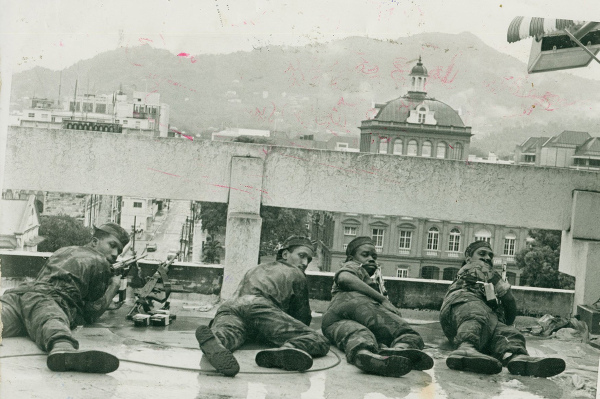
I remember July 27, 1990 the fear, the uncertainty, the families gathered around radios and television sets.
The attempted coup was not only violence against the state. It was also the eruption of tensions that had been gathering for years—exclusion, hardship, frustration, alienation and a widening distance between citizens and institutions.
I am not saying history is repeating itself today, for history rarely repeats neatly. But it does rhyme. Countries drift into crisis one compromise at a time, one warning ignored at a time, one excuse accepted at a time. Then, suddenly, people ask how they arrived at a place they should have seen coming.
That is why the old calypsos trouble me now.
Trinidad and Tobago today feel caught in a season of deep discontent. Crime has made fear a daily companion. Politics has become too loud and too small. The economy weighs heavily on households. Public confidence in institutions is thin.
People are tired of promises, temporary solutions, and press conferences that sound firm but leave life unchanged. Tired of living as though every problem is permanent and every answer is provisional.
The debate over the State of Emergency has sharpened that unease. Supporters say extraordinary crime demands extraordinary measures. Critics worry about civil liberties and whether emergency powers can solve the roots of criminality.
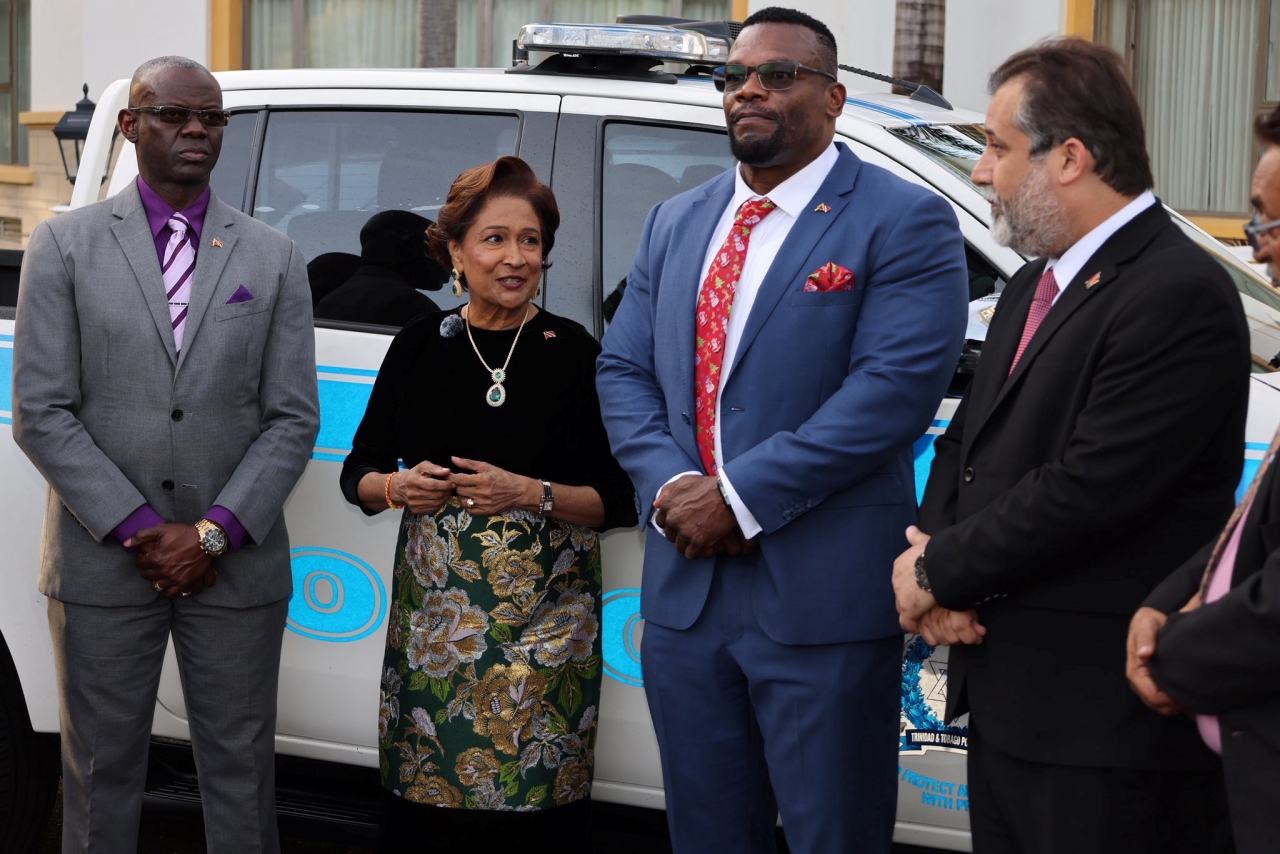
Photo: UNC.
Reasonable people can disagree. But no one should pretend that a State of Emergency is only law. It is also a psychological message that tells citizens normal governance is no longer enough.
A country may survive under emergency conditions. It cannot thrive under them indefinitely.
Then came the death of twelve-year-old Mercedez Layne, and the nation felt something break again. For a few terrible hours, strangers became a community of hope. Photographs were shared. Prayers were whispered. Families waited. Then came the news no parent wanted to hear.
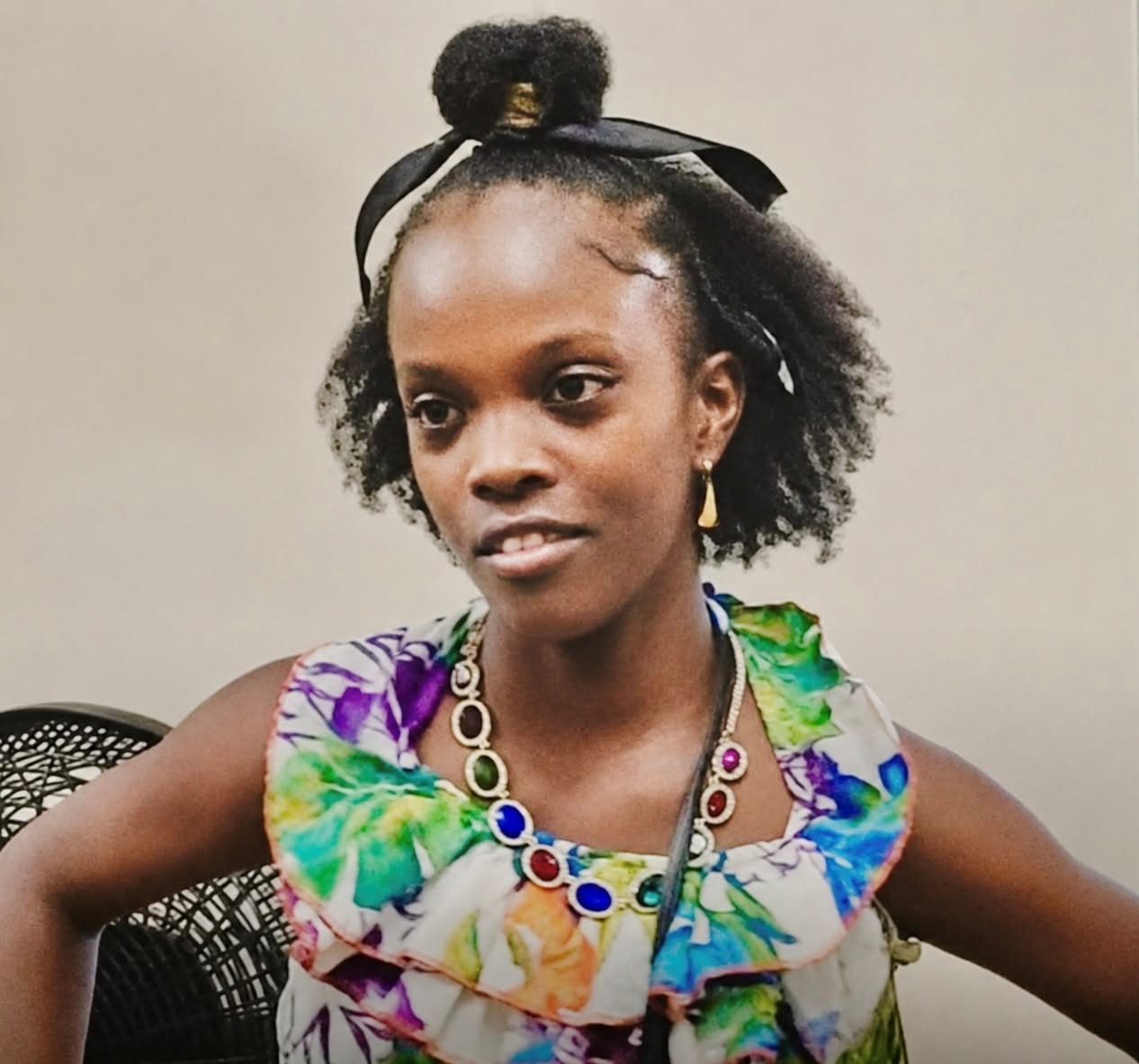
The death of a child wounds a country differently. It forces us to ask what kind of society we are building, and whether our children are being protected not only from criminals, but from neglect, despair and the collapse of the supports that should surround them.
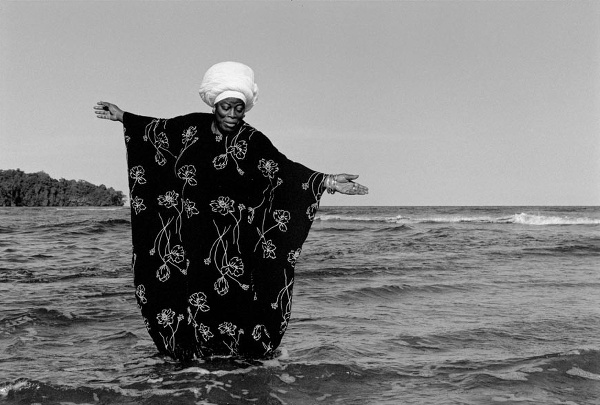
It was then that Ella Andall’s Missing Generation returned to me. A missing generation is not only one that disappears physically. It can also be a generation that loses hope, loses direction, loses faith that education will bring opportunity, or quietly concludes that its future lies elsewhere.
Every young person who gives up takes with them a portion of the country’s tomorrow.
And then there is Mighty Duke’s haunting question: How Many More Must Die?

Today, that question is larger than violent crime alone.
How many more must die by bullets? How many more must be broken by poverty? How many more children must be failed? How many more families must stretch food until payday?
A recent report said about 515,200 people in Trinidad and Tobago, or 36.8 per cent of the population, could not afford a healthy diet in 2024. That is a national mirror: parents making impossible choices, pensioners counting tablets and groceries, and children entering classrooms without the nourishment they need.
After decades of oil and gas wealth, that should humble us.

Photo: Chevaughn Christopher/ CA-images/ Wired868.
In just over two months, Trinidad and Tobago will mark sixty-four years of Independence. There will be flags and speeches. But the deeper question is what mood the nation will carry into that day. Pride? Anxiety? Grief? Resilience? Perhaps all of them.
But love of country must never require blindness. The calypsonians understood that. They loved Trinidad and Tobago enough to sing its praises and expose its wounds. They entertained us, yes, but they also warned us.
Duke warned us. Ella Andall warned us. Generations of calypsonians warned us.
Perhaps they were never merely singing. Perhaps they were telling us what would happen if we refused to listen.

(via Pinterest)
The question now is not whether the calypsonians were right. The question is whether, after all these years, we are finally prepared to hear them.
|
Wired868 has provided readers with solid, independent journalism since 2012. If you appreciate our work, please contribute to our efforts. Support Independent Journalism |

“[…] I urge our PM not to use the word ‘coolie’ to self-reference. I accept the fact that you may Read more

In two years, I will be a pensioner myself. So when I say the upcoming budget must increase the old Read more
“[…] ‘No rule was broken’ is a legal answer to a question that isn’t, at its heart, legal. It’s a Read more

Is this new UNC Government celebrating our Independence, or declaring its independence from public accountability and the rights of its Read more
Racial tensions are running high in Trinidad and Tobago at the moment. It is sad—heart-breaking really. Our “leaders” have descended Read more

“[…] As the applause faded, I thought about our inconsistent and unreliable water schedule, even in the rainy season. I’ve Read more

Want to share your thoughts with Wired868? Email us at editor@wired868.com.
Please keep your letter between 300 to 600 words and be sure to read it over first for typos and punctuation.
We don’t publish anonymously unless there is a good reason, such as an obvious threat of harassment or job loss.

What a hypocrite! Public figures should be judged not only by their achievements but also by the ethical standards they demonstrate. In this case Austin Jack Warner is sorely lacking. He is a poor example to the youth.
Oops! You’re not supposed to say that out loud.
Are you not aware or have you forgotten that, in suspending him a decade and a half ago, FIFA warned the world that Warner enjoys the presumption of innocence?
It matters not, BTW, that you are a poor example to the country’s young people if you have enough money to bankroll the winning political party.