 Wired868 Wired868 for smart sport news and opinion
In the rhythm of life in Trinidad and Tobago, and across the wider Caribbean, we know the power of a good “bacchanal.”
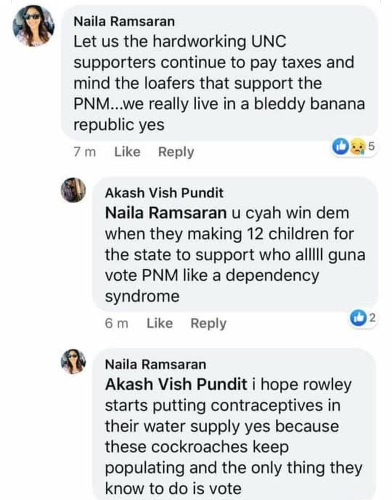
One moment, a public figure—or perhaps a private citizen caught in the crosshairs—commits a transgression; the next, the digital hive mind descends. On Facebook, X (Twitter), and Instagram, the collective outcry rises.

Within hours, apologies are demanded (and often dismissed), sponsors withdraw, and the individual is effectively exiled from “polite” society. This phenomenon, known globally as “cancel culture”, has become a dominant force in our modern discourse.
It is frequently hailed as a tool for the marginalized, a way to hold the powerful accountable. Yet, when we view the struggle for racial justice through the lens of our post-colonial reality, it becomes painfully clear that cancel culture is not merely insufficient—it is a dangerous distraction.
It treats a centuries-old systemic disease as if it were just that one-off deejay, but the fete was great otherwise!
To understand why cancel culture falls short in the Caribbean context, we must first define the terms of engagement.
Cancel culture is a mechanism of social sanction. It involves the collective withdrawal of support or “cancelling” of an individual, usually driven by a perceived offensive act or statement.
It focuses on the transgressor. It seeks to punish the individual for their moral failing, ostensibly to deter others.
It is a politics of performance, predicated on the idea that if we can only identify and remove the “bad apples”, then we can save the remaining contents of the barrel, when in reality the barrel is the problem.
Racism—particularly in a post-colonial society like ours—is not about bad apples. Institutional racism refers to the systemic integration of racist policies and practices into the very foundations of our society.

(Copyright Aldwyn Sin Pang.)
It is not merely the prejudice of a “racist uncle” at a family lime; it is the collective effect of laws, economic structures, and social hierarchies that disadvantage specific groups.
It is the legacy of the plantation system, which extracted wealth from African bodies and later Indian labour, establishing hierarchies of human value that persist long after the Union Jack was lowered.
In Trinidad and Tobago, institutional racism is subtle but suffocating.
It is evident in the geographic segregation of our communities, the disparities in educational outcomes, and the “glass ceilings” in corporate boardrooms in Port of Spain and San Fernando.

(via newsday.com.)
It operates irrespective of the personal feelings of the individuals within those systems. Despite individual best intentions, upholding institutional racism is simply a matter of following the rules of a game that was rigged centuries before they were born.
In other words, good men and women can quickly become men and women who are no good!
This is the fundamental error of cancel culture and the mistake it commits: it targets the individual transgression to solve a collective, historical problem.
When a local celebrity is “cancelled” for a racially insensitive post or an ignorant comment, the incident is treated as the sum total of the issue.
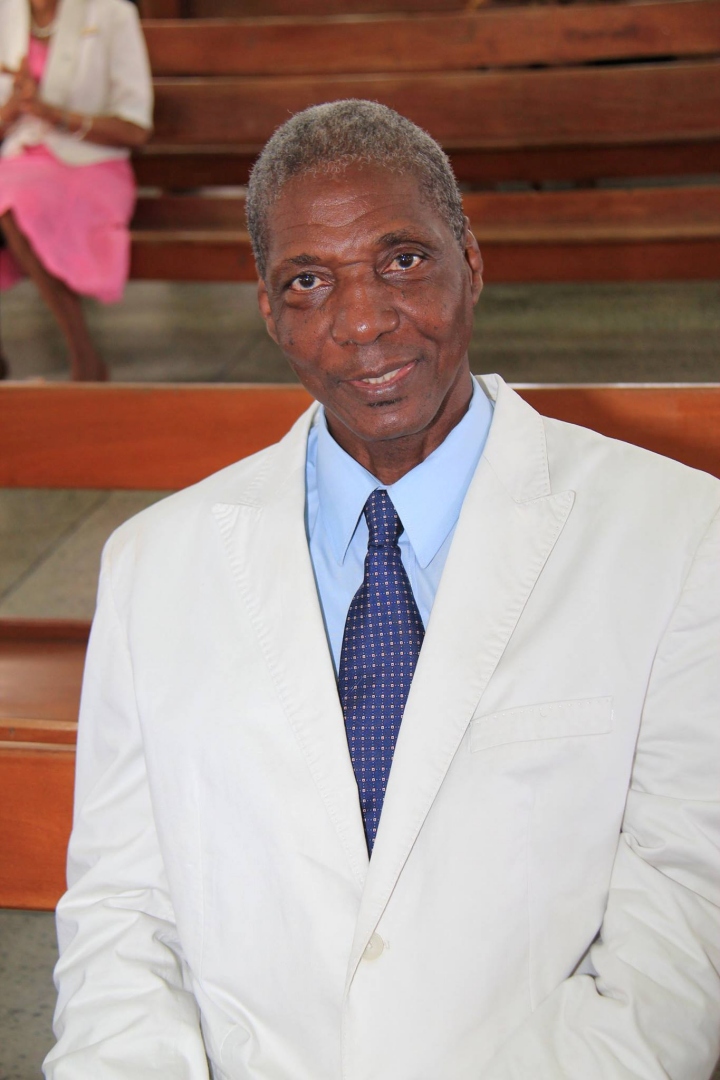
The narrative becomes one of personal redemption or public shaming. But racism in a post-colonial world is not primarily about the use of specific words; it is about the maintenance of power relations.
Centuries of colonial practice were not built on name-calling. They were built on the structured domination of the many by the few for economic gain. This domination required a complex architecture of law, violence and ideology.
To believe that we can undo this architecture by shaming a modern individual for a speech act is to believe that we can dismantle the Great House by removing a single brick from its foundation.
Furthermore, the reliance on cancel culture fosters a dangerous illusion that plagues our region: the idea that “not believing in racism” will make it go away.
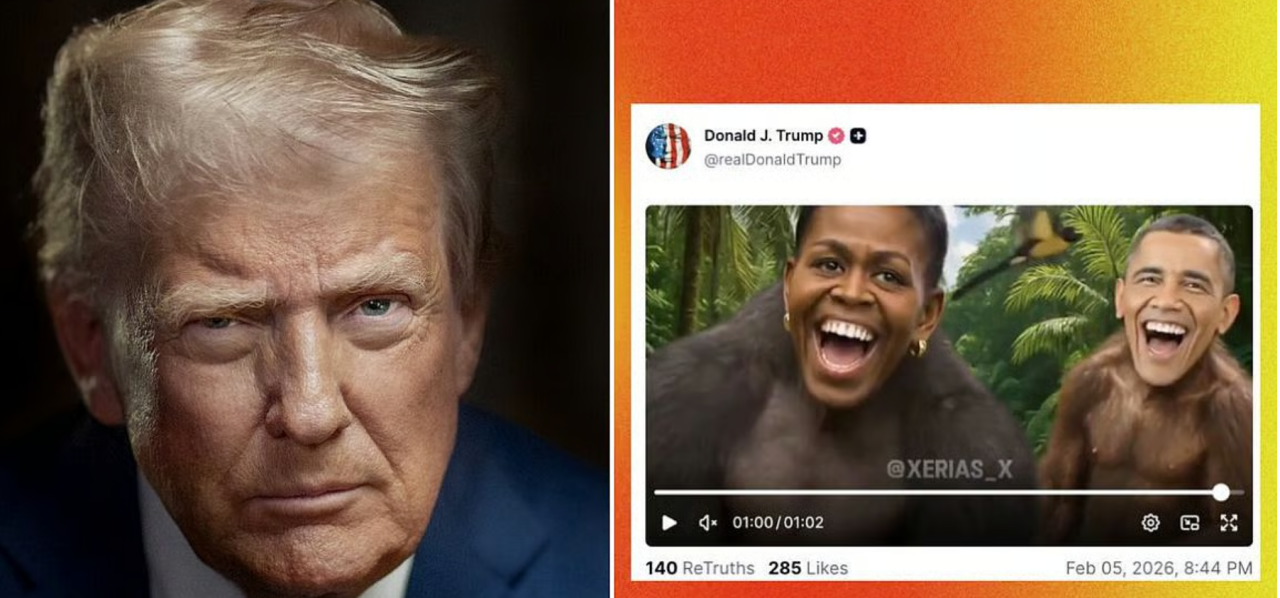
We in the Caribbean love to boast, “all ah we is one family,” or “we doh see race”. While this speaks to our unique cultural fusion, it is often used as a shield to deny reality.
Institutional racism does not require our belief to function. It does not care if we are “one family” at Carnival. It operates mechanically, like the grinding gears of the petroleum industry, turning historical disparities in land ownership and capital into modern gaps in opportunity.
We can cancel a thousand racist social media users, but if the economic systems continue to favour those with inherited collateral (largely a legacy of colonial land grants) over those without, the machine keeps grinding.
To effectively address racism in a post-colonial context, we must shift our gaze from the micro-scandal of the individual to the macro-reality of power.

Copyright: Ezra Bartholomew.
We must interrogate the power relations that facilitate racism. We must ask not just “who said a bad word?” but: “who owns the land?” “who controls the capital?” and “who makes the policies?”
Racism is a mechanism of resource allocation and social control. It persists because it is useful to those who hold power. Therefore, the only way to end it is to transform those power relations.
Our own history provides us with a roadmap that is far more difficult, yet far more effective, than digital shaming. Look to the Black Power Revolution of 1970.
That movement did not focus its energy on “cancelling” individual white merchants or colonial administrators. They focused on transforming the systems that enabled them.
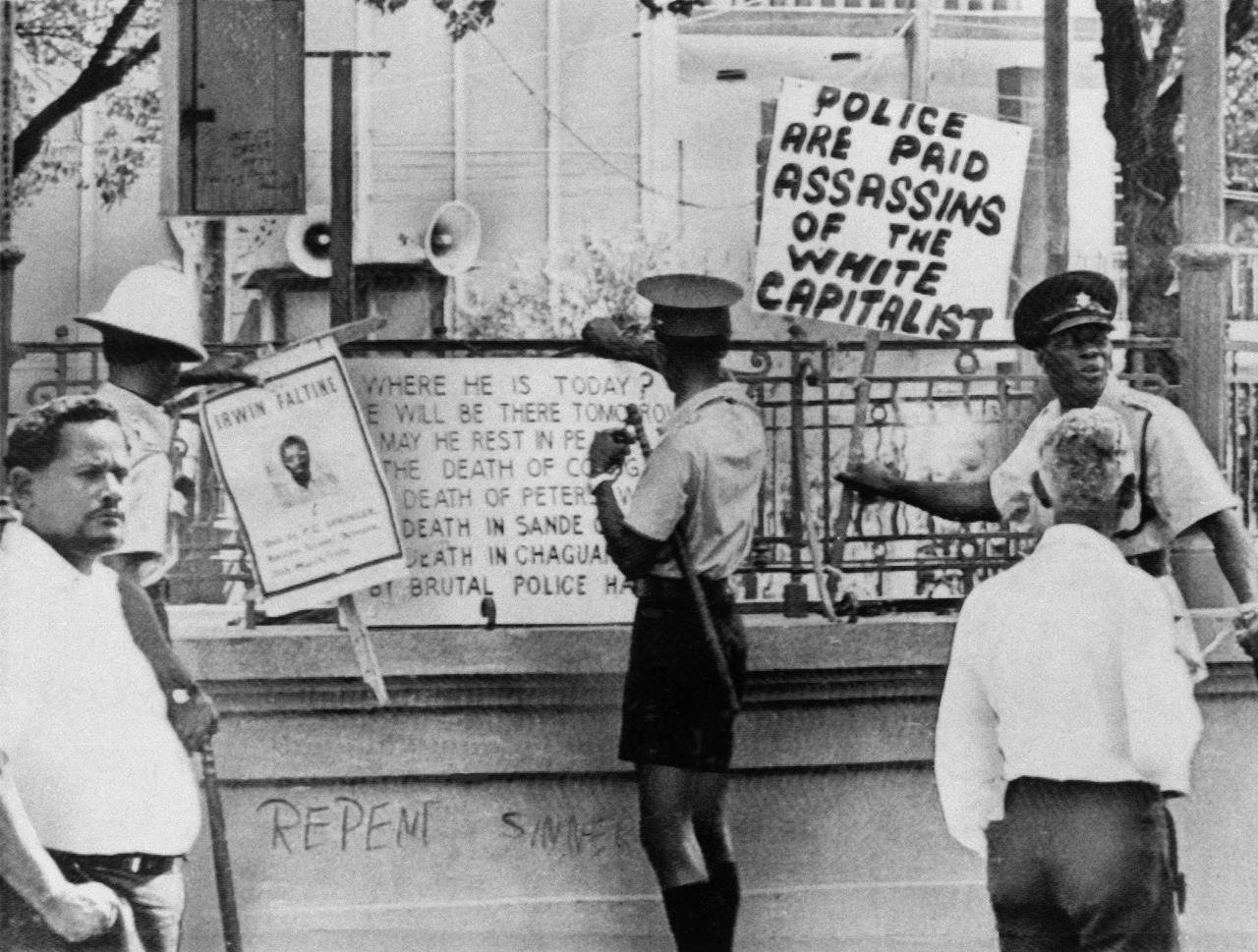
The square has been a popular gathering point for Black Power militants in the city.
Copyright: AP Photo.
When the National Joint Action Committee(NJAC) and the revolutionaries marched, they were not merely complaining about prejudice—they were speaking truth to power.
They demanded that the power relations of the economy be shifted so that the resources of the oil sector benefited the people of the soil, not just foreign conglomerates. They demanded local ownership of the means of production.
Consider the trade union movements of the 1930s, led by figures like Tubal Uriah “Buzz” Butler. They did not simply want the colonial managers to apologise; they wanted the workers to have power over their own labour and dignity.
They changed the rules of the game. They understood that justice is not about the feelings of the oppressor, but about the freedom of the oppressed.

This is the hard truth that cancel culture obscures: we cannot cancel our way out of the legacy of Empire. The path to liberation requires us to do more than police the behaviour of individuals—it requires us to reconstruct the society in which those individuals live.
It requires us to address the economic foundations of racism, to redistribute resources, and to democratize institutions that have historically been exclusive.
If we are serious about ending racism in Trinidad and Tobago, we must trade the convenience of the “dragging” online for the difficult work of nation-building.
We must stop looking for the next villain to exile and start looking for the next policy to rewrite, the next community to uplift, and the next inequity to rectify.

Photo: Chevaughn Christopher/ CA-images/ Wired868.
Only by addressing the deep, structural roots of the problem—by understanding and altering the power relations that sustain it—can we hope to build a republic that truly lives up to the ideals of our anthem.
The bacchanal of cancellation makes for good entertainment, but the transformation of power is the only path to true emancipation. Massa day done, indeed—but only if we finish the work of tearing down his house.
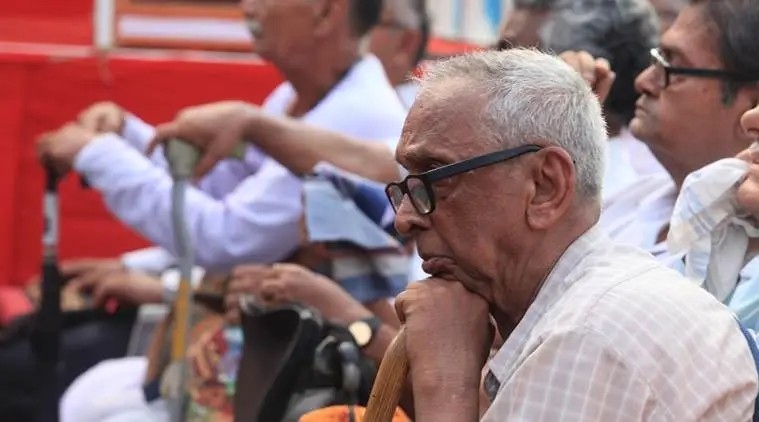
Three thousand dollars a month. That’s the minimum National Insurance pension a citizen receives after a lifetime of work. It’s Read more
“[…] We are dealing with a very insecure administration here. Lloyd Best would always point out that these administrations come Read more

In 1937 Trinidad and Tobago, life was not easy. Worker abuse, underpayment of workers, and overt racism were not uncommon. Read more

“[…] The old Caribbean fowl thief occupied a strange cultural category. He (mainly men were the culprits) was a criminal, Read more

I write on behalf of the thousands of working men and women of Trinidad and Tobago who spent their entire Read more

Monday morning, 5:45am, Curepe junction. Three maxis pass me—full. Fourth stops. Driver leans out: “Only Sa Wa.” I begged to Read more

Akins Vidale lectures at the Cipriani College of Labour and Cooperative Studies and is a UWI graduate with a B.A. in History.
He has served as the president of the Trinidad Youth Council and is the General Secretary of the Federation of Independent Trade Unions and NGOs (FITUN).
Read his blog: http://akinsvidale.wordpress.com/