 Wired868 Wired868 for smart sport news and opinion
My bossy back demands an extreme degree of planning if I am to venture out. Sitting or standing for an hour or so is about as much as it can take without making the following days painfully unpleasant.
But when Jackie Hinkson sent me an invitation to the QRC Art Legacy Exhibition at the NAPA Hotel, I thought I would take the risk, and not stay too long.
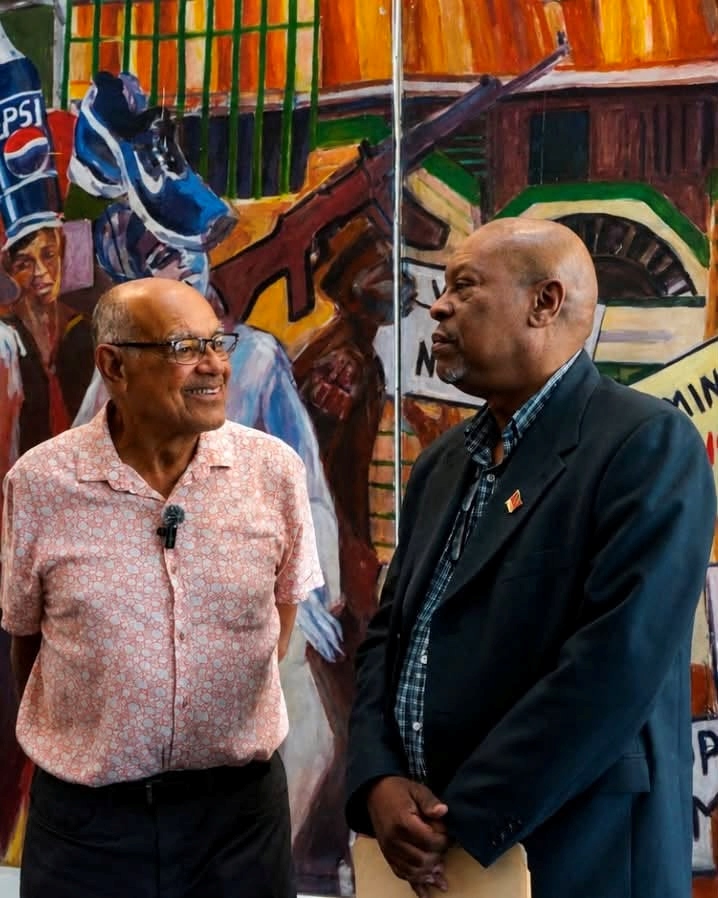
(via QRC Art Legacy.)
One of my dear friends also forwarded his invitation to me, and we agreed to attend together. Two days later and I am still doing penance for overstaying my prudently allotted time—but it was worth every moment and I felt compelled to write about it.
The exhibition, Honouring Our Foundations: Generations of Art, was curated by Patrick Roberts, whose art was also featured. Before the opening, he was interviewed and as he described his piece, Advocacy, he said he had developed glaucoma.
“I have no vision in my right eye.”
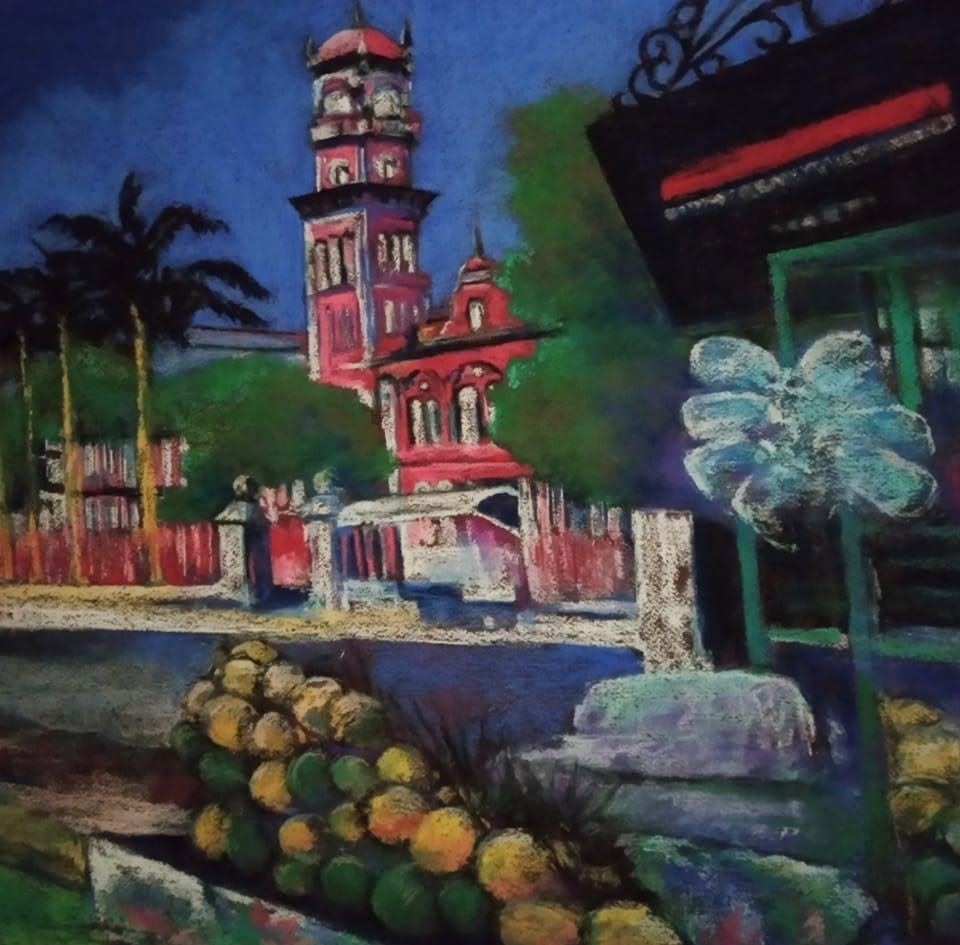
(via Facebook.)
It led him to become an advocate for glaucoma and eye health. The series he focused on that year described his anger and the journey.
This year, he did a series of paintings on mangoes, and listening to him describe the ubiquity and deliciousness of our beloved fruit, I could feel how his passionate nature helps him to navigate the curious landscape of being a visual artist whose vision might be impaired but whose sense of sight remains keen.
For some reason, on this Emancipation Day, it hit me as a powerful expression of liberation.
Many of the stories I heard revealed the challenges the artists faced, how many times they could have given up, and how their art set them free.
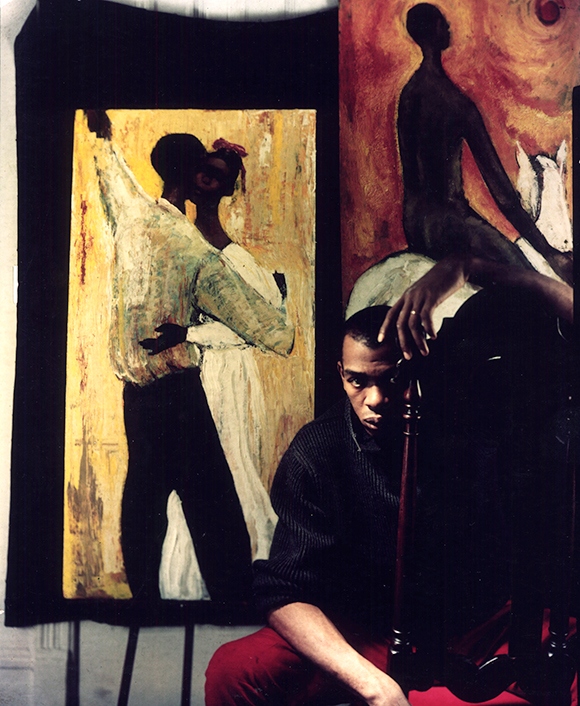
David Leehue uses airbrushes to create. He too lost his right eye in a vehicular accident. It affects his depth perception, but he said continuing to make his art is where he finds peace and a sense of purpose.
Edwin Hing Wan, one of the five deceased artists whose work was on display (Boscoe and Geoffrey Holder, Noel Vaucrosson and Harry Bryden, the others), developed a cyst on his spinal cord at the age of 19, which left him paralysed and wheelchair-bound. Through physiotherapy, he regained partial use of his right hand and made remarkable art until his death at 43 in 1976.
Gerald Hinds had given up any thoughts of artistry when he began to practice medicine, but when he retired, and with time on his hands, he picked it up again and, in his late sixties, this is where he finds his joy.
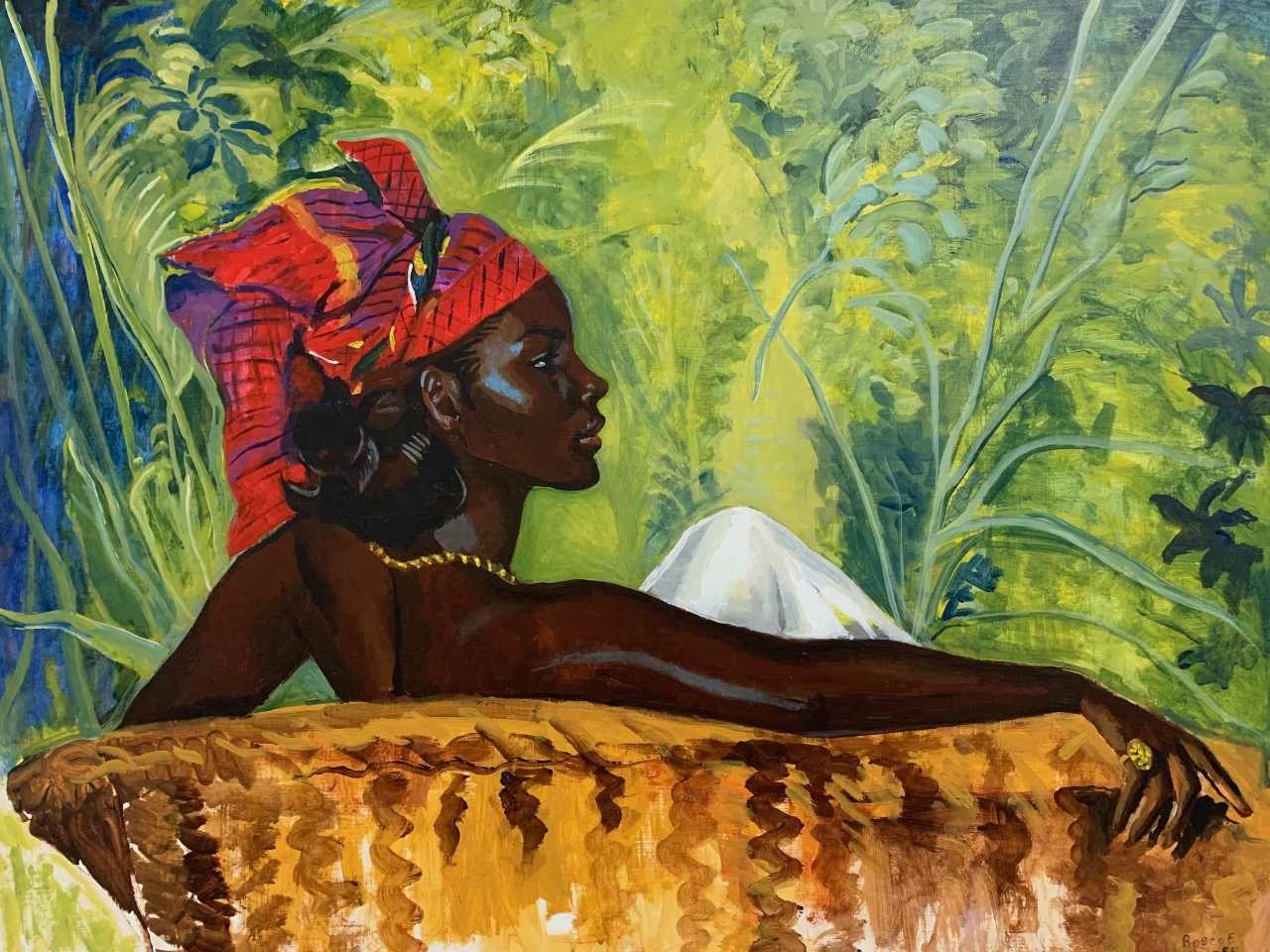
Wesley Gibbings, journalism friend of decades, had also sent me the notice of the exhibition, and to my astonishment, he was one of the featured artists.
“I know you so long, how I never know you painted?”
He only picked it up again because in 2022, he went to see his former art teacher Jackie Hinkson’s murals at Carnival time, and Jackie asked him how the art was going. Jackie urged him to get back into it, and seeing his pieces, a collection of seaside scenes, I can tell how it has been a kind of freedom for him.
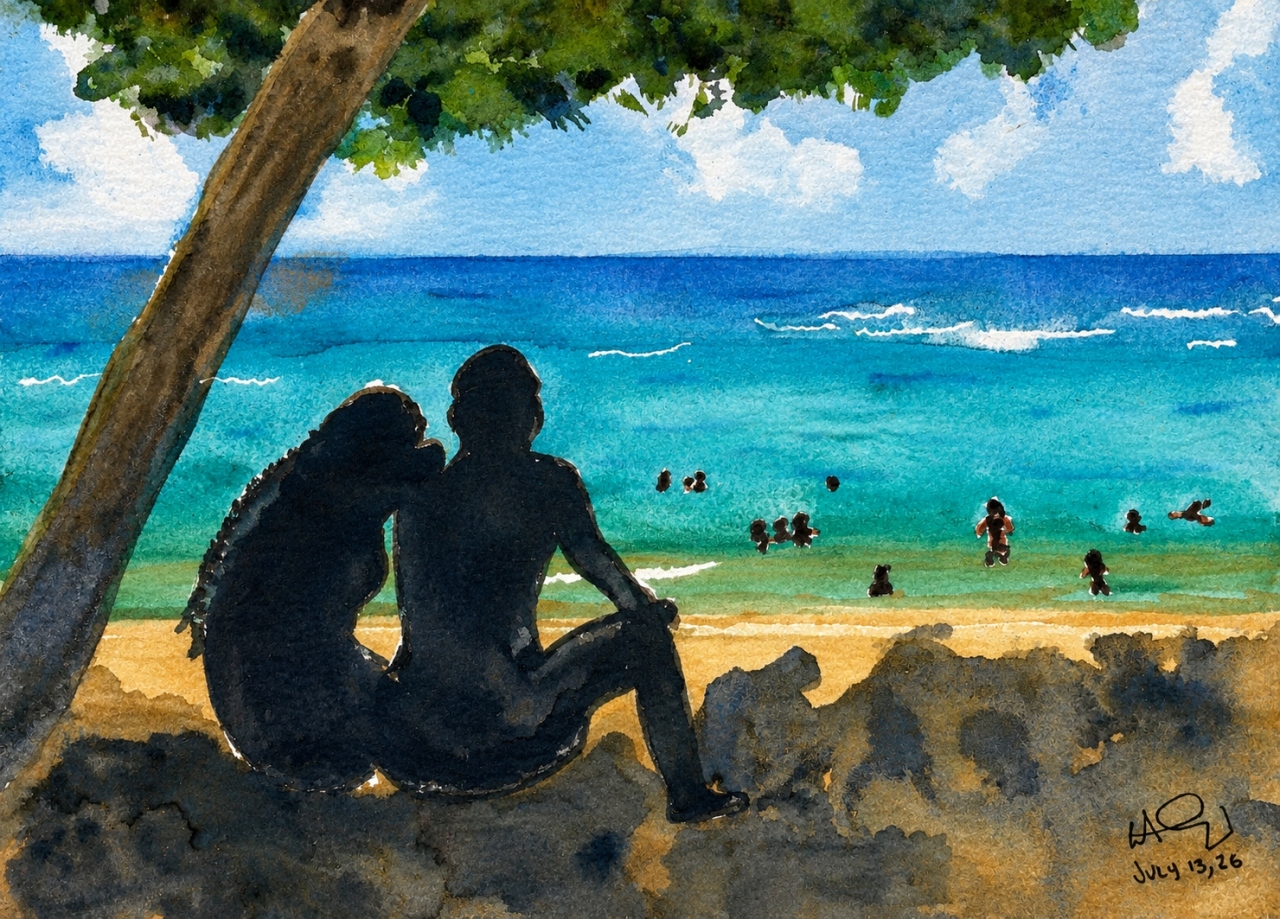
And this brings me to the second thing that struck me about this exhibition of finding freedom peacefully.
The work of 24 artists is on display, a range of generations, styles and media. The reception area greets you with a couple of the massive and distinctive sculptures from Hinkson, as well as pieces from his murals.
The entry is lined with pieces that would make the QRC alumni nostalgic. Images of snow cone vendors: Brian Harry’s Sno Cone Nostalgia; Jackie’s Savannah Vendors; Stephen Haynes’ Little Prince: Another Queen’s Park West Institution, and Roberts’ The Hidden Bishop and the Lil Prince. I would not have made the connection had Wesley not been our tour guide.
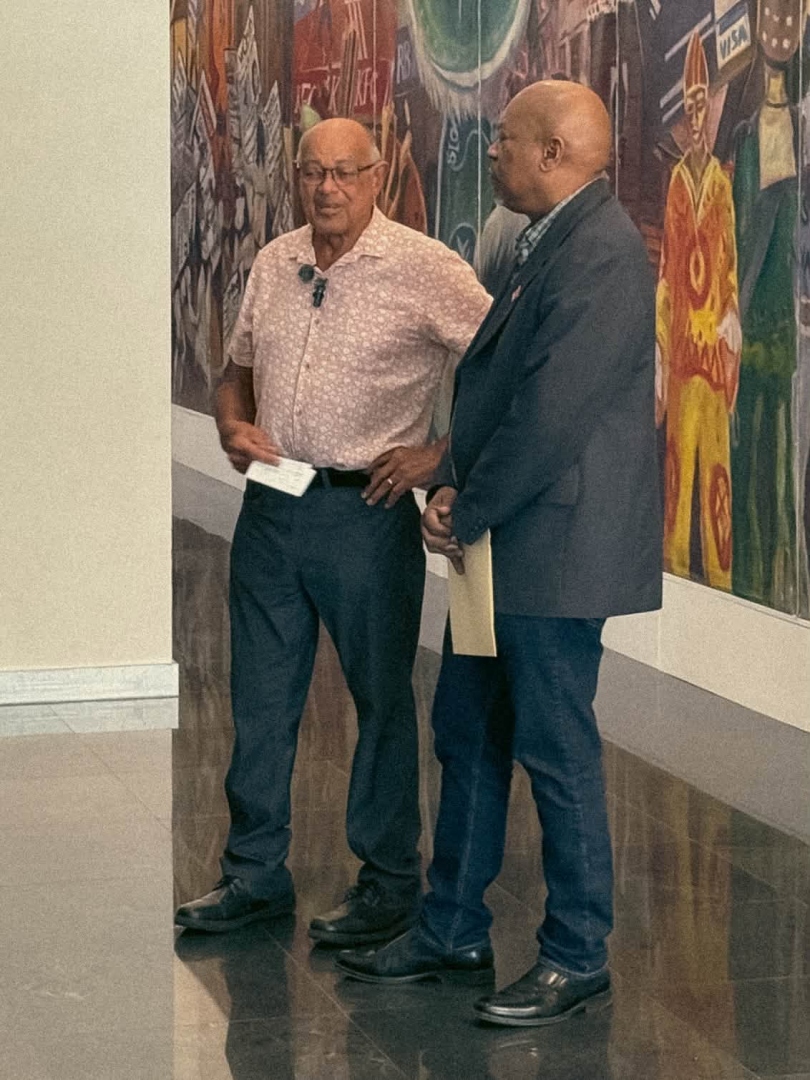
(via QRC Art Legacy.)
Jackie had already left by the time we arrived, but his presence was pervasive. Apart from numerous pieces by him (he still works every day even as he approaches 84), the artists each have something to say about his role in their life of art.
Unbidden, they either cite him as their inspiration when he was the art teacher (for 16 or 17 years he said), or by his mentorship afterwards.
“I think I had one of the better art teachers in the country,” said Leehue.
When Wesley resumed his painting, he was tentative, short of confidence, but “Jackie has been alongside me (via social media) almost every step of the way as instructor/mentor,” he said.
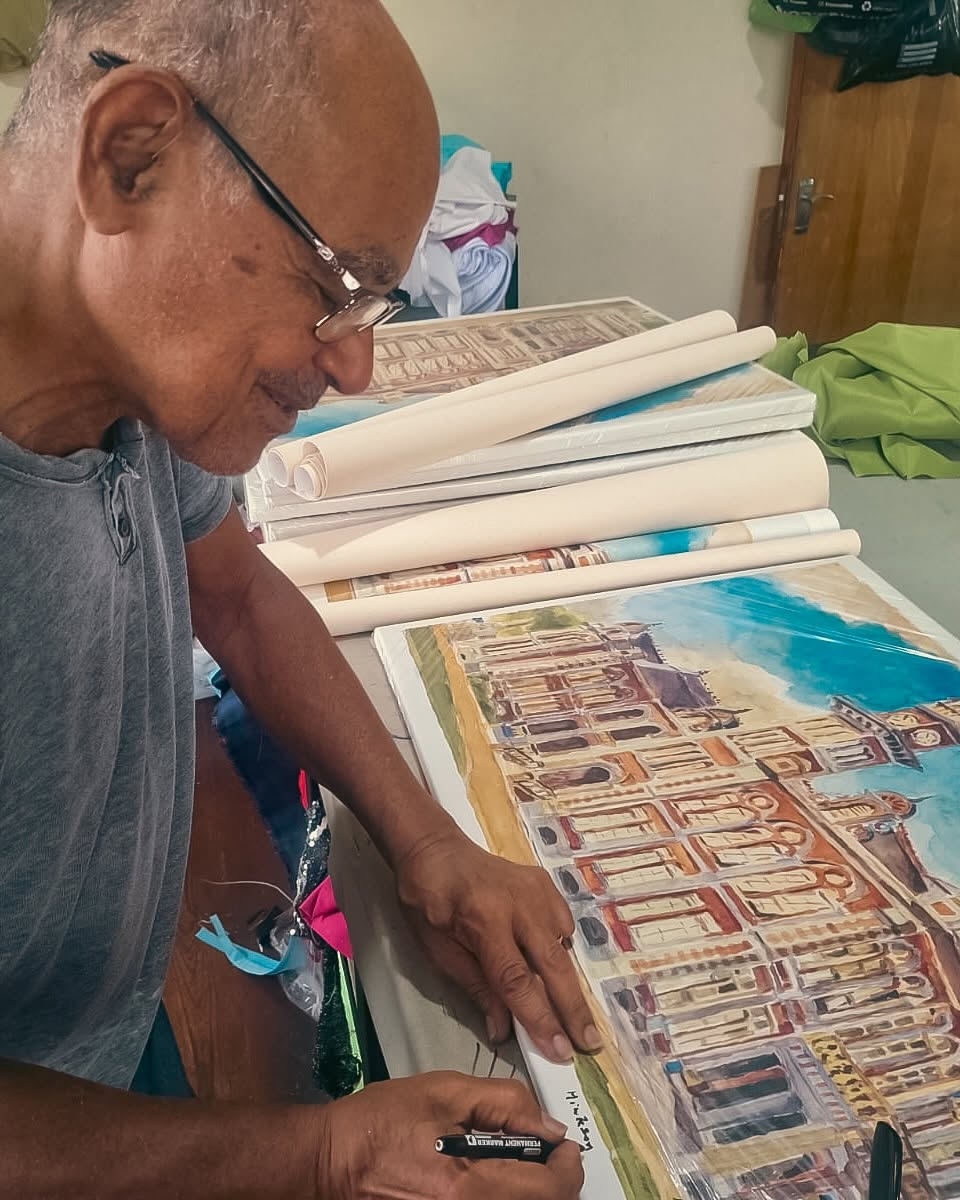
(via QRC Art Legacy.)
Jackie’s generosity with his expertise is legendary. His role as a mentor has transformed many lives, but typically, he doesn’t buy into that notion.
“I am not convinced that I played such a massively important role in it,” was his response in an interview prior to the exhibition.
The artists would differ—and rightfully so. Jackie is the epitome of a nurturing soul. He takes the time to assess work, and he makes recommendations gently, rather than dismissing efforts.
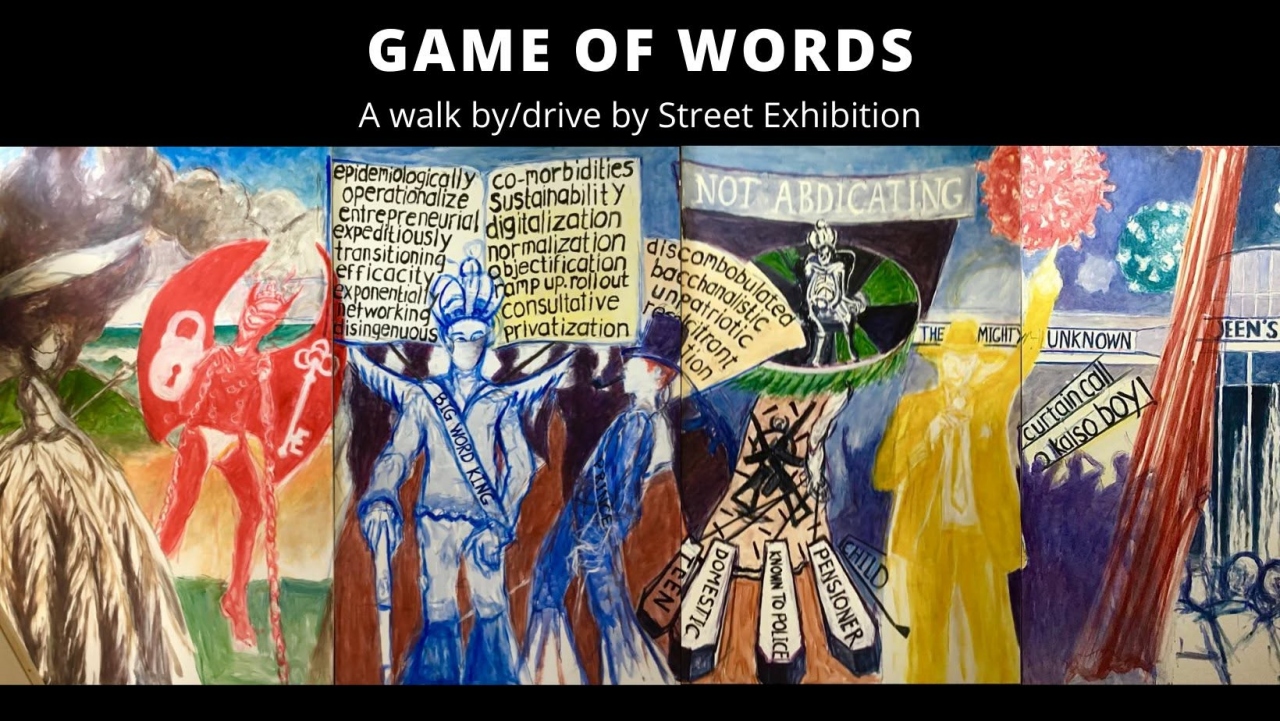
Apart from his distinctively captivating paintings, drawings, sketches and sculptures, he is a remarkable human, and if this exhibition, with its gathering of extraordinary talented work seemed to feature a heavy Jackie Hinkson motif, it is entirely fitting that it should be so.
His legacy is truly all the lives he has profoundly touched.
In October 1995, I was part of a fellowship offered by the Committee to Protect Journalists. A dozen or so Read more
For those who might have wondered about the absence of my column last week, the Express has decided that it Read more

It isn’t something I do—but when Alta, the Adult Literacy Tutors Association, contacted me to ask if I would write Read more
Someone suggested rather irately that I write about how the rich and powerful operate with a different code, with such Read more
My father considered music of any kind to be unpleasant noise. In his later years, when he became a bible-toting Read more
A dear friend sent me a despondent message in response to my lament about divisive and crass online comments. “I Read more
Vaneisa Baksh is a columnist with the Trinidad Express, an editor and a cricket historian. She is the author of a biography of Sir Frank Worrell.
