 Wired868 Wired868 for smart sport news and opinion
The soucouyant, douen and La Diablesse have been doing the night shift for generations locally. Now they must compete with commercial horror houses, plastic skeletons, battery-operated witches and pumpkins.
Naipaul would have cast a withering glance at our “mimic men”.
The American-style buckets of candy have found a willing audience while dentists murmur appreciatively.
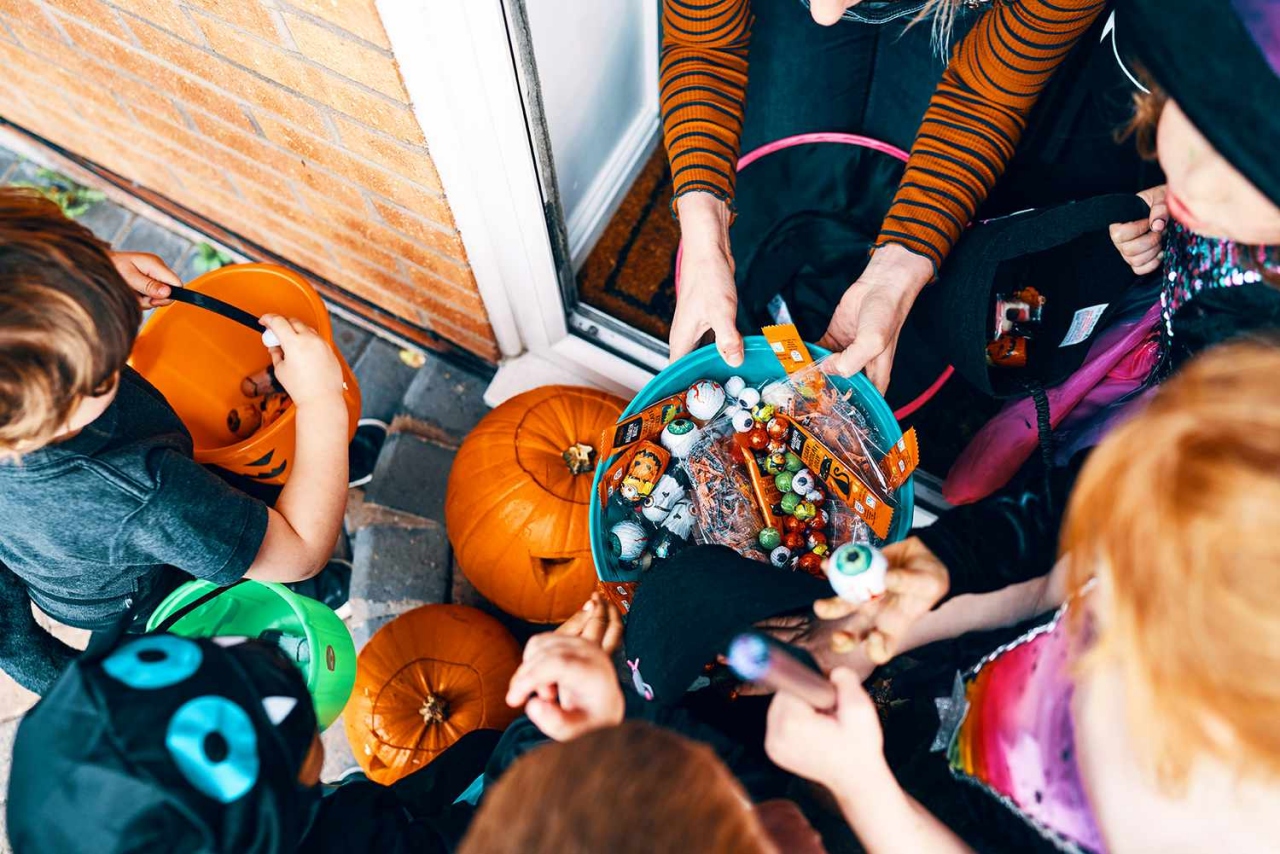
Of course, I have no objection to the odd block of dark chocolate. This sugar-fuelled season joins a crowded calendar of birthday bags, school celebrations laden with pizza, sweetened drinks and the little something bought because the child behaved.
Fudge, sugar cake and our other familiar favourites are not the healthiest of local snacks.
Bacteria in dental plaque use sugars to produce acids that attack tooth enamel. A small amount of candy eaten with a meal is generally kinder to teeth than the same amount picked at throughout the afternoon. Sticky sweets linger.

The World Health Organization recommends keeping free sugars below ten per cent of daily energy intake. For a person eating 2,000 calories, those figures correspond to roughly 50 grams and 25 grams.
“Free sugars” include those added to foods and drinks, as well as sugars in honey, syrups and fruit juices. Replacing candy with unlimited juice is a risky alternative.
We should not tell children that one evening’s sweets will “give them diabetes”. Type 1 diabetes is not caused by eating candy. Type 2 diabetes develops through a combination of factors including genetic susceptibility and excess body fat.
Frightening children with a false explanation helps nobody, including children already living with diabetes. We can set a limit without commenting on a child’s weight or making them feel guilty for enjoying food.
Give children a proper meal beforehand and agree on a modest selection of treats. Put the remainder away rather than leaving an open bucket within reach. Offer water, and keep the usual twice-daily brushing with toothpaste.

Beware of allergies. Hard sweets and other small or sticky foods can be choking hazards for young children.
Small toys offered instead of candy also need to suit the child’s age. A pencil, sticker sheet or small colouring book can be a perfectly respectable alternative. Parents hosting a party can put games and storytelling at its centre, with food taking a smaller role.
It has been estimated that Americans spend over US$4.4 billion on Halloween decorations and costumes. Many will be discarded and contribute to environmental pollution.
If children are out after dark, the ordinary hazards still apply. Costumes must allow them to see and walk properly. Adults should supervise road crossings.

(via iStockphoto.)
However, this Halloween offers more than a debate about sugar. 31 October 2026 marks a hundred years since the recorded death of Harry Houdini. He could escape handcuffs, locked containers and straitjackets. Audiences watched him suspended upside down or apparently trapped underwater,
Then, at 52, he became seriously ill.
The familiar story involves a young man delivering several blows to Houdini’s abdomen in Montreal after asking about his ability to withstand punches. Houdini continued performing as his condition deteriorated. He eventually underwent surgery and died on Halloween.

The accepted historical account describes appendicitis, a ruptured appendix and peritonitis, a dangerous infection involving the abdominal lining. Whether the punches caused or aggravated the illness remains disputed.
There is a new book proposing a different sequence of postoperative events and even challenging the recorded date of death.
We recognise the person with persistent pain who insists on finishing work and refuses sick leave. The relative who does not want to bother anybody and the stodgy chap who mistakes enduring a symptom for controlling its cause.

Photo: Getty Images.
There are understandable reasons for delay: expense, fear, work commitments, transport and previous experiences of seeking care.
Medicine has its own performers. The seller of a miracle cancer cure, the supplement advertised as a substitute for treatment, the confident stranger explaining that every illness comes from one convenient cause.
Let the children enjoy their evening and keep an eye on the road. Too much sugar is like slow poison. When the sweets come home, remember that you are allowed to close the bucket.

Mrs M died last year. I remember the vegetables from her husband’s garden (including my first dragonfruit) and the delicacies Read more

Imagine her beside the hospital bed, handbag slipping off one shoulder, phone vibrating with messages from work. Her father is Read more

As always, October looks lovely. There are pink ribbons to look at in the bank while waiting in an awfully Read more
The prescription for healthy living was flawless, if I do say so myself. Grilled fish, fresh vegetables, fruits bursting with Read more
Covid-19 was a masterclass in socioeconomic inequities but heatwaves have also ignited pervasive disparities in our society. The elderly, those Read more
World Suicide Prevention Day is observed annually on 10 September. The international theme for 2024 to 2026 is “Changing the Read more