 Wired868 Wired868 for smart sport news and opinion
This is the first of a series of commentaries on reparatory justice as conceived in Caricom’s revised Ten Point Plan for Reparations: A Manifesto for the Coming Enlightenment, which was launched in Barbados on 17 September 2026.
This article draws attention to the Commonwealth Heads of Government Meeting (CHOGM) in St Johns, capital of Antigua and Barbuda, from 1 to 4 November 2026.
The demand for reparatory justice for ancestral victims—and their descendants—of the genocide and chattel enslavement that defined the Caribbean for over 500 years has become a global conversation.
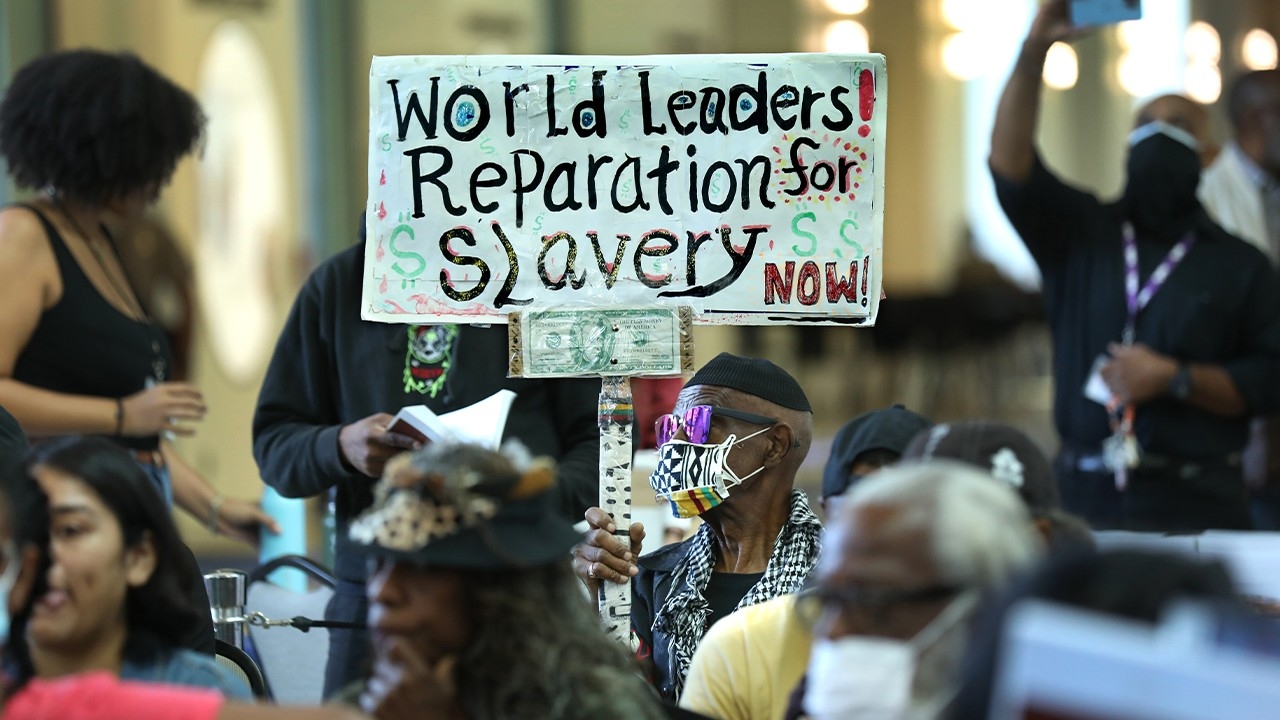
The main springboard of this globalisation has been the Caricom Reparations Commission (CRC) along with its key partners; certain Caricom heads of states, most notably, PM Mia Motley of Barbados; Caricom’s main ally, the African Union; reparation organisations in the USA, Central America, Brazil and Europe, including UK’s All-Party Parliamentary Group (APPG) for Afrikan Reparations; and the United Nations.
Because most Caricom member-states were former British-ruled colonies, the strongest and most persistent demands for reparations from Caricom have been directed at the British government. But the governments of all colonising enterprises that participated in these crimes against humanity must answer to these injustices.
The anticipated showdown at CHOGM ’26 is a personal projection that anticipates the inevitability of confrontation between civil society, the CRC, and Heads of the progressive Commonwealth states, on the one hand, and King Charles III and his prime minister, Andy Burnham, on the other—with some backing or silence from a minority of their Commonwealth allies.
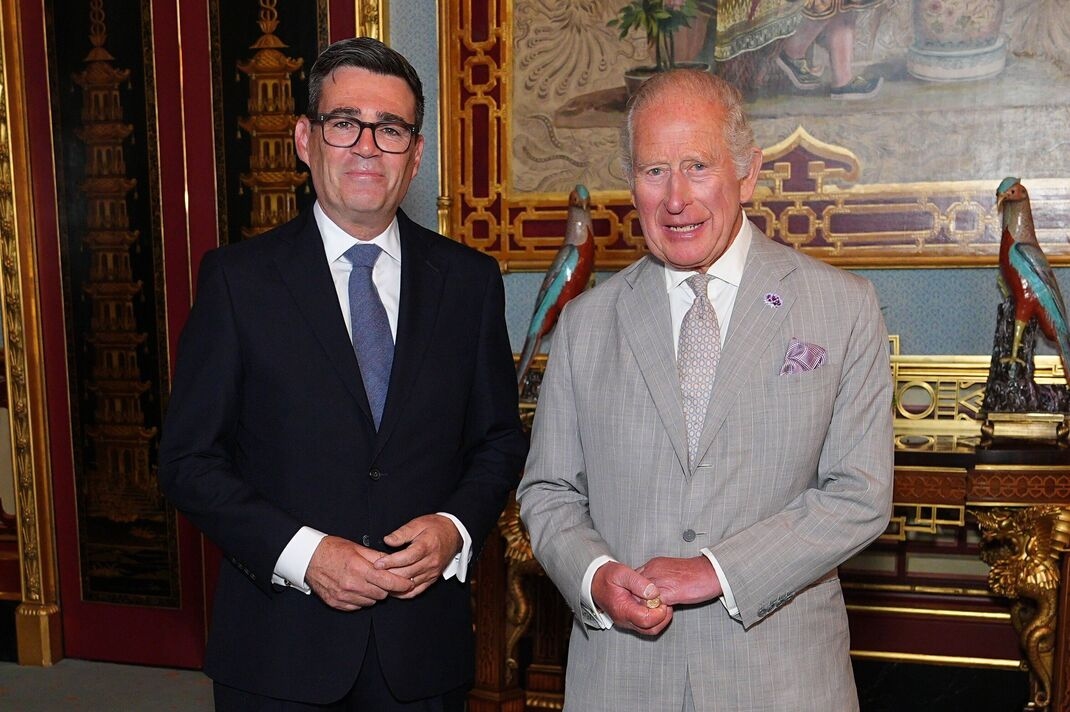
The heightened expectation of a showdown has led Guyana’s News Room to speculate on a possible “ambush”, should President Irfaan Ali raise the issue of reparations publicly when King Charles visits Guyana prior to attending CHOGM.
Guyana (originally comprising three colonies) became British in 1803 under King George III, a slave owner in Guyana. There is therefore good reason for President Ali’s hope-for public confrontation, as explained further below.
In April 2023, Buckingham Palace informed the public that King Charles was cooperating fully with an independent researcher into the monarchy’s links to the transatlantic slave trade and chattel enslavement of Africans. The announcement projected the release of the findings by September 2026.
September came but instead of Charles’ promised findings, a much more extensive “Register of British Slave Owners” was published online.
Whilst the “Palace research” is that of a single PhD candidate, the database was prepared by a team of historians from King’s College London, the University of Manchester and Lancaster University.
This database explicitly recognises English monarchs from Elizabeth 1 to George IV as personal investors in, and beneficiaries of, the enslavement of Africans.
All monarchs before George IV had vested interest in the transatlantic slave trade. Both Charles III and George IV held property in hundreds of enslaved Africans in Guyana and elsewhere in the Caribbean. (NDTV World).
This history, plus the fact that Georgetown seats the Secretariat of Caricom, imposes a moral compulsion on the President to lead by example.

(via Guyana Chronicle.)
Although the main target of the showdown is an apology for Britain’s role in the chattel enslavement of Africans, the Ten Point Plan for reparatory justice also demands reparations for the genocide and displacement of indigenous peoples in which Britain was also a participant and beneficiary.
Indigenous leaders should therefore also arm themselves for confrontation. As Professor Sir Hilary Beckles affirms: “The time for negotiations is now.”
The beating of the Caribbean’s reparations war drums to a heightened frenzy also stems from the track record of the British government’s obstinacy in rejecting every ground for reparatory justice for the victims of the transatlantic slave trade and chattel slavery.
The minimum expectation is that King Charles III offer a sincere apology consistent with the first of the 10-Point Plan.
The Caribbean is not interested in the old clichés of “deep regret”, “personal sorrow”, “stain on the empire” and similar euphemisms of imperial contempt. Such diplomatic escapism has defined the British government’s response to reparations for two decades.
As early as 2006, on the eve of the bicentenary commemoration of Britain’s Slave Trade Abolition Act, Prime Minister Tony Blair described the transatlantic slave trade as “one of the most inhuman enterprises in history”—yet, he could only express “deep sorrow” for Britain’s leading role in this crime.
In 2016, Prime Minister David Cameron acknowledged, “Slavery was and is abhorrent. It has no place whatever in any civilised society, and Britain is proud to have led the way in its abolition.”
This posture—that the descendants of the victims should be grateful to Britain for abolishing their own criminal projects—persists in the irrational objections of the current leaders of Conservative and Reform UK Parties.

In preparation for CHOGM 2024 in Samoa, the official position of the British government was: “We do not pay reparations.”
When pressed for a personal perspective, Prime Minister Keir Starmer iterated the tired response: “Of course, slavery is abhorrent to everybody; the trade and the practice…”
Patronisingly, he indicated that he preferred to work with Caricom “on the current future-facing challenges than spend a lot of time on the past.”
Campaigners for reparations on the other hand insist that the past persists in the present and will never remain in the past until justice and repair have taken place.
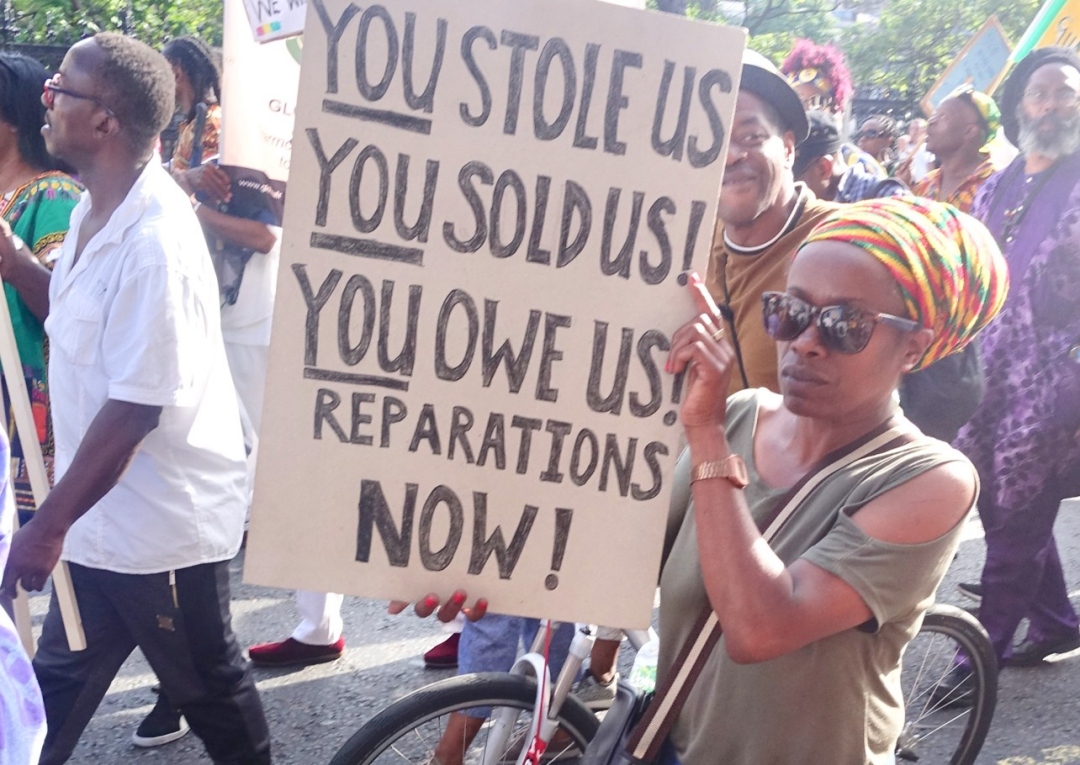
The British government’s position has not changed. In response to the Jamaican government’s reparations petition to King Charles in early September 2026, current Prime Minister Andy Burnham’s official spokesperson responded: “Our position on reparations is clear. The UK does not and will not pay reparations.” (Daily Mail).
Opposing this imperial recalcitrance is the courageous Secretary General of the Commonwealth Shirley Ayorkor Botchwey, of Ghanaian nationality.
In her final preparations before setting out for CHOGM ‘26, Botchwey acknowledged, “I believe the time has come for that conversation. It has come. And I don’t believe we can run away from it.” (Daily Mail, 23 October 2026). CHOGM ‘26 is her first in that exalted position.
Although advocates failed to get reparations on the CHOGM ‘24 agenda, the meeting issued the Samoa Statement, which was signed by all 56 members, including UK’s Keir Starmer.
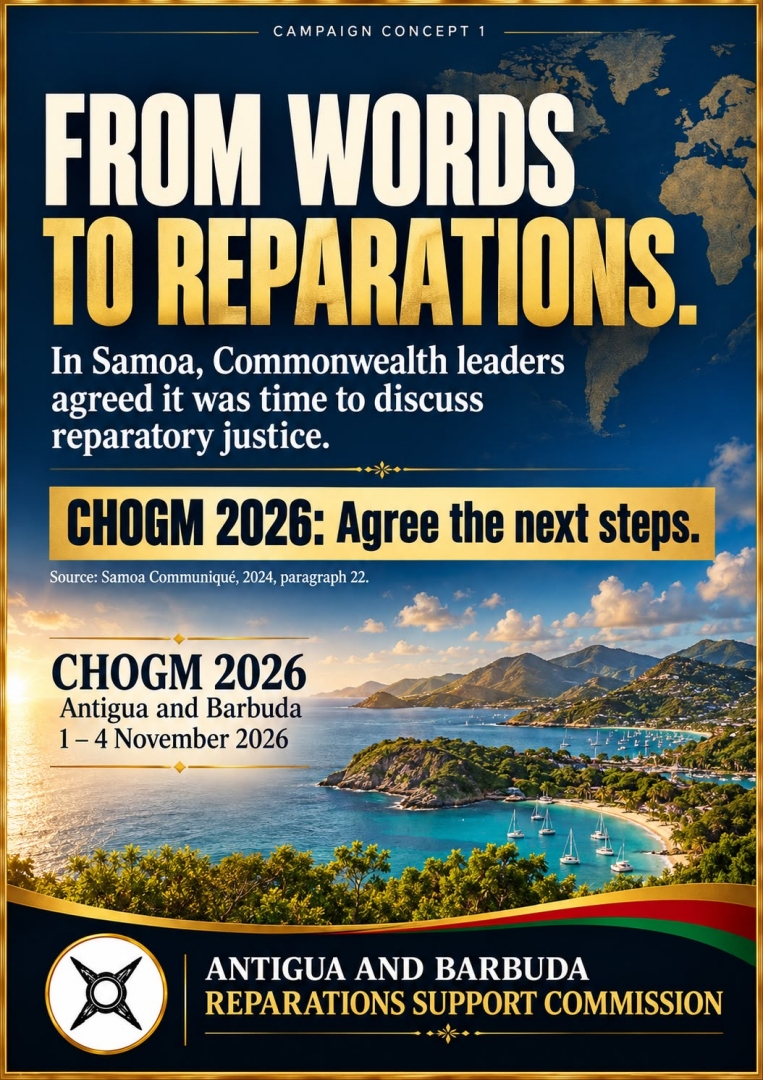
Paragraph 22 of the Statement agrees that “the time has come for a meaningful, truthful and respectful conversation” on reparations. The Statement also recognised the genocide and displacement of indigenous peoples and other demands of Caricom’s Ten Point Plan.
The CRC insists that this conversation must begin with a sincere apology.
For Caribbean reparationists, it is fortuitous that it is in the year during which the United Nations adopted the landmark Resolution (A/RES/80/250) with an overwhelming majority declaring the transatlantic trafficking of Africans and their racialised chattel enslavement as “the gravest crime against humanity”; the year that the Jamaican government presented the landmark reparations petition to the King of Great Britain, that the Commonwealth Heads of Government are meeting in the Caribbean, providing a landmark opportunity for the peoples of the regions to confront the nation and empire that transported the greatest number of Africans into slavery in the Caribbean up to 1808.
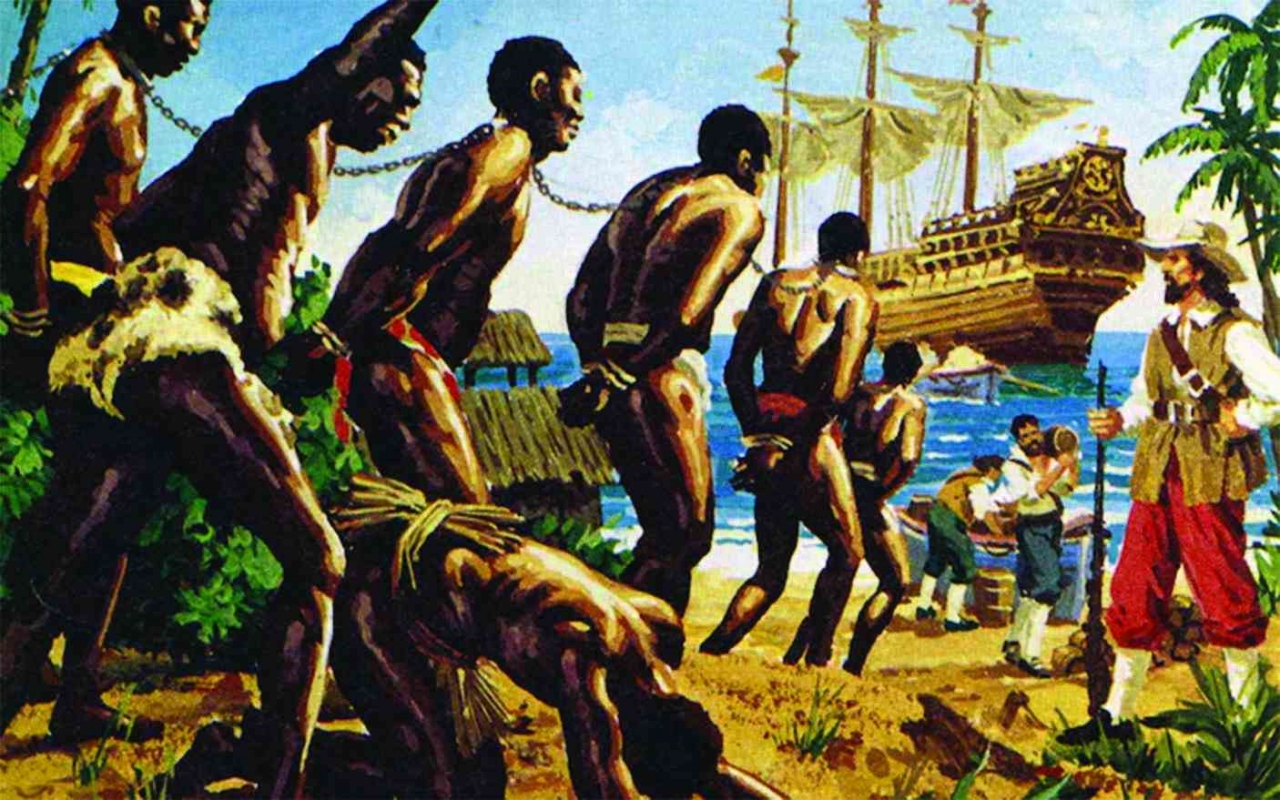
(via The Standard.co.zw)
It is the same Caribbean where the first shipload of African captives were consigned to slavery, following the first wave of genocide against the indigenous peoples; the same Caribbean that became the first hub of North Atlantic commerce and the epicentre of Europe’s modern capitalist system founded upon African enslavement; the same Caribbean that has played such a pivotal role in the emancipation of humanity.
It is the same Caribbean that must rise again to the call of destiny to set a new landmark for reparatory justice. We cannot and we must not fail.
Charles III, King of the United Kingdom of Great Britain, is still the monarch of 29 territorial remnants of the former British Empire; he is also the titular head of the Commonwealth of Nations comprising 56 member states.
Most of the Commonwealth were former British-ruled colonies; a few joined the Commonwealth after attaining independence from other European colonisers.

The remnants of the British Empire fall into two main categories, divided almost evenly between non-voting members and voting members of the Commonwealth.
The first category comprises 14 territories that retain their colony status, though with the glorified title of “Overseas Territories”—five of which are in the Caribbean and Bermuda (which lies north of the Caribbean but is an Associate member of Caricom).
The second category comprises 15 independent states under the term “Commonwealth realms”, seven of which lie within the Caribbean. This second category includes the former White-ruled Dominions of Canada, Australia and New Zealand; at the top of this category is the United Kingdom.
Outside of these categories there are 41 republics and monarchies, of which four are members of Caricom.
The Commonwealth structure has implications for a showdown within the meeting halls of CHOGM ‘26. Based on the divisions on UN Resolution A/RES/80/250 of March 2026, Britain is completely outflanked: of the 52 abstentions to the Resolution, the Commonwealth contributed seven (UK and its Mediterranean allies, Malta and Cyprus; the UK’s former white-ruled Dominions: Canada, Australia and New Zealand; and Fiji).
Three members states were absent (Samoa, Tonga and Naoero, the former Nauru). The other 46 members all voted in favour of the Resolution.
CHOGM ’26 is not version 2 of CHOGM ’24: the new standard is RES/80/250.
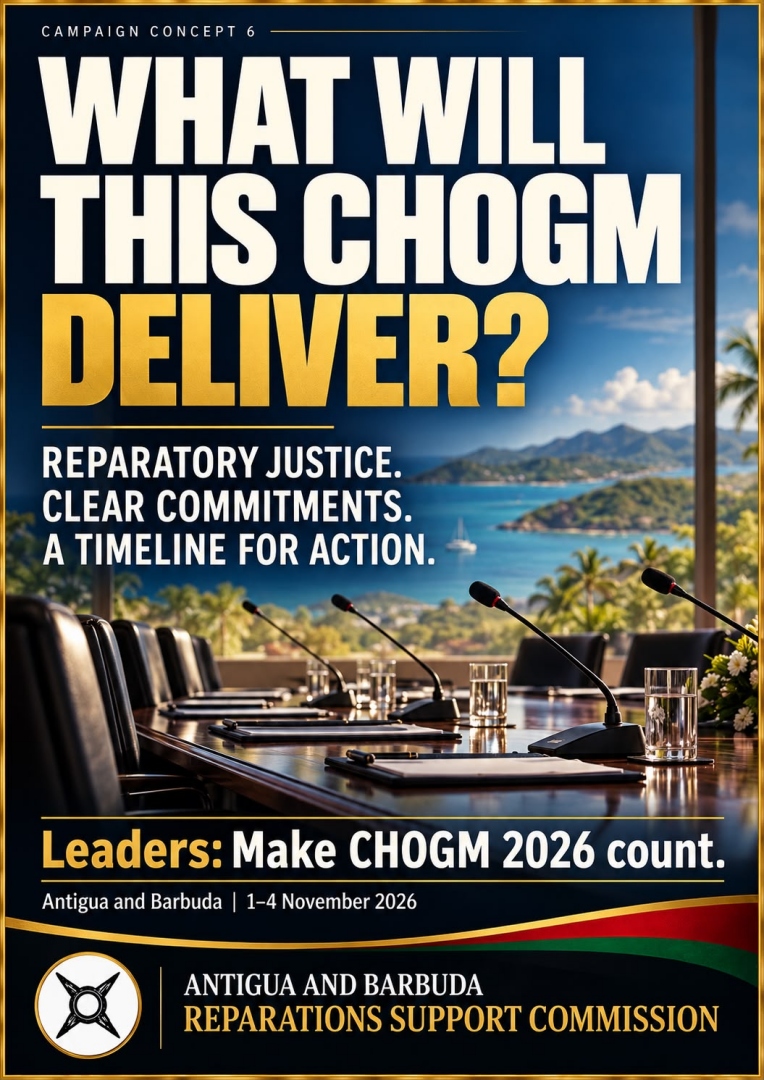
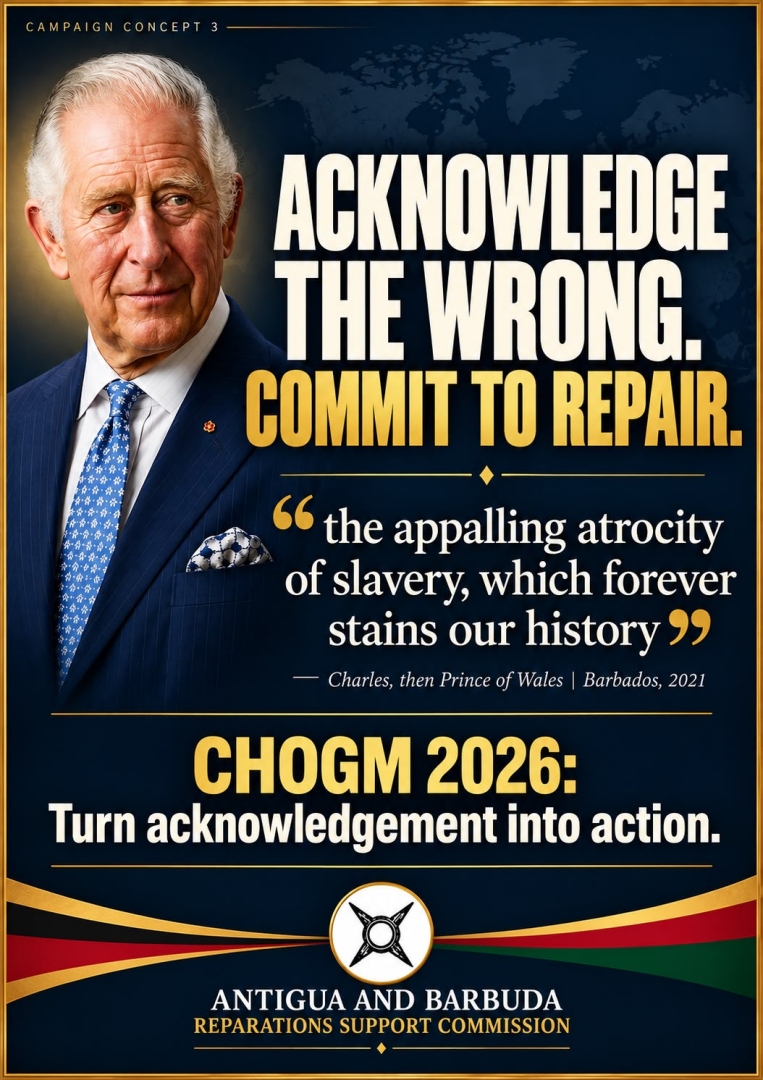
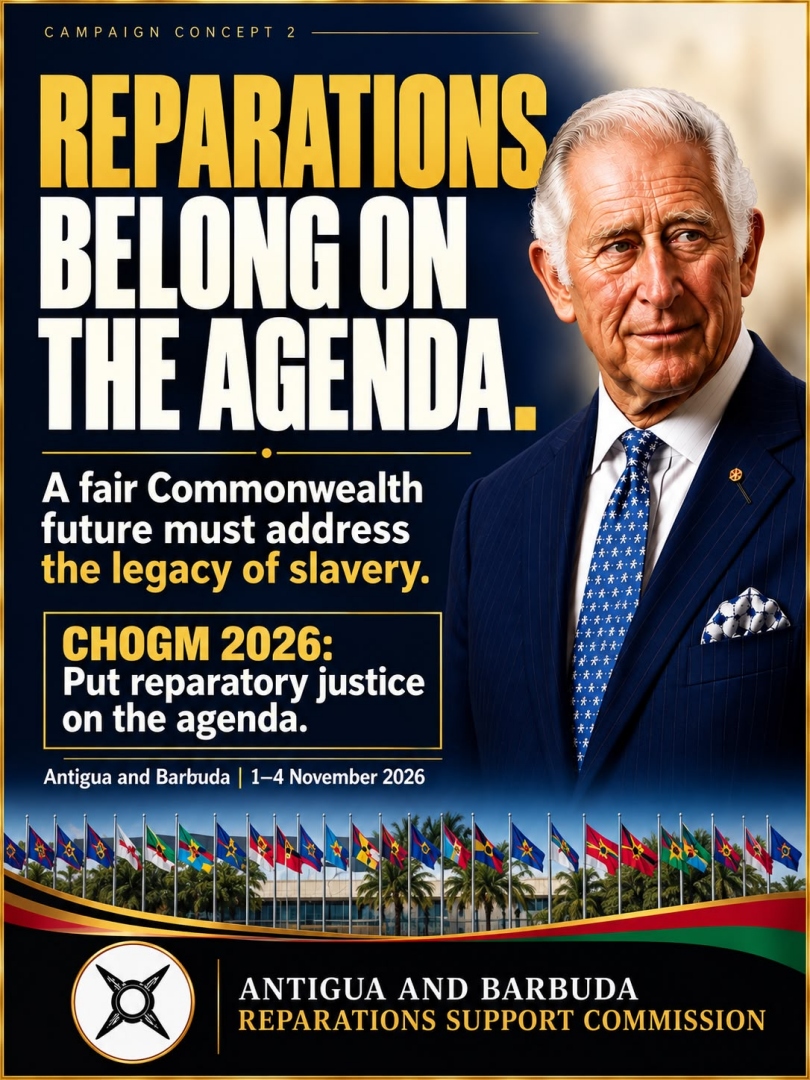
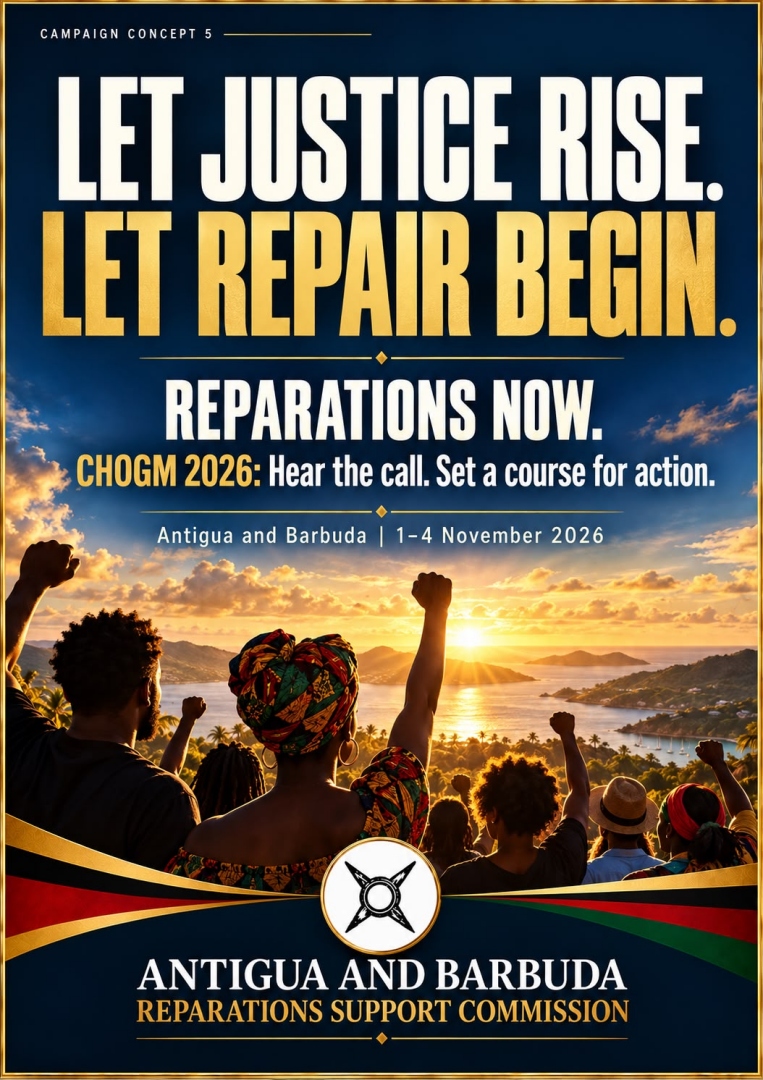
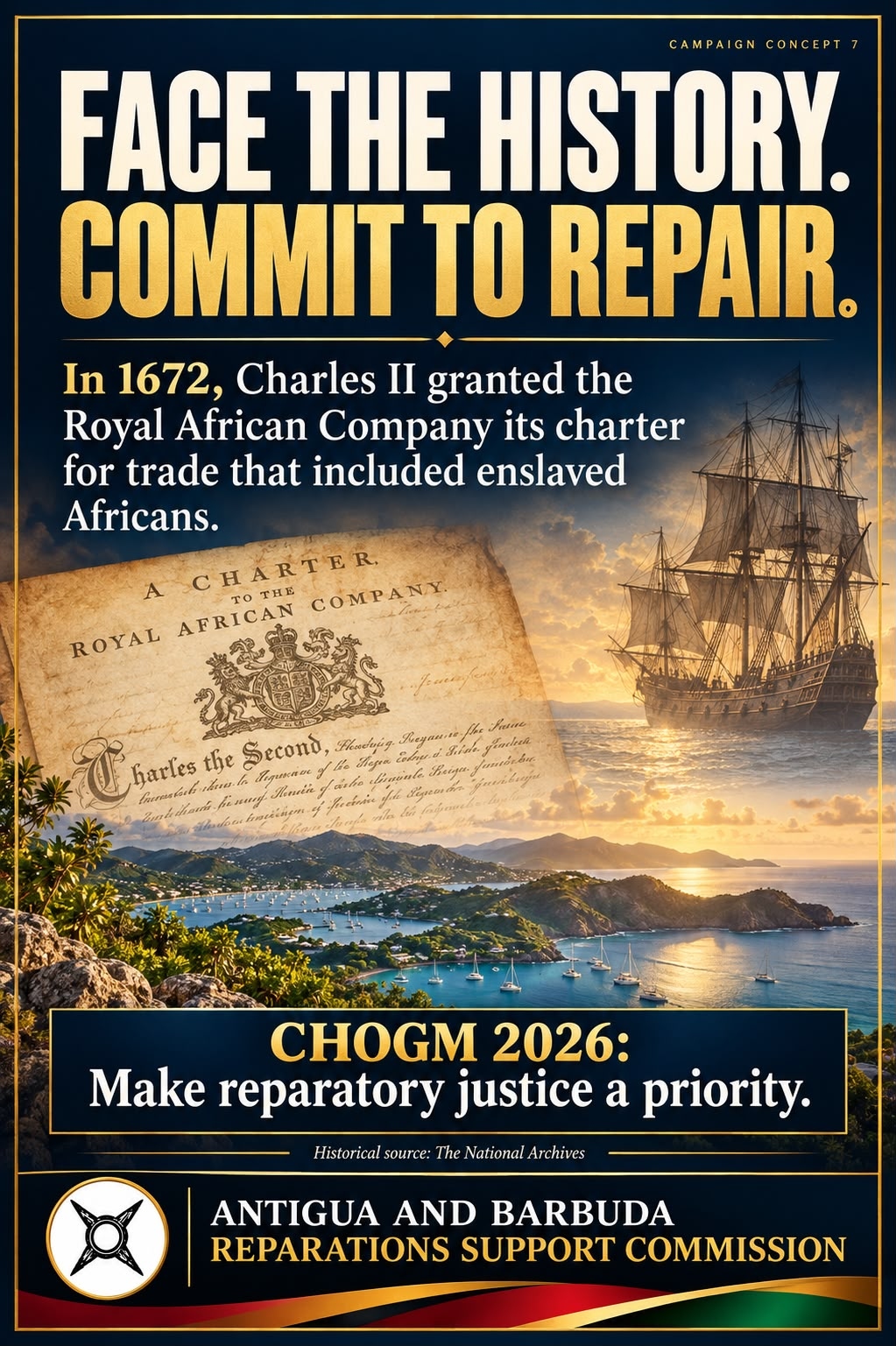
In prepping for the expected showdown, the national reparations committee of the host nation, the Antigua and Barbuda Reparations Support Commission (ABRSC), launched a poster/flyer war challenging the King to answer the call of history, while appealing to the Commonwealth Heads to do their duty and set the right course of action.
Under the leadership of Chief Dorbrene O’Marde, a vice-chair of the CRC, the ABRSC has been one of the most action-oriented rational reparations committees of Caricom. Two of their posters will be highlighted.
One poster demanded, “CHOGM 2026: Make reparatory justice a priority.” It called on the King to “FACE THE HISTORY. COMMIT TO REPAIR.”
It reminded the King of one of his royal ancestor’s complicities in the gravest crime against humanity: “In 1672, Charles II granted the Royal African Company its charter for trade that included enslaved Africans.”
In another flyer, the headline screamed boldly to the image of King Charles “ACKNOWLEDGE THE WRONG. COMMIT TO REPAIR.” The flyer reminded the King of his indictment of England in 2021, when he was still Prince of Wales: “the appalling atrocity of slavery, which forever stains our history.”
The prince had made similar statements several years earlier, such as his “deep regret” and “personal sorrow” for the pains of slavery and the transatlantic slave trade.
Any repetition of such sentiments at CHOGM ’26 would be considered as hypocritical platitudes lacking true remorse. In highlighting the new phase of the reparations movement, the second flyer also appealed directly to the Commonwealth Heads: “CHOGM 2026: Turn acknowledgement into action.”
The Bahamas is the first Caribbean stopover for King Charles on his way to CHOGM ‘26. Appropriately, The Bahamas National Reparations Committee (BNRC), led by Dr Niambi Campbell-Dean, is preparing a militant, ubuntu welcome for the King. Her message got wide coverage in British media.
The headline of an exclusive report by Russel Myers, the Royal editor of the Daily Mirror of 27 September 2026 proclaimed: “King Charles stinging warning as Caribbean campaigners demand an apology for Britain’s slavery links.”

The Rastafari, whose struggles ensured that repatriation to Africa is one of Caricom’s Ten Point Plan, are giving strong support to the reparatory justice confrontation. All Rastafari Mansions have been summoned for two “gatherings/protests” in the Bahamas to coincide with the King’s arrival.
Included in their flyer are four demands: “Justice and Reparations”, “Africa Unity and Reparation”, “End to Colonial rule”, and “Self-determination.”
Myers quoted Campbell-Dean’s keynote statement to Charles: “Our message is loud and clear: Don’t come here empty-handed.” She reiterated the core trajectory of the CRC: “An apology would be the first step toward justice and reparations must follow.”
Campbell-Dean reminded King Charles that “the monarchy was slavery’s greatest beneficiary” and recalled the monarchy’s “financial investment” in the Royal African Company that was established in 1660, expressly to traffic African captives into slavery in the Caribbean and North America.
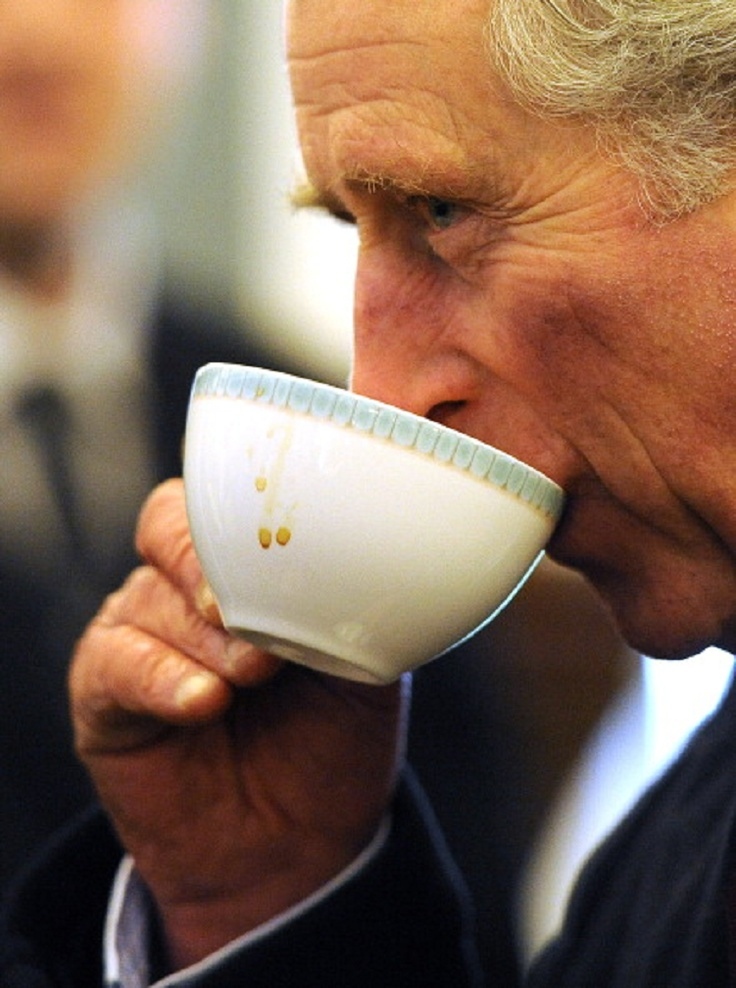
The Crown granted the company a monopoly of this criminal activity. Published in the Daily Mirror (28 September 2026), the headline screamed alongside a photo of Charles, “Be prepared to apologise.”
Charles will find no respite from avid campaigners for reparations when he visits Guyana, his second stop. President Mohamed Irfaan Ali has thrown his weight behind the National Committee, chaired by Chief Eric Phillips, a vice-chair of the CRC.
The President insists that Charles must issue a formal apology and make a commitment to financial reparations for chattel slavery. These demands enjoy the strong backing of the Guyanese public. (Jam Radio News, 21 October 2026)
The CRC is not waiting for the start of CHOGM. One of its latest preparatory moves was a press briefing on 22 October 2026.
Britain, one of the main beneficiaries of slavery, abstained from a UN vote that sought to recognise the transatlantic slave trade as “the gravest crime against humanity”.
Striking his customary diplomatic tone, in contrast to the more militant demands of national committees and chairs, but no less firm and uncompromising, CRC’s chairman, Professor Sir Hilary Beckles, interpreted Resolution 80/250 as “a global democratic decision”.
Instead of an ultimatum to Charles, Beckles appealed to his conscience: “I’m appealing to a man. I’m appealing to Charles Windsor, a parent, a grandparent, a man who today looks at the history of his family and can see the enrichment that slavery has brought to his family.” (News Room Guyana, 22 October 2026).
Nevertheless, in concert with his national committees, Beckles is also in no mood for royal platitudes. Succinctly crafting his invitation with a touch of admonition, he said sternly, “Let the negotiations begin.”
This call echoes the watchwords of the new phase of the Caricom reparations movement, “from advocacy to action.”

“[…] To be sure, reparative justice advocacy must also include an honest self-assessment by Africa and the African diaspora about Read more

Leadership brings buckets of conundrums, and no matter how well-intentioned, few are equipped to face its challenges. Over the past Read more

“I am the sugar at the bottom of the English cup of tea. I am the sweet tooth, the sugar Read more

“[…] Despite the refusal of European governments to engage the issue, the moral landscape across the world has changed discernibly Read more

Buckingham Palace announced on Thursday 8th September 2022 the death of Her Royal Highness Queen Elizabeth, as per her official Read more

“[…] The fact is that 2015 - 2025 was declared by the United Nations as the International Decade for People Read more

Claudius Fergus is a retired Senior Lecturer in the Department of History at UWI’s St Augustine Campus who specialises in the abolition of British colonial slavery and its transatlantic slave trade.
His major work on the subject is Revolutionary Emancipation: Slavery and Abolitionism in the British West Indies (2013). He has other extensive publications in peer-reviewed journals and edited books.
