 Wired868 Wired868 for smart sport news and opinion
As always, October looks lovely. There are pink ribbons to look at in the bank while waiting in an awfully long line with two tellers, pink labels in the supermarket and pink balloons at the entrance to a company whose staff have been asked to wear pink on Friday.
There will probably be a picture of them on Facebook eating doubles (hopefully the channa is not pink) after a 5k.
The term “pinkwashing” describes the use of breast cancer concern to polish a reputation or sell a product without a meaningful commitment. You do not need to be cynical to ask how much money reaches patients.
A pink label may promise that “a portion of proceeds” will be donated. I would love to know what portion and to whom after I run the road race.
I have nothing against “Pinktober”. Since Estee Lauder’s 1992 campaign with 1.5 million pink ribbons, breast cancer awareness has helped women seek care and supported families. Many fundraisers are organised by people who have lost someone and are trying, through the most painful kind of experience, to help somebody else.

The troublesome details of breast cancer are less welcome. Who paid for the biopsy of the lump? How long did the result take? Who minded the children while she received treatment?
Why did scans take months to get a report? Why were medications not always available? Did she lose her job?
Early detection requires somewhere to go. A suspicious finding requires investigation. A diagnosis requires a treatment plan that the patient can actually complete. An awareness campaign ought to follow the woman beyond the moment she agrees to get checked.
Friends often say, “Let me know if you need anything.” They mean it kindly but ought to be more specific.
Take her to the clinic or collect the prescription. Bring dinner but check before visiting or bombarding with messages after chemotherapy.
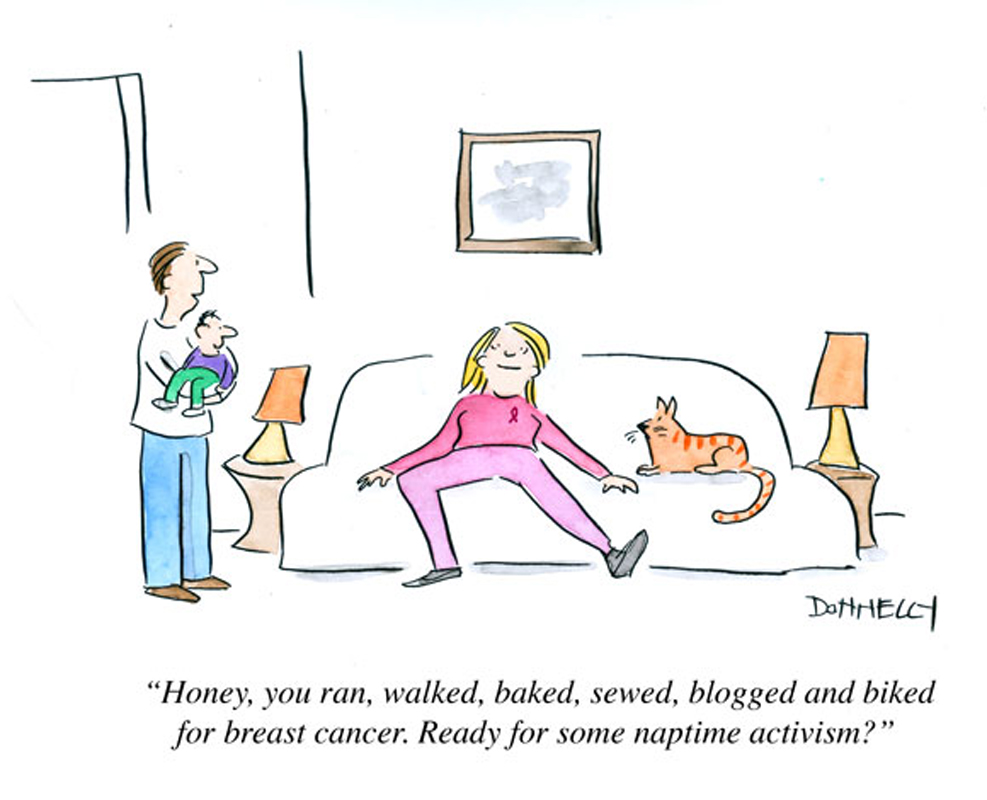
Patients don’t have to be “inspirational” either. A woman can be frightened, furious or thoroughly fed up and still deserve excellent care. She should not have to perform optimism to keep the people around her comfortable. And a woman who dies has not “lost her battle” because she lacked courage or faith.
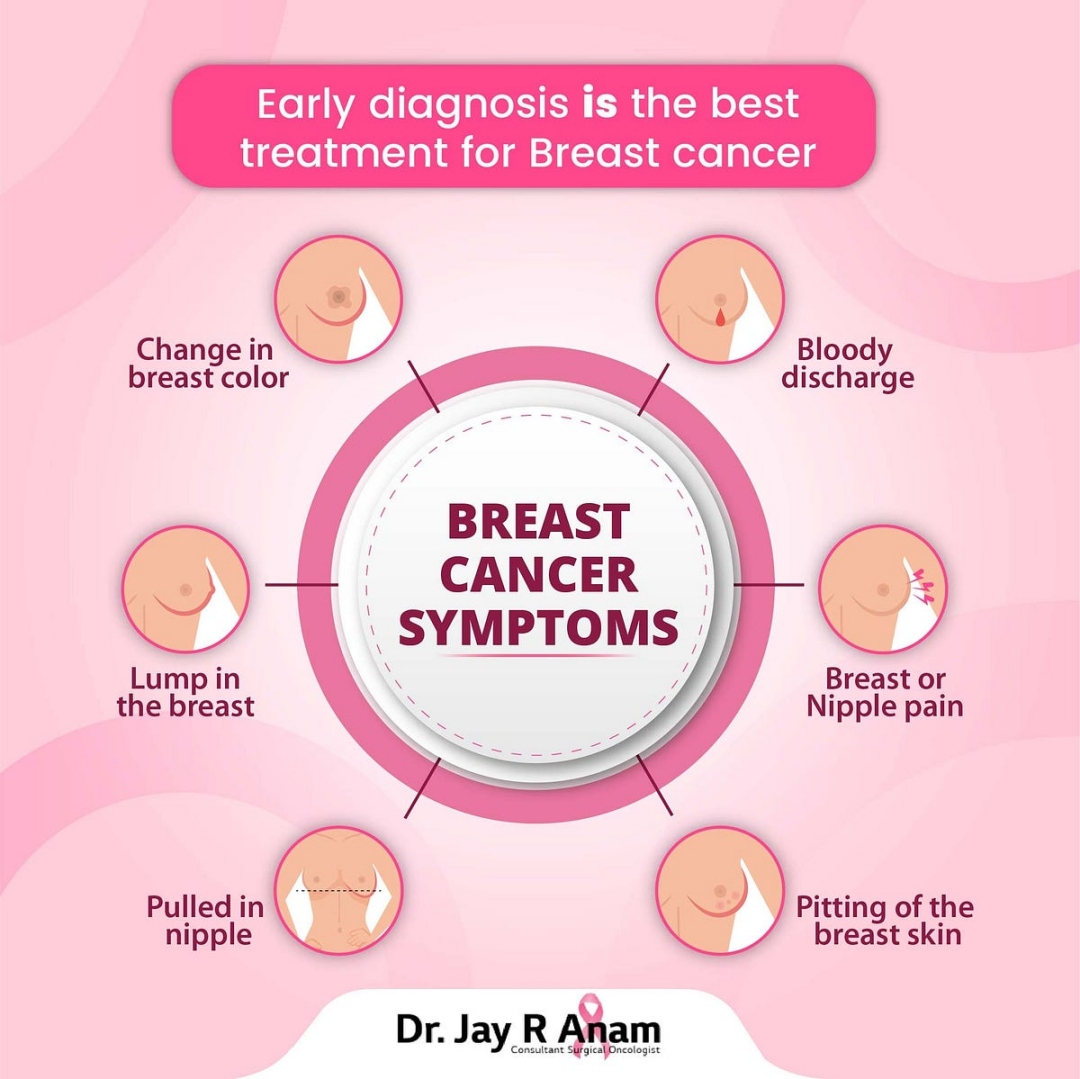
A new breast or armpit lump, nipple changes or discharge, skin dimpling, or a change in breast shape deserves assessment. Most lumps are not cancer, but reassurance should follow an appropriate examination. Men can develop breast cancer too and any changes deserve the same attention.
Most women diagnosed have no known family history. Conversely, a significant family history should prompt a discussion about individual risk and whether genetic advice is appropriate. Other risk factors include early periods, late menopause, hormonal replacement therapy, obesity and excessive alcohol consumption.
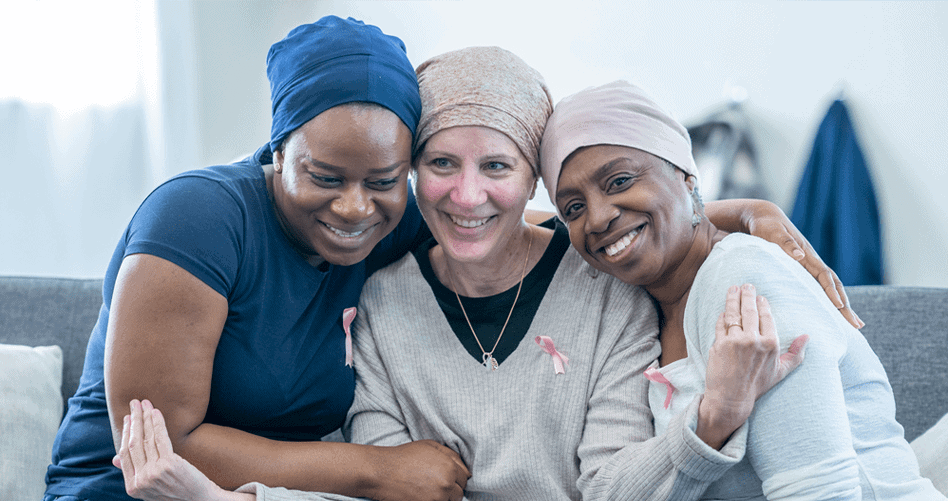
Screening means checking before symptoms appear. Guidelines differ: US recommendations include mammograms every two years from 40 to 74 for women at average risk.
Discuss timing with your clinician. Ultrasound may help investigate a finding but does not simply replace screening mammography.
Treatment has moved well beyond a single prescription for chemotherapy. Depending on the cancer, it may involve surgery, radiotherapy, hormone tablets or medicines that target particular features of the tumour.
Testing the tissue for hormone receptors and HER2 helps determine which treatment offers the best chance.
There are dirty secrets that few discuss. A woman may struggle with altered sensation, pain, fatigue or the way she feels when she undresses. She may want to talk about sex and be waiting for someone to give her permission. She may mourn a part of her body while feeling grateful to be alive.
Keep calling after the last chemotherapy session.
Good palliative care is lacking for those whose cancer cannot be cured. Pain relief, honest conversations, comfort and help for the family are worth funding. Many have “bucket lists” to complete.

When a biopsy result is delayed, a medicine is unavailable or radiotherapy is interrupted, the burden lands in somebody’s home. People start begging for money. A mother wonders whether to pay privately or wait.
We should publish treatment waiting times and medicine availability alongside our October photographs.
Feel free to wear the ribbon—but let it be an opening for a conversation, a reminder to arrange care, or a way of raising money whose destination is clear.
|
Wired868 has provided readers with solid, independent journalism since 2012. If you appreciate our work, please contribute to our efforts. Support Independent Journalism |


Imagine her beside the hospital bed, handbag slipping off one shoulder, phone vibrating with messages from work. Her father is Read more
The prescription for healthy living was flawless, if I do say so myself. Grilled fish, fresh vegetables, fruits bursting with Read more
World Suicide Prevention Day is observed annually on 10 September. The international theme for 2024 to 2026 is “Changing the Read more

In the days before the new academic year begins, the quest for books, uniforms and shoes continues. Health is often Read more

This Independence Day, Trinidad and Tobago turns 64. If the country were one of my patients, this would be about Read more

The third scalding shower before breakfast was not for cleanliness. It was the only place the young man stopped vomiting. Read more