 Wired868 Wired868 for smart sport news and opinion
Birthdays matter in public policy, and the government’s move to raise the legal age for alcohol and tobacco to 21 and cannabis to 25 has brought the issue into sharp focus.
Medicine gives us good reasons to intervene early but public health requires us to do rather more than change a number.

The smoker struggling to quit at 50 may be wrestling with a dependence established decades earlier. An age restriction is an attempt to prevent recruitment into a dangerous habit. It cannot confer safety on the product.
Alcohol presents a different challenge as a “social lubricant”. The person asking for water at an event may find themselves trying to explain the rationale.
Young people notice these things.
There is also clinical evidence from the United States that a minimum drinking age of 21 years reduces underage intoxication and road crashes. Enforcement, availability and social customs influence what a law achieves.

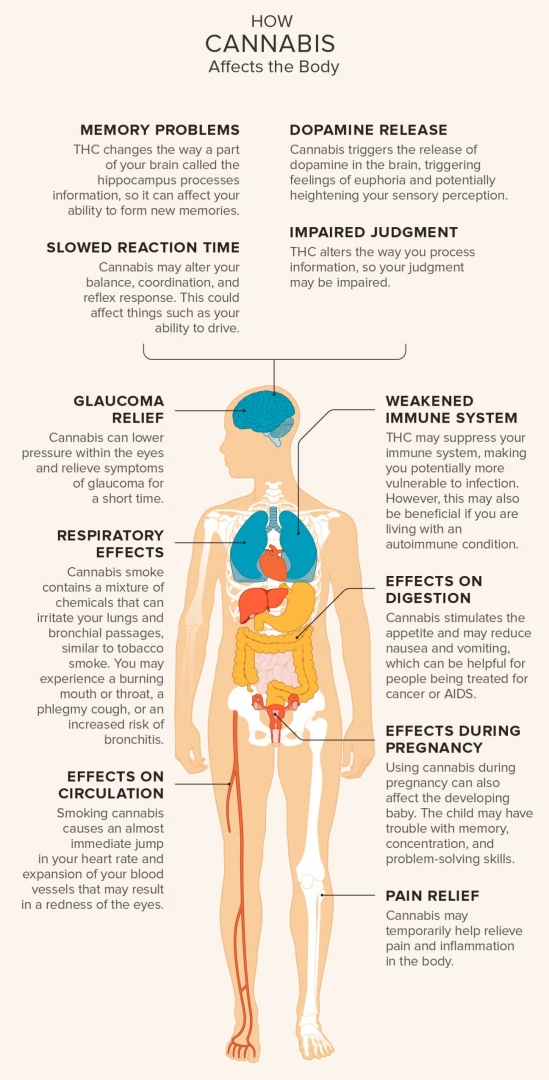
Cannabis can affect attention, memory and coordination. Earlier and more frequent use is associated with a greater risk of dependence and psychosis.
Important brain systems continue maturing through the twenties, including those involved in planning and managing impulses.
Development varies between people and brain systems (especially Parliamentarians). Neuroscience does not supply a safe age for use.
Youths affected by these proposals have responsibilities, ambitions and opinions of their own. They deserve to be consulted and protecting someone’s health does not remove the obligation to explain restrictions on their freedom.
Enforcement needs clear rules, practical guidance and consequences for sellers who repeatedly ignore them. Adults supplying younger people must also feature in the prevention effort.
Cannabis poses a further practical question. How much access will the law actually prevent, and how much purchasing might move towards illegal suppliers?
A fine does not provide nicotine replacement, assess anxiety or rebuild a damaged relationship. Treatment must be accessible and any referral pathway must lead to a service with the capacity to receive the patient.
We want young people to speak honestly about substance use. Fear of humiliation or punishment can complicate that conversation.
Parents and other adults have responsibilities that no statute can discharge for them. Practice what you preach. Schools, families and communities need opportunities for recreation, belonging or support that make substance use less attractive.
Invite young adults, clinicians, teachers, retailers and people with experience of addiction into the discussion. Their account of a waiting list or an unanswered telephone may be more useful than another declaration of resolve.

(via youthforum.org.)
Publish the implementation plan, identify who is responsible for each part and provide the resources.
Establish a baseline and publish results: substance use among young people, illegal sales, alcohol-related injuries, treatment access and the distribution of penalties.
Success would mean fewer people becoming dependent, fewer families receiving terrible news and more people finding help early.
My position is therefore supportive, with caveats. Delaying exposure is a worthwhile aim. Legislation can create an opportunity but whether that translates into better health will depend on the work around it.

Photo: Ministry of Health.
Raise the age, certainly. Then show the young person trying to quit where the clinic is, who will see them and how soon.
That is where the promise of protection becomes something they can use.
Covid-19 was a masterclass in socioeconomic inequities but heatwaves have also ignited pervasive disparities in our society. The elderly, those Read more

This Independence Day, Trinidad and Tobago turns 64. If the country were one of my patients, this would be about Read more

“[…] ‘No rule was broken’ is a legal answer to a question that isn’t, at its heart, legal. It’s a Read more

The third scalding shower before breakfast was not for cleanliness. It was the only place the young man stopped vomiting. Read more

Men will discuss chest pain, blood in the urine and constipation with surprising courage. Erectile dysfunction often arrives in a Read more

Coffee and chocolate have spent years in and out of medicine’s good books. One month, coffee is blamed for palpitations, Read more