 Wired868 Wired868 for smart sport news and opinion
“[…] ‘No rule was broken’ is a legal answer to a question that isn’t, at its heart, legal. It’s a question about what the Savannah is, who it belongs to, and on what terms it was ever meant to be touched…”
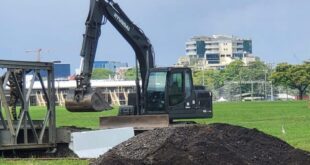
The following Letter to the Editor on the Government’s infrastructural work at the Queen’s Park Savannah for 2026 Independence Day celebrations was submitted to Wired868 by Dennise Demming, a wellness therapist, communications coach, and speaker:
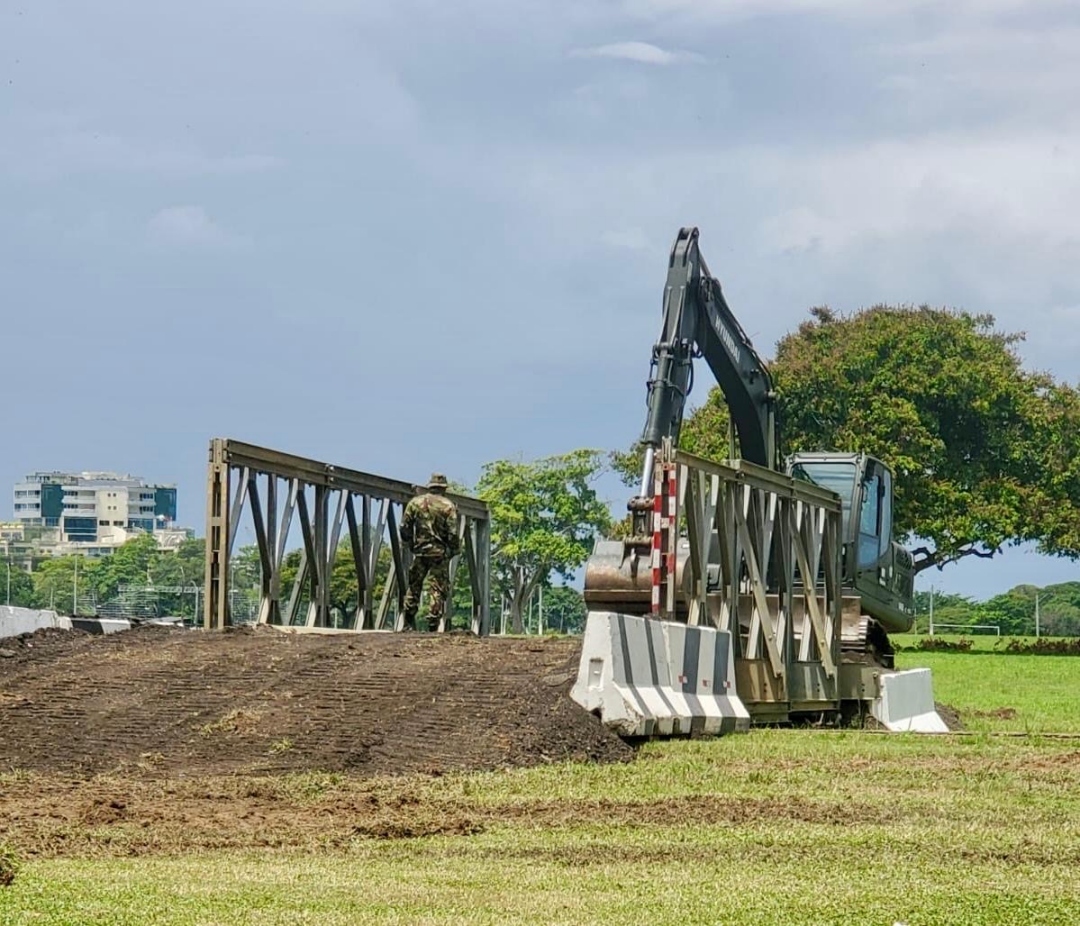
(via FOBGTT member.)
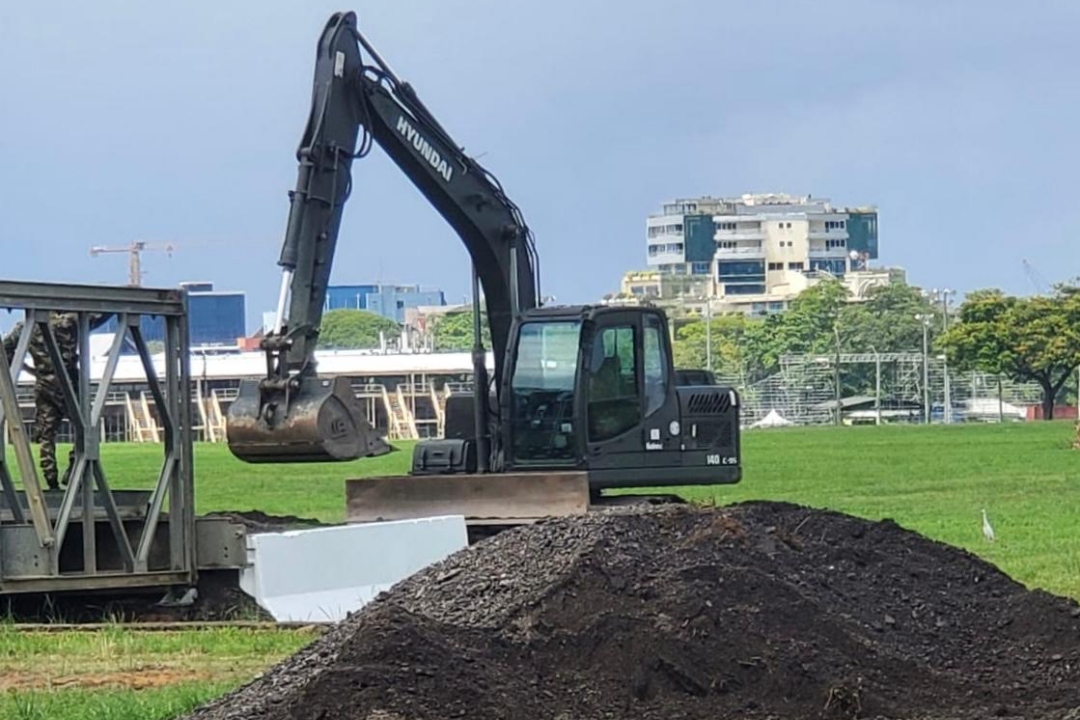
The EMA’s finding that works at the Queen’s Park Savannah breach no regulation may be technically accurate. But it’s the wrong test.
“No rule was broken” is a legal answer to a question that isn’t, at its heart, legal. It’s a question about what the Savannah is, who it belongs to, and on what terms it was ever meant to be touched.
It’s worth remembering what the EMA is for. It was established under the Environmental Management Act of 1995, created because environmental protection had been scattered across roughly 28 agencies and 40 laws, with no single body accountable.
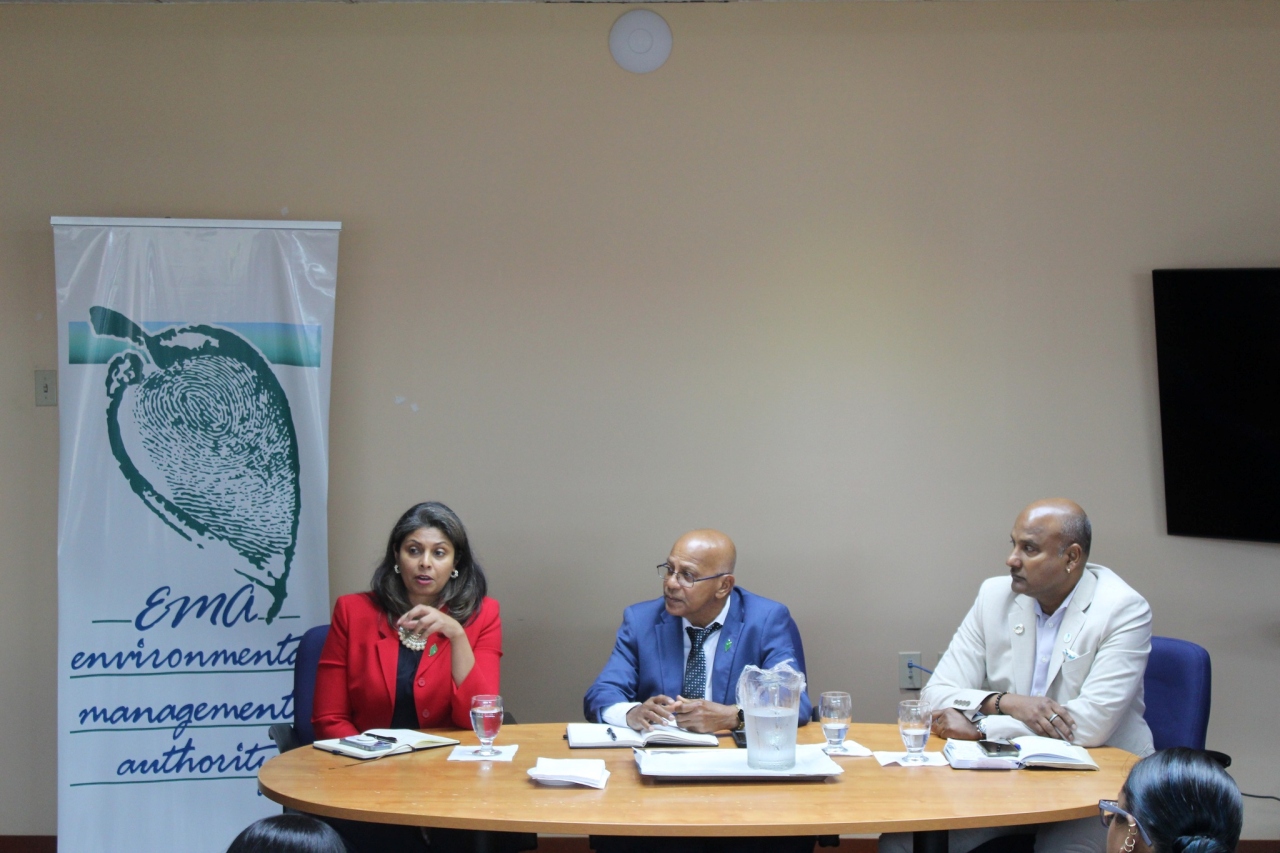
Photo: EMA.
Thirty years on, that authority says “temporary” ramps and gravel over box drains raise no concern—a narrower answer than its mandate.
Then there is the history the EMA sidesteps. The Savannah was not public land by default.
It was purchased in 1817 from the Peschier family on the explicit understanding that it be used “as a Park and place of exercise and recreation for the public”. That was the condition of the transfer—the terms under which this country holds the Savannah in trust.
A covenant restricting paving exists because that founding purpose has needed defending before, from generations who also thought “temporary” was good enough to escape scrutiny.
Go back further, and the ground remembers more. Long before it was Queen’s Park Savannah, this land was part of Cumucurapo—the Indigenous settlement whose name is understood to mean “place of the silk cotton trees”.
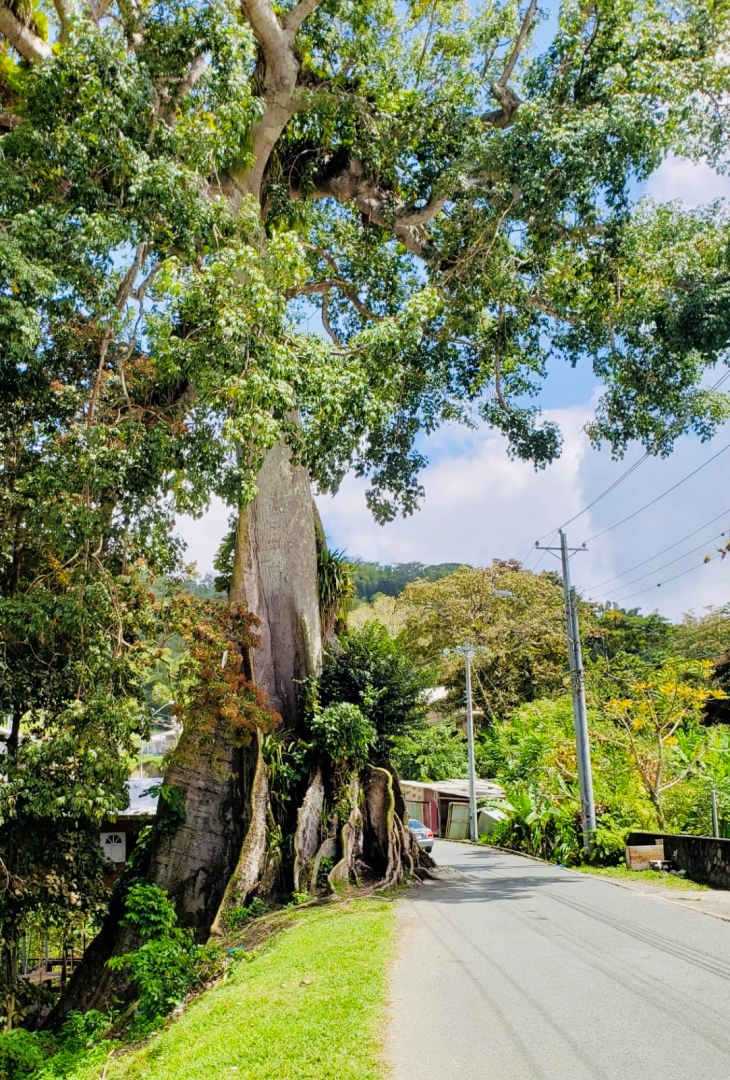
(Courtesy Serina Hearn.)
The silk-cotton, Ceiba pentandra, was a spiritual keystone across Indigenous cultures of the Neotropics, connecting earth, ancestors and the celestial realm. The colonial city grew over an Indigenous landscape with its own cosmology.
Cumucurapo survived that overwriting. And when a people’s understanding of land is erased, what is attacked is identity itself.
So, when the EMA calls these works “temporary” and therefore no breach, it answers a narrower question than the one being asked: whether the Savannah—held in public trust for 200 years, on ground with a far older history still—is being treated with the seriousness that history demands, or whether “no rule against it” has quietly replaced “is this right”.
- Infrastructural work at the Queen’s Park Savannah for 2026 Independence Day celebrations.
(via FOBGTT member.)
Absence of a rule is not absence of an obligation. The Savannah was never land the state was free to develop, and the EMA was never established merely to certify paperwork.
Any government altering it owes the public an honest account of what is being done, and why.
Is this new UNC Government celebrating our Independence, or declaring its independence from public accountability and the rights of its Read more

“[…] As the applause faded, I thought about our inconsistent and unreliable water schedule, even in the rainy season. I’ve Read more
There is a strange irony in the national conversation now unfolding. We are being asked to consider hosting artificial intelligence Read more
A 13-year-old girl singing Tight and Pretty with sexually explicit lyrics is a child protection issue! The Child Protection Unit Read more
“[…] I remember July 27, 1990—the fear, the uncertainty, the families gathered around radios and television sets. The attempted coup Read more
“[…] (John Aboud’s Superior Hotels) consistently refused to adjust the project’s scale, design, or mitigation strategies, demonstrating a profound lack Read more

Dennise Demming grew up in East Dry River, Port of Spain and has more than 30 years experience as a communication strategist, political commentator and event planner. She has 15 years experience lecturing business communications at UWI and is the co-licensee for TEDxPortofSpain. Dennise is a member of the HOPE political party.