 Wired868 Wired868 for smart sport news and opinion
“[…] The media release by the heads of judiciaries—that seemed to focus on the leak of the emails and breach of confidentiality, risked thereby missing the critical issue—which is that leaks of that nature occur when there is real organizational stress and upset and institutional integrity is at stake.
“[…] Those are the major concerns! […] Based on the remarks by the judges in the emails, it seems to me that there is a crisis of confidence in the leadership of the CCJ…”
The following Letter to the Editor on the present rumblings within the Caribbean Court of Justice was submitted to Wired868 by Dr Terrence W Farrell, economist, lawyer and former deputy governor of the Central Bank of Trinidad and Tobago:
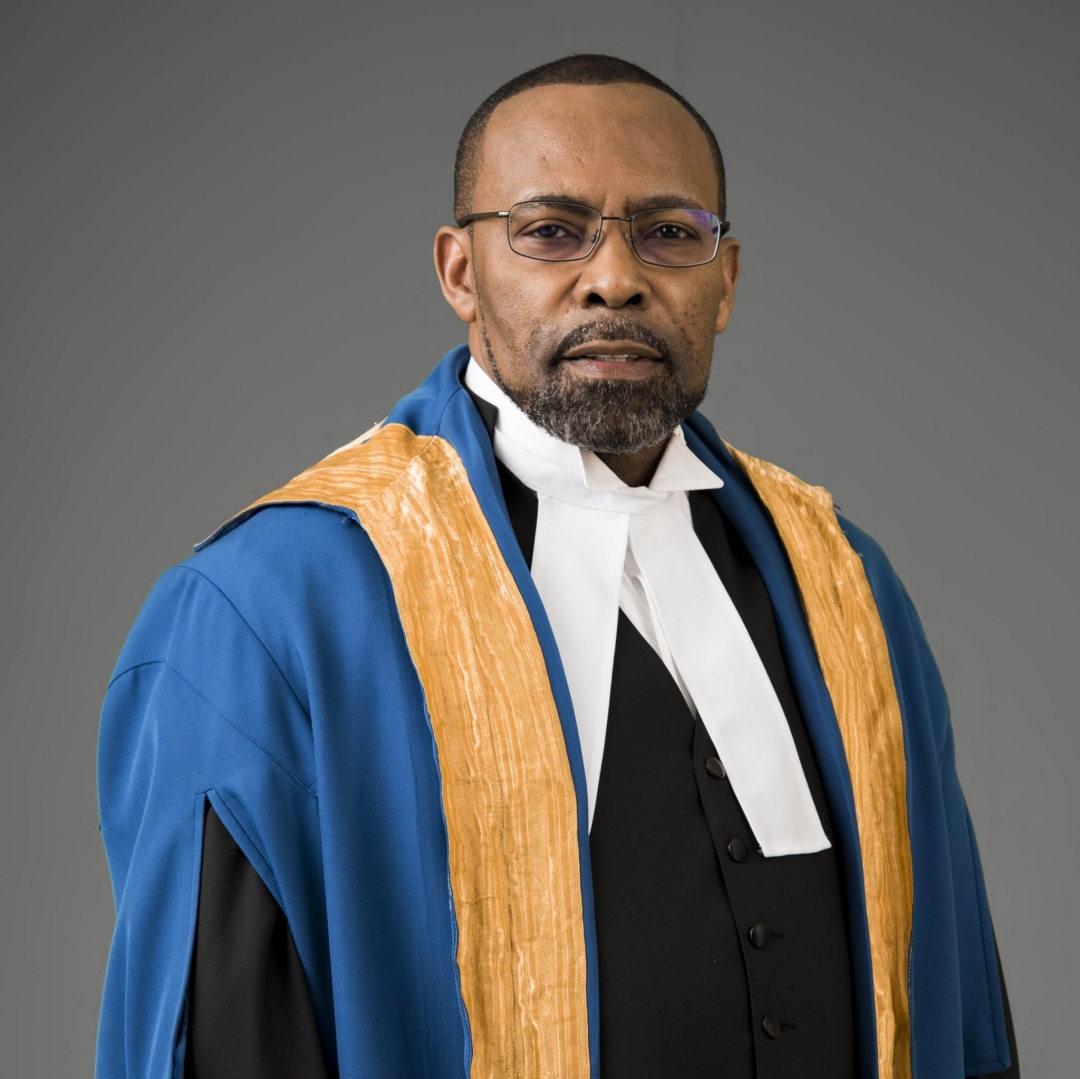
Photo: CCJ.
The recent developments at the Caribbean Court of Justice have been stunning and disappointing, especially for those persons, like myself, who have been (and continue to be) advocates for the CCJ.
While I am not privy to the details of what has transpired, it is clear from the leaked emails that the ‘dress code’ issue is merely the straw that broke the camel’s back and there have been governance issues bubbling and festering at the CCJ since its new president took office.
I should say here that the media release by the heads of judiciaries—that seemed to focus on the leak of the emails and breach of confidentiality, risked thereby missing the critical issue—which is that leaks of that nature occur when there is real organizational stress and upset and institutional integrity is at stake.
Those are the major concerns!
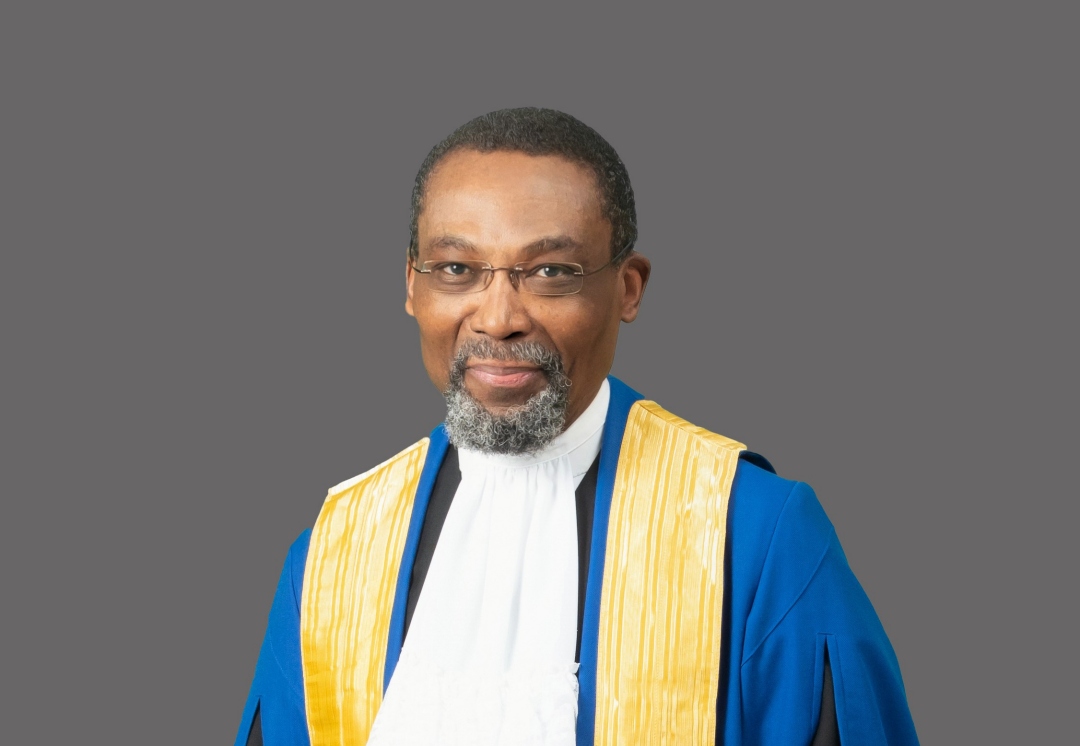
Photo: CCJ.
I would be delighted if it were not so, but based on the remarks by the judges in the emails, it seems to me that there is a crisis of confidence in the leadership of the CCJ.
Effective leadership depends on the organizational context and judicial leaders do not have the same latitude to impose their vision as say, leaders in the private sector. Even in the private sector however, good leaders enroll others into their vision and seek to build consensus.
In any sphere where leadership is exercised, whether in politics, the military, or in corporations, loss of confidence in the leader is usually fatal.

‘Loss of confidence’ is amorphous and arises from the accumulation of the leader’s actions and decisions, which cause those whom he leads or to whom he is responsible to lose confidence in him.
It may be loss of confidence in his character, or his judgment, or simply his style of leadership which creates friction and dissonance and inhibits the smooth functioning of the organization.
There is no playbook for dealing with a ‘rogue’ leader. In politics, the resolution runs the gamut from assassination, to coups, to orchestrated withdrawal of support by key party members.
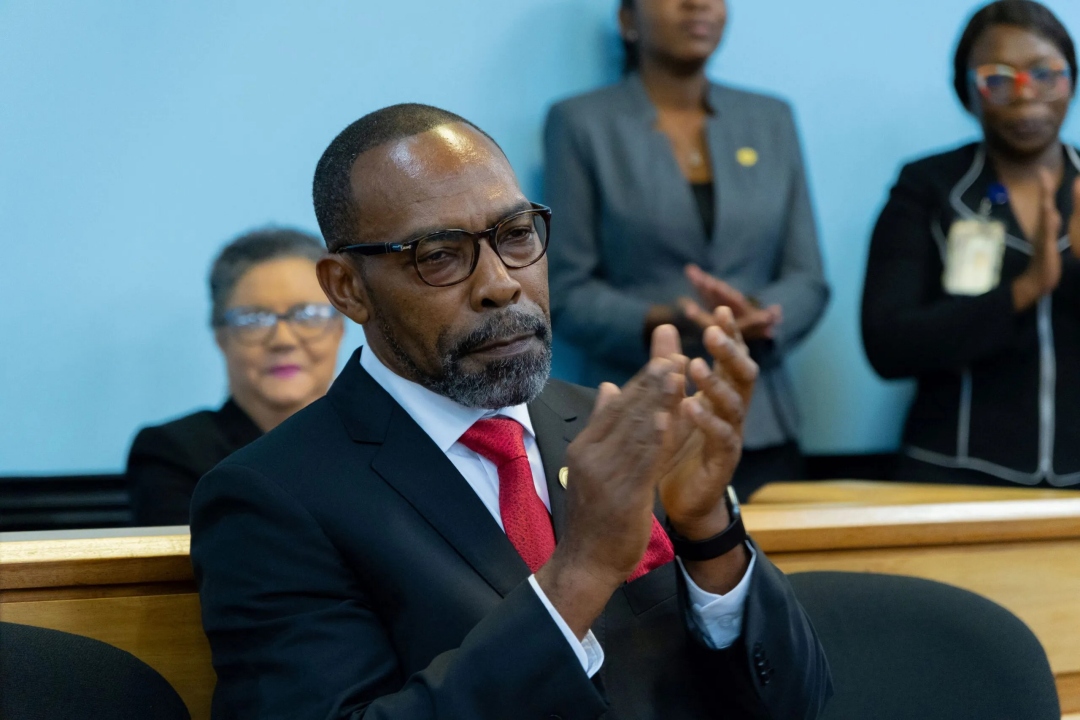
(via Caribbean Life.)
In corporations, the senior independent director, if there is one, takes charge and mobilizes board or shareholder support to oust the chairman.
In every case, the process is traumatic and sometimes messy—mainly because the leader does not want to go, and may fight back, even if the organization is damaged or destroyed in the process.
In the instant case, given already weak public confidence in the CCJ and suspicion in some quarters about the potential for political influence over the decisions of the court, it is imperative first of all that the institutional integrity of the CCJ be held paramount.
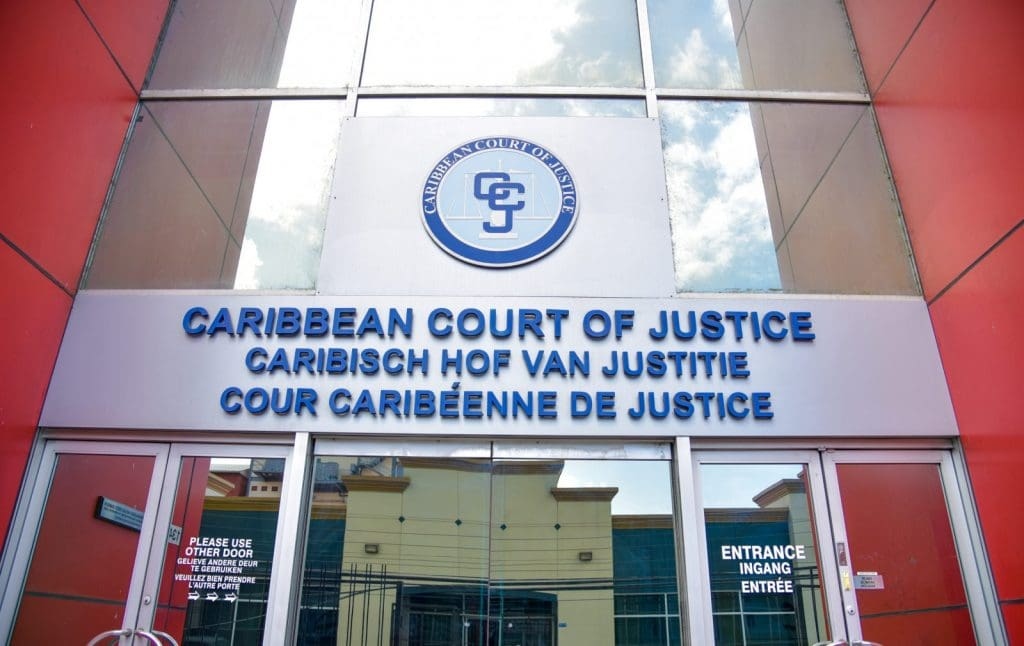
(via Oilnow.gy.)
And second, that the regional heads of government, who do have the power to appoint and remove the President, should not be engaged at this stage, or at all!
It is for the RJLSC (Regional Judicial Legal Services Commission), acting quickly but deliberately, to engage the CCJ’s President and its judges—based on the facts as well as their feelings and perceptions—to assess whether and to what extent there has been a loss of confidence in the organization’s leader.
They must then determine whether the situation can be repaired through mediation or conciliation. If they determine that the situation cannot be repaired, they must counsel the President on his best course of action given the imperative of preserving the integrity of and public confidence in the CCJ.

The RJLSC must resist the temptation to entertain any vain hope that things will magically get better and so kick the can down the road. They must be mature, wise and resolute—and though they are lawyers, not become entrapped by legalism.
In 2019, I addressed the Caribbean Association of Judicial Officers (CAJO) on the topic of Judicial Conduct. I advocated there for the ‘corporatization’ of our judiciaries, including the CCJ.
‘Corporatization’ means the adoption of institutional norms, standards, and processes, similar to what obtains in large corporations.

Photo: CCJ.
Last year, I presented to heads of judiciaries on judicial leadership and reiterated the need for guidelines and policies, agreed internally and documented.
These would clarify, for example, where authority lies and for what purpose, how authority is exercised and constrained, reporting structures within the organization, the role of the chairman, the role of the service commission, and so on.
The process of documenting these guidelines and policies will establish an organizational ethos which will facilitate resolution when conflicts inevitably arise.
It would surprise many to know that while our judiciaries have adopted judicial conduct guidelines, they often function without such basic governance frameworks, leading sometimes to administrative or inter-personal conflict.
Every crisis is an opportunity. Over the last 21 years, the CCJ under Michael De La Bastide, Sir Dennis Byron and Adrian Saunders managed to build an organization in which five countries placed their trust and confidence in the court to adjudicate their disputes at the apex level.
The CCJ has experienced administrative conflict before and made public relations mistakes when it advocated too openly for accession to the court. But it excelled in beginning to forge a genuine Caribbean jurisprudence and dispensed justice fearlessly in matters involving regional governments.
Photo: CCJ.
However unwelcome, the current crisis is an opportunity for the CCJ to institute an appropriate governance framework, and to articulate and then consolidate the kind of leadership ethos which all our Caribbean courts should embrace.
I am not a politician. I’m certainly not a senator. I am just a citizen who pays attention. So, when Read more

Today, Trinidad and Tobago, and indeed the Caribbean, bids farewell to a true cultural giant. With the passing of Dr Read more
There is an old adage that says: “a wise man learns from the mistakes of others, while a fool learns Read more
“[…] It is nothing short of amazing how this current political directorate can go from conceptualization of 30 ‘police post’ Read more
Thirteen years have passed since health care workers, Lake Asphalt employees and other workers last received a salary adjustment. In Read more
“[…] To the ‘UNC family’ she offers the old tired hymn: lagoons, cane fields, salt and rice, ponds and springs—the Read more

Want to share your thoughts with Wired868? Email us at editor@wired868.com.
Please keep your letter between 300 to 600 words and be sure to read it over first for typos and punctuation.
We don’t publish anonymously unless there is a good reason, such as an obvious threat of harassment or job loss.
