 Wired868 Wired868 for smart sport news and opinion
“[…] This is not about necessarily copying Jamaica’s MVP, but developing the same philosophy with Trinidad and Tobago coaches, facilities, management, sports science, training groups, education partnerships, and sponsorship.
“Create an environment where a talented 17- or 18-year-old doesn’t automatically think: ‘my only route to becoming an international athlete is to leave’…”
In the following guest column, Canada-based track coach Tony Hatt suggests how Trinidad and Tobago could create a better environment for the sake of athlete development:

Photo: Nicholas Bhajan/ Wired868.
An important question for Trinidad and Tobago’s athletics community is: why do our athletes believe they need to leave Trinidad and Tobago to become better athletes?
That, in my view, is one of the most important questions facing our athletics today.
Over the years, we have had athletes such as Keshorn Walcott and Jehue Gordon who chose to remain in Trinidad and Tobago and develop here, rather than attend an American university.
Their decisions demonstrate that it is possible for a talented athlete to remain at home and achieve international success.

Photo: Sean Morrison/ Wired868.
But why don’t more Trinidad and Tobago athletes feel that way?
In comparison, many Jamaican athletes have chosen to remain in Jamaica to train and develop. Why?
It is not simply about patriotism, comfort, or a desire to remain close to home. Jamaica has built an athletics environment in which an athlete can pursue high-level development without having to leave the country to find it. That is an important distinction.
If we ask Jamaican athletes why they choose to stay, many will point to the quality and depth of the environment around them.
Jamaica has developed an unusually large pool of coaches with experience developing athletes from youth through the senior international level. That matters enormously to a developing athlete.

Bolt trained in Jamaica with coach Glen Mills at Racers Track Club.
(via People.com.)
An aspiring Jamaican athlete can find coaches who understand the progression from school competition to national competition and ultimately to the international stage—not only in the sprints, but across many areas of athletics.
The athlete can develop within an environment where the coach, training group, competition structure, and expectations evolve as the athlete progresses. The athlete can see a pathway—and most importantly, the athlete can see other athletes who have travelled that pathway before them.
That continuity is extremely important.
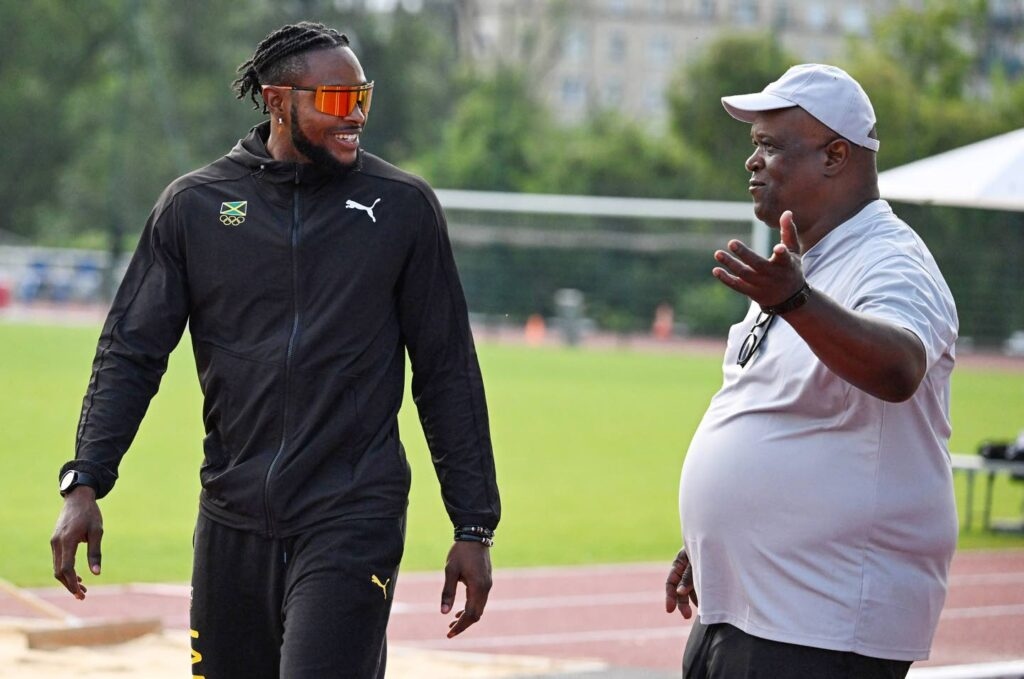
In 1999, Jamaica coach Stephen Francis had a vision. He wanted to give their athletes a Jamaican option after high school. He started a club called MVP with his brother Paul Francis, David Noel and Bruce James at Wolmer’s Boys’ School in Kingston.
He used his life savings to satisfy his vision and challenge the assumption that Jamaican athletes had to leave Jamaica to become elite. At the time, the conventional pathway for many of their best high-school athletes was to accept an athletic scholarship to a university in the United States.
MVP’s mission was to demonstrate that Jamaican athletes, coached by Jamaicans, using Jamaican facilities and Jamaican management, could become the best in the world.
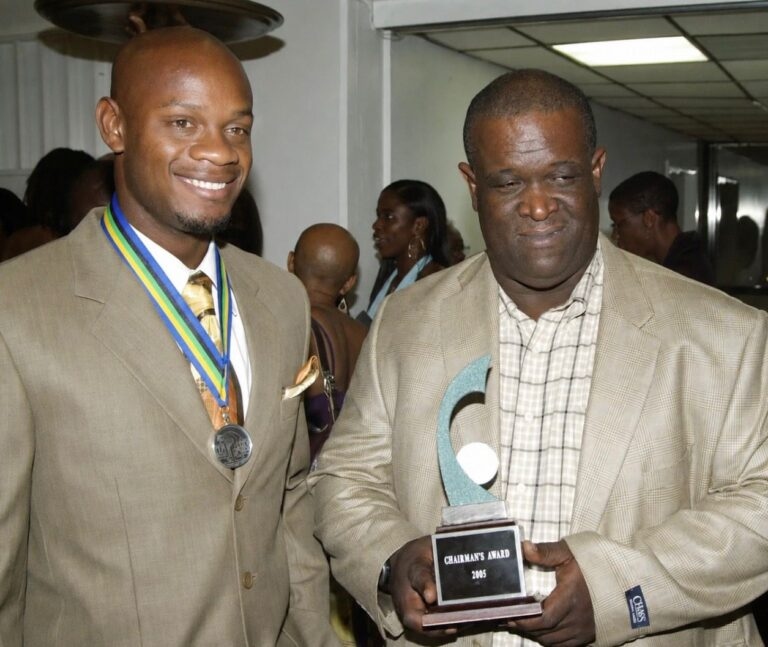
(via Jamaica Observer.)
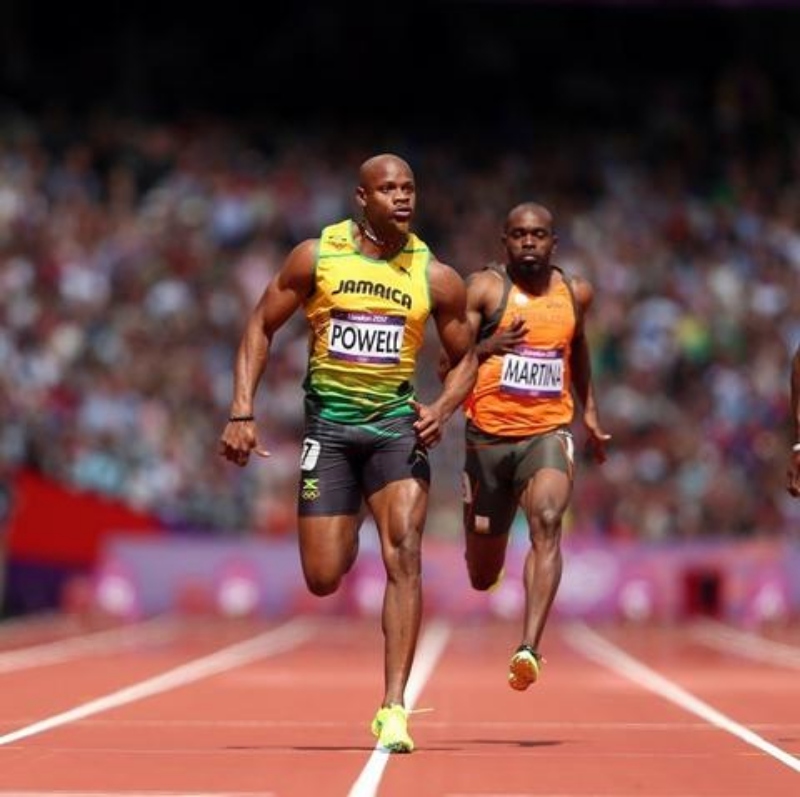
One of the earliest and most consequential athletes in that experiment was a 19-year-old Asafa Powell, whose personal best at the time was 10.81 seconds—a promising but not yet world class performer.
Francis and MVP developed Powell into one of the world’s greatest sprinters.
In 2005, he ran 9.77 seconds, setting a world record in the 100 metres. He subsequently broke the world record again, becoming one of the defining figures in the development of Jamaican sprinting.
Francis recognized that athlete retention would not be achieved by telling athletes: “Stay in Jamaica because you are Jamaican.” Instead, he created a system that allowed them to say: “I can become world class here.”
And it is precisely why this story matters to Trinidad and Tobago. Imagine applying the MVP philosophy to Trinidad and Tobago.
Instead of asking why are our athletes leaving, why not consider what we have to build so that they could stay? And then go one step further: can Trinidad and Tobago create a MVP-type model for its own athletes?
This is not about necessarily copying MVP, but developing the same philosophy with Trinidad and Tobago coaches, facilities, management, sports science, training groups, education partnerships, and sponsorship.

Republic Bank Relays Festival at the Hasely Crawford Stadium on 16 May 2026.
Photo: Nicholas Bhajan/ Wired868.
Create an environment where a talented 17- or 18-year-old doesn’t automatically think: “my only route to becoming an international athlete is to leave.”
They would know that there is a legitimate world class development option right here.
At present, Trinidad and Tobago does have an athletics development system. We have programs such as Kids Athletics, Right on Track, the Youth Elite Programme, and numerous affiliated clubs.

Republic Bank Relay Festival at the Hasely Crawford Stadium on 16 May 2026.
Photo: Nicholas Bhajan/ Wired868.
We have experienced and highly qualified coaches and we have talented athletes. We have people who understand athlete development and have the capability to develop athletes.
The problem is, therefore, not simply an absence of programs. The more critical issue is whether these programs are sufficiently integrated, connected and sustained to create a continuous pathway from grassroots development to senior international athletics.
The NAAATT Youth Elite Programme (I am not sure it is still funded or exists) for example, recognizes the importance of multidisciplinary and science-based athlete development, which demonstrates that the knowledge and capability exist.

Photo: Nicholas Bhajan/ Wired868.
The question is whether that philosophy is consistently experienced by the athlete throughout their development.
Having programs is not the same as having a system. You can have kids’ athletics, youth programs, clubs, coaches, competitions, national teams, sports science, scholarships, financial assistance and still not have a system that an athlete believes will take them to the highest level.
A collection of programs does not automatically become a development system. A true system connects the pieces. We need stronger communication between the national governing body, coaches, clubs, schools, athletes, and parents.

Photo: Johann Corneille/ Wired868.
The athlete should be able to move from one stage to another without falling through the cracks. There should be continuity between the coach developing the young athlete, the coach developing the junior athlete and the environment preparing the athlete for senior international competition.
There should be a clear progression in training, competition, coaching, sports science, education, and financial support.
The athlete should know: where am I now, where am I going, what do I need to do to get there, who is helping me get there, and perhaps most importantly, can I achieve this while remaining in Trinidad and Tobago?

Photo: Johann Corneille/ Wired868.
Financial support is another important consideration as elite development is expensive. Travel, equipment, coaching, nutrition, medical care, recovery, and competition all cost money.
Jamaica has developed an environment where scholarships, sponsorship opportunities, school athletics, and other financial opportunities can form part of the domestic athletics ecosystem.
Trinidad and Tobago has financial assistance and opportunities as well, but emerging athletes can still face significant costs and uncertainty because the funding is minimal and not consistent.
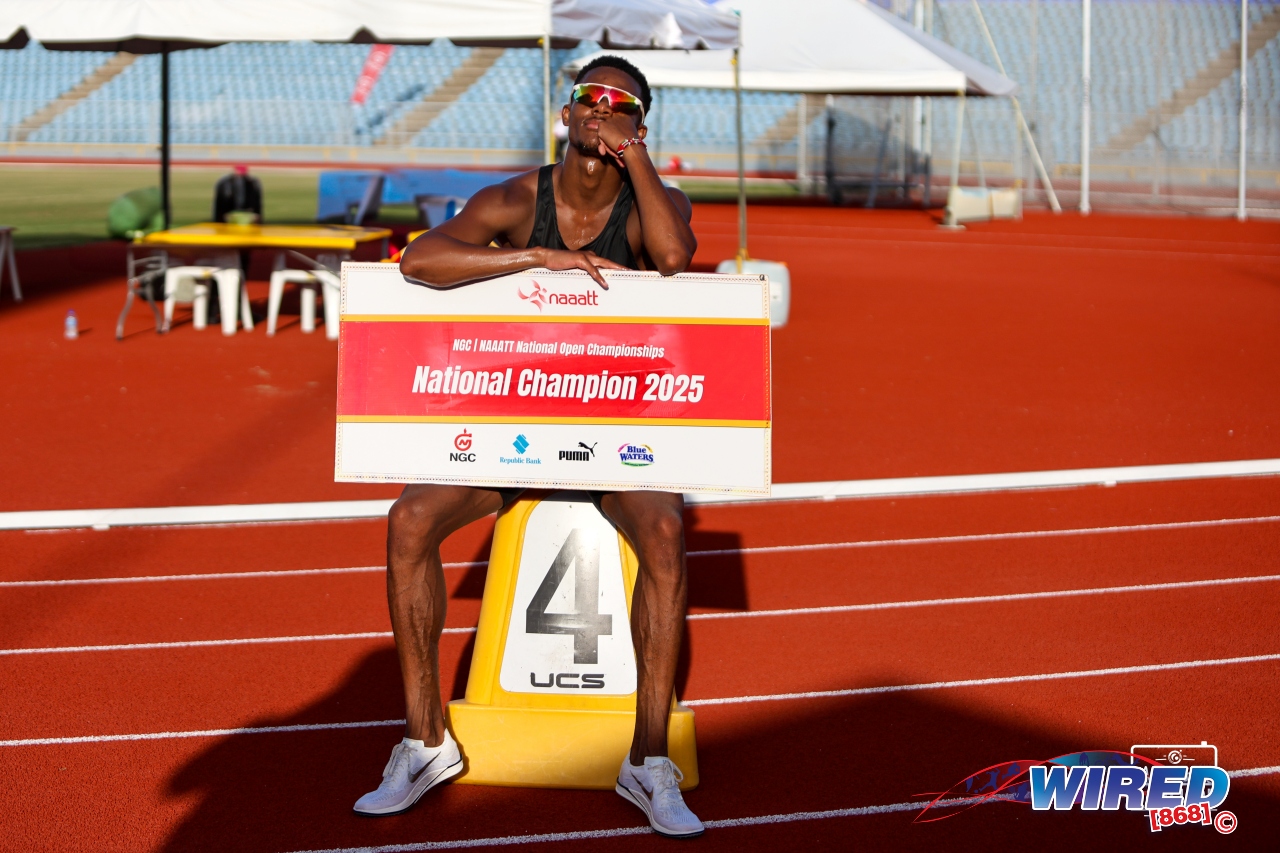
Photo: Johann Corneille/ Wired868.
For some athletes, an overseas university, club, or training group may therefore appear to offer an immediate solution. They may receive education, coaching, facilities, competition, training partners, and financial assistance as part of one package.
For the athlete that can be difficult to ignore.
The most important distinction between the two countries is that Jamaica has created an environment where an athlete can often find the next level within the country.

Both sprinters turned pro while at MVP in Jamaica.
Photo: Getty Images.
Trinidad and Tobago has created pieces of that environment, but those pieces do not always produce the same depth, integration, and continuity. That is a quite different problem from saying: “Trinidad and Tobago has no development system”, which would be inaccurate.
We do have programs, we do have coaches, we do have talent, we do have people who understand development. But we are not consistently producing the environment that allows our best athletes to reach their full potential.
A crucial step could be to ask the athletes who left and those who stayed what motivated them to do so. Their answers could tell us far more about the strengths and weaknesses of our system than another post-championship debate.

Photo: Nicholas Bhajan/ Wired868.
Trinidad and Tobago does not need to copy Jamaica’s athletics system. We have our own history, culture, resources, coaches, athletes, and circumstances.
We should determine what Trinidad and Tobago athletes need to become world class and then build that environment here—so our athletes have a compelling reason to stay.
Our fate at the next championship is already being determined.
|
Wired868 has provided readers with solid, independent journalism since 2012. If you appreciate our work, please contribute to our efforts. Support Independent Journalism |


“[…] A letter was sent out on the 16th of July 2026 to all schools with its sole purpose being Read more

“[…] If a member (Trinidad school) is unable to fulfill their obligations it should be that member who must bear Read more
“[…] Footballers acknowledge that a coach’s tactical intelligence, technical knowledge, and interpersonal skills, are important BUT they know that they Read more

“[…] This matter stems from the period during which Mr Brent Sancho served as owner/chairman of the Central FC club, Read more

“[…] Often, our instinct is to protect athletes. Making mistakes, losing races, or failing can be embarrassing, frustrating, and sometimes Read more

“[…] I was not charged with any offence… I trust that people will allow the truth—not social media headlines or Read more

Want to share your thoughts with Wired868? Email us at editor@wired868.com.
Please keep your letter between 300 to 600 words and be sure to read it over first for typos and punctuation.
We don’t publish anonymously unless there is a good reason, such as an obvious threat of harassment or job loss.
