 Wired868 Wired868 for smart sport news and opinion
Is this new UNC Government celebrating our Independence, or declaring its independence from public accountability and the rights of its own citizens?
In 1999, under the administration of Prime Minister Basdeo Panday, part of the Queen’s Park Savannah was paved—reportedly to facilitate the Independence Day Parade.
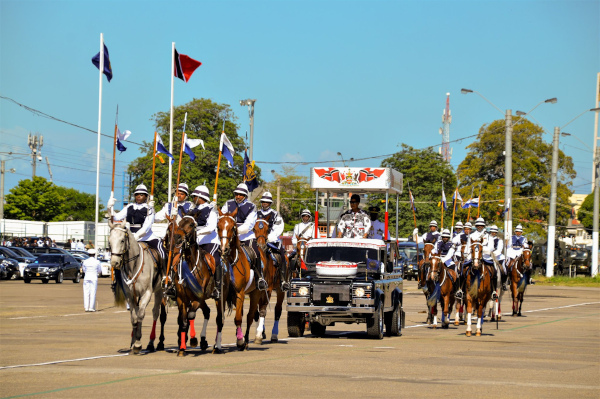
(via Office of the President.)
Now, because the North Stand occupies the traditional parade location and would cost millions to dismantle, this year’s celebration is being moved onto another green section opposite President’s House.
Land already sacrificed in the name of Independence is no longer sufficient. One encroachment is being used to justify the next—and the boundary of what citizens are expected to surrender moves a little farther each time.
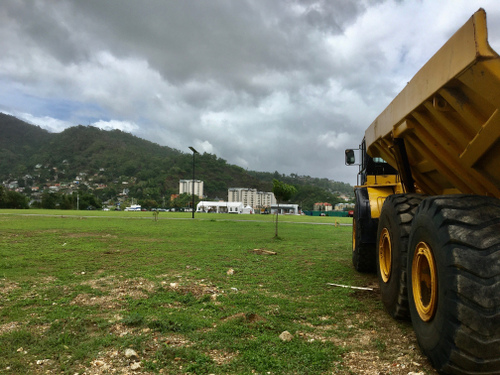
Photographs and video show scaffolding, heavy machinery and mounds of dark aggregate-like material on the grass. Minister Phillip Alexander says the “enhancements” are temporary and will be removed after the event.
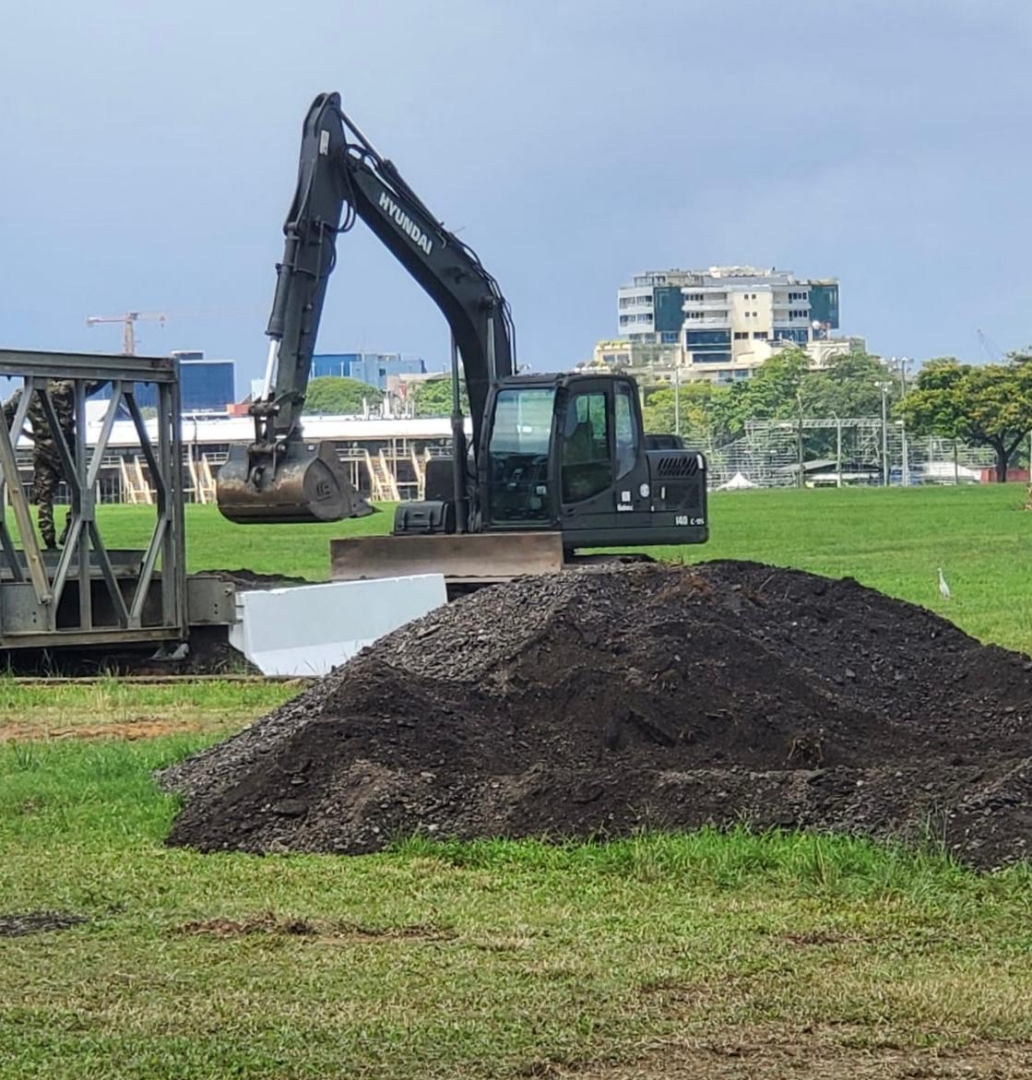
(via FOBGTT member.)
Yet his assurance was hardly definitive: “From what I have been told, all of the enhancements are temporary.”
Who authorised the work? What exactly is being laid? What approvals were obtained, and where is the restoration plan?
The ministers responsible for Agriculture and Defence did not answer the Guardian’s questions.
Dennise Demming has already sounded the immediate warning: do not “pave the paradise” (quoted in the Trinidad Guardian, 11 August 2026).
But this controversy raises an even deeper question: what does Independence mean if we continue to measure national progress through colonialism’s old claim to “civilise the wild”—usually somebody else’s home, on somebody else’s land, whose people possessed a different understanding of how that land should be honoured?
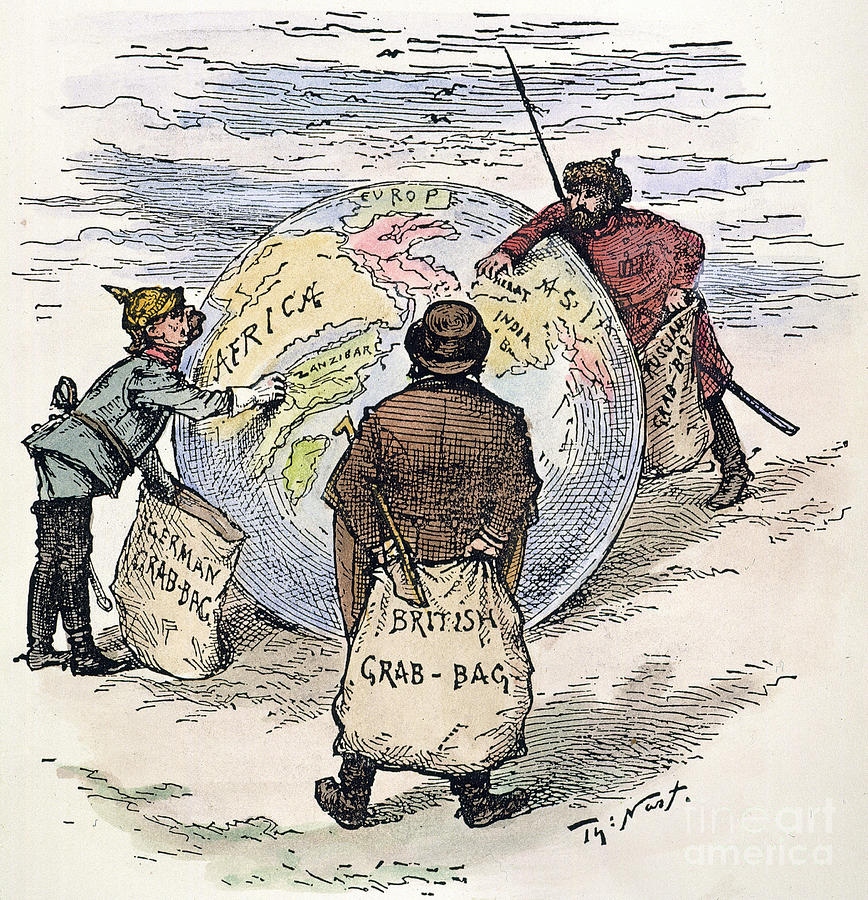
Long before Port-of-Spain, this landscape included the Indigenous settlement of Cumucurapo: the “Place of the Silk Cotton Trees”. The colonial city grew beside and eventually over that Indigenous landscape.
The surviving name Cumucurapo preserves the memory of the silk-cotton tree, Ceiba pentandra—a spiritual keystone across many Indigenous cultures of the Neotropics, understood as a sacred tree connecting the earthly, ancestral and celestial realms.
When colonisation erases a people’s cosmology, their foundational understanding of the relationship between land, life and spirit, it does not merely replace trees and place names. It attacks identity itself.
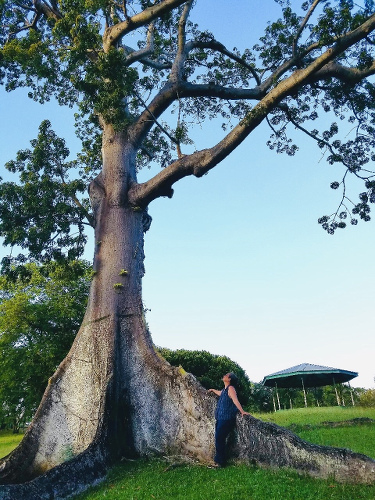
(Courtesy Serina Hearn.)
Indigenous relationships with a living landscape were displaced by forts, roads, real estate, property lines and concrete.
Today, only a handful of these Ceiba giants survive within Port-of-Spain. Cumucurapo, the “Place of the Silk Cotton Trees”, has become a name describing something colonialism has almost entirely erased.
Will we do the same to the Queen’s Park Savannah? If we continue dividing, compacting and paving it, will future generations inherit only a few disconnected patches of green bearing the name “Savannah”—long after the open living landscape itself has disappeared?
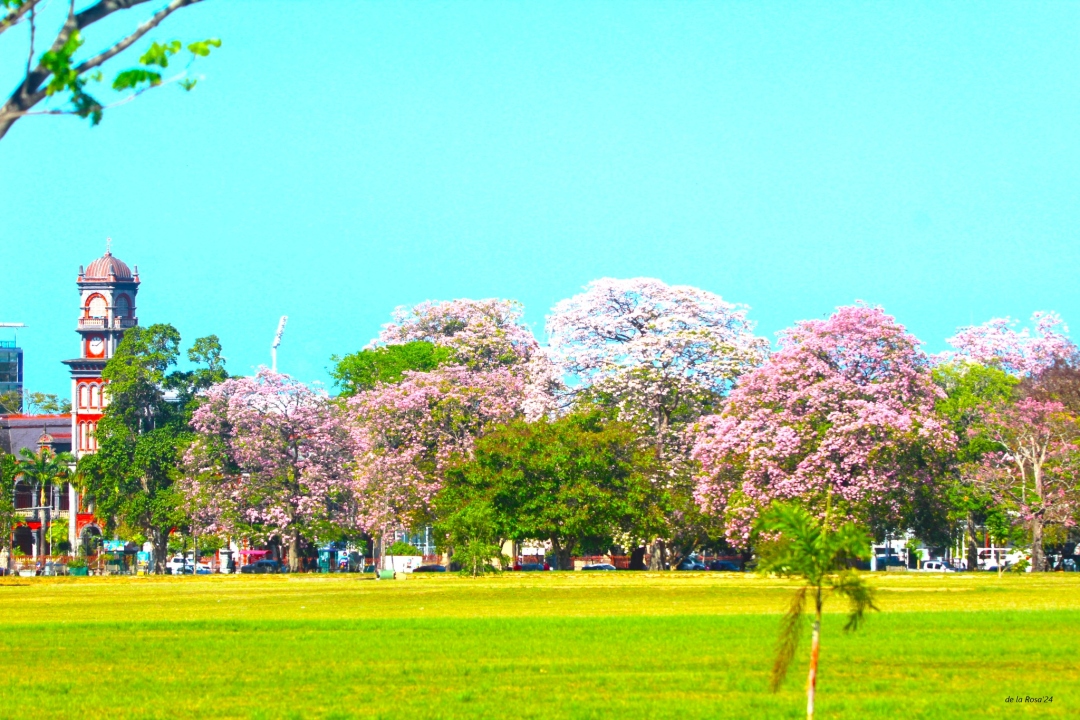
(Copyright Dennis De La Rosa.)
Who are today’s land-grabbers, behaving like when they look at one of our last great public green spaces and see not a living inheritance, but vacant land awaiting “improvement”?
The Savannah was purchased from the Peschier family in 1817 for use as “a Park and place of exercise and recreation for the public”. Geoffrey MacLean, writing for Citizens for Conservation, describes it as one of Trinidad and Tobago’s most fiercely defended natural heritage sites.
He notes that it is listed as one of the biggest parks in the Western Hemisphere and, by the Guinness Book of Records, as the world’s largest “roundabout”.
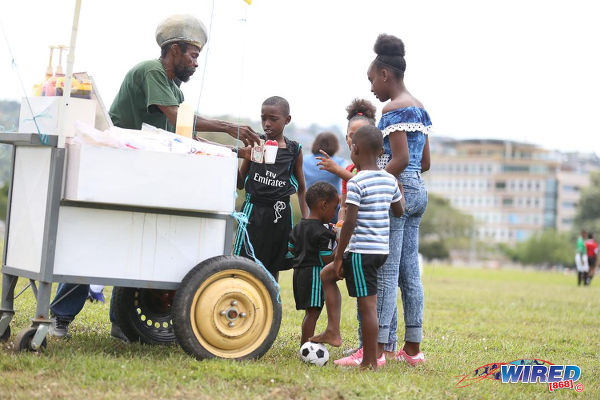
(Copyright Chevaughn Christopher/ Wired868.)
For more than two centuries, it has accommodated sport, Carnival, national ceremonies, vendors, families and generations of citizens seeking room to breathe.
It is not vacant land. It is an inheritance.
Yet that inheritance has already been steadily diminished. Paved areas, car parks and Carnival structures introduced as temporary interventions have acquired an air of permanence. Carnival stands may be dismantled, but the compacted and paved ground beneath them remains.
Mature trees have disappeared from the Savannah, Woodford Square and other public space—too often without meaningful replacement.
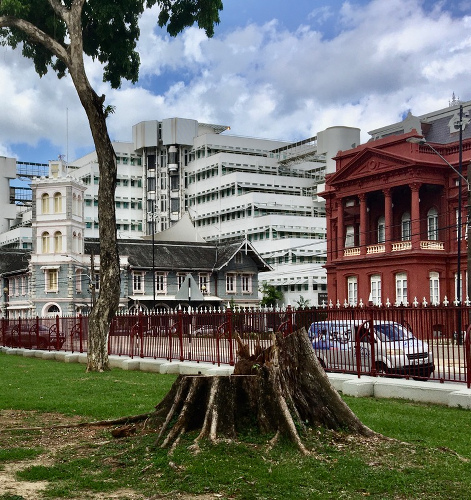
(Copyright Serina Hearn.)
Each incursion may appear small when considered alone. Together, they reveal a pattern in which public green space is gradually occupied, divided and hardened until citizens are expected to accept the altered landscape as inevitable.
This is not the first time the Savannah has been threatened. At the beginning of the twentieth century, a proposal to develop part of it for housing, business and parking was abandoned after public outcry.
In the 1970s, citizens organised against a proposed national stadium there, and another location was found.
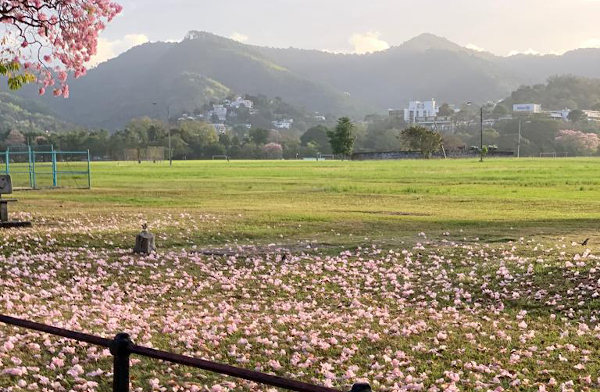
(via Anonymous)
Previous generations understood that once a portion of the Savannah is surrendered, the precedent endangers the whole. Why should this generation be expected to understand less, or tolerate more?
We already know the cost of failing to protect an inheritance. Port-of-Spain once possessed a remarkable architectural character—gingerbread houses, intricate fretwork, deep verandas and extraordinary wrought-iron balconies that gave the city some of the visual richness associated with historic New Orleans.
Too much of that heritage has been demolished, destroyed by fire or neglected into collapse. Once those buildings disappeared, no official promise, commemorative plaque or expression of regret could bring them back.
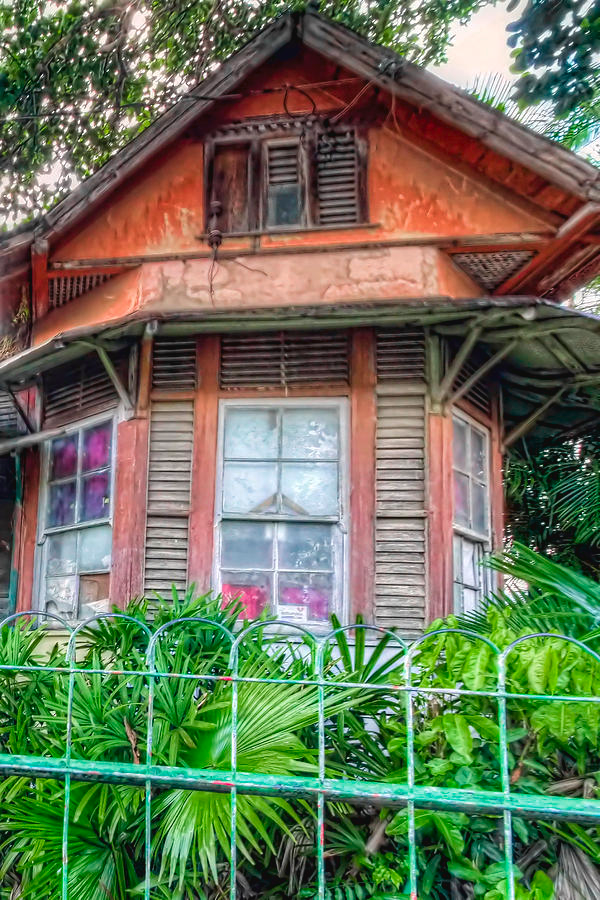
Our natural heritage is being erased just as quietly. Mangroves are cleared, forests are illegally logged, and wetlands vanish; fish become scarcer, and butterflies, insects and other wildlife lose the plants and habitats on which they depend.
Diversity diminishes almost unnoticed, while species we have not yet identified or understood may vanish before we even know they exist.
Each loss is treated as an isolated event—one building, one mangrove, one tree, one paved corner. Together, they are making our country hotter, harder, more flood-prone and less alive.
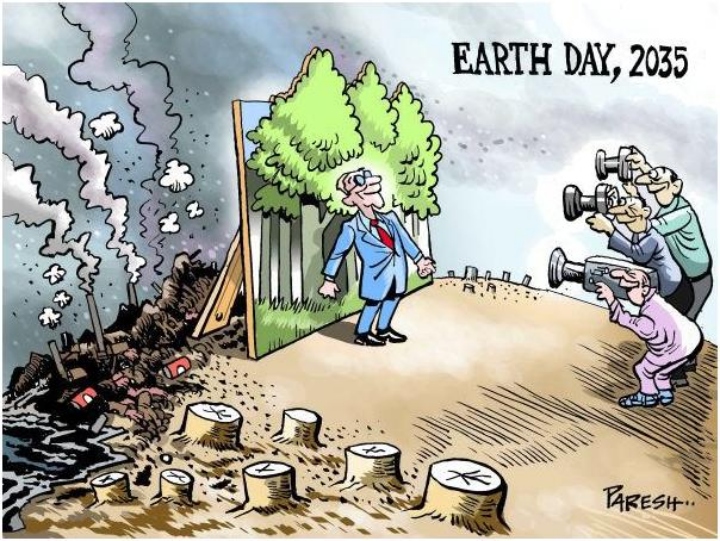
The Savannah is also part of the living infrastructure of Port-of-Spain. It absorbs rainwater, moderates heat and lies above a gravel aquifer from which water has historically been drawn.
Living soil, vegetation and the organisms within them form an interconnected system. Compacted soil and paved surfaces cannot perform those functions as living ground does.
Nor can asphalt simply be lifted away after the parade. Its removal requires heavy equipment and may leave compacted soil, damaged turf, disrupted drainage and fragments behind.
- Infrastructural work at the Queen’s Park Savannah for 2026 Independence Day celebrations.
(via FOBGTT member.)
“Temporary” describes the intended use—not how long the land may carry the wound.
No one is objecting to celebrating Independence. The question is why our national freedom should be celebrated by taking another piece of land away from the people, particularly when part of the Savannah has already been paved in the name of the very same celebration.
We seem to remain trapped in a colonial mindset that equates progress with high-rises, monumental structures, concrete and asphalt. Colonialism justified itself by claiming to improve, civilise and impose order upon living landscapes and the people who understood them differently.
(Copyright Serina A Hearn.)
Are today’s decision-makers repeating that same pattern under our national flag?
Genuine freedom requires us to recognise the value of what we already possess: an extraordinary country with immense biodiversity and a natural heritage that cannot be reconstructed once destroyed.
Concrete and asphalt cannot feed us, shelter wildlife, absorb floodwater or cool our cities.
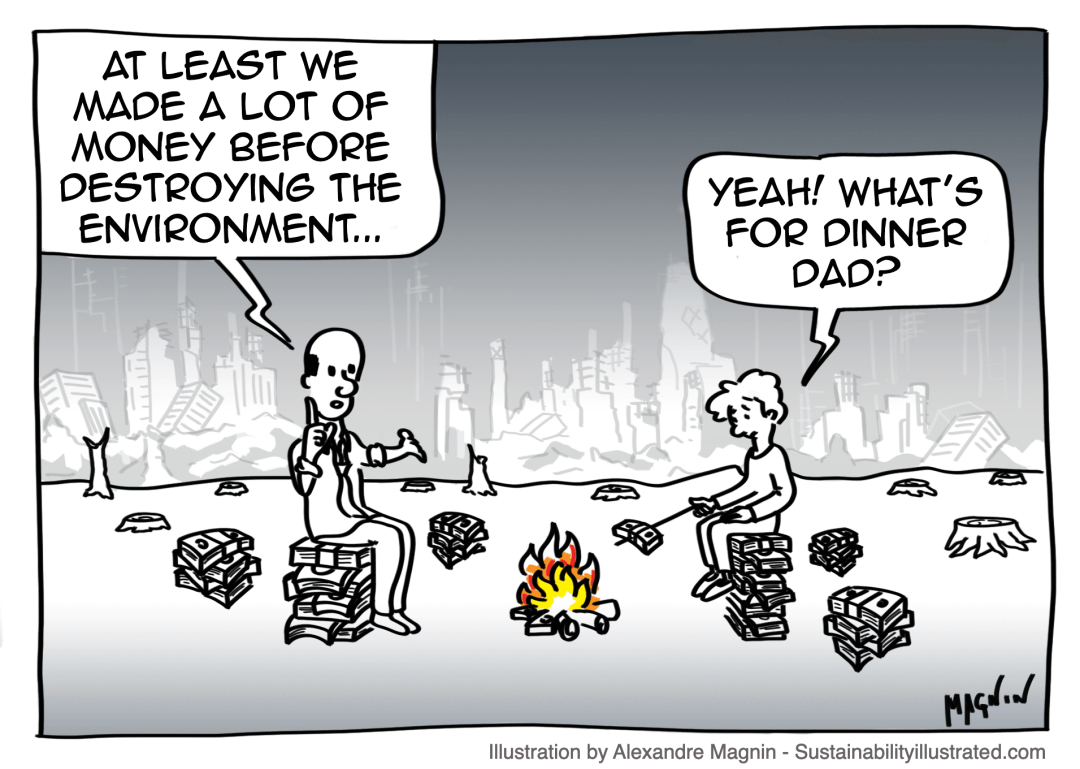
Perhaps true Independence begins when we stop measuring progress by what we can build over and start valuing what we are wise enough to preserve.
There is also a fundamental legal question. The Savannah was acquired in 1817 for public exercise and recreation, yet no responsible authority has publicly produced the planning permission, environmental clearance or other legal authorisation permitting these works.
If the necessary approvals do not exist—or if the works exceed what those approvals permit—then this is not merely encroachment. It may constitute an unlawful alteration and appropriation of public land.
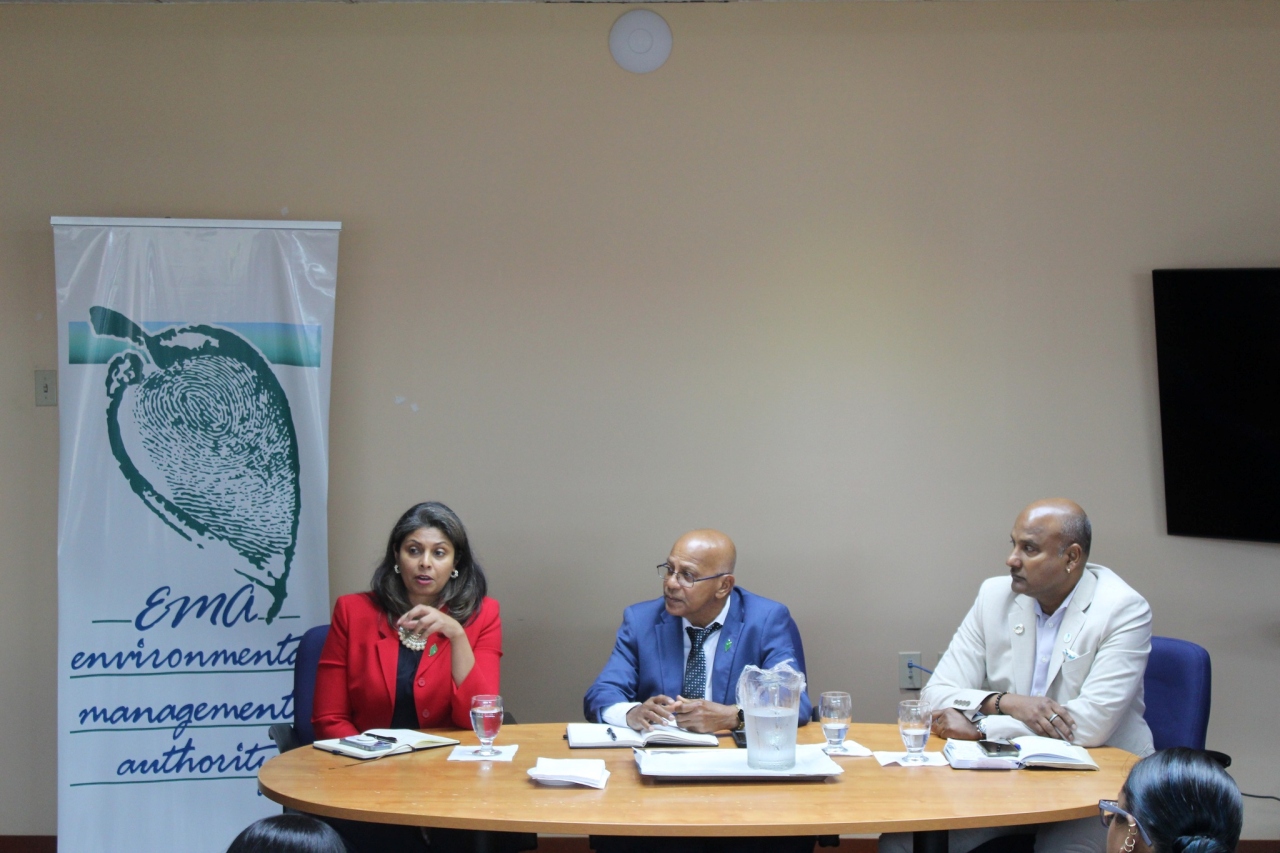
Photo: EMA.
Until the documents are published, citizens are entitled to challenge the project’s legality.
Before any further material is spread or compacted, the Government should publish the site plan, identify all materials being used, disclose the contractor and cost, release the relevant environmental and planning approvals, and present an independently reviewed restoration plan.
Until those questions are answered, the work should stop.
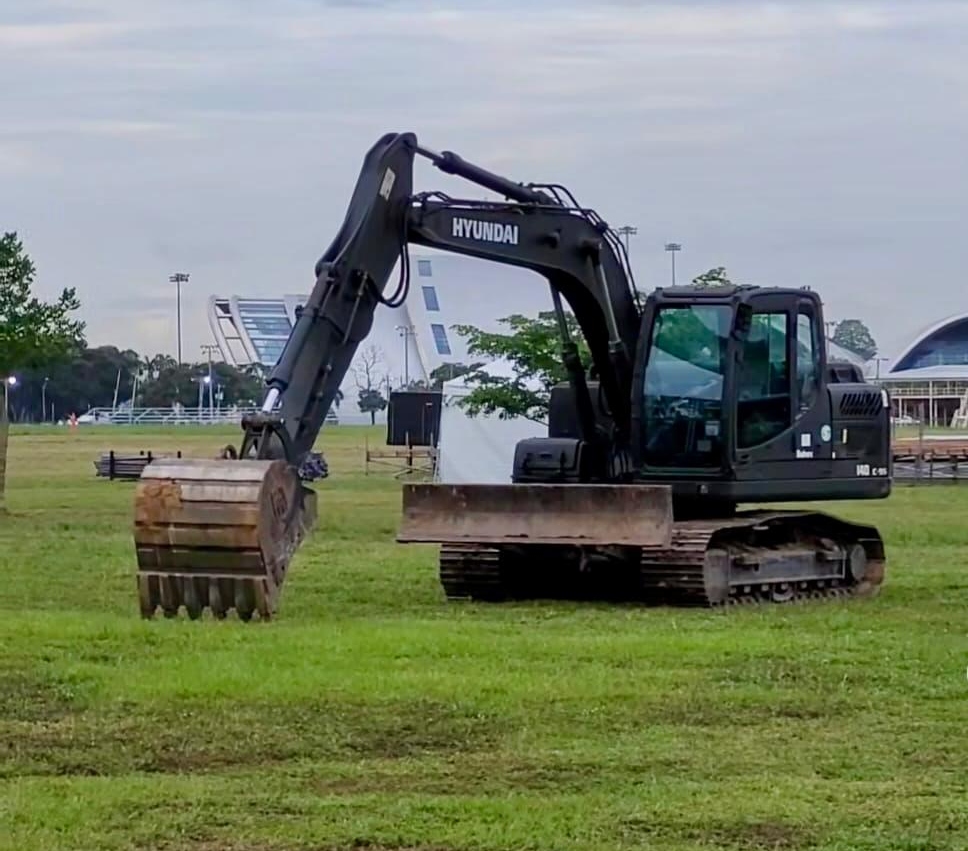
Photo: Courtenay Rooks.
True Independence means emancipating ourselves from the mental slavery that accepts environmental rape and cultural erasure as the price of pomp and ceremony—from the colonial belief that national dignity must be demonstrated through grandstands, monumental displays, heavy machinery, concrete and asphalt.
A celebration of freedom becomes a hollow spectacle when the people’s living inheritance must be sacrificed to stage it.
The Queen’s Park Savannah belongs to the citizens of Trinidad and Tobago—not temporarily, but permanently.
|
Wired868 has provided readers with solid, independent journalism since 2012. If you appreciate our work, please contribute to our efforts. Support Independent Journalism |

“[…] As the applause faded, I thought about our inconsistent and unreliable water schedule, even in the rainy season. I’ve Read more
There is a strange irony in the national conversation now unfolding. We are being asked to consider hosting artificial intelligence Read more
A 13-year-old girl singing Tight and Pretty with sexually explicit lyrics is a child protection issue! The Child Protection Unit Read more
“[…] I remember July 27, 1990—the fear, the uncertainty, the families gathered around radios and television sets. The attempted coup Read more
“[…] (John Aboud’s Superior Hotels) consistently refused to adjust the project’s scale, design, or mitigation strategies, demonstrating a profound lack Read more

I first noticed the candlestick tree at the back of Garden with Wings in the Royal Botanic Gardens. It was Read more
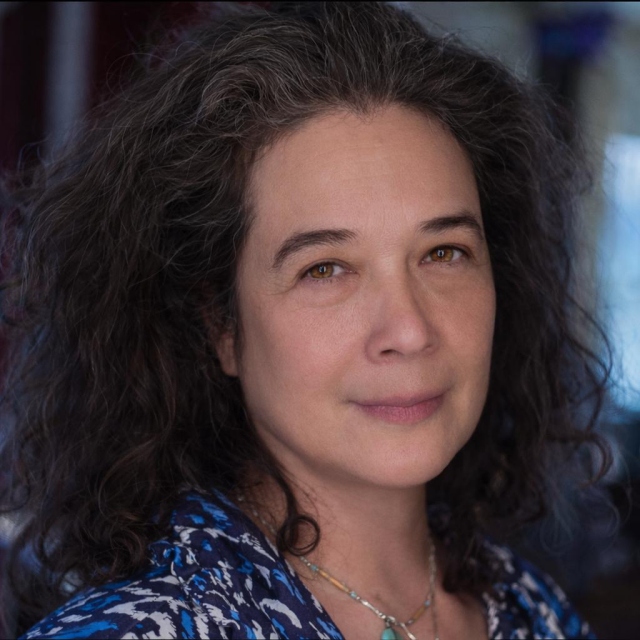
Serina A Hearn is a poet/writer and environmental activist and a Bishop Anstey alum who attended St Martin’s School of Art, London, UK. She conceived and curates the Garden with Wings pollinator project at the Royal Botanic Gardens (2020) and is the author of two poetry collections (Mid-America Press; Woodley Memorial Press), with a third book in progress.

I HOPE YOU CAN ADD THIS TO THE COMMENTS – INSPIRED BY YOUR REPORT – https://suno.com/s/P3C1evGeRo5NY5Nu
Serena you are correct the Savannah was left for the people of Trinidad, and should not be altered
applause. Great article. What are they really doing? Its like brains have been sacrificed, for what?