 Wired868 Wired868 for smart sport news and opinion
“[…] Mr Raffique Shah admired Paris students protesting fuel prices and the poor conditions of schools in their poorer districts… He granted French youth a structural explanation for their law-breaking, then refused to recognize the structural reason for that mother on a mattress on the floor locally.
“[…] At home, he is conveniently blind to the conditions and assert it is simply ‘easier’, and young men are simply too lazy. That double standard is the whole problem… We learned from our colonial masters not to blame the most powerful but the least. Victim-blaming culture is colonial culture…”
The following guest column by Jessica Joseph responds to a column by Express columnist Raffique Shah entitled Shame on You, which took aim at young urban criminals and their mothers:

I say this with real respect for a man who in his youth, at 24, faced a court-martial and paid with his liberty for his convictions. Your column ends with three words aimed at one (archetypical) woman, and I tell you now, she is the wrong target.
If we are sharing out shame, leh we share it fair nah? Let us be class conscious in our sharing of blame. Let us be systemic and structural in your sharing of shame.
Let us be revolutionary.
While he named no specific community, we all know the zip codes of his vivid description: the mother in the one-room house, roof leaking, mattresses on the floor, sporting the trinkets her son brings home.

He wrote that she blames “everyone except yourself”. But the same can be said of the privileged mother living in a gated community, whose son is a crook.
So, shame on ALL mothers—Westmoorings or Wallerfield, Federation Park or La Basse—whose children profit off of human suffering. White collar or blue collar. Slow violence or fast violence. The bullet or the bid-rigging.
In his op-ed, Mr Shah measures today’s carnage against 1970, when a whole revolution cost far fewer lives. But remember why the young people were in the road?
By his own account in a Guardian interview, national unemployment then was around 15 per cent, youth unemployment as high as 25 per cent, and the promises made of vocational opportunities never materialised.
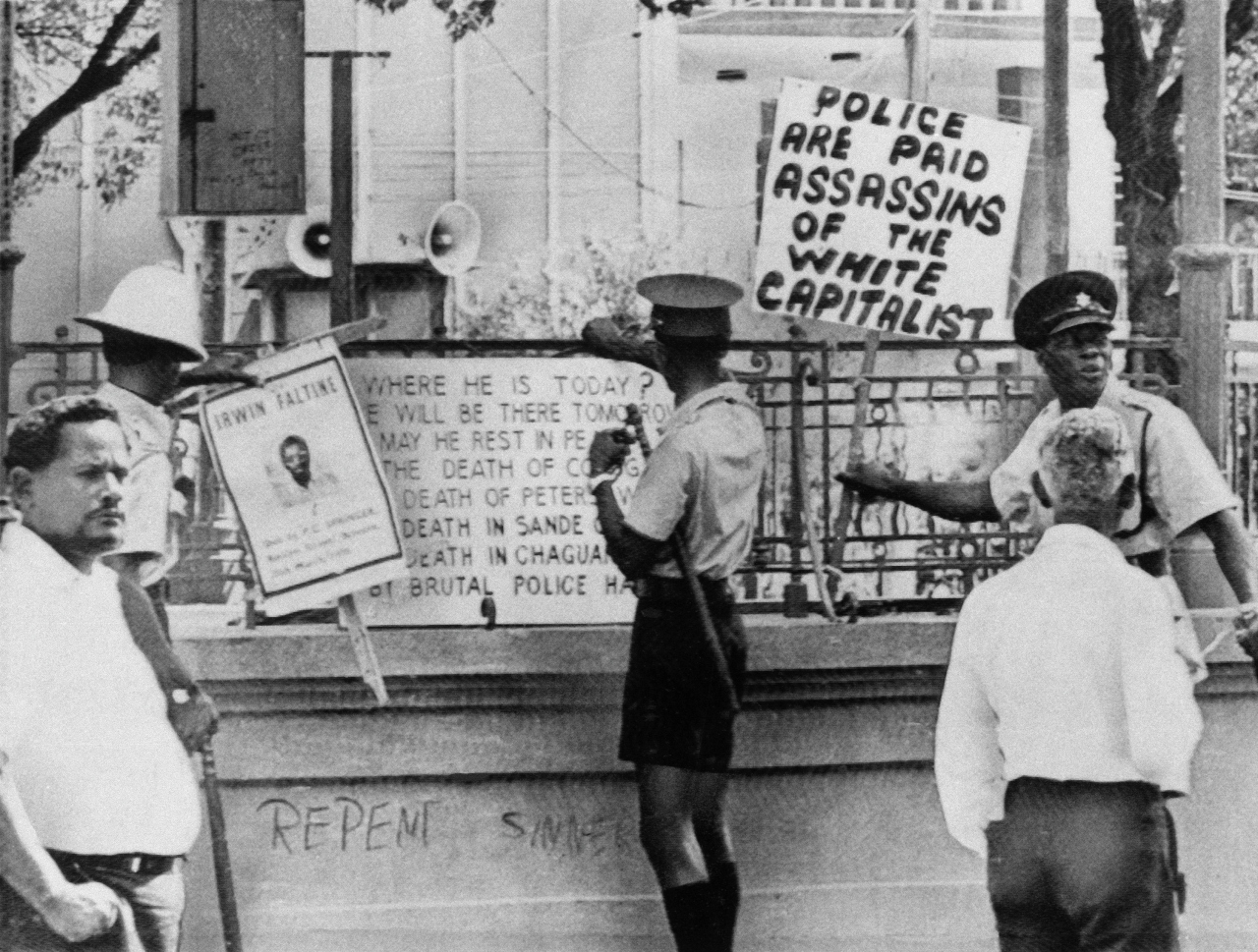
The square was a popular gathering point for Black Power militants in the city.
Copyright: AP Photo.
Our own Ministry of Education teaches that unemployment and foreign ownership of industry drove the Black Power movement. Now we currently have a regime that wants pre-Revolutionary—more extreme forms of privatisation and while the big fish get looser laws, the small fish get cut loose.
In June 2025, the new Government terminated more than 300 Cepep contracts, leaving an estimated 10,500 workers without income. Days later, 4,608 reforestation workers were fired too.
In that year’s budget, Cepep and the URP were abolished outright, on a promise of full-time, better-paid jobs. This July, MiLAT, a residential programme for at-risk young men aged 16 to 20, was suspended, its teachers and civilian staff sent home, derailing the future of 65 cadets who were preparing for CSEC.

Photo: Cepep.
The private sector, which prioritises profit over people, is shedding jobs too. Between September and 20 October this year, more than 800 workers were retrenched, from Proman and Massy Cat to the Magdalena Grand.
Nutrien is shutting its Point Lisas nitrogen plants indefinitely over gas shortages, putting about 350 more jobs on the line. Every one of those jobs fed a household.
Tell me, how can we watch the stripping of the URP, the cancelling of the Cepep cheque and the MiLAT bunk, watch the plants close, and then stand on a hill and shout “Shame!” at the mother left holding the pot?
Nobody in 1970 solved anything by shouting “shame” at the mothers. The revolutionaries then knew then that the problem was structural and systemic. What changed?
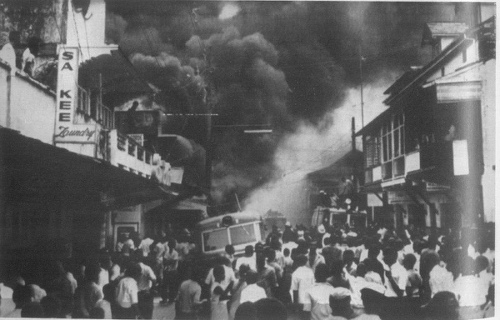
(via Angel Bissessarsingh)
Mr Shah admired Paris students protesting fuel prices and the poor conditions of schools in their poorer districts. Excellent! I admire them too.
But he granted French youth a structural explanation for their law-breaking, then refused to recognize the structural reason for that mother on a mattress on the floor locally.
In Paris, he can see that conditions explain anger and violence. At home, he is conveniently blind to the conditions and assert it is simply “easier”, and young men are simply too lazy. That double standard is the whole problem.

(via Foxnews.)
Now let me be clear. Every man must answer for the trigger he pulls. I am not suggesting in any way that crime should be excused.
I am saying that a society whose hierarchy of power is visceral, not theoretical, the Fallacy of Individual Responsibility demands the MOST from those with the LEAST, and the least from those with the most.
Long before Stan Lee said it in the Spiderman comic, “With great power comes great responsibility”, scripture said it first: to whom much is given, much is required (Luke 12:48).
The unethical inversion of this is our colonial inheritance. We learned from our colonial masters not to blame the most powerful but the least. Victim-blaming culture is colonial culture. It’s why we blame girls for being groomed rather than the dutty, hard-back predatory men who groom them.
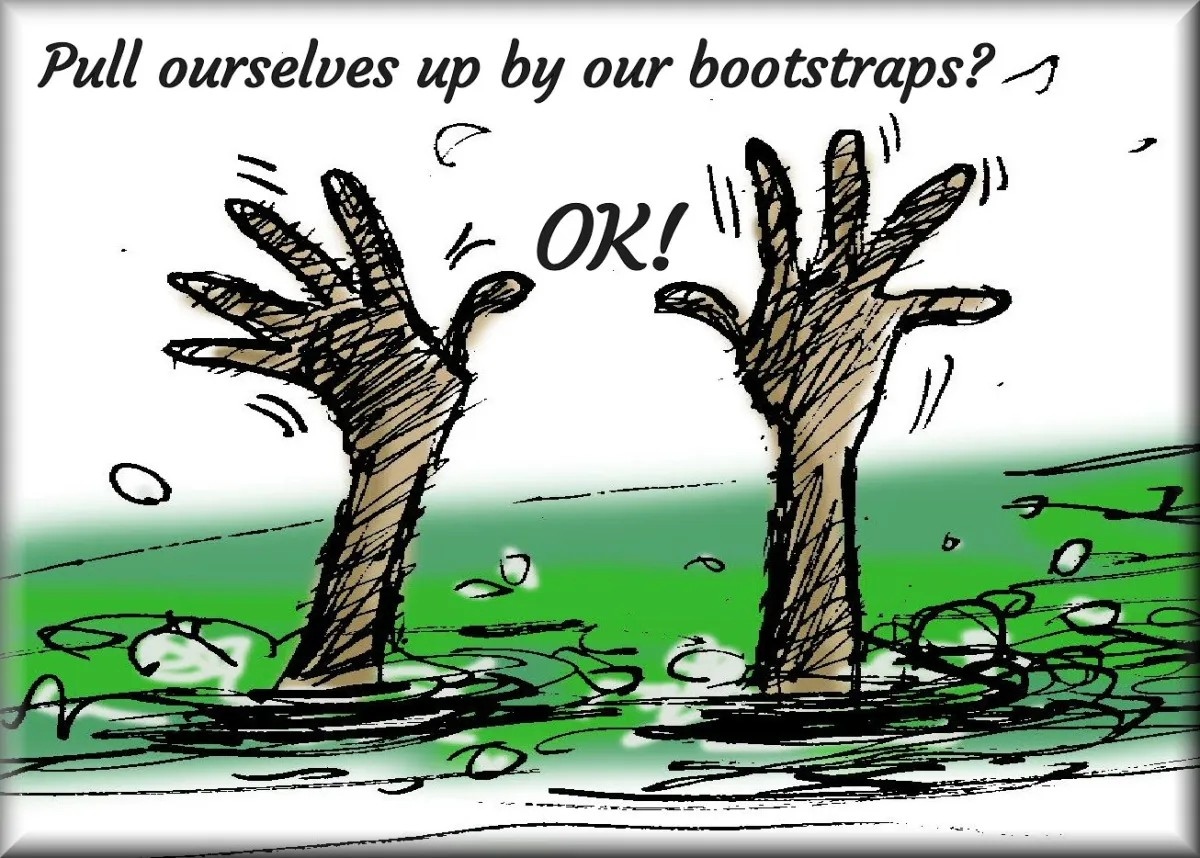
Mr Shah himself has written of colonial control wielded “by our very own against us”. Yet, his Shame column shows that even a brilliant, battle-tested mind can slip into expecting more of the powerless than the powerful.
“Free” is not the same as equal.
I agree with Mr Shah that our education is free, our books are free and our schools are staffed. But equal and effective in lifting those already in poverty out of it?
Mr Shah himself disagrees and in his own column, Capital Nonsense, he wrote that prestige schools are out of the reach of capable students because of where they live and what their parents earn.

(Copyright Trinidad Guardian.)
This September, TTUTA flagged 11 schools with problems from missing furniture to pest control. South East Port of Spain Government School was still waiting on teachers’ furniture first requested in September 2025. Delayed book grants left parents scrambling and opening-week turnout low.
A sociologist estimates the real teacher-student ratio at 1 to 25, and in some classes 1 to 40. The Express itself has observed that barely a month passes without a school shut by collapsing buildings, infestations or violence.
Free tuition in a broken building, on the wrong side of a class barrier, is not opportunity. It is a door painted on a wall. It is a holding pen.
A World Bank study of our youths found unemployment among 15-to-19-year-olds near 30 per cent, more than double the rest of the population. UWI criminologist Dr Randy Seepersad warned that successive governments fixated on police, courts and prisons while ignoring the root causes of crime.

UWI research asked why some low-income youth in identical conditions turn to crime while others rise above it. The answer lies in protective factors, not a mother’s willpower alone. A national committee on young males and crime flagged urban hotspots like Laventille years ago.
PNM and UNC alike had the reports and the oil money. Neither saw it through.
Picture the mother Mr Shah scolded. She IS ashamed, doing everything she can to keep her son on the law-abiding, non-violent and humane path. What permanent turnaround opportunities does the state offer her?
I am not talking about a hamper at election time. Not a fortnight of URP. A real turnaround?
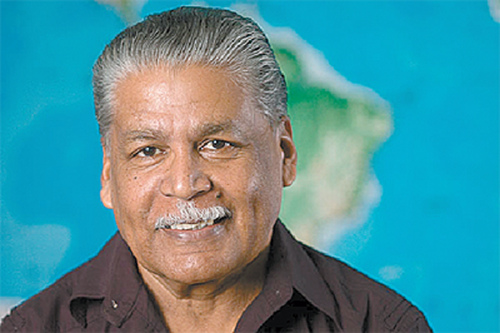
(Copyright TT Guardian.)
Here is the truest line in his column: he concedes that the only ones living high off the hog sit higher up the crime syndicate. Exactly. So why does his shaming stop at a one-room house of the least powerful?
Let us follow the gun. Of crime guns recovered here in 2025 and traced by US authorities, 73 per cent came through the US market. Our Strategic Services Agency told a joint select committee that most weapons, come in through the legal ports, and that a smuggled long rifle earns about US$5,500 in gross profit.
Yet only nine firearms were seized at legal ports between 2015 and 2020, against an estimated 12,000 illegal guns on our streets. No teenager from a one-room house is clearing containers at Point Lisas.
Let us follow the money. In a single year the FIU flagged 1,523 suspicious transaction reports worth over TT$1.2 billion. We score 41 out of 100 on Transparency International’s index, stuck there for five years.
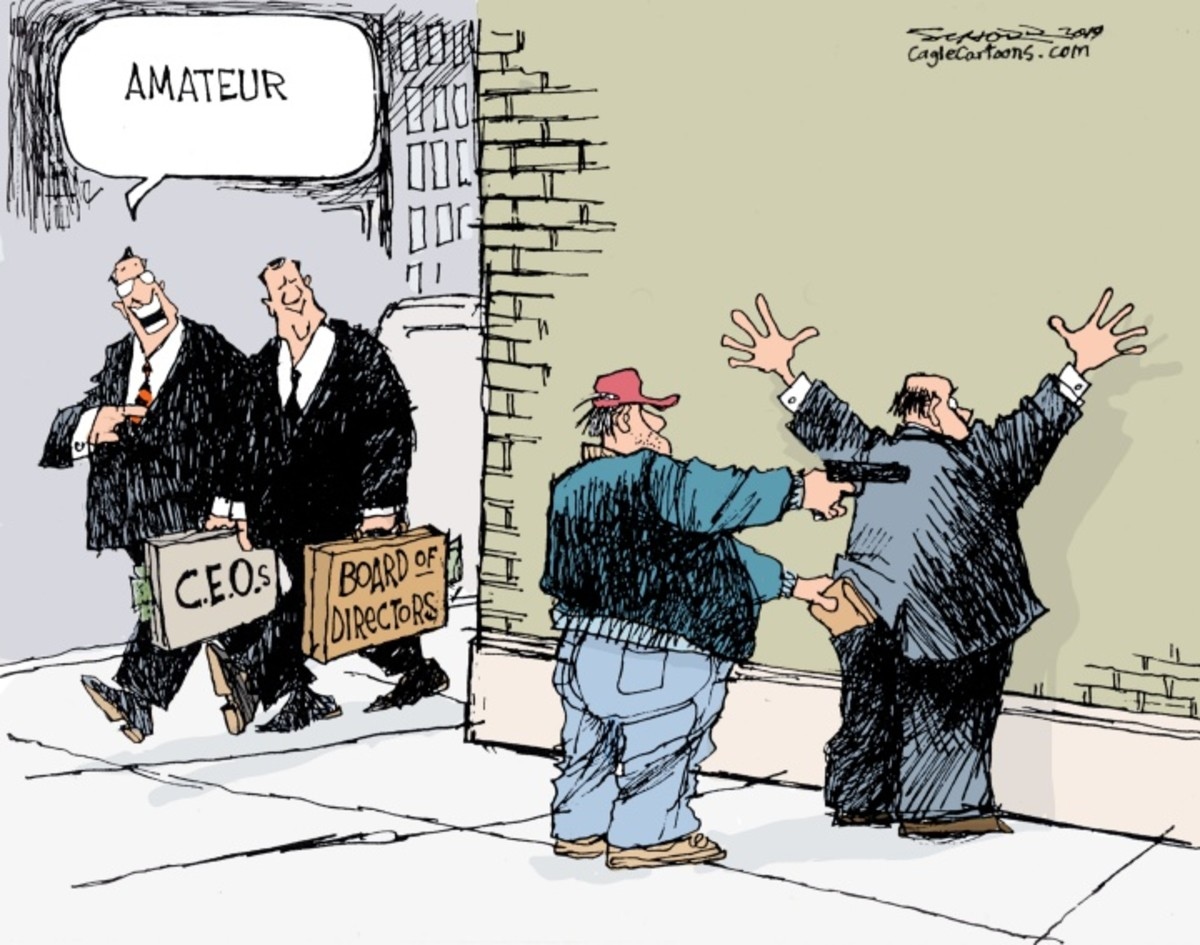
A TT$1.358 billion Coast Guard purchase drew a Dutch criminal investigation. And beside Beetham rusts NGC’s abandoned Water Reuse plant: over a billion dollars spent, $943.7 million written off.
Former TTTI chair Deryck Murray warned that stolen billions mean a hospital, a school, a recreation ground the public never gets.
And now the law itself is being loosened and both parties are to blame. In 2020 the PNM dealt the first crippling blow through, by a single Independent senator’s vote, an amendment carving government-to-government deals out of the regulator’s reach.
This September the UNC went in for the killing strike to transparency. Its Procurement Amendment Bill lets a Minister exempt “such other procurement” by Order and lets permanent secretaries and state-enterprise chiefs spend up to $2 million outside the Act’s rules.

(via Newsday)
It cuts the window for challenging an award by five working days and warns contractors who do challenge that they may pay the state’s legal costs. After an investigation, the Procurement Regulator’s recommendations become advisory, not binding.
The Finance Minister says the aim is to cut delays and speed up service delivery. But speed is no virtue when the brakes are what protect the Treasury. The Transparency Institute begged for a pause, noting the new exemptions carry no spending caps.
All nine Independent senators voted no; the bill passed on the casting vote of a Senate President nominated by the governing party.
That is not a mother accepting trinkets. That is a Parliament lowering the drawbridge to high-level crooks who give their mothers vacations in Europe, real-estate and expensive cosmetic surgery abroad.
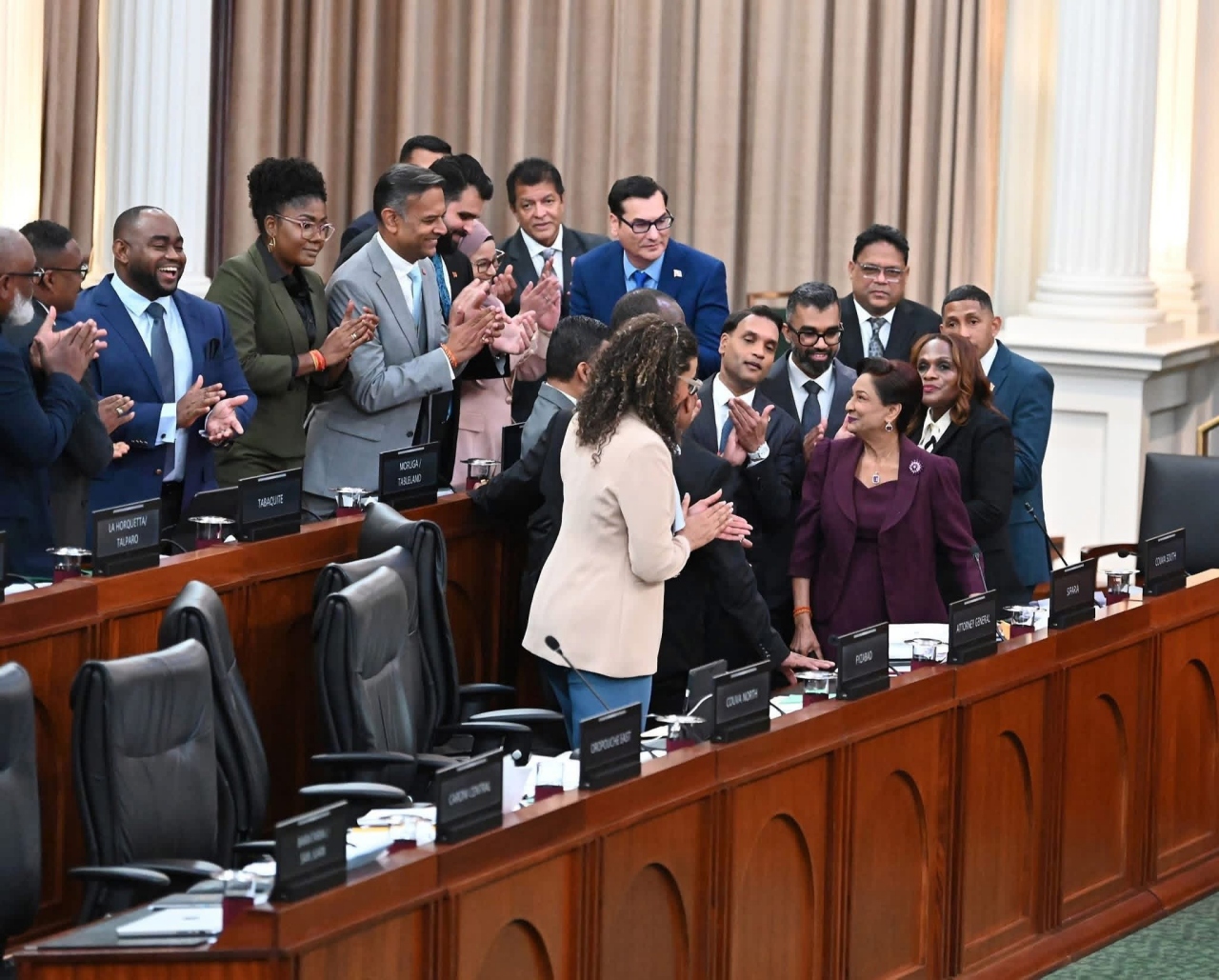
Copyright: Office of the Parliament 2026.
This week Beetham Gardens spent some 33 hours without electricity after the fire at TSTT’s Laventille cable yard. Residents asked why only their community went dark. The area’s MP alleges a minister told T&TEC to delay restoration; the Minister calls that fabricated and cites safety.
I cannot settle that dispute or verify any claims. However, this current regime has been adopting a disturbing, Hindu-Nationalist, White-Nationalist Zionist vein of “collective punishment” rhetoric that makes such allegations plausible.
The comment section full of “cut off dey current and water, leh dem learn”—that is collective punishment.
The UN General Assembly recognises safe water and sanitation as a human right essential to all other rights. Human Rights Watch calls cutting a population’s water and electricity collective punishment.

Who really sits in the dark? The asthmatic granny. The baby whose milk spoil. The child studying for SEA. Punish a whole community long enough and every abuse against it starts to look reasonable. That road ends in state human rights abuses. It ends in Gaza genocide.
Our job is to re-humanise, not dehumanise. I am sure Mr Shah would agree. Does his Shame article contribute to the rehumanisation or dehumanisation? Questions to ponder.
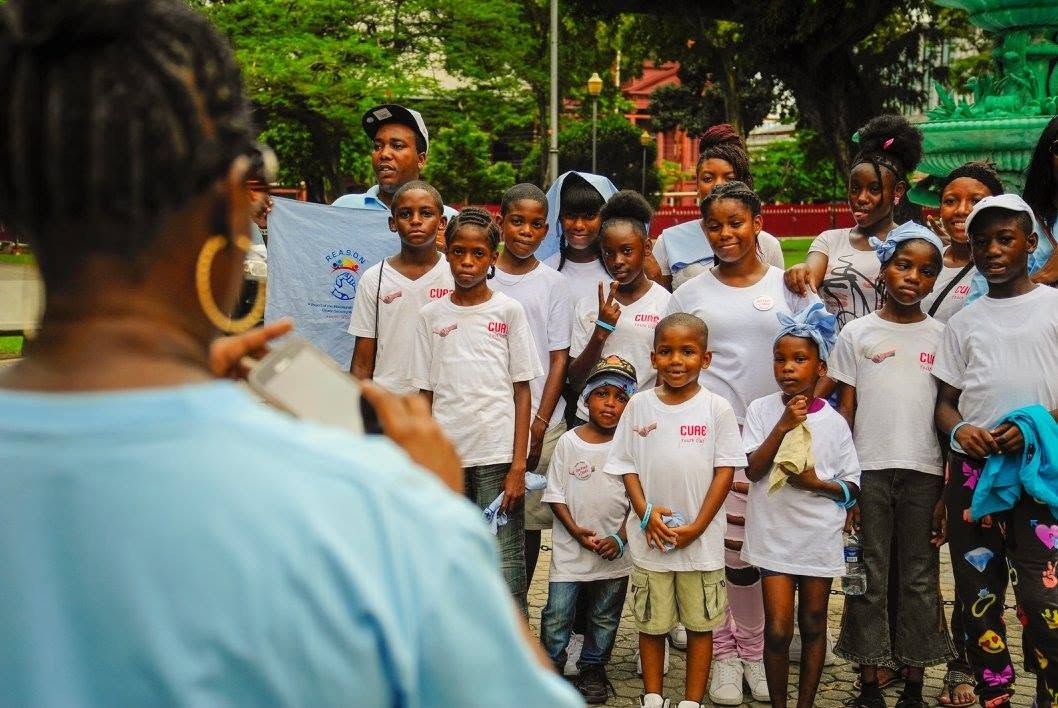
Port of Spain. Project REASON, our local Cure Violence programme, ran from 2015 to 2017. An IDB evaluation found significant drops in violence, police calls and gunshot-wound admissions, at about US$3,500 to US$4,500 per violent incident prevented. Proven in our own streets. Then left to wither.
Glasgow. Once Europe’s murder capital, it treated violence as a public-health problem. Homicide fell 60 per cent in Glasgow and 52 per cent across Scotland. Its leaders concluded you cannot arrest your way out.
Iceland. Teens drunk in the past month fell from 42 per cent in 1998 to 5 per cent in 2016; cannabis use from 17 to 7 per cent, smoking from 23 to 3. The model invests in family time, sport and music; no study yet proves it alone caused the drop.
Medellín. In 1991, it recorded 381 homicides per 100,000 people. Cable cars, library parks and schools in its poorest barrios followed, and those neighbourhoods saw homicides fall 66 per cent faster than comparable areas.
Every single successful intervention began with the powerful investing in the people at the bottom, not shaming them.

(via Project Reason.)
So, Mr Shah, I offer an amended ending. Shame on the Cabinets, red and yellow both, who sat on report after report. Shame on the mothers of the importers, launderers, and procurement pirates. The respectable families holding economic, social and legal power all at once.
SHAME! SHAME! SHAME!!!!!
And shame on the comfortable classes, who pat themselves on the back for all their socio-economic privilege, without realising the invisible people and providence behind it.
Shame, too, on the religious leaders who would rather our girls stay ignorant than safe. The Council of Evangelical Churches vowed in 2023 to fight comprehensive sexuality education however it is packaged, even as gender-based violence prevention. Archbishop Jason Gordon wrote that he believed it would harm our children.
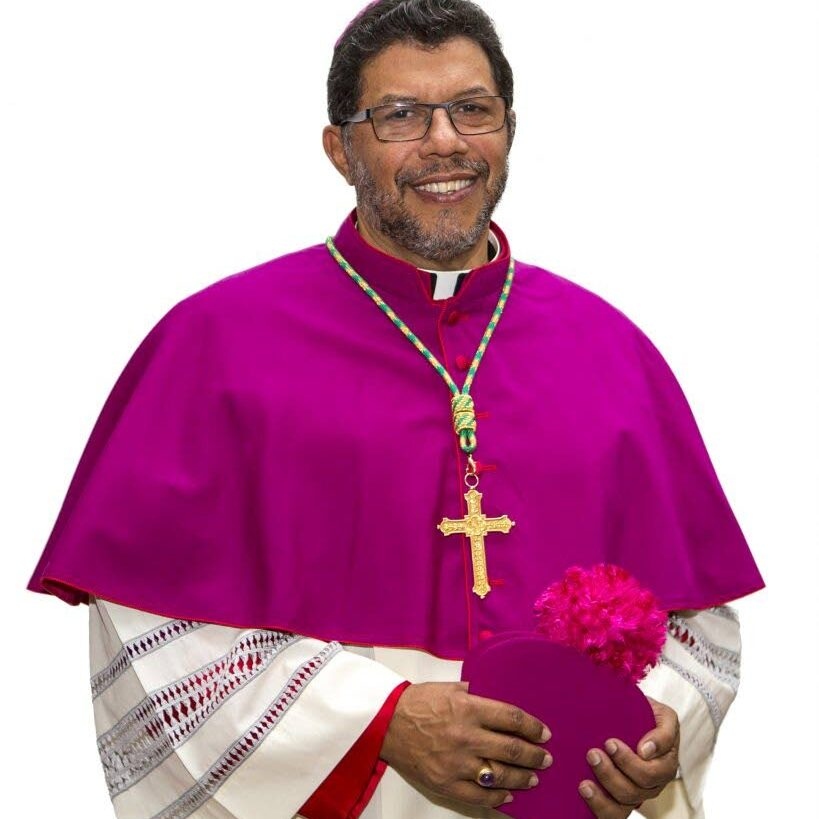
The Sanatan Dharma Maha Sabha invoked the 1960 Concordat against sex education in primary schools that would teach about consent and predator-proof them.
The Education Minister has conceded that denominational boards contest what our children may learn. All sit within the Inter-Religious Organisation and both parties have kowtowed to their assertions that are backed by religious sentiment not evidence.
Meanwhile, 38 of every 1,000 girls aged 15 to 19 gave birth in 2021, a rate barely moved since 2010. UNESCO’s evidence is plain: sexuality education helps young people delay sex and use contraception, while abstinence-only programmes fail.

Early pregnancy has long-lasting effects on a girl’s future. Too often, it locks her into the very poverty that raises the next son you will scold.
The work is clear. Fund violence interruption like Project REASON permanently. Run an Icelandic-style youth survey and community coalition in Laventille, Beetham and Sea Lots.
Teach age-appropriate comprehensive sexuality education in every school, church-run ones included, and make contraception easy for young women to get. Secure the ports and enforce procurement law.
Ring-fence recovered corrupt assets for the communities that were robbed by corruption. And never, ever use lights and water as a weapon. Secure the ports, give the Procurement Regulator back its teeth and enforce procurement law.

Start the reckoning at the top of the hill, not the bottom of the dump.
And to the mothers who are ashamed and still fighting for their sons: we see you. Hold the line. The rest of us have work to do.
References:
Guardian Media, “Shah recalls role in revolution”
Ministry of Education, Form 3 History: 1970 Black Power Revolution
Perry, K. (2023), “Power to the People!”, Social Science History
Raffique Shah, “Capital nonsense”, Trinidad Express
Guardian Media, “TTUTA flags issues at 11 schools despite ministry’s all-clear”
Guardian Media, “TTUTA expects low student turnout for opening week”
Guardian Media, “TTUTA wants teacher shortage addressed urgently”
Trinidad Express, “Unstable education feeds inequality”
World Bank, Trinidad and Tobago: Youth and Social Development
Guardian Media, “Spike in murders by end of decade”
Hunte, M. (2006), Delinquency and Achievement Among Low Income Youth in Trinidad, UWI
Committee on Young Males and Crime report, summarised by Ira’s Room
Rio Times, reporting Guardian Media’s review of US gun-trace data (Oct 2026)
Trinidad Express, “Security border control crisis” (JSC report)
CIJN, “Guns and Murders: the Deadly Connection”
Guardian Media, “Corruption investigations in T&T: high cost, little closure”
Guardian Media, “T&T stuck at 41 in global corruption ranking”
Global Voices, procurement bill and corruption concerns (2020)
Trinidad Express, “NGC to give WASA Beetham Water Reuse plant”
Global Voices, interview with Deryck Murray (2016)
Indian Newslink, on Beetham’s origins
Raffique Shah, “Considering our leaders”, Trinidad Express
CNC3, “Beetham residents count losses after 33-hour power outage”
CNC3, “Marcelle, Padarath spar over Beetham power restoration”
UN General Assembly Resolution A/RES/64/292 (2010)
Human Rights Watch (2023), on cutting water and electricity as collective punishment
Maguire, Oakley & Corsaro (2018), Evaluating Cure Violence in Trinidad and Tobago, IDB
Scottish Police Authority, SVRU Annual Report (2024)
Scottish Violence Reduction Unit, Director’s statement
GroundUp, on Iceland’s prevention results
Public Health Agency of Canada, Icelandic Prevention Model guide
Drugnet Ireland, on Planet Youth’s evidence base
Urban Transformations (2020), on Medellín’s Metrocable
Summary of Cerdá et al., American Journal of Epidemiology, Medellín natural experiment
Newsday, “Evangelical churches say ‘no’ to sexuality education” (2023)
CatholicTT, Archbishop Jason Gordon, “Parents, first teachers on human sexuality” (2018)
Trinidad Express, “Sex ed and the Concordat conundrum” (2023)
Newsday, “Education Minister: No consensus on sex ed” (2021)
World Bank Gender Data Portal, Trinidad and Tobago
UNESCO, “Comprehensive sexuality education”
UNICEF / CSO, Trinidad and Tobago MICS 2022 adolescent snapshot
Guardian Media, “10 major changes govt plans to make to procurement laws” (Sept 2026)
CNC3, “10 changes proposed in Govt’s procurement bill” (Sept 2026)
Rio Times, “Trinidad procurement bill passes Senate on a casting vote” (Sept 2026)
CNC3, “Transparency Institute warns procurement bill weakens oversight” (Sept 2026)
Trinidad Express, “End of the line for CEPEP, URP” (2025)
Trinidad Express, “Sturge: MiLAT suspended, not closed” (July 2026)
CNC3, “Unemployment stress takes toll on retrenched workers” (Oct 2026)
Rio Times, “Nutrien shuts 5 Trinidad nitrogen plants indefinitely” (Oct 2026)
There is an old adage that says: “a wise man learns from the mistakes of others, while a fool learns Read more

Having just celebrated 64 years of independence, discussions as to whether Trinidad and Tobago is better off since gaining independence Read more

“[…] To the ‘UNC family’ she offers the old tired hymn: lagoons, cane fields, salt and rice, ponds and springs—the Read more

Some years ago, I lived and worked in Sierra Leone. I arrived in the capital, Freetown, just ten years after Read more
“[…] Neither African nor Indian communities benefit from this… In cases where division arises unintentionally, accountability must fall on leaders, Read more

A few years ago, Michal Teja captured hearts and titles with his hit song, DNA. At the time, I was Read more

Jessica Joseph is currently the Creative Director of Accela Marketing St Lucia/Canada. She is a multiple ADDY Award Winning Trinidadian national, Pop Cultural Anthropologist and Humans Rights Activist.
She blogs on Huffington Post and alieninthecaribbean.blogspot.com.